
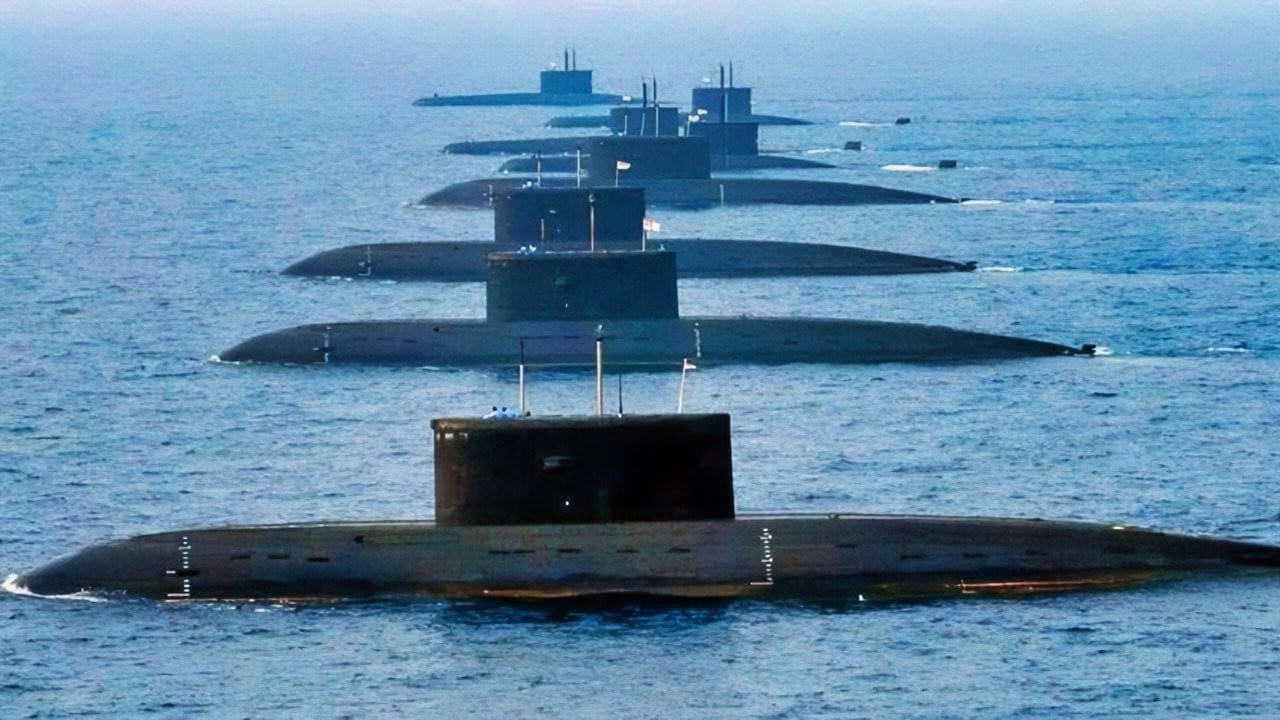
Summary and Key Points: Dr. Robert Farley, a security and diplomacy expert at the Patterson School, evaluates the strategic implications of the U.S. Navy’s total destruction of the Iranian Navy.
While the sinking of the frigate IRIS Dena by the USS Charlotte (SSN-776) provided a spectacular visual victory, Farley argues that the conventional fleet was largely secondary to Iran’s actual power projection.
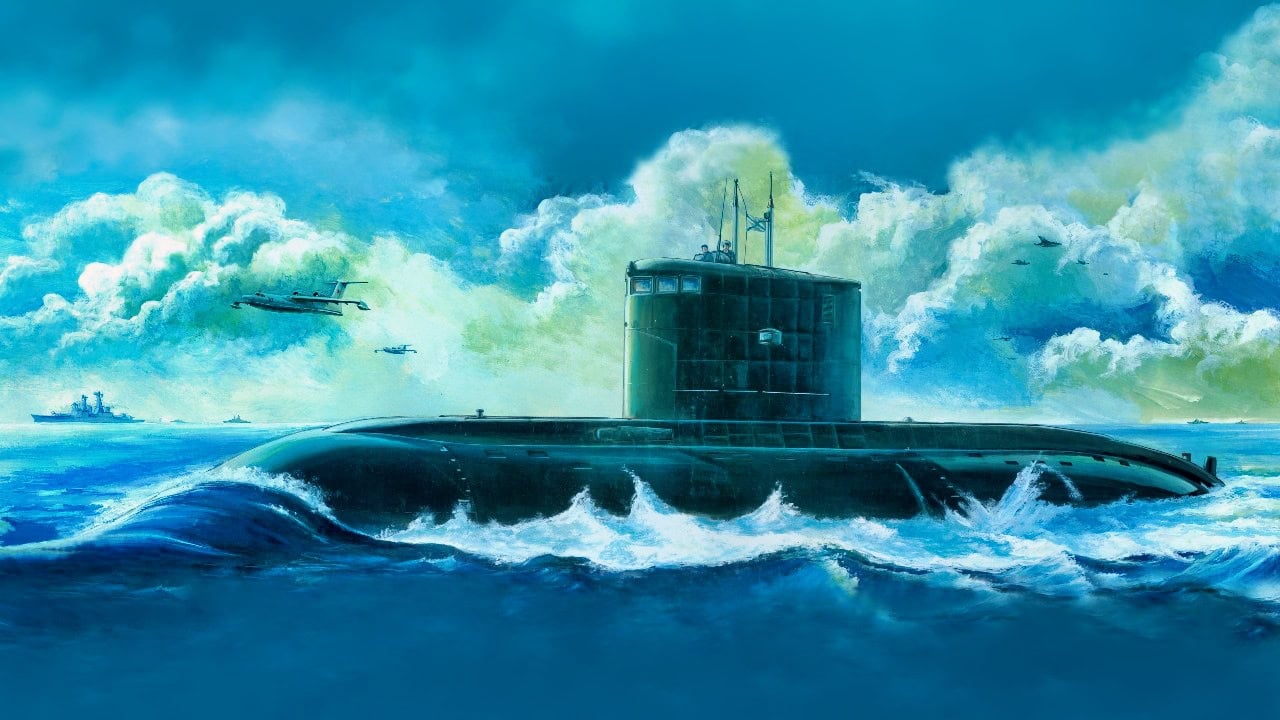
Kilo-Class Submarine
This report analyzes the Tomahawk strikes on the drone carrier Shahid Bagheri and the shift in President Trump’s war objectives.
Farley concludes that until Iran’s shore-based missiles and IRGC small-boat swarms are neutralized, the Strait of Hormuz remains a volatile chokepoint.
The Threat Remains: Why Sinking Frigates Won’t Stop Iran’s Drones and Mines in the Gulf
The United States has effectively destroyed the Navy of the Islamic Republic of Iran. While the most spectacular attack was probably the USS Charlotte’s (SSN-776’s) destruction of IRIS Dena in the Indian Ocean, much of the rest of Iran’s navy has been destroyed by air and missile strikes.
Yesterday, U.S. President Donald Trump elevated the destruction of the Iranian Navy to one of the core objectives of the war, surprising some analysts who had regarded it as secondary in importance. Now that Iran’s navy is largely underwater, what are the implications for the rest of the conflict?
US War Objectives
While most analysts seem to have assumed that the United States would destroy the Iranian Navy at the commencement of any hostilities, few elevated it to a central objective of the conflict. In April 1988, the United States launched Operation Praying Mantis in response to the mining of the USS Samuel B. Roberts.
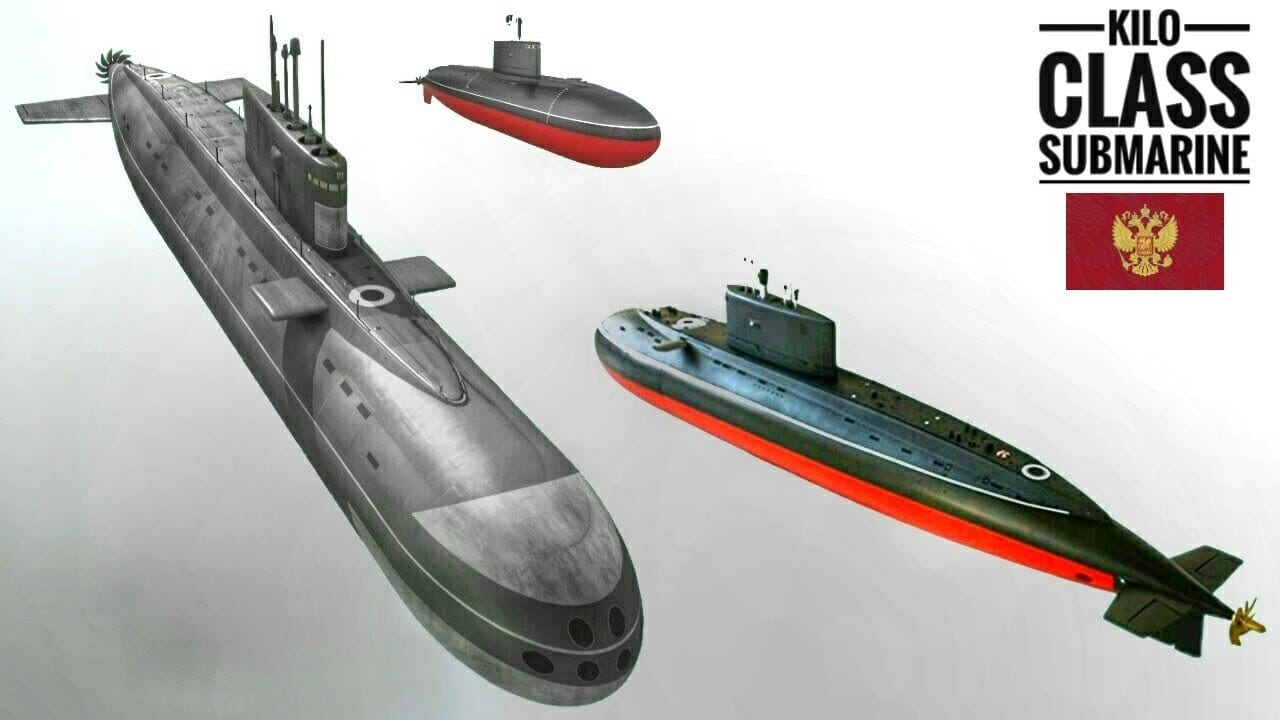
Kilo-class Submarine. Image Credit: Creative Commons.
The operation destroyed several Iranian vessels and additional shore infrastructure. This was part of the broader Tanker War between Iran and Iraq that led to attacks against many internationally flagged commercial vessels.
In ensuing years Iran’s navy was regarded as a general annoyance to the United States and its allies, rather than a significant threat. The large warships did not play a large role in Iranian plans to control the Strait of Hormuz. These plans instead relied on mines, ground-launched cruise missiles, small boats, and drones of various kinds to choke off transport.
Moreover, the closure of the strait depends more on the threat of the use of force against merchant shipping than on its actual use. Captains and ship owners will not proceed through the strait without great confidence of making it through safely.
The Iranian Navy did have important “show the flag” responsibilities, as demonstrated by the participation of IRIS Dena in Indian naval exercises. Missions like this are an indicator of international legitimacy, and gave the Islamic Republic the veneer of respectability. To the extent that destroying this legitimacy is part of the broader purpose of Operation Epic Fury, sinking the Navy makes perfect sense as an ancillary objective, although probably not a central one.
The Destruction of Iran’s Navy
Whatever the reasoning, the United States destroyed Iran’s navy with efficiency.
The highest-profile attack was that against the Dena, an Iranian frigate operating in the Indian Ocean.
The Dena fell as she left Sri Lankan waters, but she was not the first ship to be hit, nor the most consequential. In the opening hours of the war, Tomahawk cruise missiles struck many of the largest ships in the Iranian fleet, including the drone carrier Shahid Bagheri and several other frigates.
Most units were struck in port, and attacks also substantially damaged and degraded Iran’s port facilities.
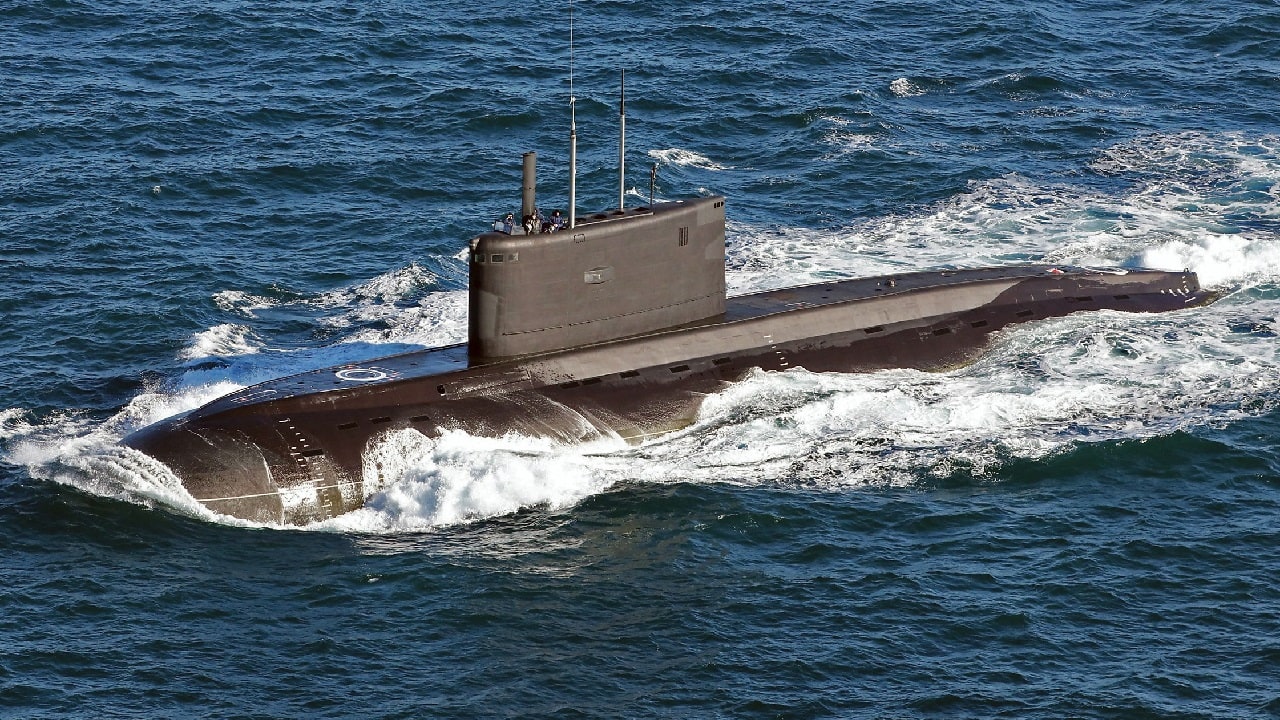
Pictured is a Kilo-Class Russian Submarine in the English Channel. The image was taken from Royal Navy Wildcat HMA2 Helicopter of 815 Naval Air Squadron. Kilo class is the NATO reporting name for the diesel-electric attack submarine.
The United States has also struck facilities that support the naval forces of the Islamic Revolutionary Guard Corps, which have historically been more aggressive than the Navy of the Islamic Republic.
It is worth noting that one of the most catastrophic failures of the war, the destruction of an elementary school in Minab with considerable loss of life, came in the course of this campaign against the Revolutionary Guard.
The Iranians have a few options to replace their losses. If the Islamic Republic continues to exist after this war, it may be able to acquire warships from China, or from other countries with a robust shipbuilding export industry and limited scruples.
Iran also has a domestic shipbuilding industry capable of delivering medium-sized warships and integrating foreign technology onto those platforms. If regime change is successful, a new Iranian government might have a lot of acquisition options.
Iran’s Navy: Thinking a Little Bigger and Asymetric
The destruction of the Iranian Navy nests uneasily within the broader objectives of Operation Epic Fury.
The Iranian Navy has been annoying for the United States and its partners in the Gulf, but it has not posed a meaningful threat to either military or civilian shipping since the late 1980s.
The primary threat to both military and commercial vessels has been Iran’s stocks of drones and missiles, which can easily target ships traversing the narrow waterways of the Gulf.
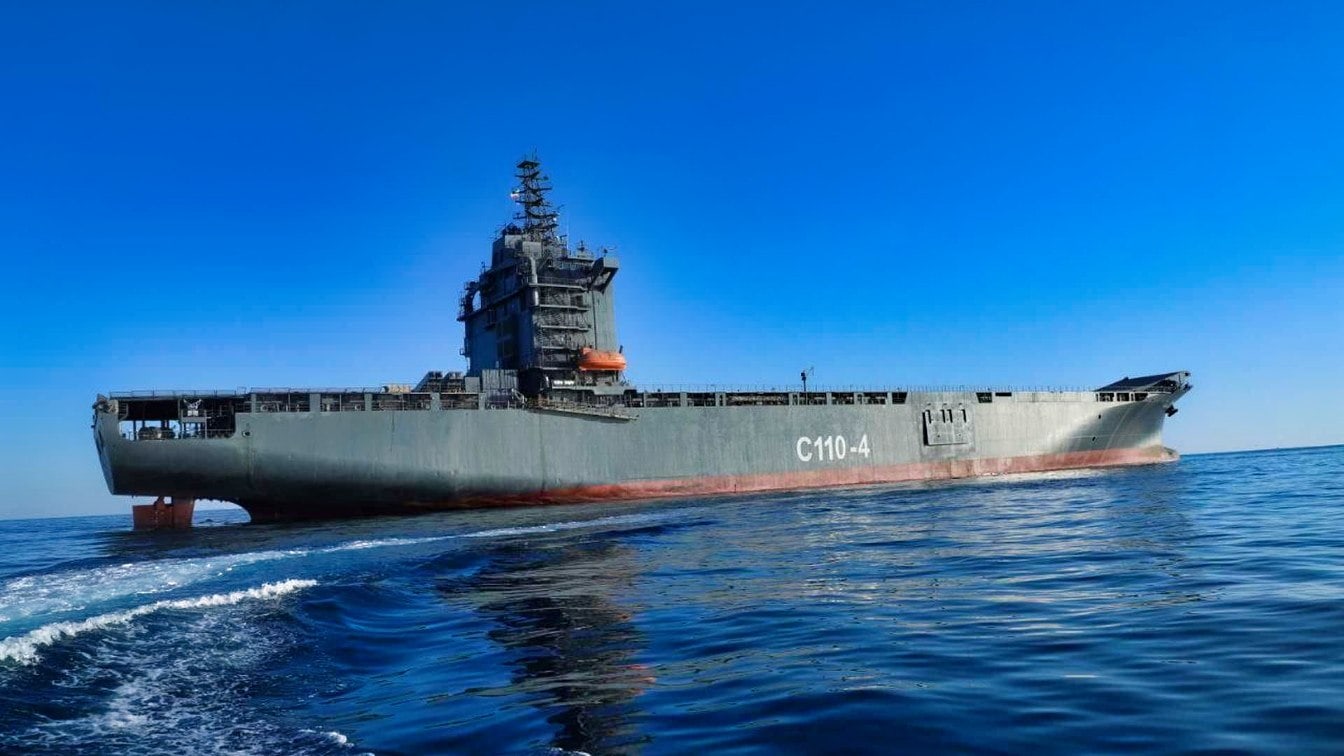
Iran Drone Aircraft Carrier. Image Credit: Creative Common.
One wonders whether the point of destroying the Iranian Navy in such visually dramatic fashion was to generate headlines and positive press for the Trump administration.
Either way, the story of Iran’s maritime presence is not over. In the short run, small boats, drones, and missiles will continue to give Iran the ability to cut off shipping and influence the maritime environment.
In the long run, Iran will rebuild, though the details of what will be rebuilt depend on political factors fraught with uncertainty.
MORE – John Bolton Exclusive Op-Ed for 19FortyFive: How Donald Trump Can Still Achieve Regime Change in Iran
About the Author: Robert Farley, University of Kentucky, Patterson School
Dr. Robert Farley has taught security and diplomacy courses at the Patterson School since 2005. He received his BS from the University of Oregon in 1997, and his Ph. D. from the University of Washington in 2004. Dr. Farley is the author of Grounded: The Case for Abolishing the United States Air Force (University Press of Kentucky, 2014), the Battleship Book (Wildside, 2016), Patents for Power: Intellectual Property Law and the Diffusion of Military Technology (University of Chicago, 2020), and most recently Waging War with Gold: National Security and the Finance Domain Across the Ages (Lynne Rienner, 2023). He has contributed extensively to a number of journals and magazines, including the National Interest, the Diplomat: APAC, World Politics Review, and the American Prospect. Dr. Farley is also a founder and senior editor of Lawyers, Guns and Money.