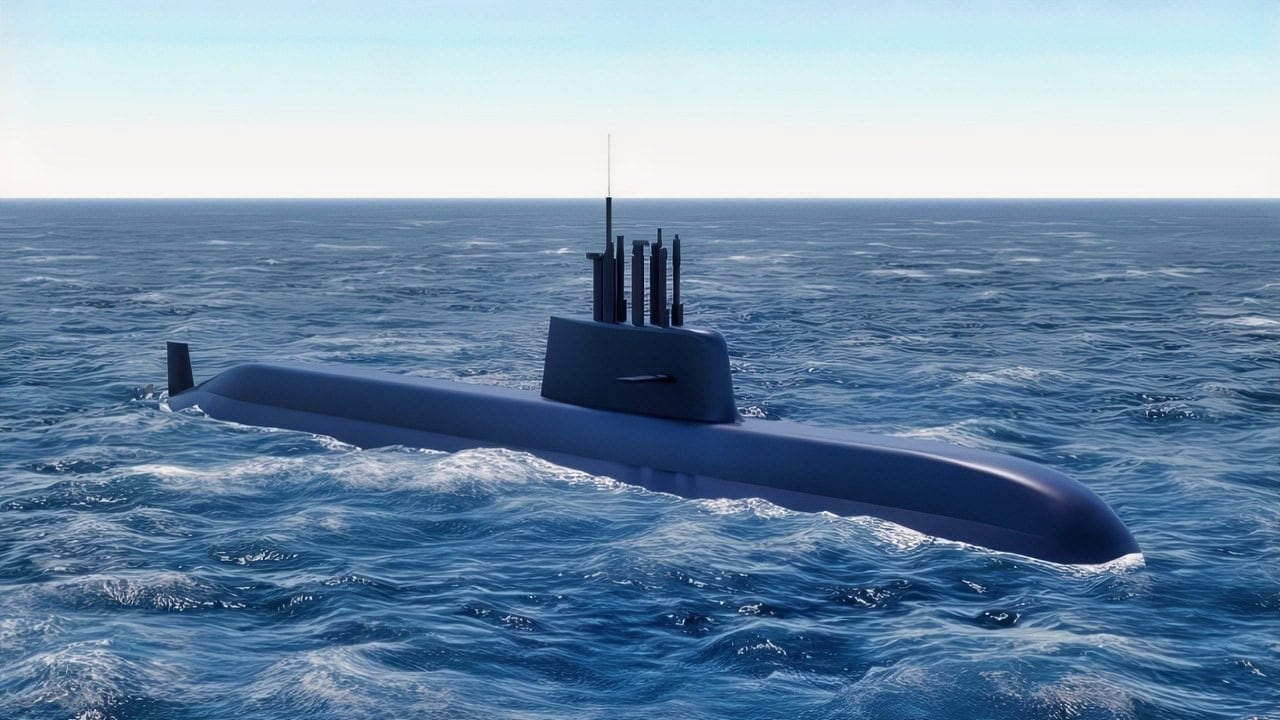
Summary and Key Points: National security analyst Brandon J. Weichert evaluates the Canadian Patrol Submarine Project, noting the transition from the legacy Victoria-class to a proposed 12-ship fleet.
-Narrowed down to the TKMS Type 212CD and Hanwha KSS-III, the competition hinges on Arctic endurance and industrial offsets.
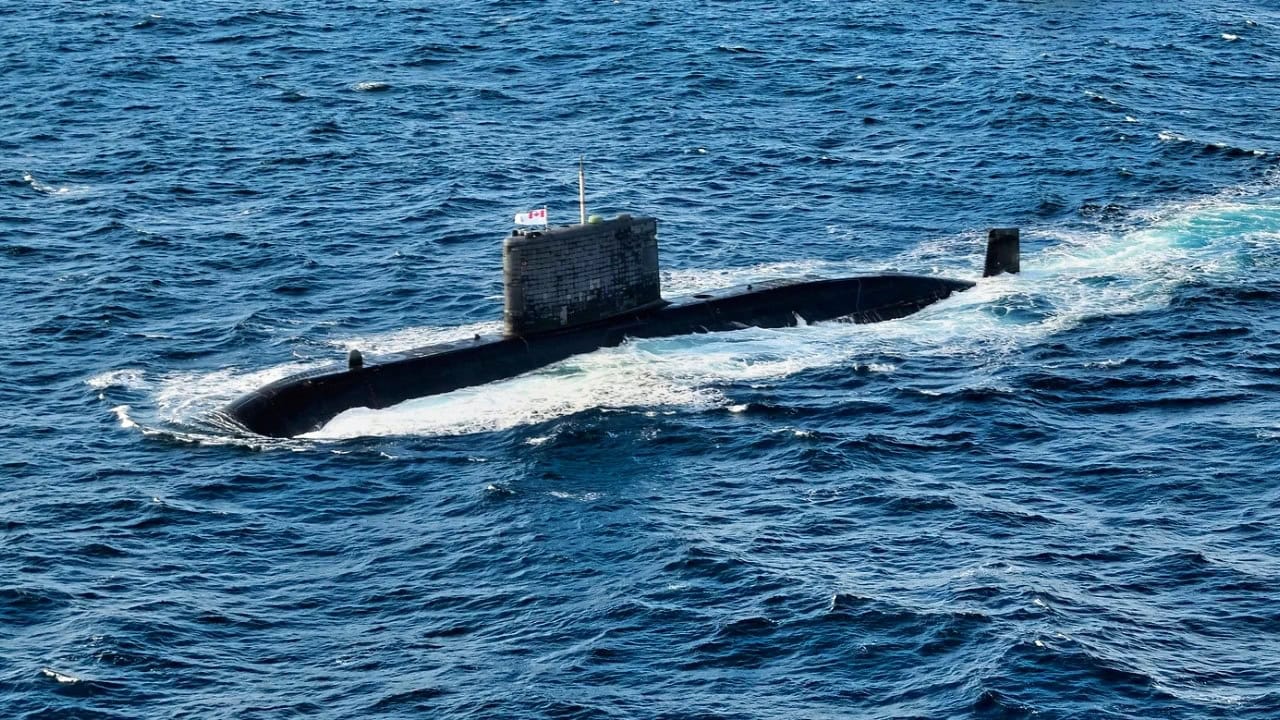
Victoria-Class Submarine at Sea. Image Credit: Creative Commons.
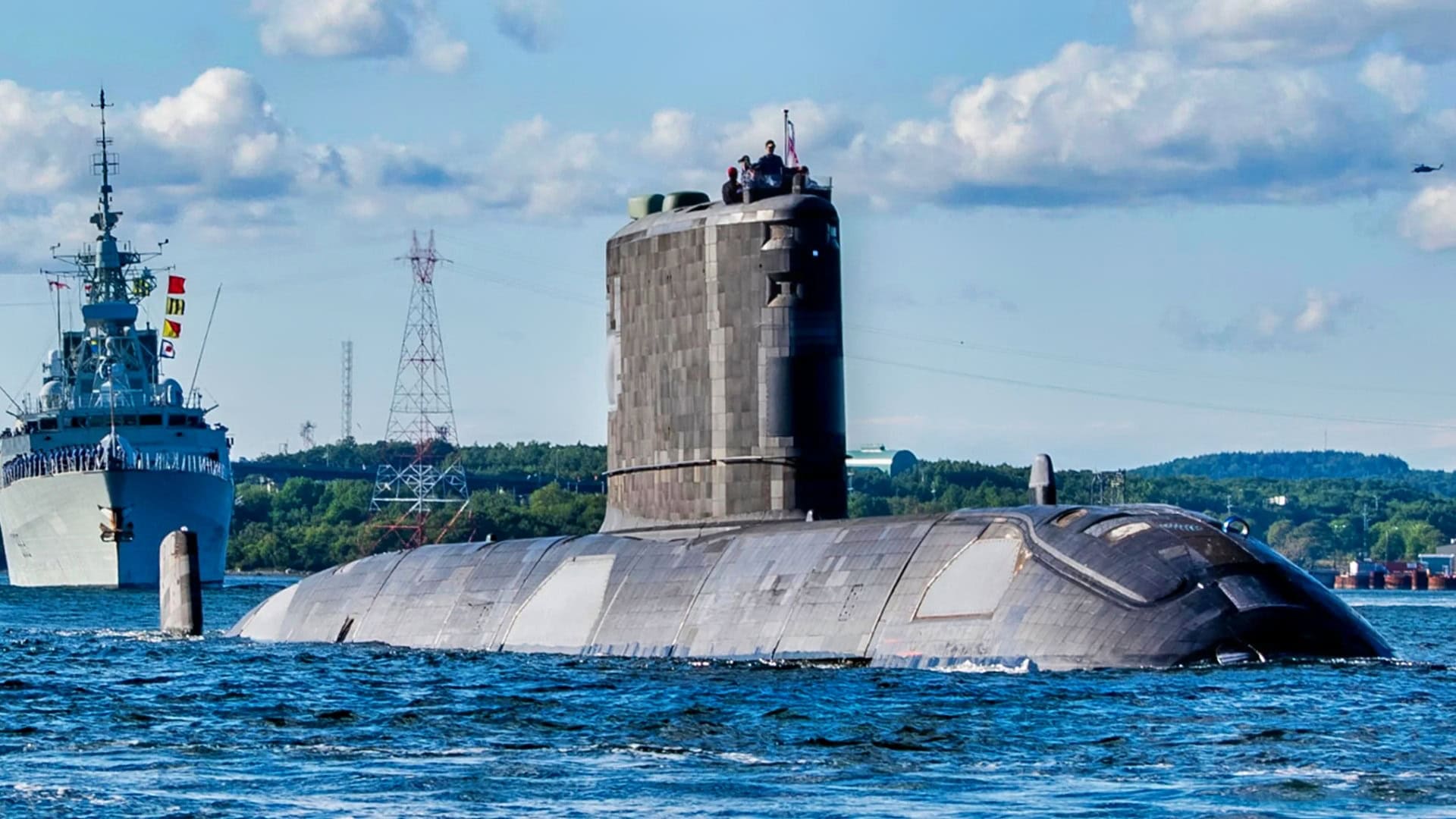
Victoria-Class Submarine Canada.
-This report analyzes the KSS-III’s lithium-ion battery tech and its Vertical Launch System (VLS) for cruise missiles.
-Weichert explores the strategic partnership between Hanwha and Canadian firms like Algoma Steel and Irving Shipbuilding, concluding that South Korean production speed is critical for Canada to achieve “real power” status by the 2030s.
Arctic Undersea Race: Why Canada is Choosing Between South Korea and Germany for its Next Submarine
Simmering just beneath the geopolitical surface are the tensions between the United States and its ally to the north, Canada. With that conflict put on pause so President Donald Trump can focus on the Middle East, Ottawa is using this time to increase its production of replacements.
Yet without the help of foreign enterprises, such as South Korea’s Hanwha Industrials, Canada’s dreams of creating a new round of submarines to replace its Victoria-class submarines are little more than a pipedream.
Canada’s Aging Sub Fleet Faces Retirement
Canada currently operates four aging Victoria-class submarines bought secondhand from the United Kingdom in the 1990s. They are expected to retire shortly, leaving a critical vulnerability gap for Canada’s sea-based defense.
The Canadian Patrol Submarine Project (CPSP) has been authorized to purchase up to 12 conventional submarines. These submarines must be capable of operating in the Atlantic, Pacific, and especially the Arctic—a region that Ottawa must secure, as so much of its coastline borders the contested areas of the High North with Russia.
After years of competition, the field has been narrowed to just two contenders.
Those two are Germany’s TKMS (Type 212CD) and South Korea’s Hanwha (KSS-II). The Canadian government aims to award a contract by later this year, with the first submarine delivery in the 2030s.
Germany vs. South Korea: The Final Two
Canada’s submarine competition is entering its final stage, with both companies making aggressive industrial political pitches. There are 12 conventional submarines at stake, possibly the largest diesel-sub fleet in NATO outside the United States. The decision will hinge not only on capability but also on the industrial benefits for Canadian industry. Both bidders are offering massive economic packages and partnerships with Canadian firms.
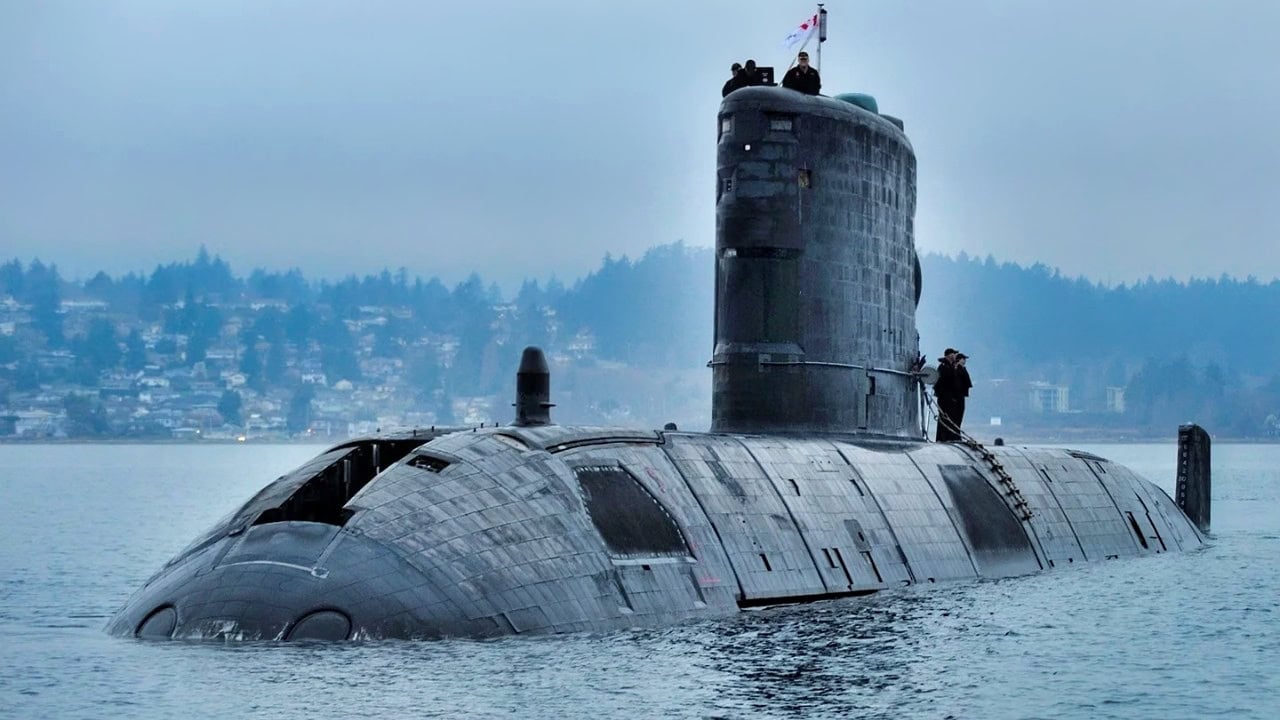
Victoria-Class Submarine Canadian Navy. Image Credit: Government Photo.
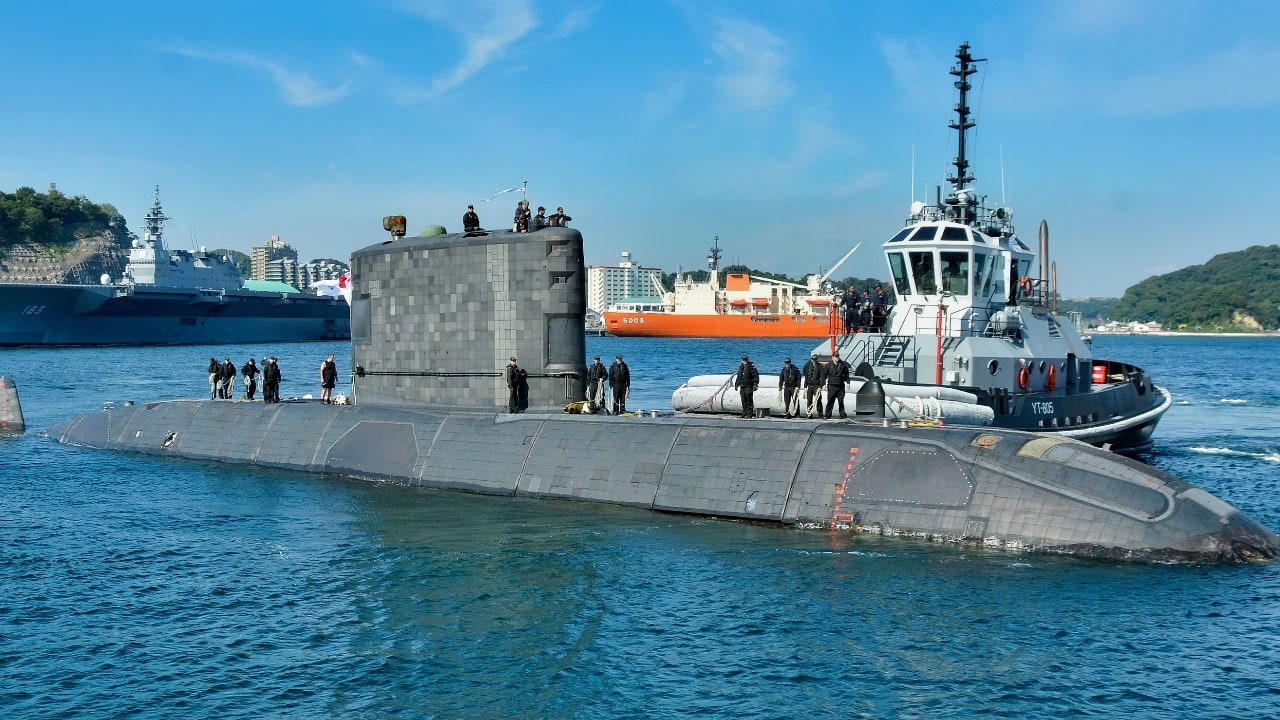
Canada Victoria-Class Submarine. Image Credit: Creative Commons.
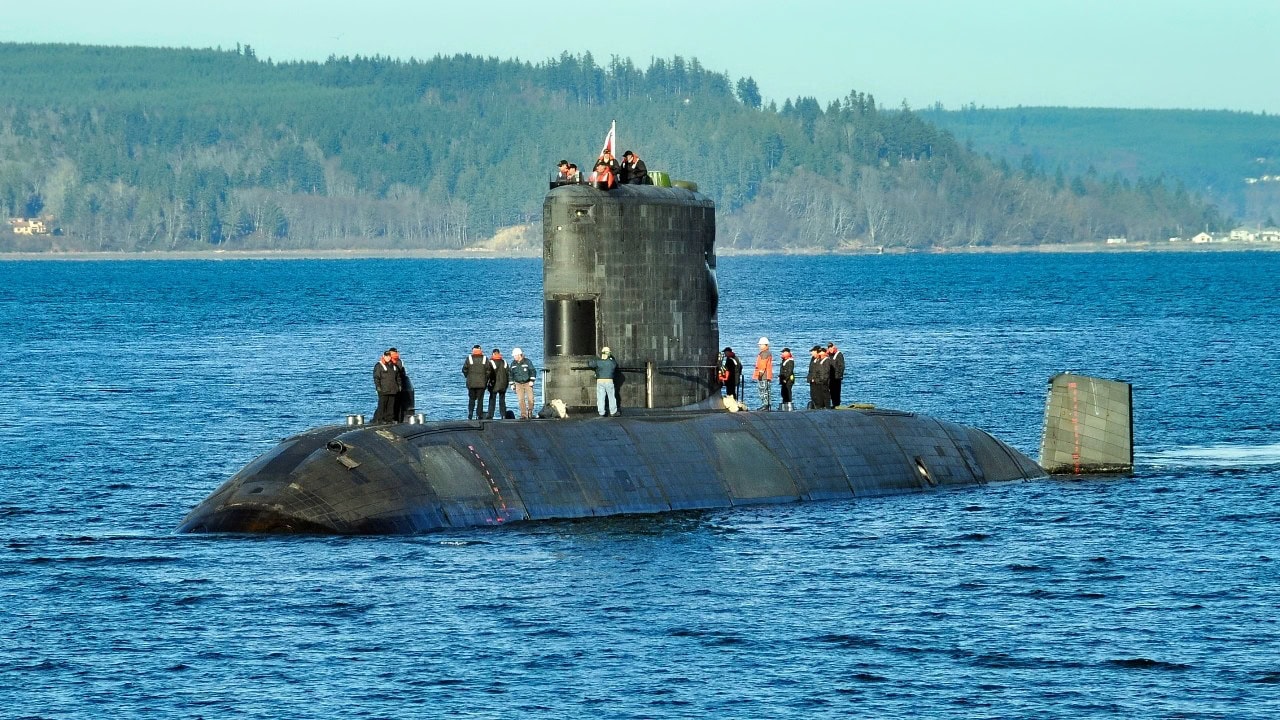
(Dec. 12, 2011) The Royal Canadian Navy long-range patrol submarine HMCS Victoria (SSK 876) arrives at Naval Base Kitsap-Bangor for a port call and routine maintenance. The visit is Victoria’s first to Bangor since 2004. (U.S. Navy photo by Lt. Ed Early/Released)
This determination is as much an industrial decision as it is a military one. Canada’s industrial base has been allowed to wither on the vine for decades, largely because of its post-Cold War assumptions about a relatively peaceful world being at hand. These airy notions were fully shattered, leading to a diminishment of Canada’s industrial base.
A Procurement Fight with Industrial Stakes
Canadian procurement officials visited with Hanwha’s KSS-111 production line. The Koreans showcased a fully built submarine already in the water. But Hanwha is offering extensive industrial partnerships with Canadian firms, such as Algoma Steel, Telesat, MDA Space, and Irvin Shipbuilding.
Hanwha, the South Korean firm, is selling speed and industrial cooperation—trying to prove it can deliver submarines faster than its European competitors. And to be clear, South Korea has evolved into quite an interesting and competitive shipbuilder. Canada would be unwise to withdraw from South Korea on such a key issue as its submarine fleet.
Let’s look at Hanwha’s featured submarine design.
Canada’s Strategic Shift
The KSS-III submarine Hanwha builds is a large, conventional design. This submarine is equipped with a Vertical Launch System (VLS) for cruise missiles. Lithium-ion batteries allow for longer submerged endurance. What’s more, the KSS-III submarine is designed for blue-water operations.
KSS-III offers Canada a greater range than what they’ve been offered before. As such, KSS-III has a greater range and weapons capacity. Hanwha can also get the submarines to Canada much more quickly under the proposed timeline.
Historically, Canada relied on the United States for protection. This has allowed a degree of strategic apathy to creep into the discourse. It is very clear that Canada is transitioning away from a symbolic navy to a real power—or at least that’s what they want—and it is entirely to combat what they view of Donald Trump’s excessive foreign policy toward them.
Yet, we can still win from this.
Because if the Canadian government actually completes its goal of having a viable submarine force, this could make Canada a serious power.
About the Author: Brandon J. Weichert
Brandon J. Weichert is the Senior National Security Editor at 19FortyFive.com. Recently, Weichert became the editor of the “NatSec Guy” section at Emerald.TV. He was previously the senior national security editor at The National Interest. Weichert is the host of The National Security Hour on iHeartRadio, where he discusses national security policy every Wednesday at 8pm Eastern. He hosts a companion show on Rumble entitled “National Security Talk.” Weichert consults regularly with various government institutions and private organizations on geopolitical issues. His writings have appeared in numerous publications, among them Popular Mechanics, National Review, MSN, and The American Spectator. And his books include Winning Space: How America Remains a Superpower, Biohacked: China’s Race to Control Life, and The Shadow War: Iran’s Quest for Supremacy. Weichert’s newest book, A Disaster of Our Own Making: How the West Lost Ukraine, is available for purchase wherever books are sold. He can be followed via Twitter/X @WeTheBrandon.