
Summary and Key Points: National security analyst Harrison Kass evaluates the strategic fallout of Operation Epic Fury, noting that while Iran’s nuclear and missile infrastructure has been decimated, the regime’s incentive to rebuild is at an all-time high.
-This report analyzes the transition of power to Mojtaba Khamenei and the potential for a more “security-state” dominated by the IRGC.
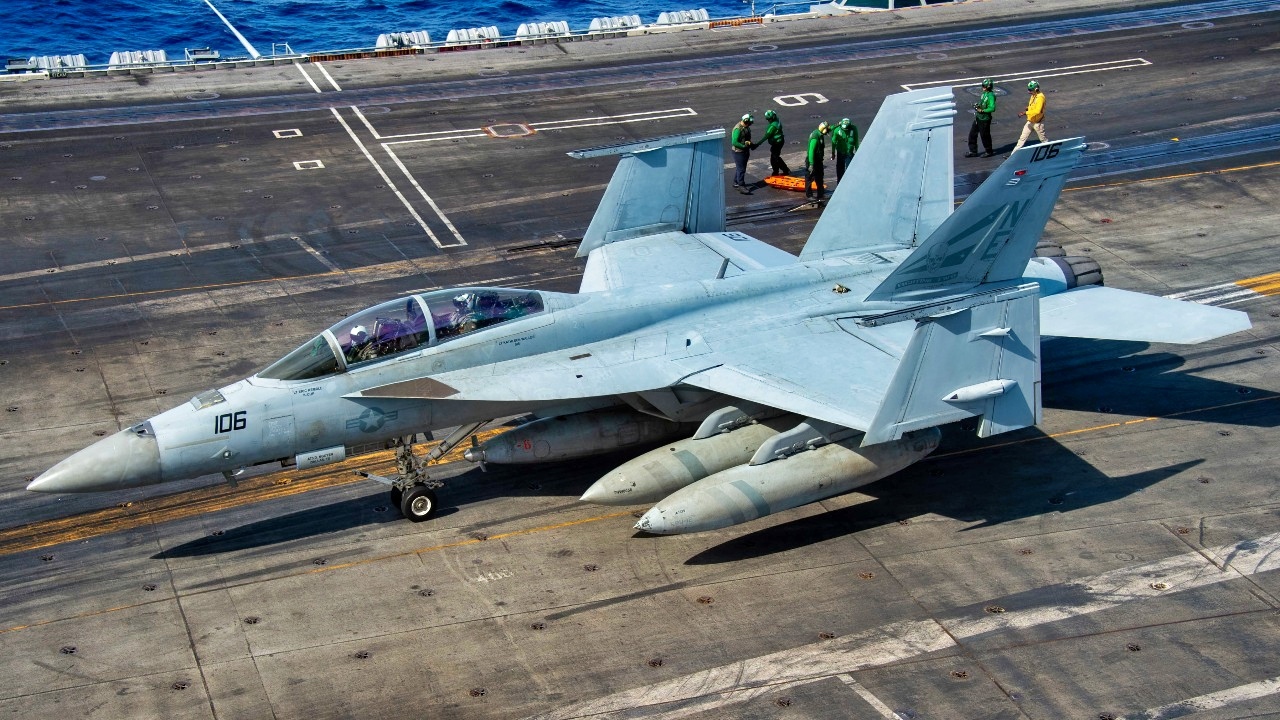
(Dec. 30, 2021) An F/A-18F Super Hornet, assigned to the “Bounty Hunters” of Strike Fighter Squadron (VFA) 2, taxis on the flight deck of Nimitz-class aircraft carrier USS Carl Vinson (CVN 70), Dec. 30, 2021. Carl Vinson Carrier Strike Group is on a scheduled deployment in the U.S. 7th Fleet area of operations to enhance interoperability through alliances and partnerships while serving as a ready-response force in support of a free and open Indo-Pacific region. (U.S. Navy photo by Mass Communication Specialist 3rd Class Jeff D. Kempton)
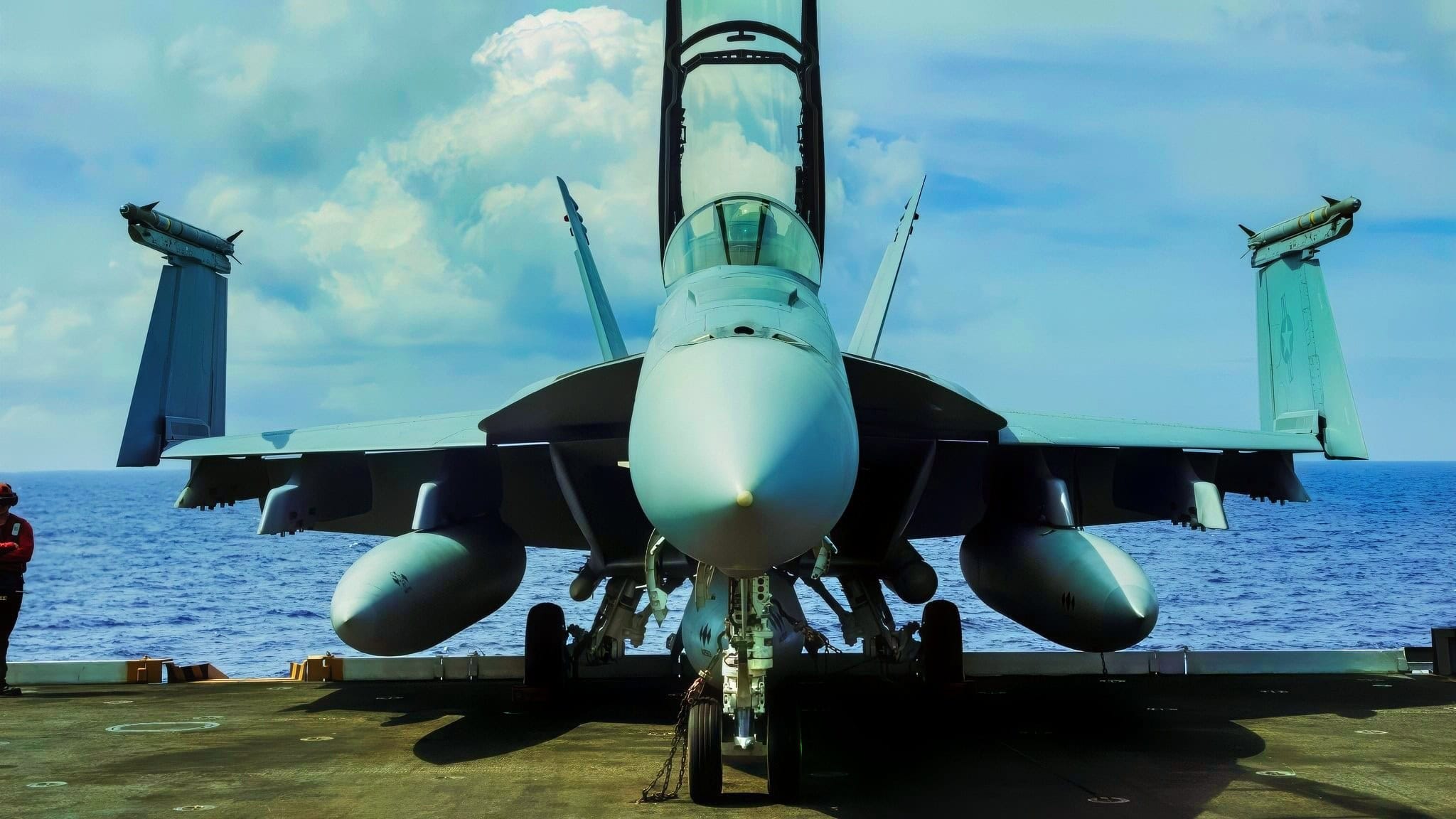
Capt. Tim Waits, commanding officer of Nimitz-class aircraft carrier USS George Washington (CVN 73), climbs into an F/A-18F Super Hornet, attached to Strike Fighter Squadron (VFA) 102, while underway in the South China Sea, Nov. 24, 2025. George Washington is the U.S. Navy’s premier forward-deployed aircraft carrier, a long-standing symbol of the United States’ commitment to maintaining a free and open Indo-Pacific region, while operating alongside allies and partners across the U.S. Navy’s largest numbered fleet. (U.S. Navy photo by Mass Communication Specialist 2nd Class Geoffrey L. Ottinger)
-Kass explores the economic hurdles facing a prompt rebuild and the limited roles of Russia, China, and North Korea.
-He concludes that the post-war Iran will likely be a regionally disruptive, asymmetric actor defined by grievance and anti-American sentiment.
The Epic Fury Paradox: Why a Tactical Victory is Creating a More Dangerous “Hardened” Iran
After nearly two weeks of Operation Epic Fury, Iran’s military machine has been severely degraded. Large-scale damage has been wrought to Iran’s nuclear and missile infrastructure, its navy mostly does not exist anymore, and the IRGC leadership has been decapitated.
From a short-term tactical standpoint, the US and Israel have achieved a significant military victory. But what’s beginning to seem clear is that plans have not been laid for what comes next. While Secretary of War Pete Hegseth has laid out a list of “laser-focused” objectives for the conflict, nagging questions remain about end goals—and what sort of Iran will rise after the shooting stops.
Iran, who may rise as a hardened and more militant state, will no doubt be incentivized to rebuild their military capacity; the questions, however, is to what extent Iran can rebuild their military, to what extent China, Russia, and the DPRK assist the rebuild, and, if Tehran can rebuild, will the US and Israeli just continuously intervene to dismantle Iran’s capabilities?
Epic Fury Outcomes
The military outcomes of Epic Fury have been significant.
Consider the metrics: the Supreme Leader was killed; dozens of senior leaders were killed; air superiority was established; ballistic missile launchers have been sharply reduced; the Iranian navy has largely been wiped out; nuclear infrastructure has been degraded; missile production and launch networks have been degraded. This is not cosmetic damage or symbolic punishment. Epic Fury represents a major military setback for Iran, which Trump will market as a personal success. But what comes next?
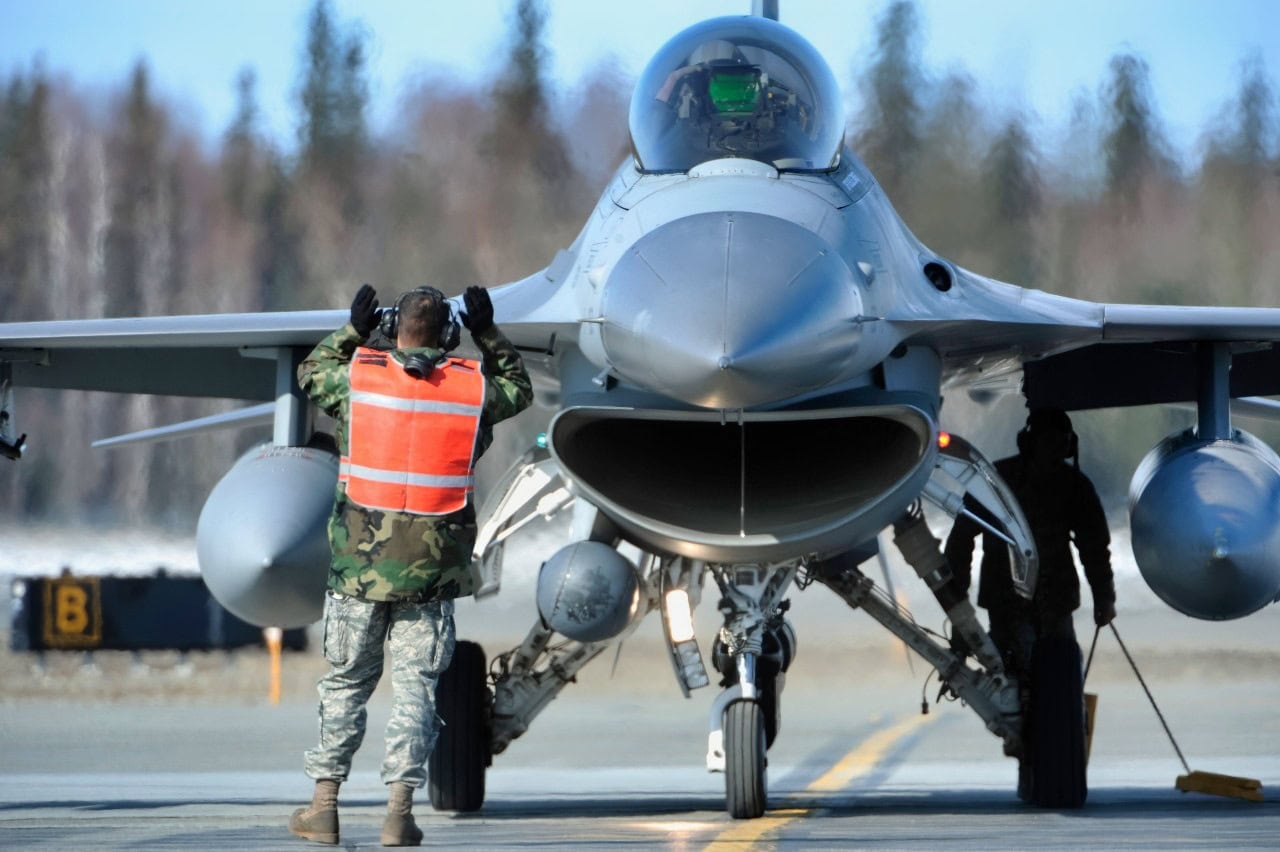
F-16 Fighter. Image Credit: Creative Commons.
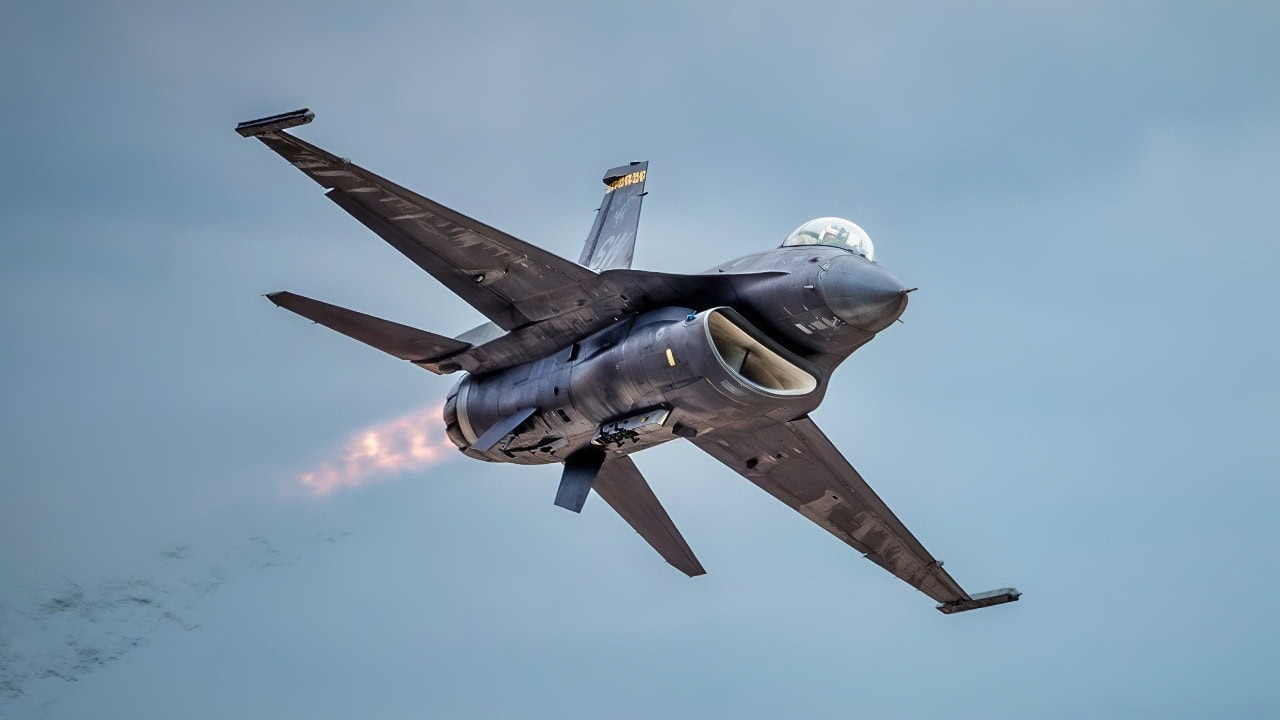
U.S. Air Force Maj. Taylor “FEMA” Hiester, F-16 Viper Demonstration Team commander and pilot, takes off for a practice demonstration at Shaw Air Force Base, S.C., Feb. 13, 2025. Hiester leads a team of Airmen charged with showcasing the combat capabilities of the F-16 Fighting Falcon for millions of spectators each year. (U.S. Air Force photo by Senior Airman Meghan Hutton)
Iran Rebuild Incentive
Iran will almost certainly try to rebuild their military capacity; it seems unlikely that after suffering such a major military humiliation, Iran would suddenly internalize a lesson of restraint. Instead, Iran will likely internalize vulnerability and paranoia, leading to a more dangerous version—one that will try to rebuild a robust deterrence capacity. Frankly, Iran’s incentive to build a strong military is probably stronger now than in the years before Epic Fury.
The regime will likely (correctly) assume that its survival depends upon deterrence. Hardliners can now point to concrete proof that their previous posture was insufficient while advocating for enhanced capabilities. And the death of Khamenei and the IRGC leadership is more likely to radicalize than moderate the surviving power centers. And if IRGC influence expands, expect Iran to adopt a harder line stance.
Iran Rebuild Capacity
But having the desire to rebuild and the ability to rebuild are two different things. While Iran will want to rebuild, it won’t be clear that they can; several limiting factors could hamper a rebuild. First, a rebuild is very expensive—and Iran is on a sound economic footing.
The war has damaged energy and logistics networks, put pressure on oil revenue, destabilized currency, etc. Iran may be in a position where achieving pre-war spending is difficult, and rebuilding will require a heavier investment than just maintaining pre-war spending. So, Iran may be simply unable to afford a prompt rebuild. From an industrial perspective, Iran will face hurdles as well.
Epic Fury degraded missile production facilities, shipbuilding facilities, dual-use and research facilities, and administrative hubs. Iran will need to rebuild not just its military but also the industrial capacity to rebuild the military, all while being cash-strapped.
Iran may also have lost the brainpower required to rebuild. The IRGC still exists, but its leadership was decapitated. The Supreme Leader has been killed, replaced by his son for the moment. It’s highly possible that the scientific workforce has been degraded, meaning the know-how required to execute a rebuild may have been diminished, which would take years to replenish. Internally, Iran faces several major hurdles. But could Iran receive external assistance?
External Assistance
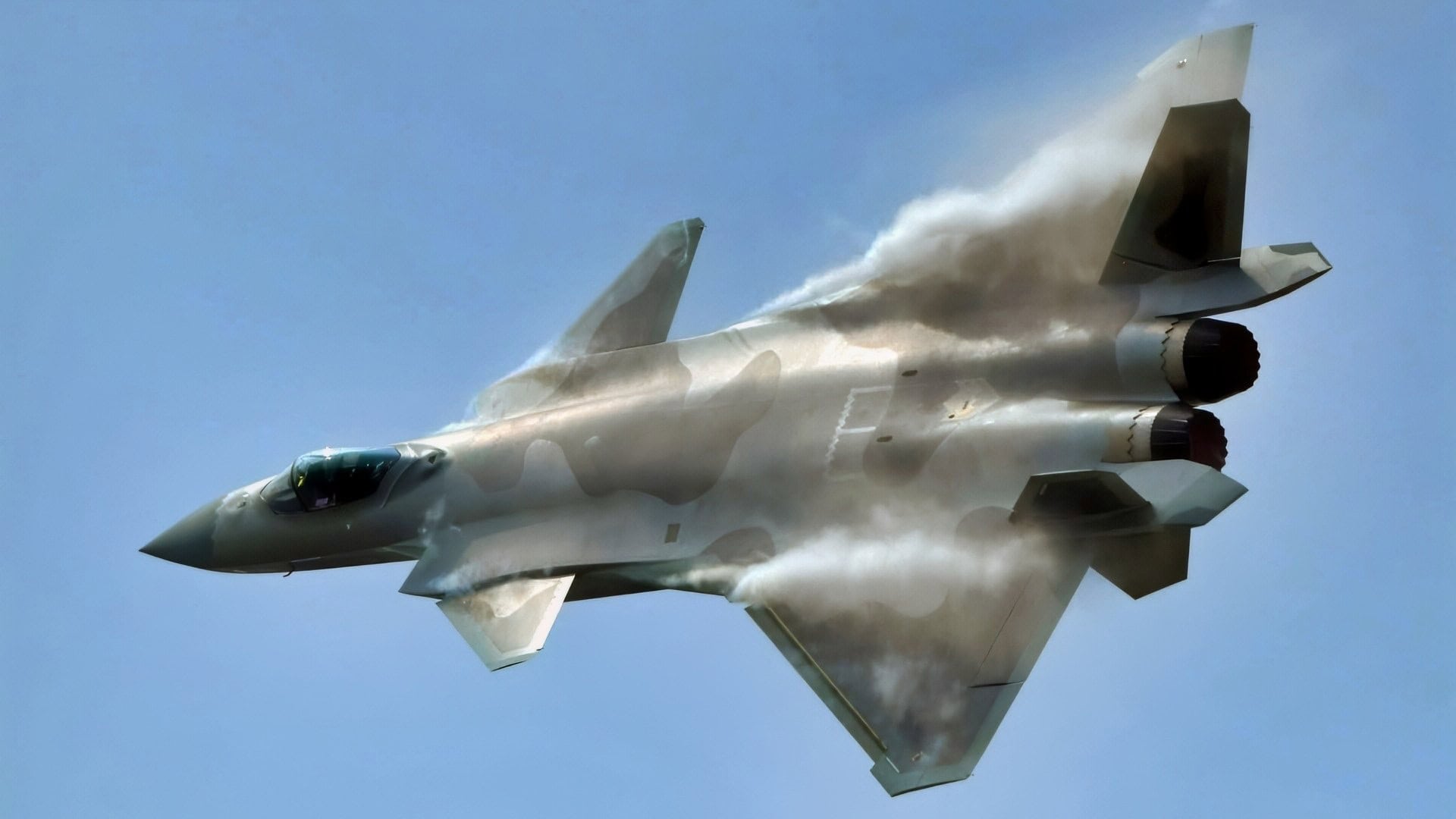
China J-20A Fighter. Image Credit: PLAAF.
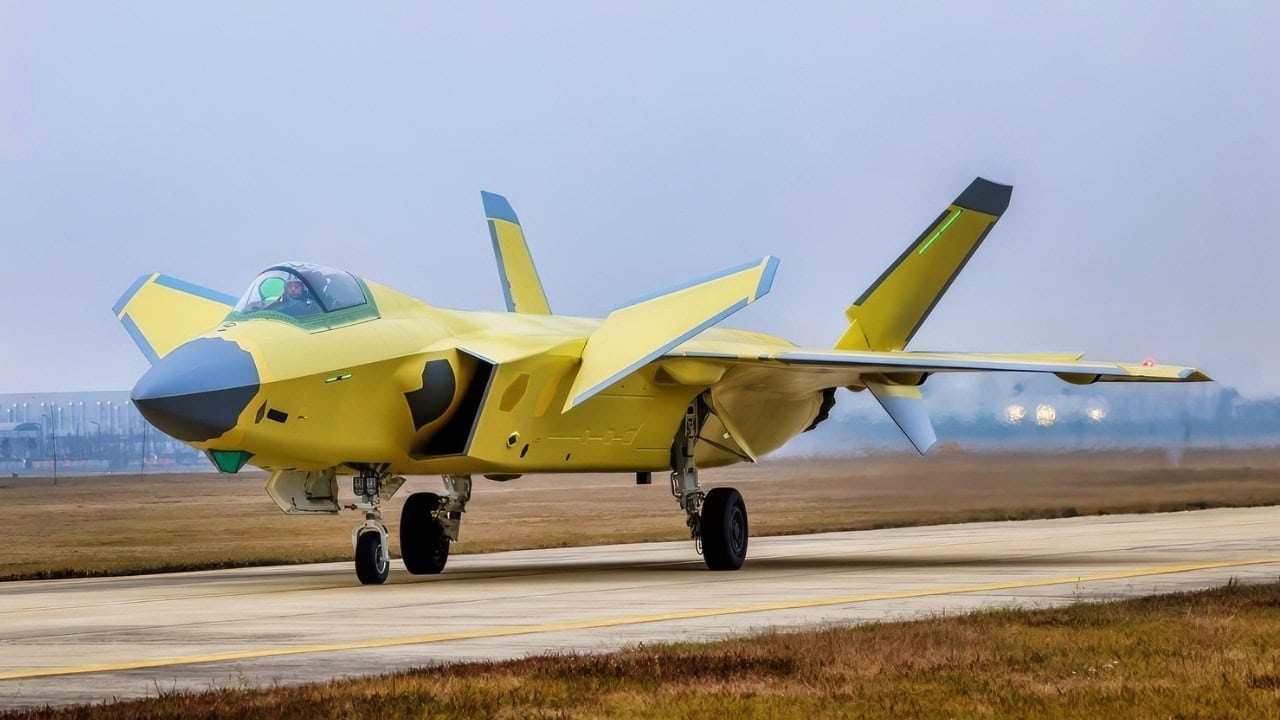
J-20 Fighter from China X Screenshot. Image Credit: Creative Commons.
Could external powers help rebuild Iran quickly? Probably not, but it’s worth considering the “Axis of Aggressors” to which Iran belongs. Russia is already providing Iran with intelligence, tactical advice, and drone warfare lessons (learned from Ukraine).
But Russia itself faces substantial constraints; it is bogged down in a half-decade-long war of attrition and is facing its own equipment deficits. And Russia has no mutual defense obligation to Iran. So expect Russia to offer some technical support, maybe some exports when the time is right. But Russia is not going to be a full-on sponsor of an Iranian rebuild.
China could offer Iran more economic support than pure military support. China can provide sanctions relief and even some dual-use technology. But China wants oil flow restored—and China does not want a direct confrontation with the US. So expect China to provide Iran some financial cushioning but not full-on sponsorship.
The DPRK is the most likely to provide actual rebuild support of some kind, i.e., ballistic missile assistance, uranium enrichment knowledge. But DPRK doesn’t have the capacity itself to fully enable an Iranian rebuild.
In sum, this “Axis of Aggressors” is a loose network of passive supporters, not some integrated alliance with reciprocating security guarantees. No one in the network has the requisite combination of incentives and capacity to own Iran’s rebuild, so expect Iran to go it mostly alone.
The Next Intervention
If Iran is incentivized to rebuild, and eventually does rebuild, where does that leave the US and Israel—will continuous intervention be required?
Operation Epic Fury seems like a generational moment, an attack unlikely to repeat itself in scale for the foreseeable future.
But periodic future strikes are plausible under certain conditions. The biggest condition, the biggest question, is whether the post-Epic Fury Iran is hostile to the US and Israel. If post-war Iran becomes more IRGC-dominated, more nationalist, more anti-American, if Iran becomes less clerical but more security-state, then the US/Israel incentive for confrontation will remain. Another condition is the manner in which Iran rebuilds.

The B-21 Raider was unveiled to the public at a ceremony December 2, 2022 in
Palmdale, Calif. Designed to operate in tomorrow’s high-end threat environment, the B-21 will play a critical role in ensuring America’s enduring airpower capability. (U.S. Air Force photo)
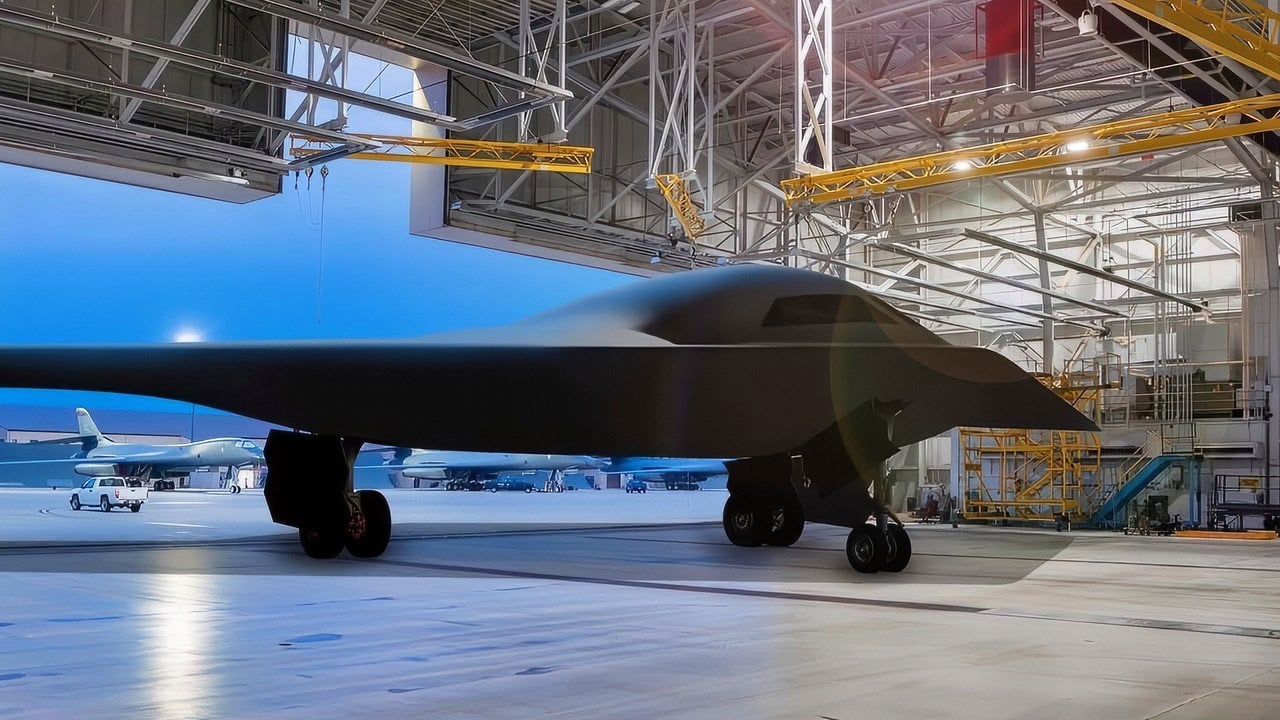
Artist rendering of a B-21 Raider in a hangar at Ellsworth Air Force Base, South Dakota, one of the future bases to host the new airframe. AFCEC is leading a $1 billion construction effort at Ellsworth to deliver sustainable infrastructure to meet warfighter demands for bomber airpower. (U.S. Air Force graphic)
If the rebuild is opaque, with nuclear infrastructure in underground, hardened bunkers, if missile capacity is dispersed, if drone swarms are produced, if enrichment works happen in secret—basically if Iran operates in a hidden, hardened way—then yes, the US/Israel incentive for confrontation will remain.
And if Epic Fury ends without any sort of diplomatic agreement, then the path towards another confrontation will be set from the moment the current conflict ends.
Intervention Tempo
But don’t expect high-tempo US interventions against Iran to occur every five to seven years. After Epic Fury, the US political appetite for another Iran campaign will likely ebb—especially if this war doesn’t produce a decisive and durable outcome. Future administrations will likely be reluctant to revisit Iran militarily.
The public memory of Iraq and Afghanistan is still relevant here, repressing the collective will for ongoing involvement in the Middle East.
Instead of Epic Fury-caliber strikes in a repeatable cycle, expect US intervention against a hypothetically rebuilt Iran to look smaller in scale, perhaps including covert action, cyber operations, proxy suppression, possibly the occasional standoff strike, possibly the occasional Operation Midnight Hammer-scale intervention, etc. But an Epic Fury-scale intervention is unlikely to repeat itself at high tempo.
The New Iran
The Iran that emerges from Epic Fury will likely struggle to regain conventional abilities and will not be a peer or near-peer of the US. Nor is the new Iran likely to be democratic, or grateful to the US for overthrowing the Supreme Leader.
The likeliest outcome here is that Iran emerges with diminished conventional capability and a stronger asymmetric instinct. Nuclear ambitions will be invigorated but pursued even more secretly than before. The IRGC will have greater influence. The economy will be weaker. Grievance and anti-American sentiment will likely be enhanced. Basically, the Iran that emerges will likely be poorer but harder, more paranoid, and more secretive—the sort of state that has the potential to be regionally disruptive.
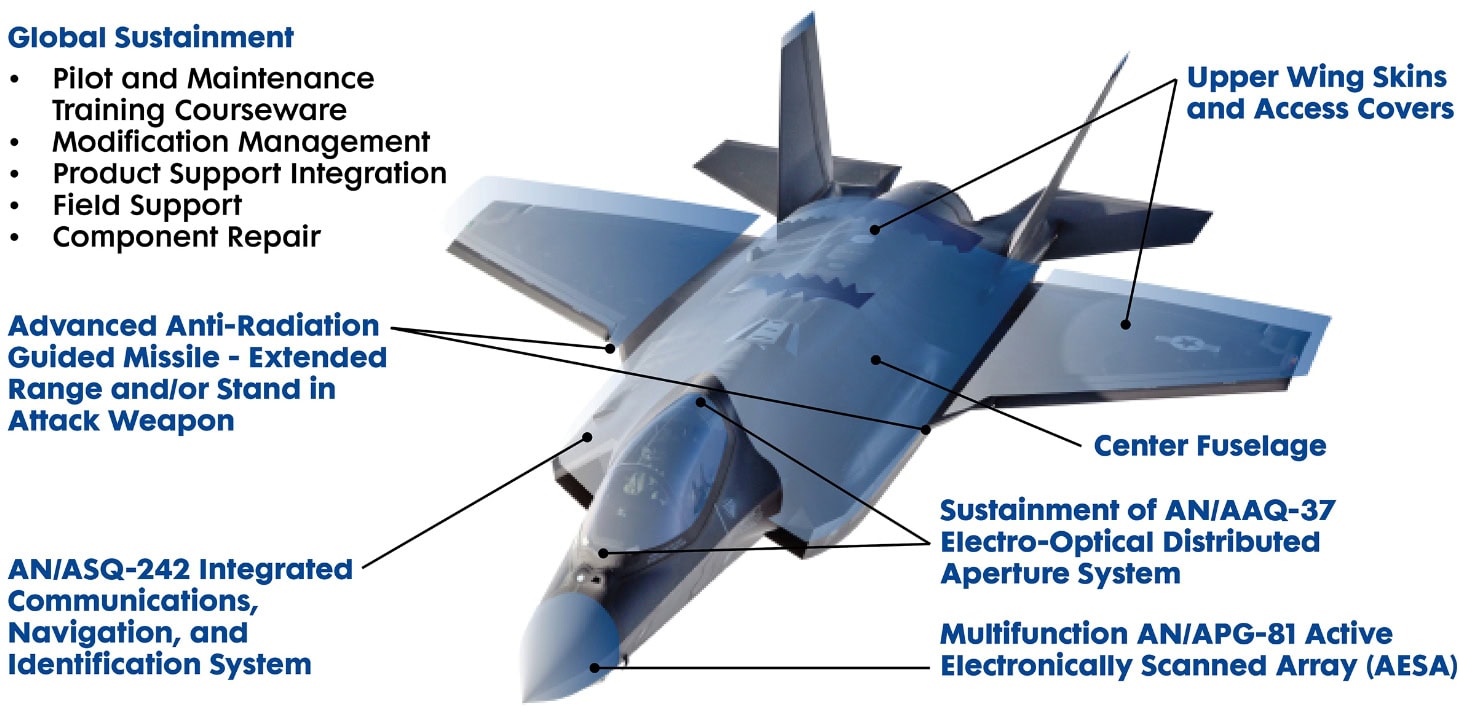
F-35 Fighter. Image Credit: Industry Handout.
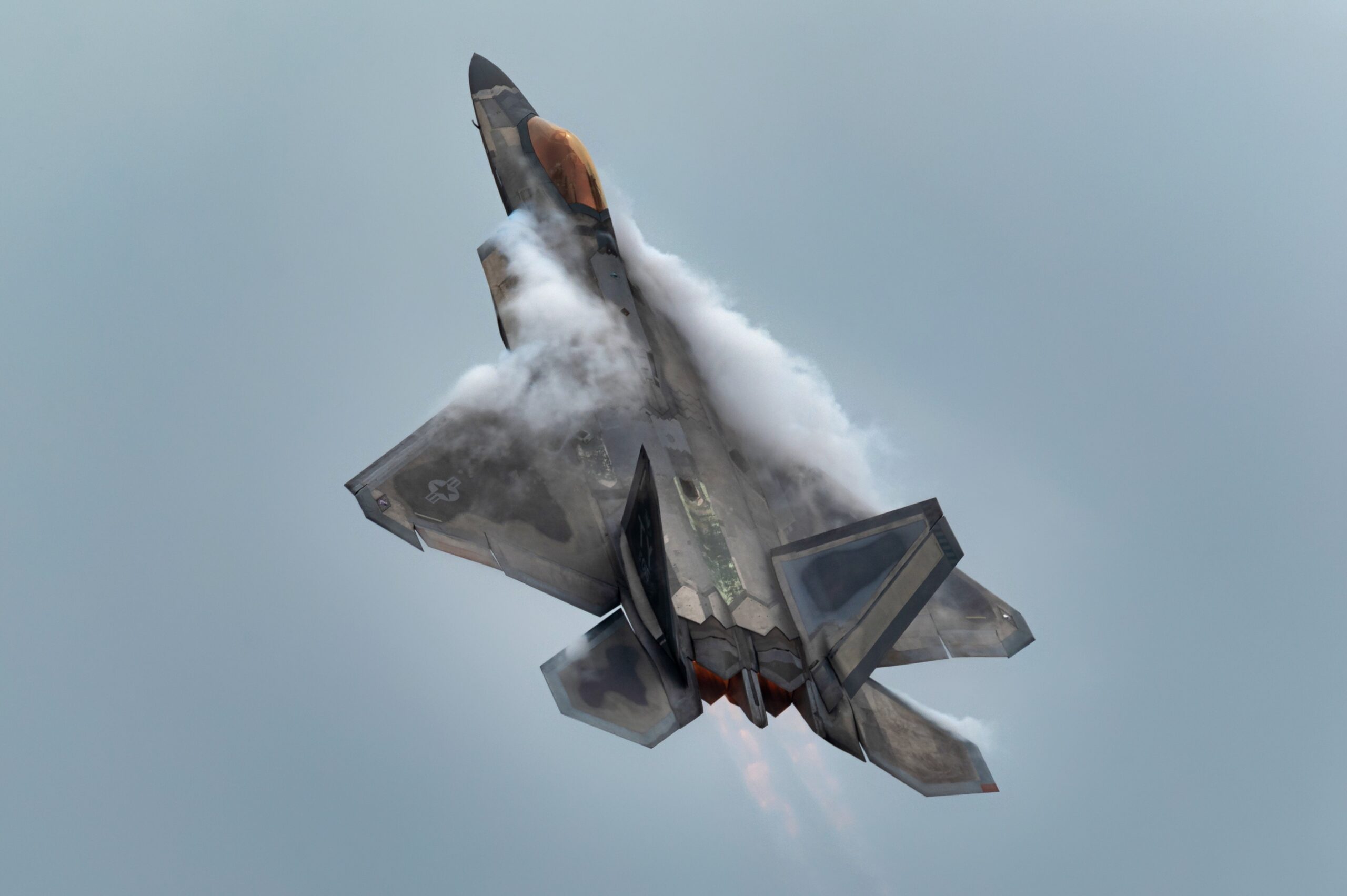
U.S. Air Force Maj. Josh Gunderson, F-22 Demo Team commander, performs maximum power takeoff during a demonstration for the 67th National Security Forum at Maxwell-Gunter Air Force Base, Montgomery, Alabama, May 11, 2021. The F-22 Raptor’s two Pratt and Whitney F119 Turbofan engines bring a combined 70,000 pounds of thrust, allowing the aircraft to takeoff straight into the vertical. (U.S. Air Force photo by Staff Sgt. Don Hudson)
Epic Fury was a dice roll. Before the intervention, the dangers Iran posed were fully understood: nuclear threshold capability, drone swarms, dispersed missile network, proxy activity, regional coercion, etc.
After Epic Fury, however, Iran will become an unknown: while much of its capacity is diminished, uncertainty abounds, and it can be dangerous.
Outstanding questions, which will determine the security of the region moving forward, include: who rules Iran next; what is the role of the IRGC; how will the regime internalize the Epic Fury narrative; how much uranium remains hidden; how clandestine will the rebuild be; will outside powers assist the rebuild. And that’s the paradox—Iran’s capabilities have been reduced, but uncertainty has increased.
Moving Forward
Epic Fury has gained the US and Israel a military advantage; the operation has been a remarkable success in conventional, tactical terms. But that does not equate to a long-term strategic solution. Iran will rebuild to the extent their capacity allows; the incentive to do so is obvious.
Epic Fury has likely created a weaker and more radical Iran—the sort of state that is likely to warrant US and Israeli attention in the future.
About the Author: Harrison Kass
Harrison Kass is an attorney and journalist covering national security, technology, and politics. Previously, he was a political staffer and candidate, and a US Air Force pilot selectee. He holds a JD from the University of Oregon and a master’s in global journalism and international relations from NYU.