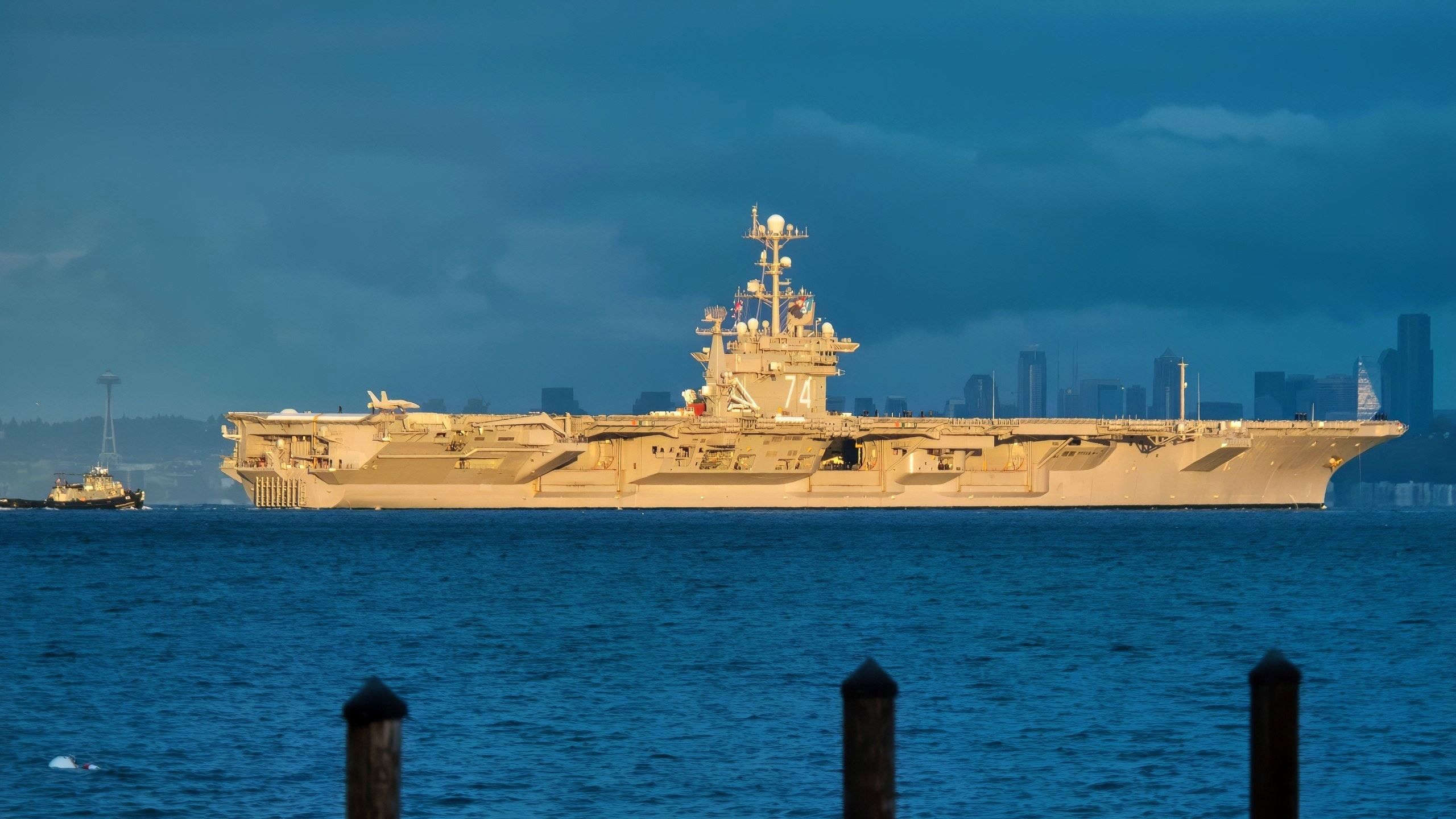
The 5.5-Year Overhaul: Why Aircraft Carrier USS John C. Stennis is Sidelined Until 2027
The prolonged overhaul of the USS John C. Stennis is not the result of a single failure or miscalculation.
Instead, it reflects a convergence of structural, industrial, and technical challenges that have steadily stretched what was already one of the most complex engineering processes in the U.S. Navy into a years-long effort.
What was once expected to be a relatively predictable midlife refueling has become a case study in how difficult it is to sustain aging supercarriers in the modern era.
At the heart of the issue is the nature of the work itself.
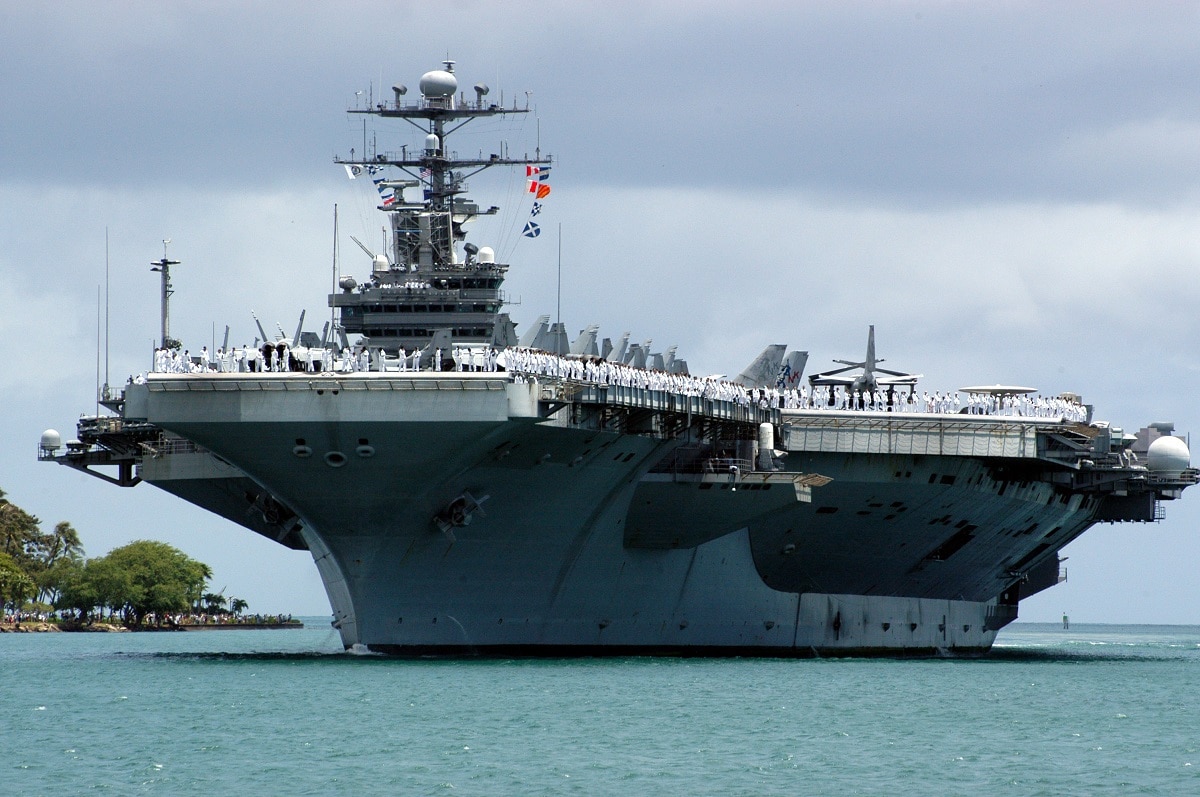
PEARL HARBOR, Hawaii (June 29, 2004) Sailors aboard the Nimitz-class aircraft carrier USS John C. Stennis (CVN 74). Image Credit: U.S. Navy Photo.
The Refueling and Complex Overhaul (RCOH) is arguably the most intensive maintenance period any naval vessel undergoes.
For a nuclear-powered aircraft carrier, it involves not just replacing nuclear fuel but effectively rebuilding large portions of the ship—modernizing electronics, repairing structural components, upgrading combat systems, and improving crew living spaces.
While a standard overhaul might take a few years, the Stennis refit has expanded far beyond initial expectations.
Originally scheduled to finish in August 2025, it is now projected to conclude around October 2026, pushing the total timeline to roughly 5.5 years.
Growth Work
One major reason for this delay lies in what the Navy calls “growth work.”
This refers to additional repairs and upgrades that are not fully known until the ship is opened up and inspected in dry dock.
Aircraft carriers are massive, aging systems, and once workers begin dismantling components, they often uncover deeper issues—corrosion, worn structural elements, or outdated wiring—that must be addressed before the ship can safely return to service.
In the case of the Stennis, these discoveries significantly expanded the scope of work beyond what planners initially anticipated.
Compounding this problem are broader industrial base challenges.
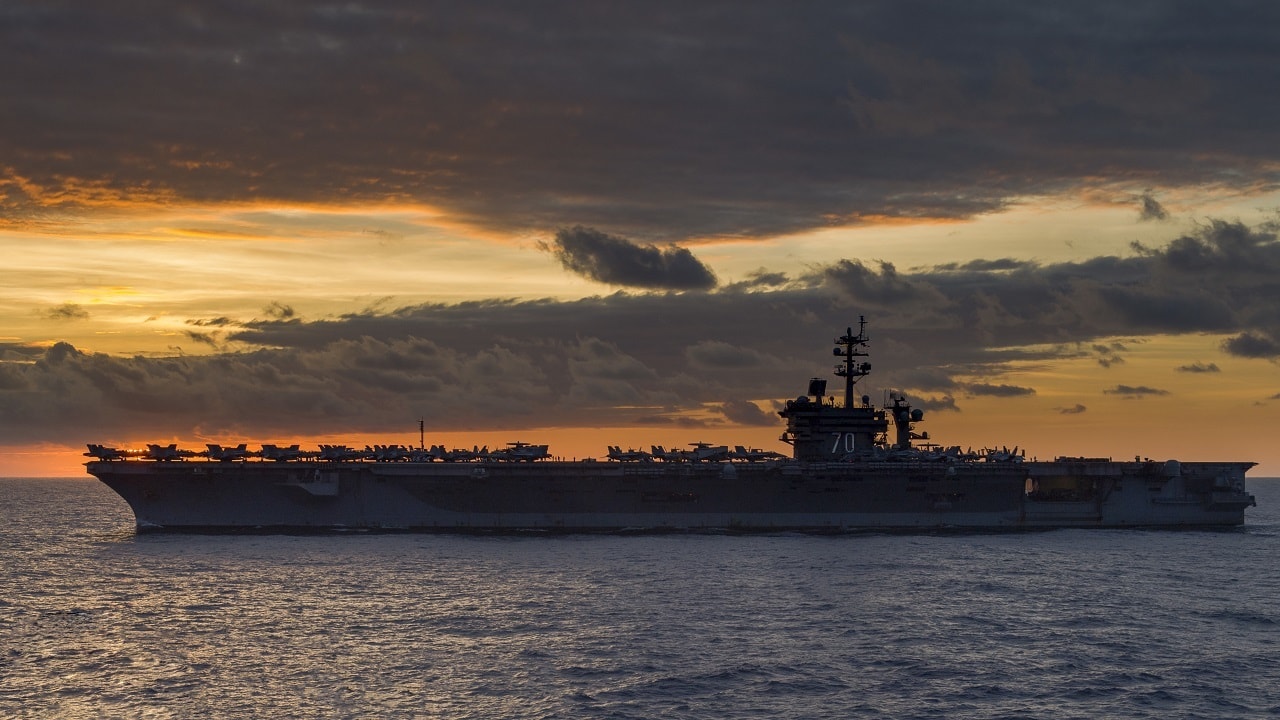
(Feb. 10, 2018) The Nimitz-class aircraft carrier USS Carl Vinson (CVN 70) transits the South Chna Sea. The Carl Vinson Strike Group is currently operating in the Western Pacific as part of a regularly schedule deployment. (U.S. Navy photo by Mass Communication Specialist Third Class Jasen Morenogarcia/Released)
The U.S. shipbuilding and repair infrastructure has struggled in recent years with workforce shortages, supply chain disruptions, and limited capacity.
Skilled labor—particularly welders, electricians, and nuclear specialists—is in high demand but short supply.
At the same time, critical materials and components have experienced delays, especially in the aftermath of the pandemic.
Navy officials have explicitly linked the Stennis delays to these workforce and material shortfalls, which also affected other carriers undergoing overhaul.
Deployment Strain
Another key factor is the strain on the Navy’s overall maintenance system.
Aircraft carriers are maintained on long, carefully planned cycles, but those plans are increasingly disrupted by real-world demands.
When operational carriers are extended at sea or maintenance periods run long, it creates bottlenecks at shipyards.
Dry docks are limited, and only a handful of facilities—most notably Newport News Shipbuilding—are capable of handling nuclear carrier overhauls.
This lack of redundancy means that any delay in one project can ripple through the fleet, creating a domino effect.
Beyond the industrial and technical issues, the Stennis overhaul has also been shaped by lessons learned from past failures—particularly regarding sailors’ quality of life.
During the overhaul of the USS George Washington, poor living conditions for sailors assigned to the shipyard led to serious morale issues and even tragic outcomes.
In response, the Navy has made significant changes for the Stennis, including keeping sailors off the ship during most of the overhaul and investing in better housing and support.
While these changes are necessary, they also add complexity and cost, and can indirectly contribute to longer timelines.
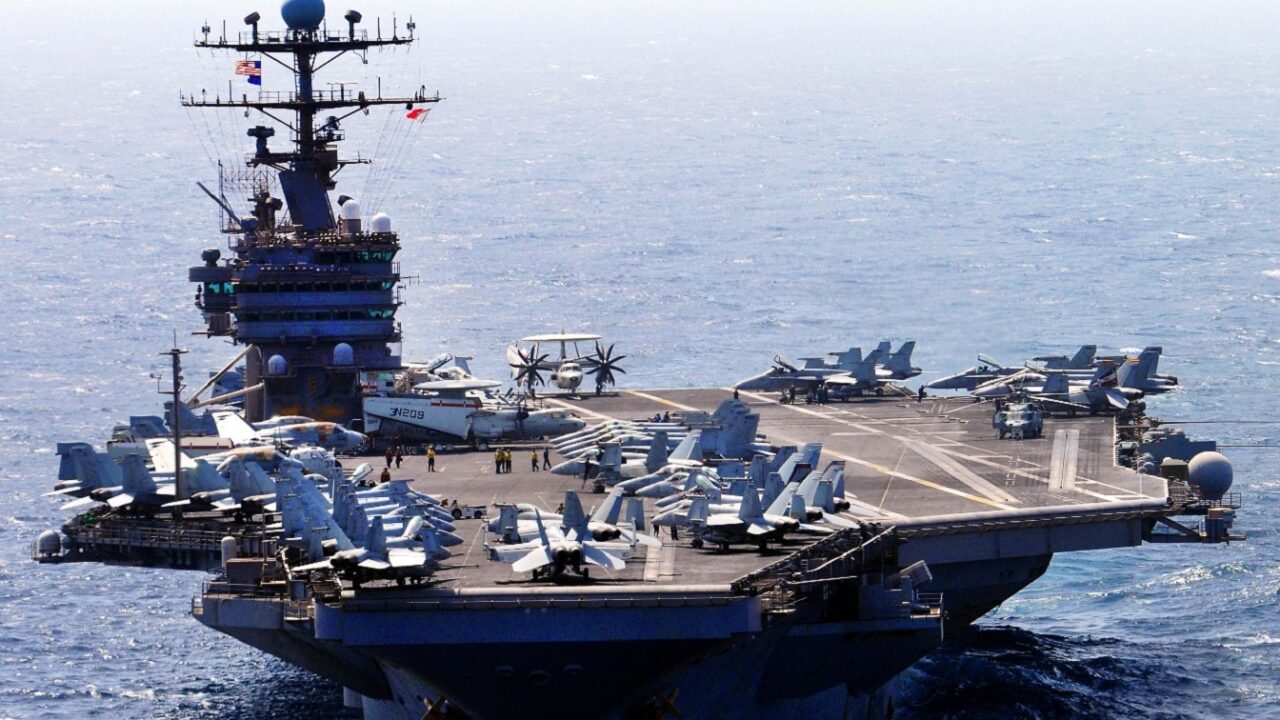
ARABIAN SEA (May 24, 2012) The Nimitz-class aircraft carrier USS Abraham Lincoln (CVN 72) transits the Arabian Sea. Abraham Lincoln is deployed to the U.S. 5th Fleet area of responsibility conducting maritime security operations, theater security cooperation efforts and support missions as part of Operation Enduring Freedom. (U.S. Navy photo by Mass Communication Specialist 3rd Class Amanda L. Kilpatrick/Released)
It is also important to recognize that the Stennis is not simply being repaired—it is being transformed.
The overhaul includes major upgrades to radar systems, sensors, and onboard technology, ensuring the carrier remains viable in a rapidly evolving threat environment.
This modernization is essential, but it also introduces additional layers of testing, integration, and troubleshooting, extending the schedule.
Aging Nimitz-class
In a broader sense, the Stennis delay reflects the aging of the Nimitz-class aircraft carrier fleet itself. These ships were designed for long service lives, but maintaining them into their later decades requires increasingly intensive work.
As systems age, the gap between planned maintenance and actual required repairs widens, increasing the likelihood and severity of delays.
So, how long will the Stennis remain out of service?
Based on current projections, the carrier is expected to return to service in late 2026 after completing its overhaul and subsequent testing.
However, even after leaving the shipyard, it will still require time for sea trials, crew certification, and workup exercises before it can deploy operationally.
In practical terms, this means the ship may not be fully ready for deployment until sometime in 2027.
About the Author: Kris Osborn, Warrior Maven President
Kris Osborn is the President of Warrior Maven – Center for Military Modernization. Osborn previously served at the Pentagon as a highly qualified expert in the Office of the Assistant Secretary of the Army—Acquisition, Logistics & Technology. Osborn has also worked as an anchor and on-air military specialist at national TV networks. He has appeared as a guest military expert on Fox News, MSNBC, The Military Channel, and The History Channel. He also has a Masters Degree in Comparative Literature from Columbia University.