
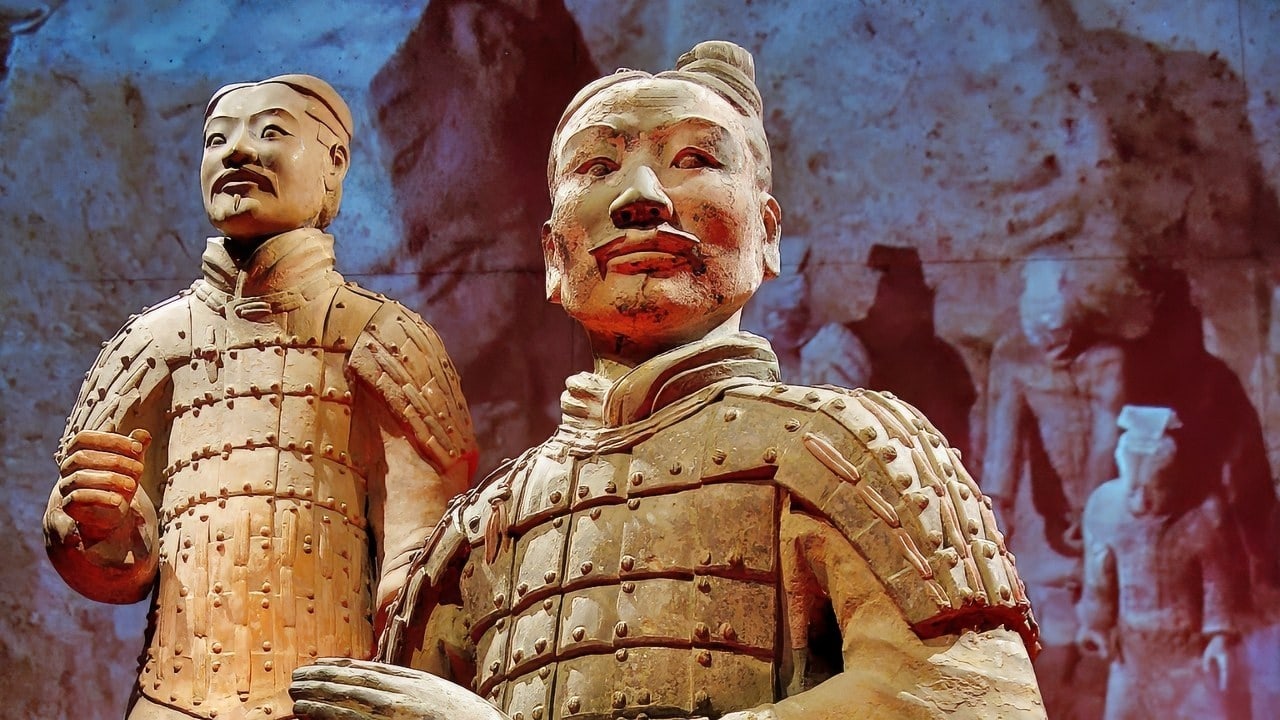
Summary and Key Points: Military Expert Steve Balestrieri explores how Beijing is weaponizing the ancient wisdom of Sun Tzu‘s The Art of War to systematically dismantle American dominance.
-By leveraging cognitive warfare, supply chain manipulation, and psychological tactics, China is executing a “winning without fighting” strategy.
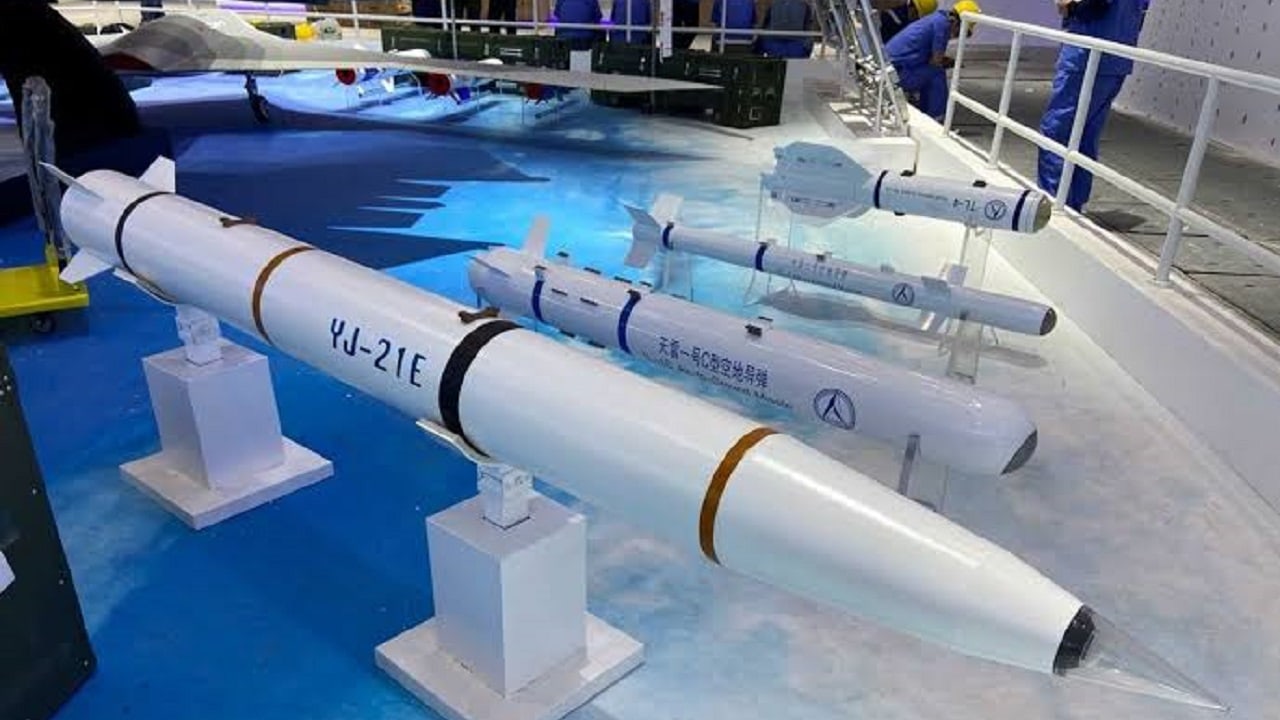
YJ-21. Image Credit: Chinese Internet.
-Rather than confronting the U.S. military head-on, Beijing is aggressively exploiting political divides and economic dependencies to subdue its greatest rival from the inside out.
Quote of the Day: “Know Your Enemy” – Sun Tzu, China Is Now Using It Against The US
This Sun Tzu quote from The Art of War highlights that China can exploit U.S. political, economic, and technical vulnerabilities to win without direct conflict.
China follows the principles of “Know your enemy, know yourself, and you need not fear the outcome of a hundred battles.” Beijing studies America’s strengths — and its weaknesses.
Beijing uses cognitive warfare, supply chain dominance, and artificial intelligence to disrupt American superiority, aiming to divide the U.S. internally while advancing its own global interests through unconventional means.
The Chinese use cognitive warfare through social media, propaganda, and cyber capabilities to undermine trust in American institutions and shape perceptions, not only in the US but in other countries as well.
Sun Tzu, who lived in the 6th–5th century BC, was an ancient Chinese military general, strategist, and philosopher, best known as the traditional author of The Art of War, a foundational study on strategy. He is one of the most studied and influential strategists in military history.
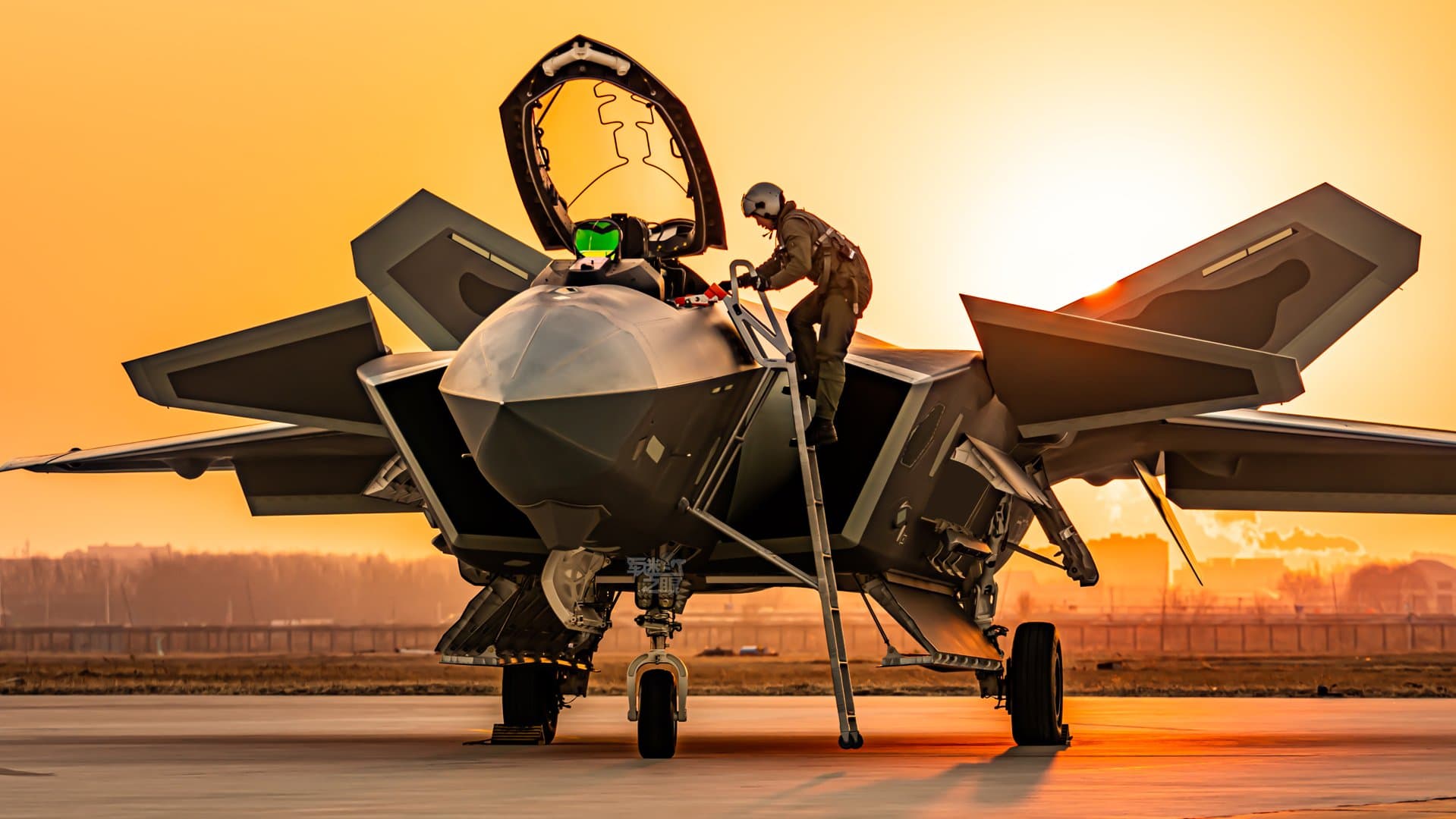
J-20 Fighter. Image Credit: Chinese Internet.
The Art Of War Is Must-Reading For Military Scholars, Officers:
Sun Tzu believed that “all warfare is based on deception.” In The Art of War, this deception serves as a comprehensive strategy for shaping perception, managing uncertainty, and guiding decision-making.
The Art of War, Sun Tzu’s 13-chapter work, is considered one of the world’s oldest and most influential military essays on the study of war. It argues that the highest form of generalship is to “break the enemy’s resistance without fighting”.
While some scholars debate whether he existed as a single individual, he is traditionally credited as a general serving the State of Wu. His teachings have influenced both Eastern and Western military thinking for over two thousand years.
What Was Meant By The Quote:
China uses economic subversion as a tactic. China treats economics as a core function of modern warfare, focusing on controlling critical supply chains to create dependencies and weaken America’s strategic independence.
They have used predatory lending practices through the “Belt and Road” initiative to gain control of ports and rails in several of the world’s chokepoints.
Asymmetrically, the Chinese follow Sun Tzu’s principle that “All warfare is based on deception.” China employs asymmetric tactics to irritate and weaken the US, which it sees as the primary impediment to its regional territorial ambitions.
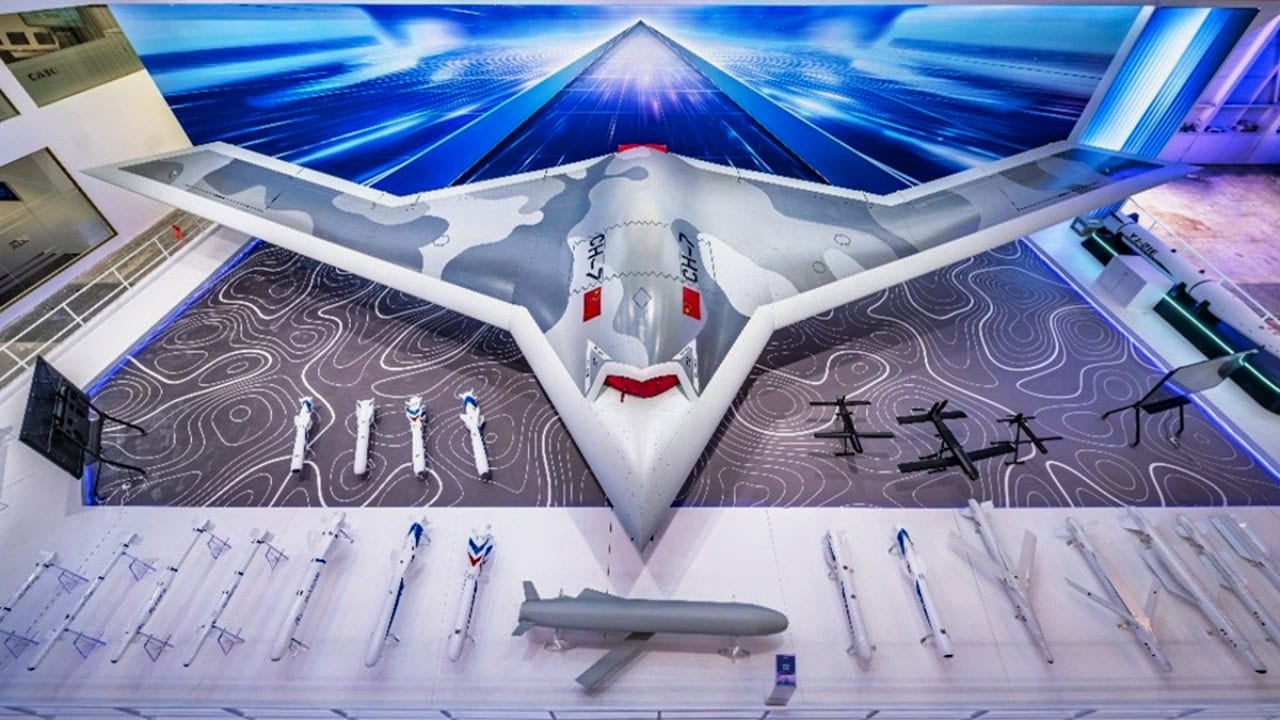
CH-7 Drone from China. From Chinese State Media.
They have already been successful at Sun Tzu’s principle of “Dividing the Enemy.” Chinese strategy seeks to exploit political fissures within the US, creating internal disarray within the political and industrial sectors to ensure American instability.
“They pointed to trade war-induced job losses, rising consumer prices, and alienation of allies, painting the U.S. as a self-sabotaging power. This form of psychological warfare was subtle yet effective causing confusion, fear, and hesitation in America’s policymaking circles.
“It was Sun Tzu’s strategy of winning battles without ever marching to the frontlines.”
Winning Without Fighting:
Sun Tzu’s core philosophy in The Art of War is that “supreme excellence consists in breaking the enemy’s resistance without fighting”.
It emphasizes winning through strategy, alliances, disruption of enemy plans, and psychological superiority rather than brute force. Subduing an opponent without battle conserves resources and maximizes victory.
The highest form of warfare is to disrupt the enemy’s plans and alliances, making battle unnecessary. Subdue the enemy before they are fully prepared or able to form ranks.
The use of Psychological Warfare. He emphasizes the need to employ intimidation or strategic positioning to compel the opponent to surrender.
The Sheathed Sword Principle:
Know the enemy and oneself to avoid the fear of defeat in any situation.
This approach, sometimes referred to as the “sheathed sword,” argues that conquering 100 times in 100 battles is not the pinnacle of skill; rather, winning without a single engagement is.
Sun Tzu explicitly stated, “There is no instance of a country having benefited from prolonged warfare”. He believed that while “haste may be stupid,” it is still superior to “clever” but slow, drawn-out operations that cause financial ruin.
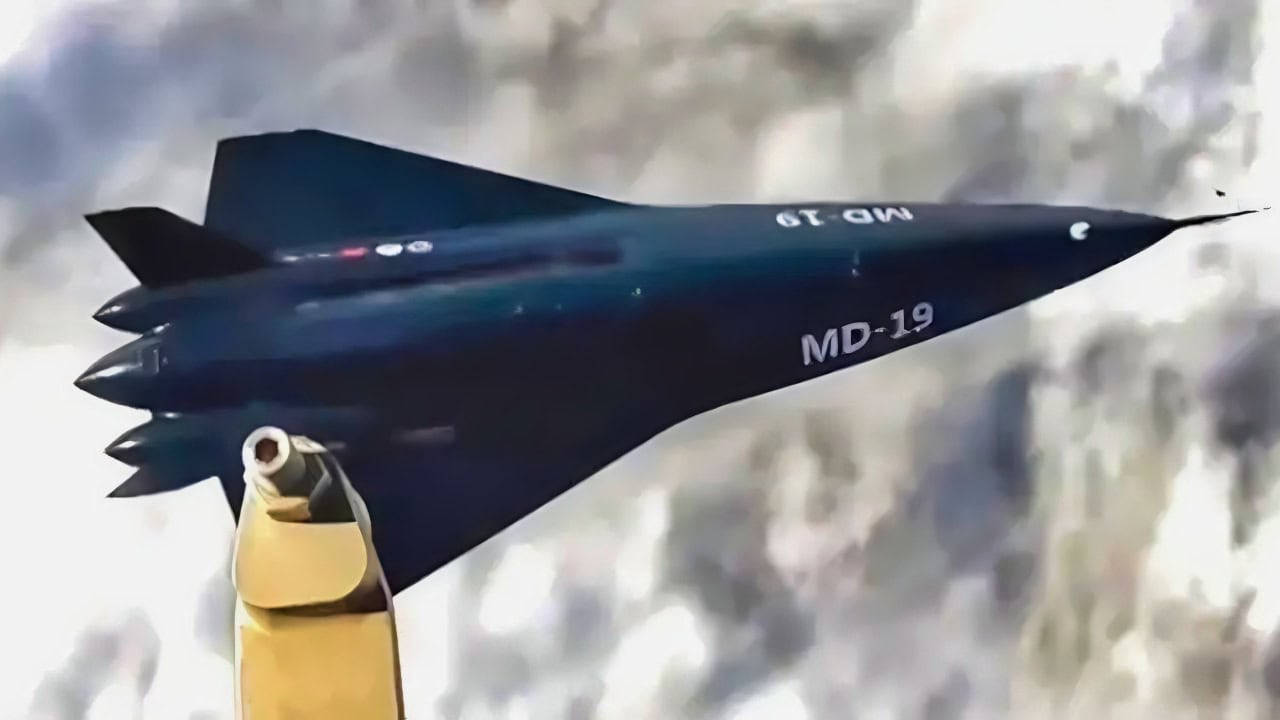
MD-19 Drone from China. Image Credit: Creative Commons.
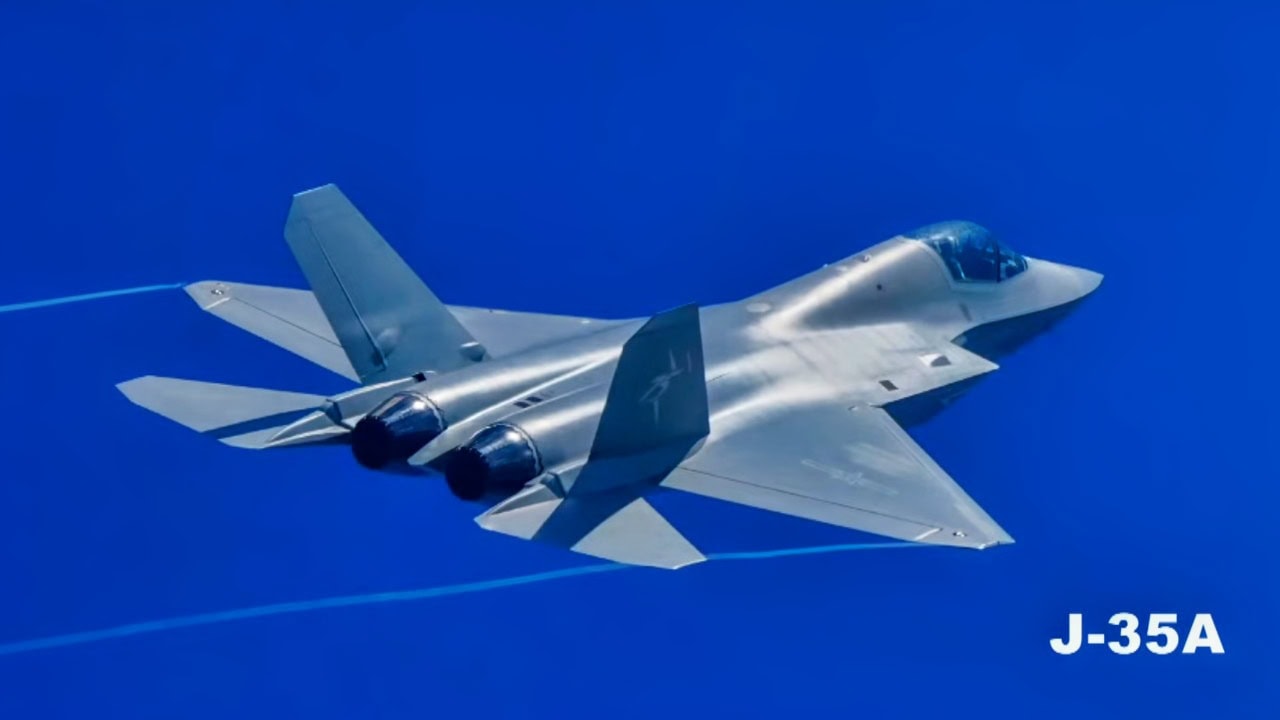
J-35 flying at Zhuhai Airshow 2024.
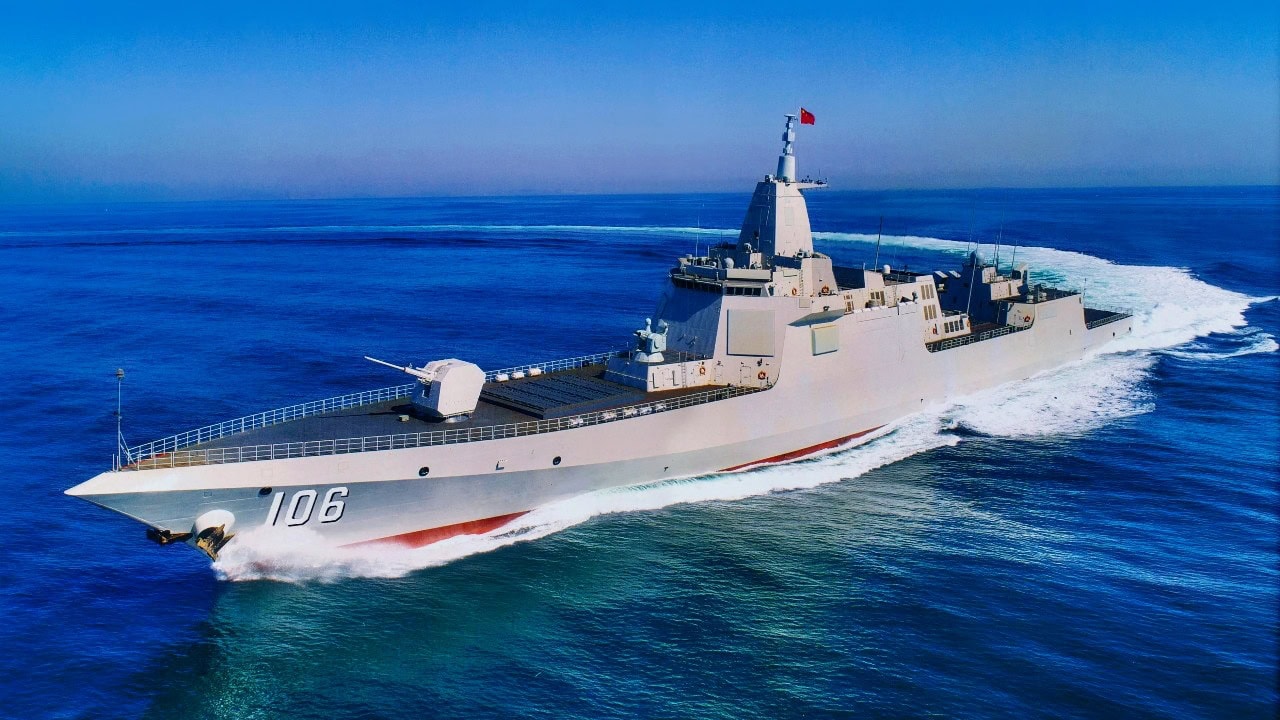
Type 055 Destroyer from China. Chinese Navy Handout/State Media.
A long war drains the treasury, causes raised taxes, and wears out equipment (chariots, weapons, armor).
When a campaign is drawn out, the soldiers’ weapons grow dull, and their ardor is damped. If a war lasts too long (as in Russia’s invasion of Ukraine), the ruler’s strength is exhausted, leading to internal weakness and vulnerability.
Sun Tzu’s strategy “like water” emphasizes ultimate adaptability, urging leaders to avoid strength and strike weakness, constantly shifting tactics to suit changing circumstances.
Adaptability, according to Sun Tzu, is one of the most important aspects of leadership. Military tactics have no fixed form or set of conditions; they evolve in response to the enemy.
He believed that situational awareness was a significant factor in ultimate victory. Victory, he famously stated, was that knowing both oneself and the enemy ensures safety in battle. This involves understanding environmental, internal, and external factors to choose the right battles, adapt to change, and exploit opportunities within chaos.
America’s greatest strength has always been the ability to adapt and innovate. China is seeking to undermine that at every turn while weakening the power of the American dollar. It is winning without fighting.
About the Author: Steve Balestrieri
Steve Balestrieri is a National Security Columnist. He served as a US Army Special Forces NCO and Warrant Officer. In addition to writing on defense, he covers the NFL for PatsFans.com and is a member of the Pro Football Writers of America (PFWA). His work was regularly featured in many military publications