
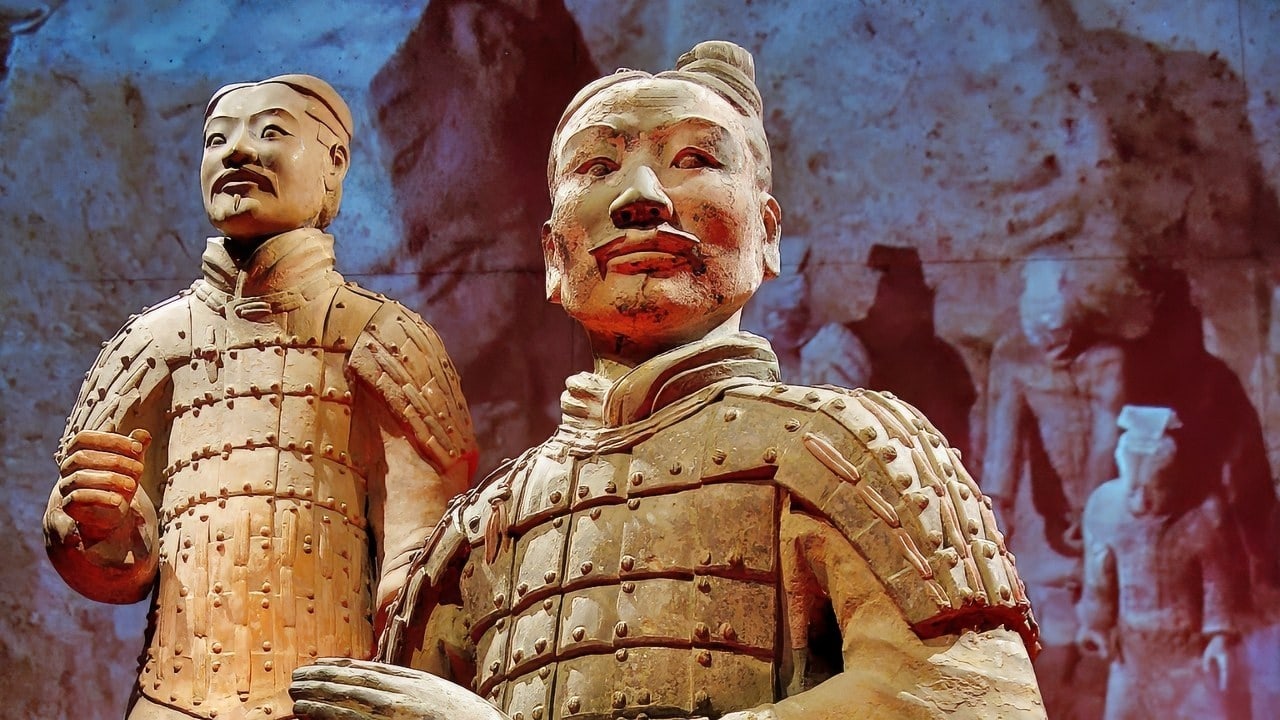
Military Quote Of The Day: Sun Tzu On Why Great Soldiers Fight On Their Own Terms
“One Mark Of a Great Soldier Is That He Fights On His Own Terms Or Fights Not At All.” – Sun Tzu
This Sun Tzu quote from The Art of War highlights that elite, strategic soldiers dictate the time, place, and conditions of battle, thereby securing an advantage or avoiding engagement altogether if they deem it unnecessary.
Sun Tzu, who lived in the 6th–5th century BC, was an ancient Chinese military general, strategist, and philosopher, best known as the traditional author of The Art of War, a foundational study on strategy. He is regarded as a legendary figure who is one of the most studied strategists in military history.
The Art Of War Is Must Reading For Military Scholars, Officers:
Sun Tzu believed that “all warfare is based on deception,” and in The Art of War, this deception serves as a comprehensive strategy for shaping perception, managing uncertainty, and guiding decision-making.
The Art of War, Sun Tzu’s 13-chapter work, is considered one of the world’s oldest and most influential military essays on the study of war. It argues that the highest form of generalship is to “break the enemy’s resistance without fighting”.
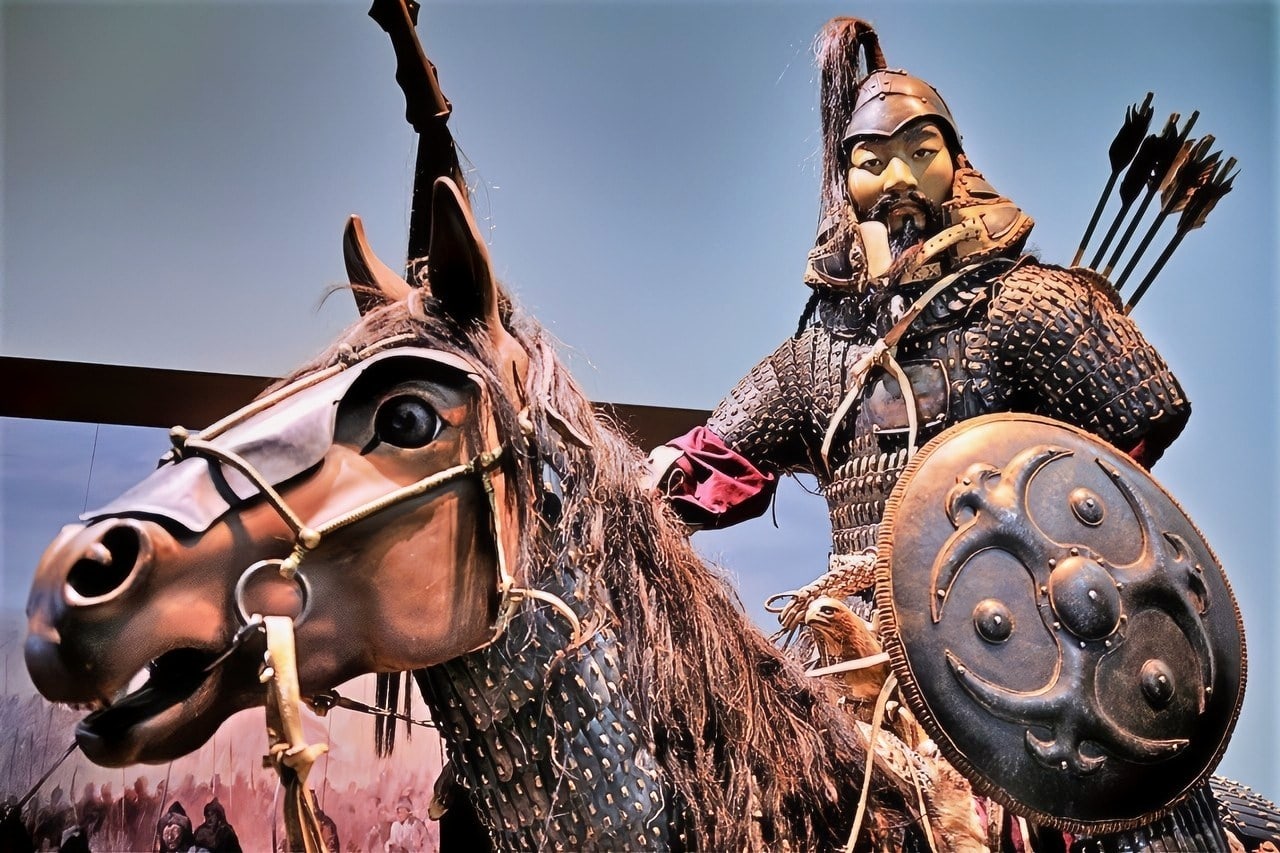
Genghis Khan Image Credit: Creative Commons.
While some scholars debate whether he existed as a single individual, he is traditionally credited as a general serving the State of Wu. His teachings have influenced both Eastern and Western military thinking for over two thousand years.
What Was Meant By The Quote
By controlling what the enemy sees and believes, a commander shapes the battlefield before the armies ever meet.
His quote, which ties into deception, is that “Thus it is that in war, the victorious strategist only seeks battle after the victory has been won, whereas he, who is destined to defeat, first fights and afterwards looks for victory.
Some of the implications of the quote include:
A general must control the battlefield. A great leader forces the enemy to adapt to their terms, often by manipulating the enemy into unfavorable positions.
The quote suggests that refusing to fight—or waiting for a better opportunity—is a sign of wisdom, not cowardice, and that it prevents the waste of resources on risky, impulsive battles. It is considered “strategic patience.”
“Fighting the Enemy Where They Aren’t” means targeting an enemy’s weakest points (such as supply lines or unprotected areas) rather than engaging in a direct, prepared confrontation.
Winning Without Fighting
Sun Tzu’s core philosophy in The Art of War is that “supreme excellence consists in breaking the enemy’s resistance without fighting”.
It emphasizes winning through strategy, alliances, disruption of enemy plans, and psychological superiority rather than brute force. Subduing an opponent without battle conserves resources and maximizes victory.
The highest form of warfare is to disrupt the enemy’s plans and alliances, making battle unnecessary. Subdue the enemy before they are fully prepared or able to form ranks.
The use of Psychological Warfare. He emphasizes the need to employ intimidation or strategic positioning to compel the opponent to surrender.
The Sheathed Sword Principle
Know the enemy and oneself to avoid the fear of defeat in any situation.
This approach, sometimes referred to as the “sheathed sword,” argues that conquering 100 times in 100 battles is not the pinnacle of skill; rather, winning without a single engagement is.
Sun Tzu explicitly stated, “There is no instance of a country having benefited from prolonged warfare”. He believed that while “haste may be stupid,” it is still superior to “clever” but slow, drawn-out operations that cause financial ruin.
A long war drains the treasury, causes raised taxes, and wears out equipment (chariots, weapons, armor).
When a campaign is drawn out, the soldiers’ weapons grow dull, and their ardor is damped. If a war lasts too long (as in Russia’s invasion of Ukraine), the ruler’s strength is exhausted, leading to internal weakness and vulnerability.
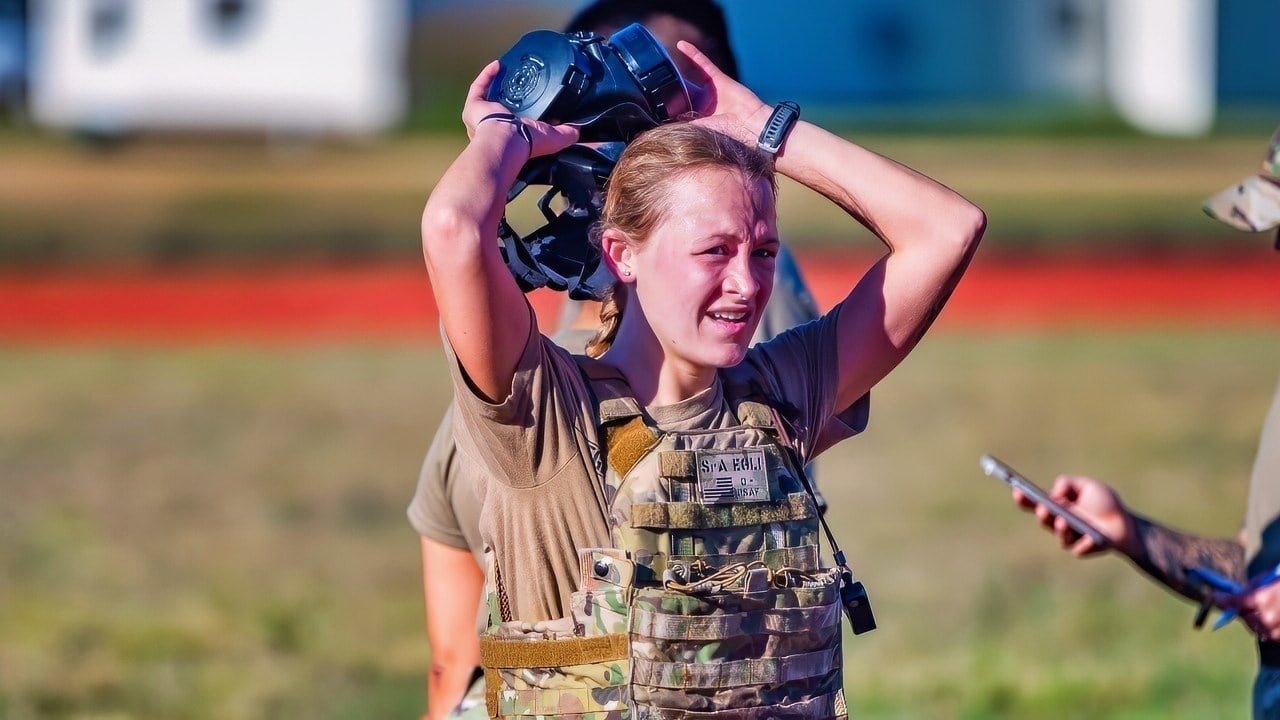
Senior Airman Paige Egli, 90th Security Forces Squadron installation entry controller, takes off her gas mask after running 400 meters during the Crow Creek Challenge at F.E. Warren Air Force Base, Wyoming, Oct. 3, 2025. The Crow Creek Challenge is an annual endurance event where participants ruck across the installation, tackling physical and mental stations designed to boost resilience, teamwork, and operational readiness. (U.S. Air Force photo by Airman Nicholas Rowe)
Sun Tzu’s strategy “like water” emphasizes ultimate adaptability, urging leaders to avoid strength and strike weakness, constantly shifting tactics to suit changing circumstances.
Adaptability, according to Sun Tzu, is one of the most important aspects of leadership. Military tactics have no fixed form or set of conditions; they evolve in response to the enemy.
Good commanders should follow the path of least resistance. Like water flowing downhill, tactics should focus on hitting the enemy’s weakest points rather than attacking their strengths.
He believed that situational awareness was a significant factor in ultimate victory. Victory, he famously stated, was that knowing both oneself and the enemy ensures safety in battle. This involves understanding environmental, internal, and external factors to choose the right battles, adapt to change, and exploit opportunities within chaos.
The ideal strategist is “heaven-born,” capable of modifying plans in real-time
About the Author: Steve Balestrieri
Steve Balestrieri is a National Security Columnist. He served as a US Army Special Forces NCO and Warrant Officer. In addition to writing on defense, he covers the NFL for PatsFans.com and is a member of the Pro Football Writers of America (PFWA). His work was regularly featured in many military publications.