
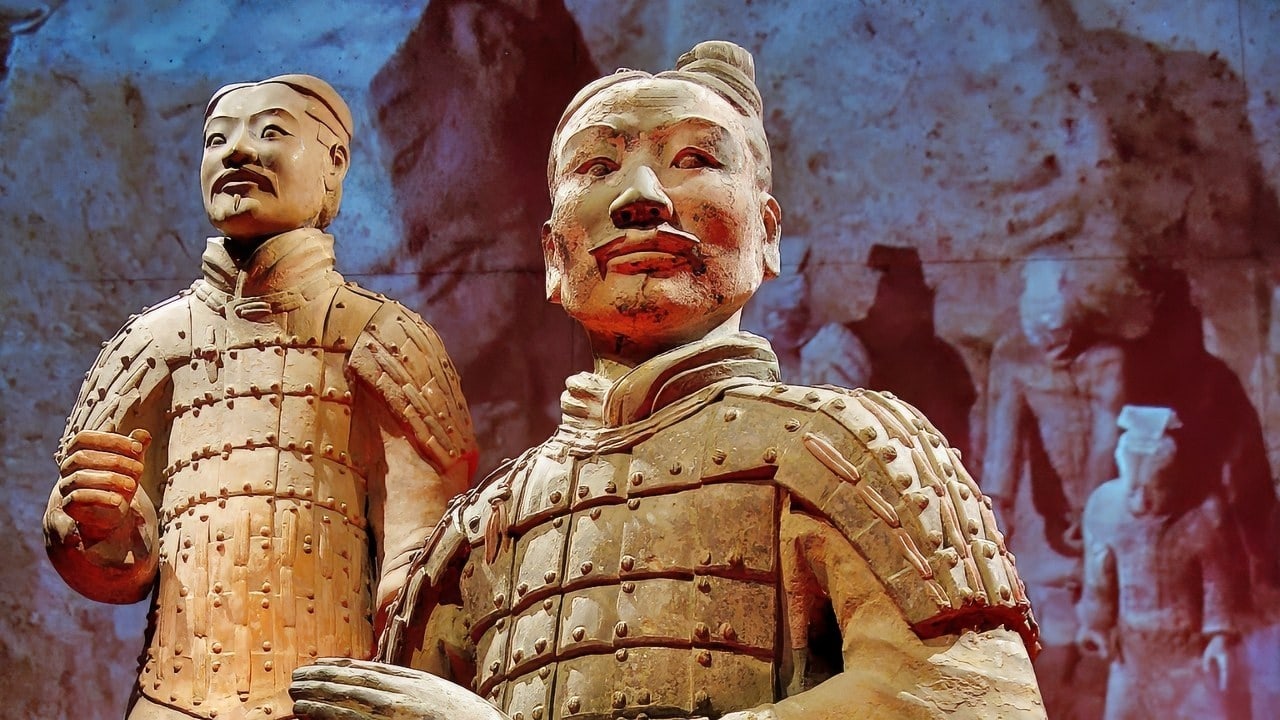
Synopsis: This piece explores the enduring mystique of Sun Tzu and the uncertain origins of The Art of War. While tradition casts “Master Sun” as Sun Wu, adviser to King Helu of Wu and victor at Boju in 506 BC, the historical record is murkier.
-Later scholars questioned whether Sun Tzu existed at all, noting that major accounts from the era omit him and that parts of The Art of War reference concepts and technologies that likely postdate his lifetime.
-Bamboo-slip manuscripts sealed around 134 BC support a later composition window, suggesting compilation or multiple authors.
-Regardless, the book’s strategic influence—from China and Japan to Western militaries—remains immense.
Beyond the Quote – Sun Tzu’s Art of War Has a Message for Leaders Right Now
“A leader leads by example, not by force,” wrote Sun Tzu in The Art of War.
Everyone is familiar with The Art of War, and most can probably quote a passage or two from it, but few know the man behind it.
Sun Tzu was a military strategist and philosopher who lived during the Eastern Zhou period in China (which lasted from 771 to 256 BC). He is most widely remembered for The Art of War, a short book on military strategy.
According to accounts, Sun Tzu served as a minister to King Helu of Wu, where he advised the king on military strategy and philosophy.
Who Was Sun Tzu?
Sun Tzu is a complex figure to pin down historically, as it is hard to distinguish the mythology from the facts.
In fact, Sun Tzu was not even his real name; it was an honorific that meant “Master Sun.” His birth name was said to be Sun Wu. Most historians date his lifetime to around 544 BC to 496 BC, but these dates are also up for debate.
The earliest account we have of the legendary strategist comes from the historian Sima Qian in his Shiji (Records of the Grand Historian). According to this account, Sun Tzu was born in the state of Qi, though the details of his early life are almost entirely unknown.
At some point, Sun Tzu was said to have written The Art of War.
According to legend, a manuscript ended up in the court of King Helu, who was so impressed that he summoned Sun Tzu to the state of Wu to test his principles.
King Helu challenged Sun Tzu to turn his harem of 180 concubines into soldiers.
Sun Tzu is said to have divided them into two companies and placed the king’s favorite concubines as the company commanders.
After the two resisted his orders, Sun Tzu had the commanders executed, which immediately restored discipline and obedience among the rest of the soldiers.
Thereafter, King Helu appointed Sun Tzu as a general, and he is said to have led the state of Wu to victory against the state of Chu at the Battle of Boju in 506 BC.
Did Sun Tzu Ever Exist?
Around the 12th century AD, Chinese scholars began to doubt the historical existence of Sun Tzu.
Many historical accounts from the time when Sun Tzu supposedly lived never mentioned him at all.
Furthermore, other histories of the Battle of Boju, which were written earlier than Sima Qian’s account and provided more details on the battle, also made no mention of the famed strategist. Even Sun Tzu’s birth name, Sun Wu, made no appearance in any historical account outside of
Records of the Grand Historian suggest that Sun Tzu was either a purely mythological figure or his name was mixed up with someone else’s. However, this will likely be debated for many years to come.
Upon further study, it was revealed that some of the earliest portions of The Art of War most likely weren’t even written by Sun Tzu during his lifetime.
These manuscripts were likely written at least a century after Sun Tzu’s time, as they reference terms, technology, ideas, events, and other military techniques that simply did not exist during Sun Wu’s lifetime.
These revelations created a lot of confusion as to when The Art of War was actually written.
The current consensus is that it was written sometime around 260–100 BC. This estimate is supported by unearthed manuscripts of The Art of War on bamboo slips, which were sealed around 134 BC.
No Sun Tzu?
Much about Sun Tzu’s life is still unknown, and it is unclear whether he is actually the one responsible for writing The Art of War.
Some historians speculate that Sun Tzu wrote parts of The Art of War while his descendants contributed to other sections, which were later compiled into a single book.
This would explain the discrepancies in earlier chapters.
A Leader Leads by Example
While the historical facts of Sun Tzu’s life may be up for debate, the influence of The Art of War is indisputable.
It is hailed as a masterpiece on strategy by many and has inspired numerous historical figures in the East and the West.
The text was popular in China as far back as 100 BC and has been studied there for over a thousand years.
In 760 AD, The Art of War was introduced to Japan, where it became immensely popular among Japanese generals, most notably General Togo Heihachiro in the 20th century, who led the Japanese to victory against the Russians during the Russo-Japanese War.

Image of Japanese Empire.
The Art of War was first introduced to the West in 1772 AD by the French Jesuit priest Jean Joseph Marie Amiot.
Its first partial English translation was made in 1905 in England by Everard Ferguson Calthrop, but a complete annotated English translation was not available until 1910 by Lionel Giles. After the book’s introduction into the West, it became a popular field of study in military circles.
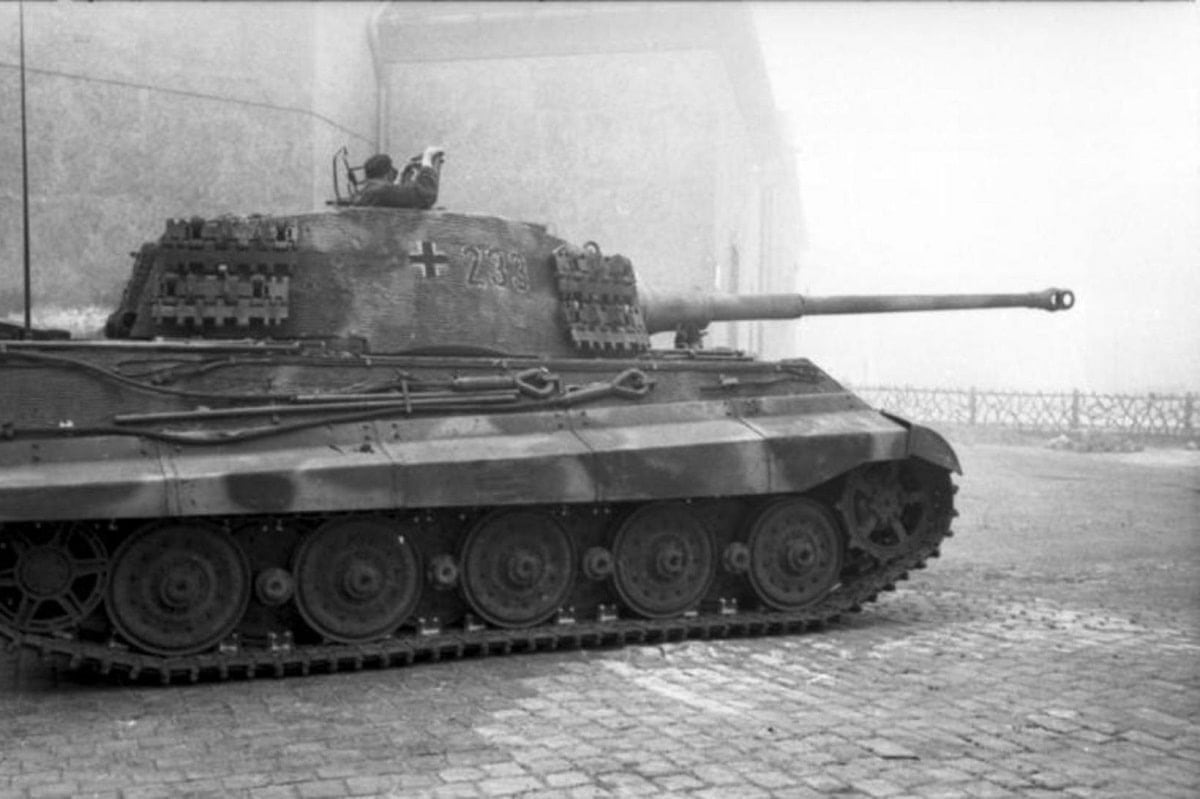
WWII tanks. Image: Creative Commons.
American General Douglas MacArthur cited the Art of War as one of his greatest inspirations. It was also inspirational to Mao Zedong, who credited the book for his victory over Chiang Kai-shek. It is no exaggeration to say that The Art of War is one of the most influential books in all of history.
About the Author: Isaac Seitz
Isaac Seitz, a Defense Columnist, graduated from Patrick Henry College’s Strategic Intelligence and National Security program. He has also studied Russian at Middlebury Language Schools and has worked as an intelligence Analyst in the private sector.