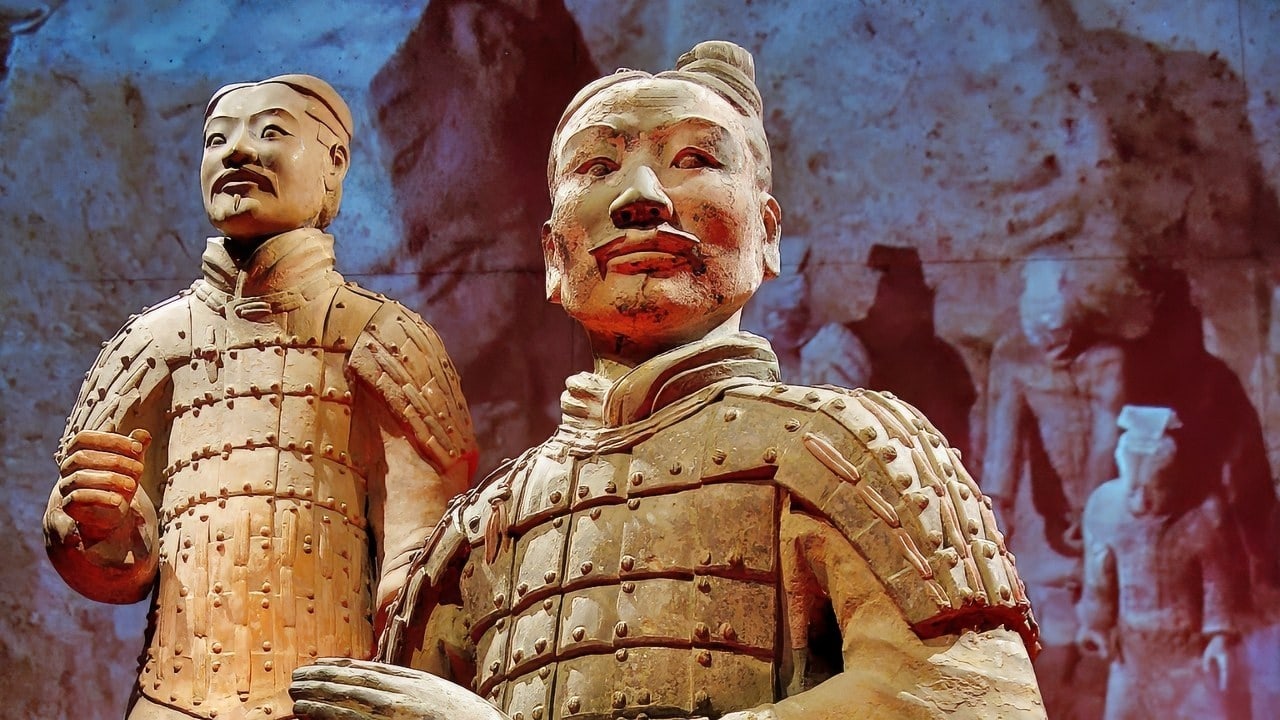
Summary and Key Points: Drawing on his background in Strategic Intelligence and National Security, defense columnist Isaac Seitz analyzes the enduring global dominance of Sun Tzu’s The Art of War.
-From its formalization in 1080 AD by Emperor Shenzong to its influence on Mao Zedong and Admiral Tōgō, Sun Tzu’s focus on deception and intelligence has shaped history.
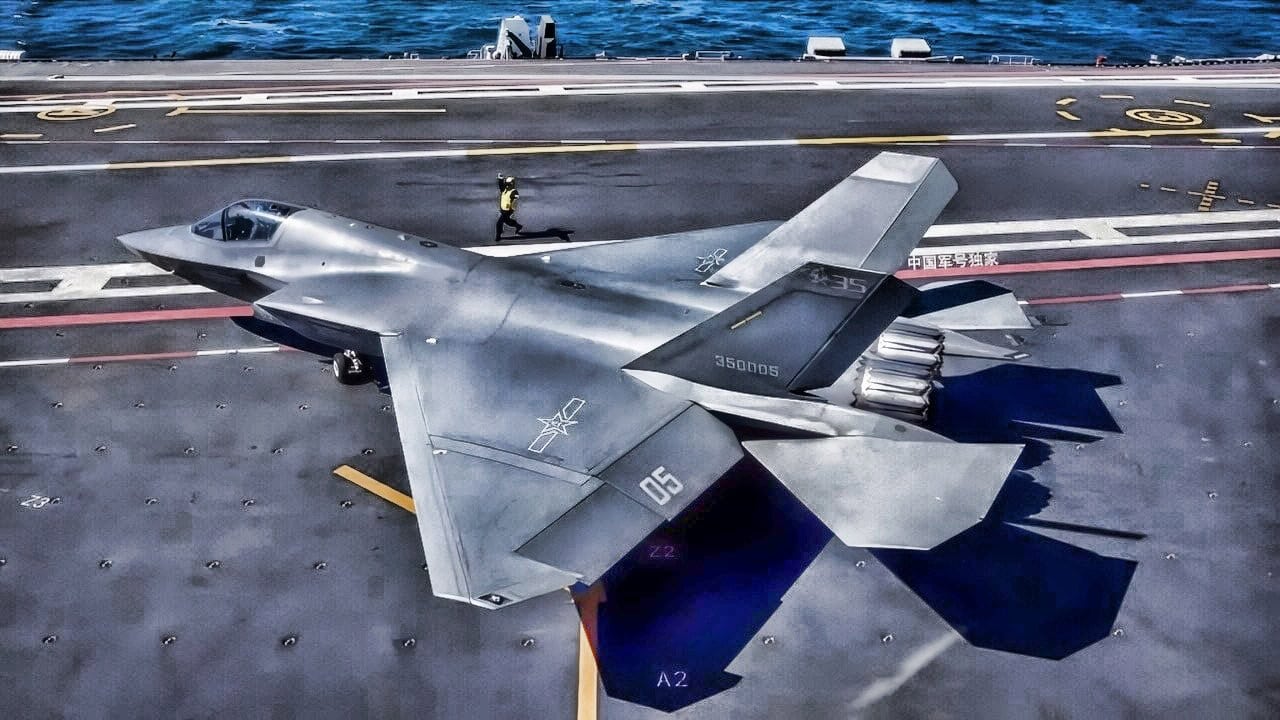
China J-35 Naval Stealth Fighter. Image Credit: PLAN.
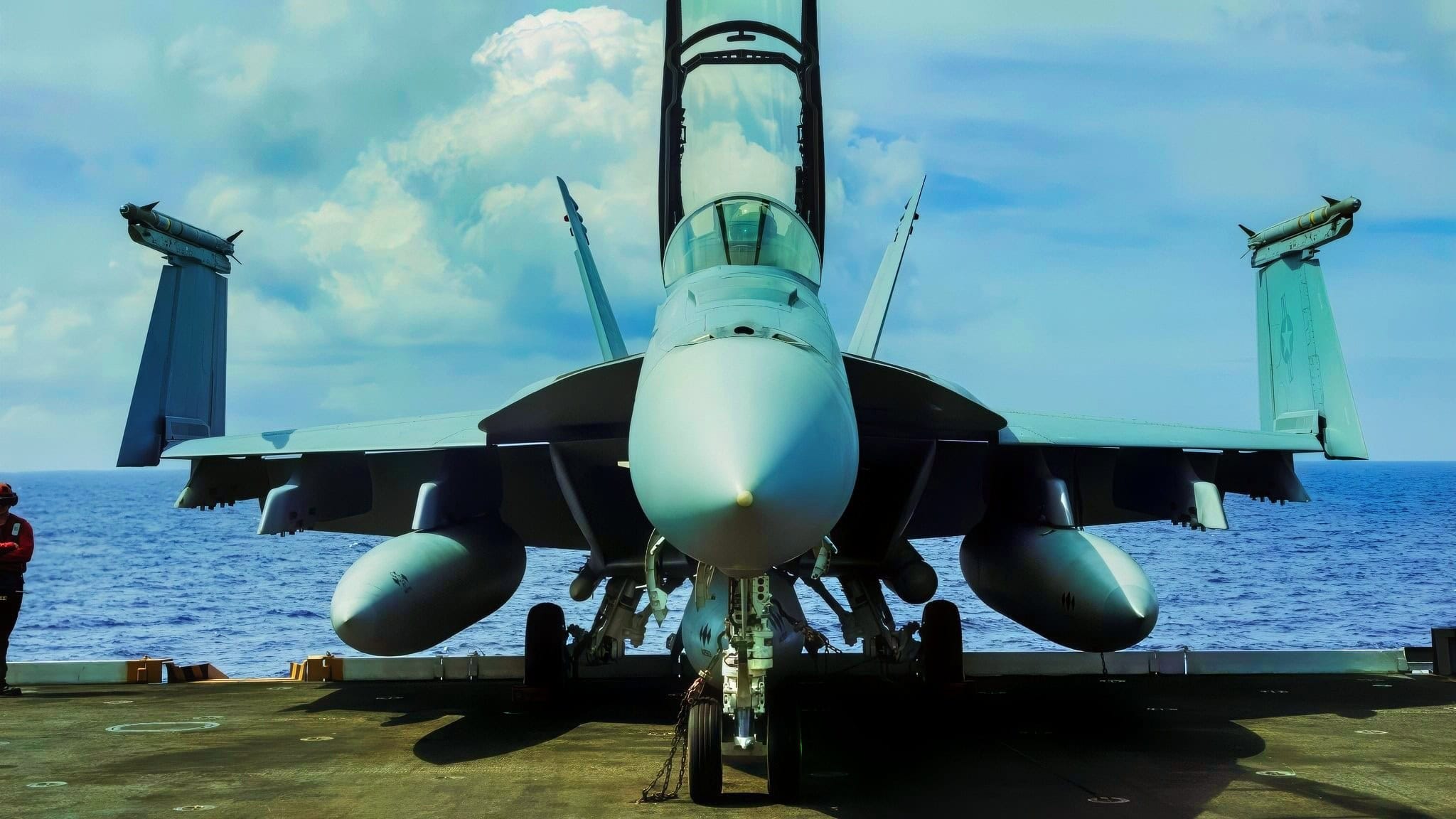
Capt. Tim Waits, commanding officer of Nimitz-class aircraft carrier USS George Washington (CVN 73), climbs into an F/A-18F Super Hornet, attached to Strike Fighter Squadron (VFA) 102, while underway in the South China Sea, Nov. 24, 2025. George Washington is the U.S. Navy’s premier forward-deployed aircraft carrier, a long-standing symbol of the United States’ commitment to maintaining a free and open Indo-Pacific region, while operating alongside allies and partners across the U.S. Navy’s largest numbered fleet. (U.S. Navy photo by Mass Communication Specialist 2nd Class Geoffrey L. Ottinger)
-Seitz explores how this “indirect approach” now serves as the foundation for NATO and US Army War College curricula, providing a framework for modern deterrence theory and psychological operations in an era of information warfare.
The Formless Strategist in 1 Quote: Why Sun Tzu’s Art of War Dominates Military Doctrine
“Wheels of destiny are turned by the ability to remain formless and inaudible.” – Sun Tzu
Sun Tzu was a military strategist, philosopher, and tactician who lived during the Spring and Autumn Period in ancient China.
While historical information about Sun Tzu himself is sparse, his text, The Art of War, has persisted and become one of the most influential texts on military strategy in history.
The text was studied with almost religious fervor in the East and spread to the West in the eighteenth century. Since then, Sun Tzu’s Art of War has been the centerpiece of studies by military academies around the world.
Why Sun Tzu is So Influential
At the heart of Sun Tzu’s philosophy is the idea that the highest form of warfare is to achieve victory without fighting.
For him, the essence of strategy lies in shaping the conditions of conflict so effectively that the enemy’s resistance collapses before battle becomes necessary.
This approach reflects a profound understanding of human behavior, decision-making, and perception. It also resonates strongly with modern leaders who recognize that political, psychological, and informational dimensions often outweigh sheer force on the battlefield. Sun Tzu argued that battles should be fought only when unavoidable and that when force is necessary, it must be applied decisively, swiftly, and intelligently.
Sun Tzu also stressed the value of intelligence, arguing that knowledge of the enemy and of oneself is the key to consistent victory. In an era dominated by satellites, drones, signals intelligence, and cyber capabilities, this principle has taken on new levels of relevance.

The F-15EX isn’t stealth, but it brings speed and massive payload—built for homeland defense, standoff strikes, and teaming with F-35s and drones.
The reliance on information, deception, and perception management is evident in modern doctrines of psychological operations, electronic warfare, and strategic communication.
The Art of War in the East
The Art of War has been referenced in modern thought multiple times. Sun Tzu’s ideas first spread to Japan in 760 AD and really gained traction during the Sengoku Period (1400-1500). The book remained popular in Japan for hundreds of years afterwards and remained a central point of study in the Japanese military.
During the Russo-Japanese War, Admiral Tōgō Heihachirō was an avid reader of Sun Tzu and lead his forces to victory of the Russian Navy in 1904. On the geopolitical level, the Japanese victory over Russia was surprising to the West, as Japan, still an up-and-coming power, had defeated a major Western power.
In China, Sun Tzu has been a major point of national pride for hundreds of years. In 1080, The Art of War was formalized into the Seven Military Classics by Emperor Shenzong of Song and it has been thoroughly studied in China ever since.
In modern times, Sun Tzu was widely studied by Mao Zedong, who drew on his teachings to inform his strategies of irregular warfare. Sun Tzu;s guidance on mobility, deception, and the advantages of avoiding direct confrontation became foundational principles for many insurgent movements.
After securing victory over Shang Kai-shek, Mao credited The Art of War for his victory, and the work influenced Mao’s writings in his Little Red Book. Ho Chi Minh was also influenced by Sun Tzu and used his teachings to influence his strategy against the U.S. during the Vietnam War.
Sun Tzu Spreads to the West
Although The Art of War originated in China, Sun Tzu’s ideas gradually permeated Western military thought, especially from the eighteenth century onward. Early European strategists, many of whom were steeped in the works of Clausewitz and Jomini, discovered in Sun Tzu a distinctly different but complementary perspective on war. While Clausewitz famously described war as the continuation of politics by other means and emphasized the role of friction and the fog of war, Sun Tzu offered a more psychological and indirect approach. His influence spread slowly at first but accelerated dramatically in the twentieth century.
During World War II, several military leaders on both sides of the conflict studied Sun Tzu’s writings. In the Pacific theater, American commanders such as Douglas MacArthur and Chester Nimitz applied principles closely aligned with Sun Tzu’s teachings.
The island-hopping strategy, which avoided heavily fortified Japanese strongholds and instead targeted weaker, strategically valuable positions, mirrors Sun Tzu’s directive to attack the enemy’s vulnerabilities rather than their strengths. The extensive deception operations leading up to major offensives, along with the emphasis on intelligence and terrain, further demonstrate this influence.
The Art of War in the Modern Age
The Cold War era further cemented Sun Tzu’s status in modern strategic thinking. The nuclear age required a form of strategy in which the objective was not to wage war but to prevent it through deterrence.
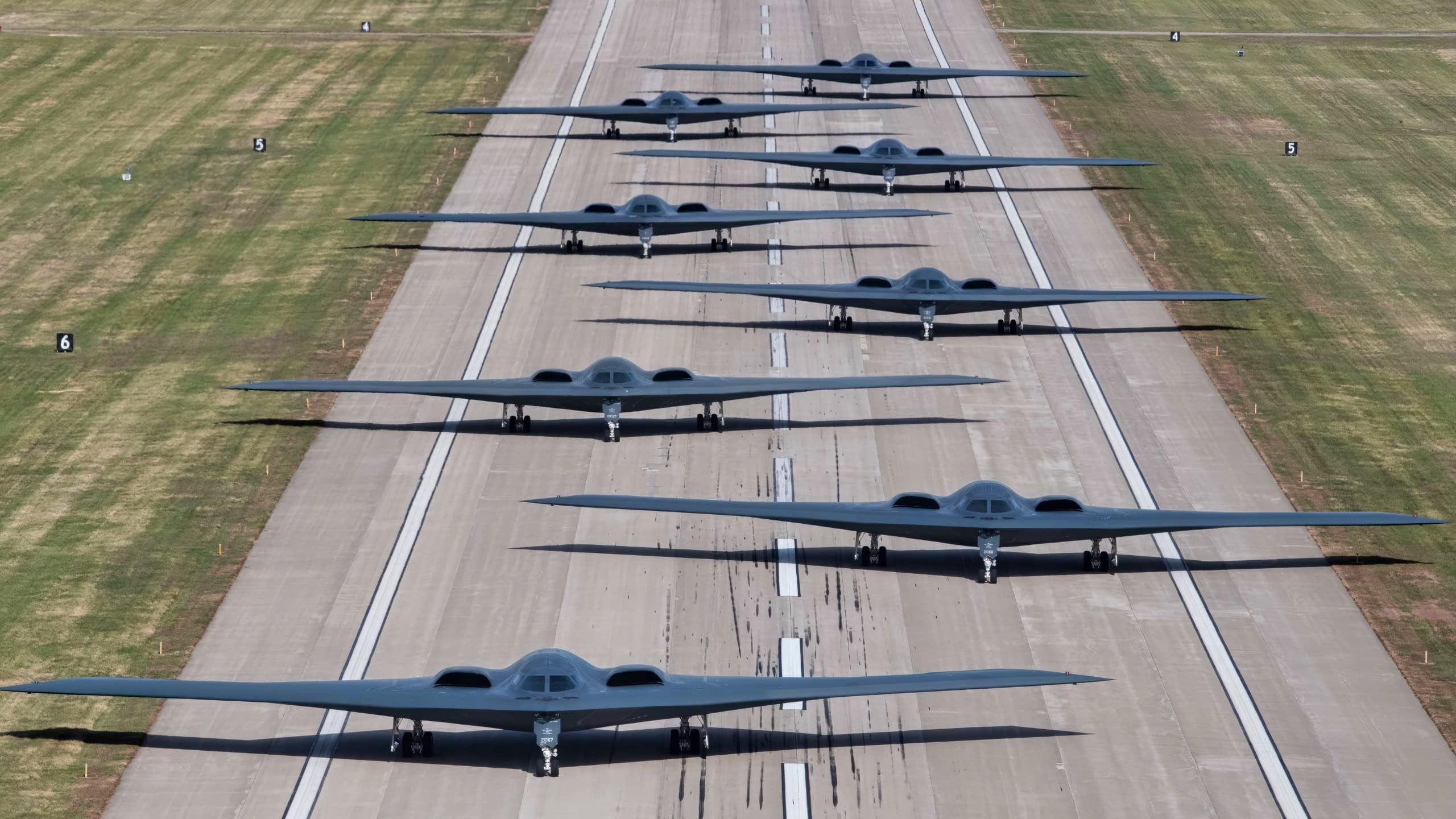
B-2 Spirit stealth bombers assigned to Whiteman Air Force Base taxi and take-off during exercise Spirit Vigilance on Whiteman Air Force Base on November 7th, 2022. Routine exercises like Spirit Vigilance assure our allies and partners that Whiteman Air Force Base is ready to execute nuclear operations and global strike anytime, anywhere. (U.S. Air Force photo by Airman 1st Class Bryson Britt)
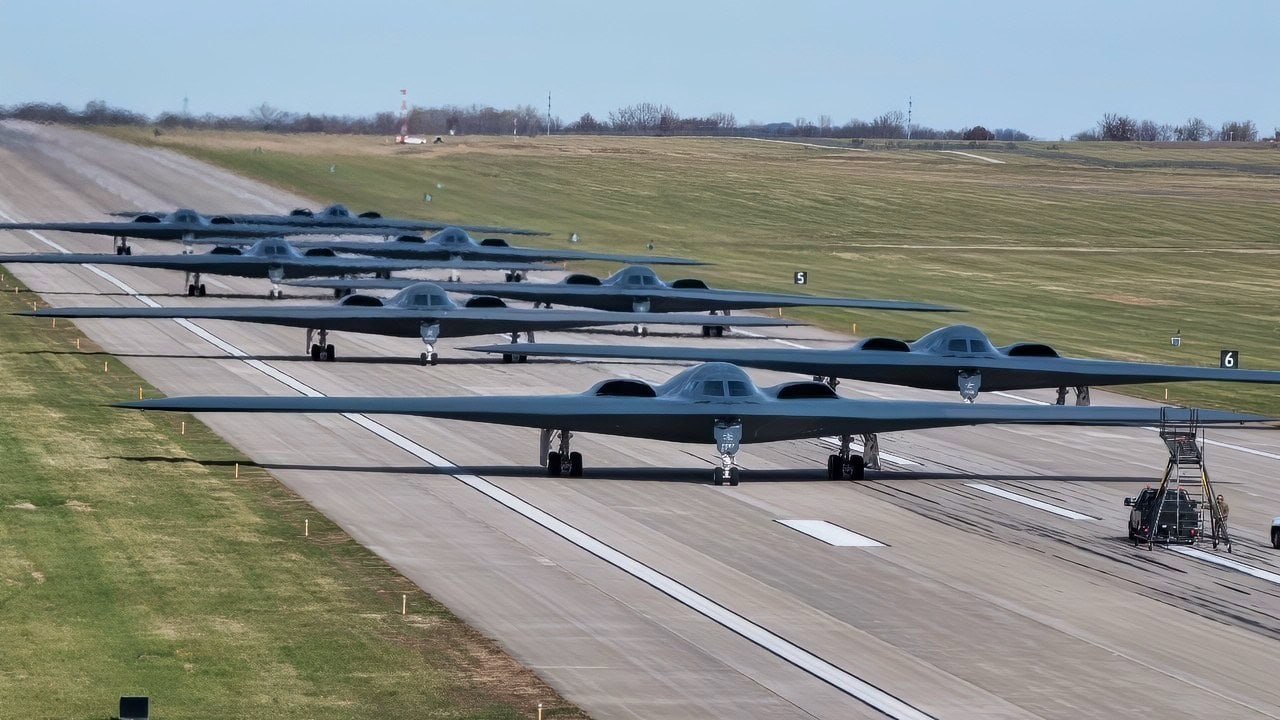
B-2 Spirit stealth bombers assigned to Whiteman Air Force Base taxi and take-off during exercise Spirit Vigilance on Whiteman Air Force Base on November 7th, 2022. Routine exercises like Spirit Vigilance assure our allies and partners that Whiteman Air Force Base is ready to execute nuclear operations and global strike anytime, anywhere. (U.S. Air Force photo by Airman 1st Class Bryson Britt)
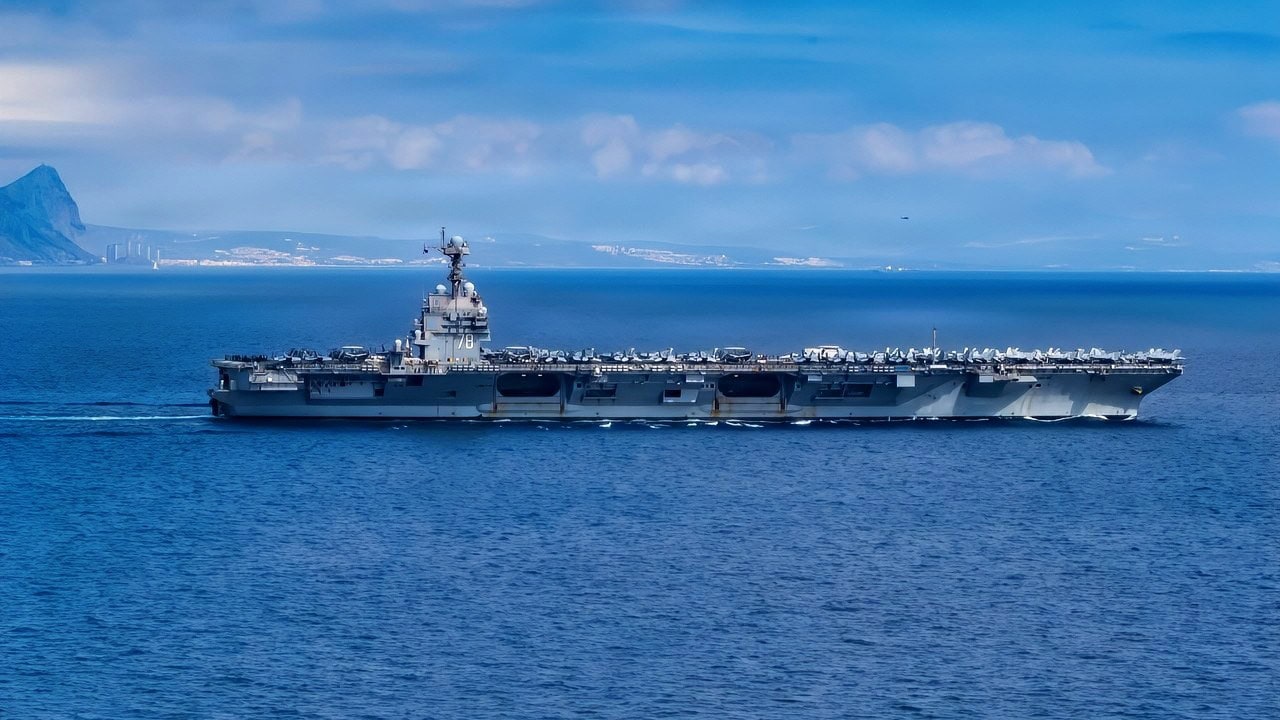
The world’s largest aircraft carrier, USS Gerald R. Ford (CVN 78), transits the Strait of Gibraltar, Oct. 1, 2025. Gerald R. Ford, a first-in-class aircraft carrier and deployed flagship of Carrier Strike Group Twelve, is on a scheduled deployment in the U.S. 6th Fleet area of operations to support the warfighting effectiveness, lethality and readiness of U.S. Naval Forces Europe-Africa, and defend U.S., Allied and partner interests in the region. (U.S. Navy photo by Mass Communication Specialist Seaman Apprentice Alyssa Joy)
This emphasis on achieving victory without battle aligns perfectly with Sun Tzu’s highest ideal of warfare. Strategic theorists found in his work a philosophical framework for understanding threats, shaping perceptions, and using psychological leverage rather than kinetic action. Deterrence theory, crisis management, and psychological operations all bear the stamp of Sun Tzu’s enduring wisdom.
Today, in military academies globally, Sun Tzu’s work is now considered essential reading.
In the United States, it appears in the professional reading programs of every service branch. The United States Army War College and the Naval War College routinely include Sun Tzu in their foundational curricula.
NATO schools, British defense academies, and institutions across Asia, Europe, and the Middle East similarly treat The Art of War as a core strategic text. Modern leaders study it not only for operational insights but for guidance on leadership, critical thinking, and decision-making under uncertainty.
About the Author: Isaac Seitz
Isaac Seitz, a Defense Columnist, graduated from Patrick Henry College’s Strategic Intelligence and National Security program. He has also studied Russian at Middlebury Language Schools and has worked as an intelligence Analyst in the private sector.