
6 Cruise Ships Trapped As Hormuz Crisis Escalates Thanks to Iran
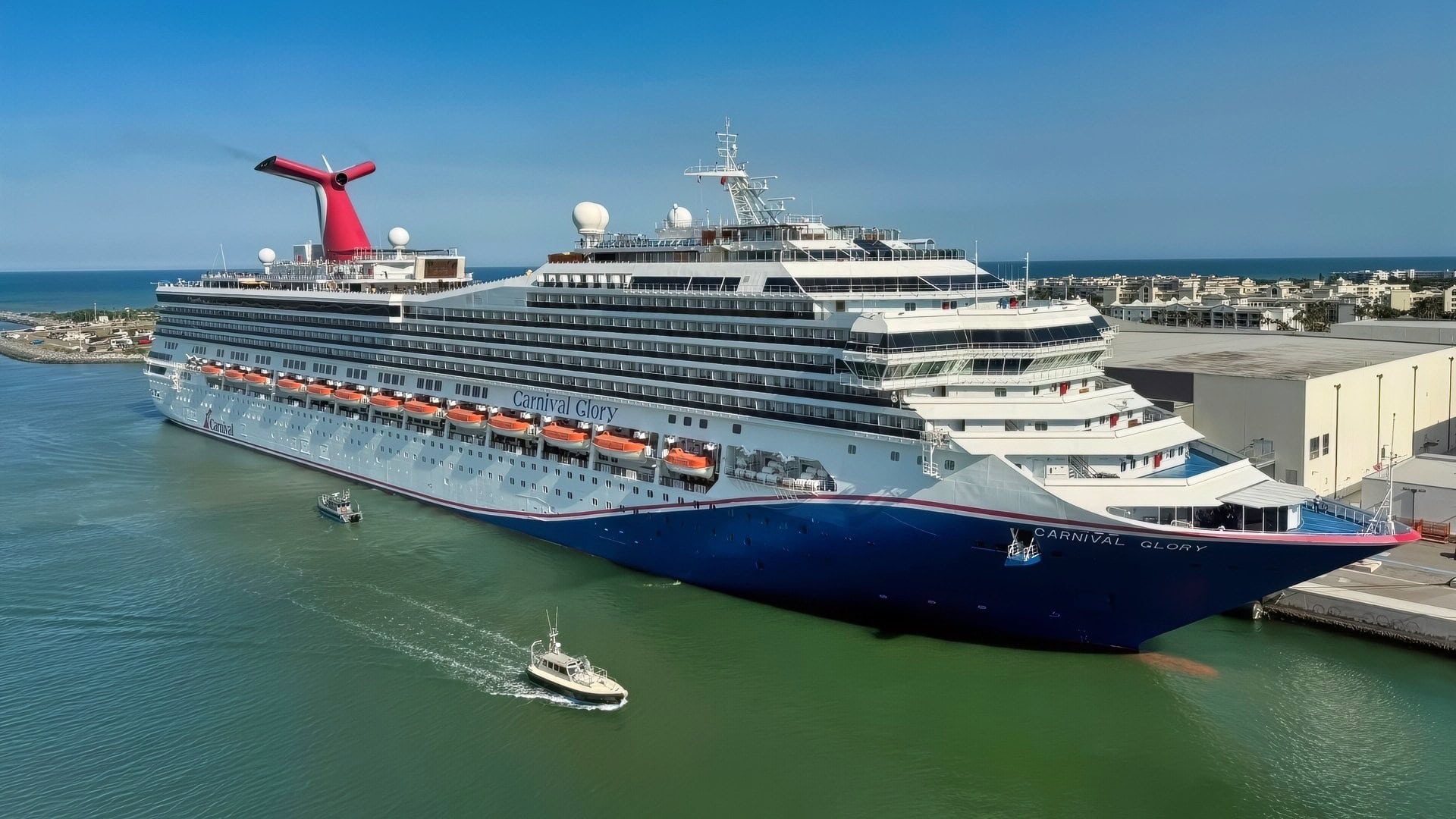
Six cruise ships remain stranded in ports across the Arabian Gulf after operations in the region were halted in late February, with vessels unable to leave due to ongoing disruption in the Strait of Hormuz.
The ships, operated by MSC Cruises, Celestyal Cruises, TUI Cruises, and Aroya Cruises, are currently docked in Dubai, Doha, and Abu Dhabi, with several scheduled to begin new itineraries across Europe, Africa, and the Red Sea in the coming months.
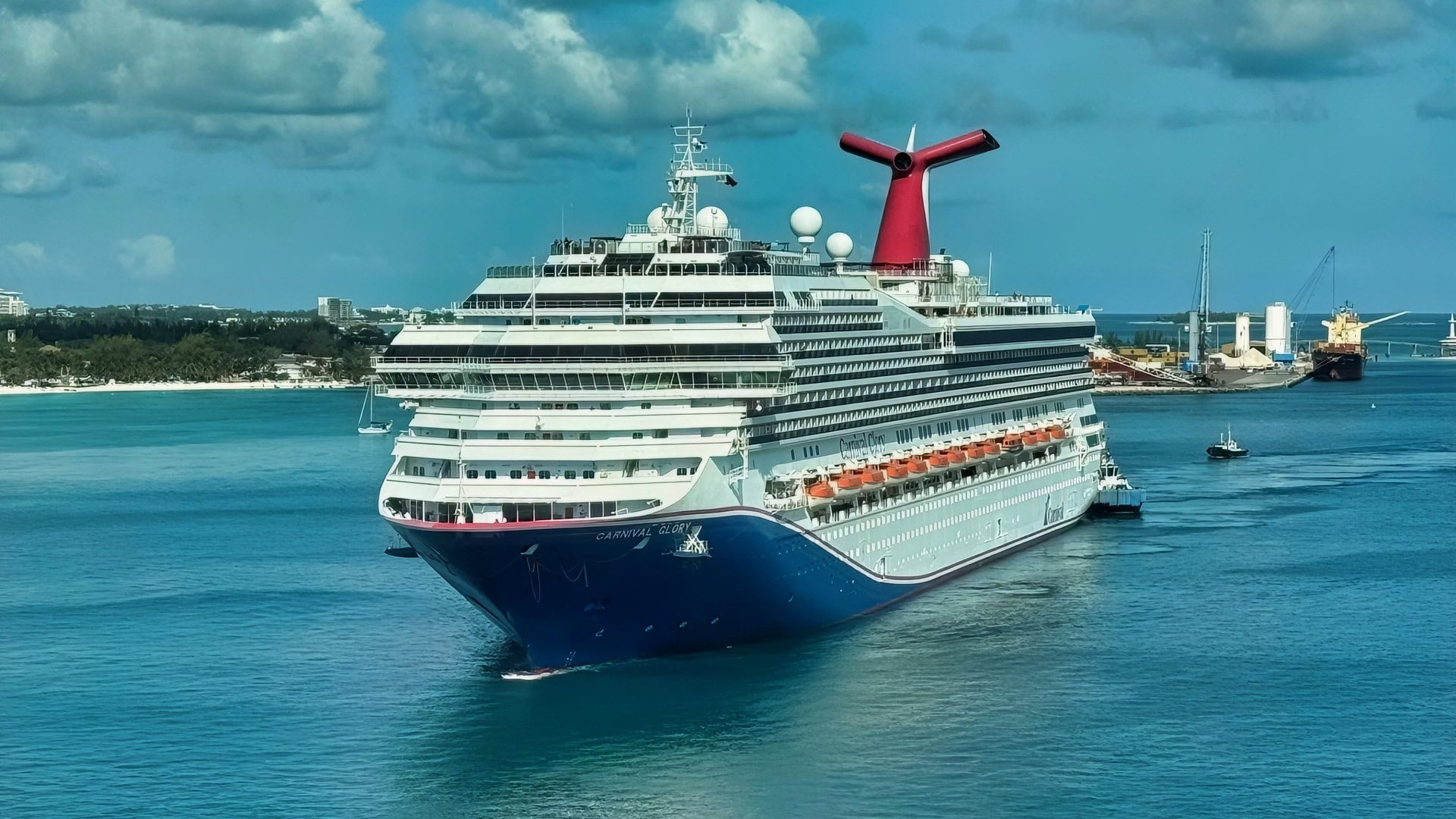
Carnival Cruise Ship at Sea in 2025. Image Credit: Harry J. Kazianis and 19FortyFive.com
The scheduling disruption is a direct consequence of one of the world’s most important maritime chokepoints being threatened by Iranian forces and proxies laying mines in the water in response to U.S. and Israeli strikes. The Strait of Hormuz handles roughly 20% of global oil and gas flows and serves as the only maritime exit point for vessels operating inside the Gulf.
The scale of the disruption extends well beyond cruise ships, too. The International Maritime Organization (IMO) has warned that nearly 2,000 commercial vessels and around 20,000 seafarers have been affected by the situation in the Gulf, with attacks and threats to shipping forcing operators to delay or cancel movements.
The six stranded ships are therefore part of a larger problem: this single maritime exit point is now causing global economic disruption across multiple fronts, affecting entire sectors of the world’s shipping industry.
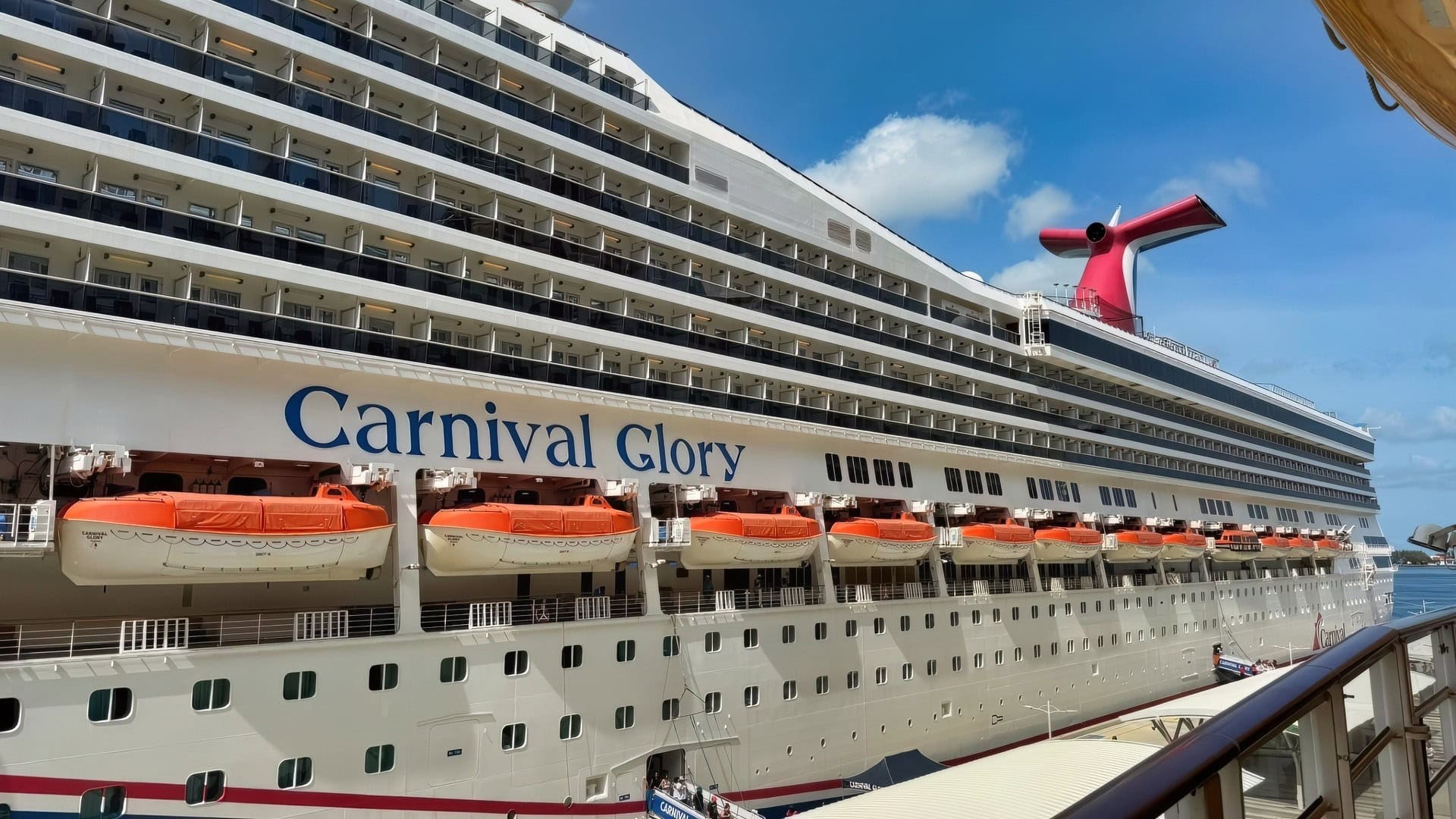
Carnival Cruise Ship at Port in 2025. 19FortyFive.com Photo
Why the Ships Can’t Simply Sail Away
The geography of the Arabian Gulf leaves cruise operators with very few options once conditions in the Strait of Hormuz deteriorate. Ships operating out of ports such as Dubai, Doha, and Abu Dhabi must transit through the Strait to reach the Gulf of Oman and the open ocean. There is no alternative sea route.
In the wake of the disruption, the IMO has called for the establishment of a safe maritime corridor through Hormuz, following a series of incidents involving commercial vessels, including attacks and the deaths of seafarers, too.
For cruise lines, though, the threshold for acceptable risks is substantially higher than for cargo operators, and even the establishment of a safe passage may not be enough.
There is, after all, a war taking place in the region – and even a small risk of a cruise liner being hit is enough to make the entire operation implausible and unsafe.
Cruise ships carry thousands of passengers and are not designed to operate in contested maritime environments.
As a result of even the smallest likelihood of interception or harassment, ships that would normally travel through Hormuz at the end of the Gulf season have remained in port.
The Six Ships and Their Schedules
The six vessels currently stuck in the region are part of a tightly planned global deployment schedule that depends on precise timing. They’re not military vessels, and that timing doesn’t carry the same consequences, but it does cause major disruption to large companies connected to the tourist industry.
MSC Euribia, a 5,400-passenger ship, has been docked in Dubai since February 27 and is scheduled to begin a Northern Europe season in early May, operating cruises to the Norwegian fjords. Celestyal Journey and Celestyal Discovery were both due to reposition to Greece in early April for Eastern Mediterranean itineraries, but delays have already forced cancellations. Mein Schiff 4 and Mein Schiff 5 were scheduled to reposition via Africa and into Mediterranean service, while Aroya is expected to begin Red Sea operations from Saudi Arabia in mid-May.
Carnival Cruise Ship at Port in 2025. 19FortyFive.com Photo
Cruise schedules are built around seasonal demand cycles, with ships spending winter in warm-weather regions like the Gulf and the Caribbean, before repositioning to Europe or Alaska for the summer. Those voyages, known as “repositioning,” are an essential mechanism that allows cruise lines to keep up with demand.
When a ship misses its repositioning window, it has a cascading effect – in the same way that delays in maintenance for military ships cause delays for other ships that need urgent support. A delayed departure in the Gulf can lead to canceled trips elsewhere weeks later.
Celestyal has already canceled multiple Mediterranean departures due to the disruption, while TUI Cruises has reportedly adjusted itineraries and delayed its repositioning schedule too. And unlike airlines, cruise lines cannot easily substitute capacity to meet demand. A specific ship is tied to a specific itinerary and port infrastructure, and if it is not physically present, the voyage just doesn’t happen.
The Strait of Hormuz Today and the Iran War
As of March 25, the Strait of Hormuz remains unstable but not fully closed, with limited and conditional traffic moving through the waterway.
Iran has deployed naval assets capable of laying mines, including small vessels designed to carry multiple naval mines, and reports suggest that at least a dozen mines have been laid in the waters.
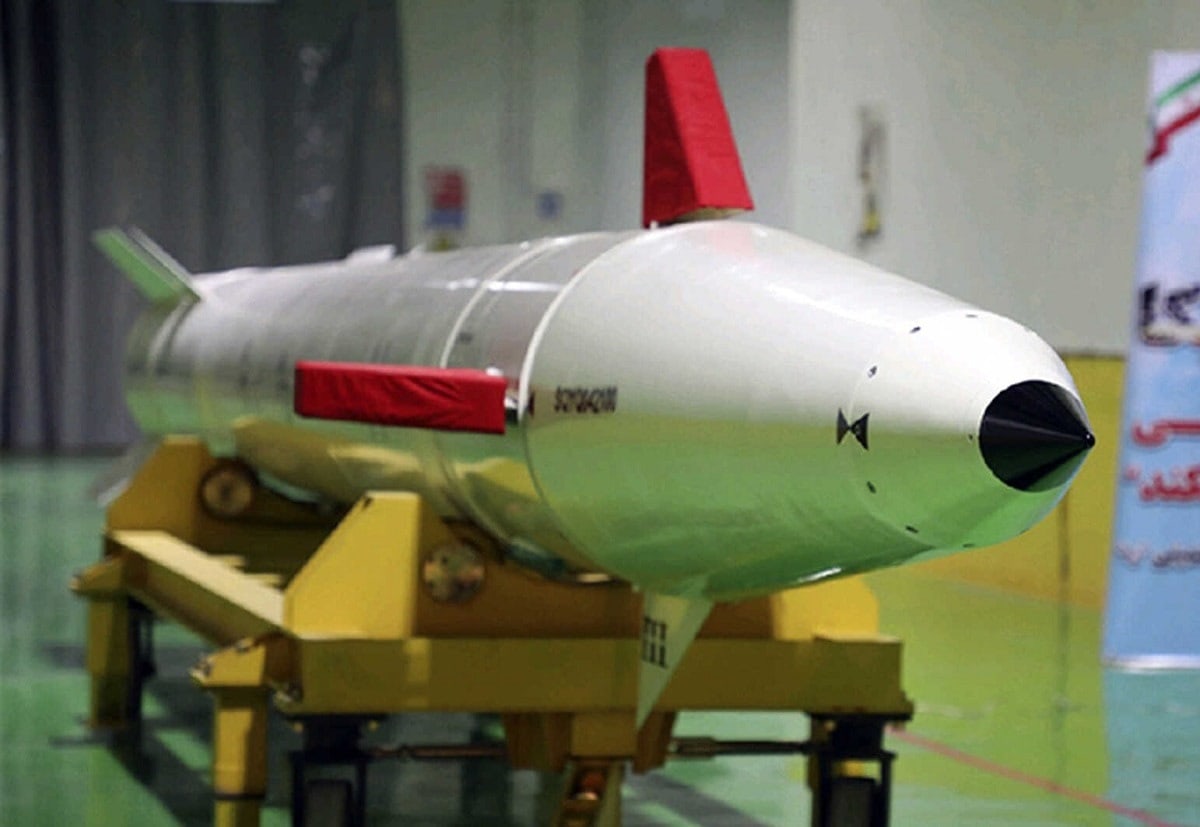
Iranian ballistic missiles. Image: Creative Commons.
Commercial shipping has not stopped entirely, but traffic has dropped significantly as operators avoid the area or delay transit due to insurance issues and unclear security conditions.
About the Author: Jack Buckby
Jack Buckby is a British researcher and analyst specialising in defence and national security, based in New York. His work focuses on military capability, procurement, and strategic competition, producing and editing analysis for policy and defence audiences. He brings extensive editorial experience, with a career output spanning over 1,000 articles at 19FortyFive and National Security Journal, and has previously authored books and papers on extremism and deradicalisation.