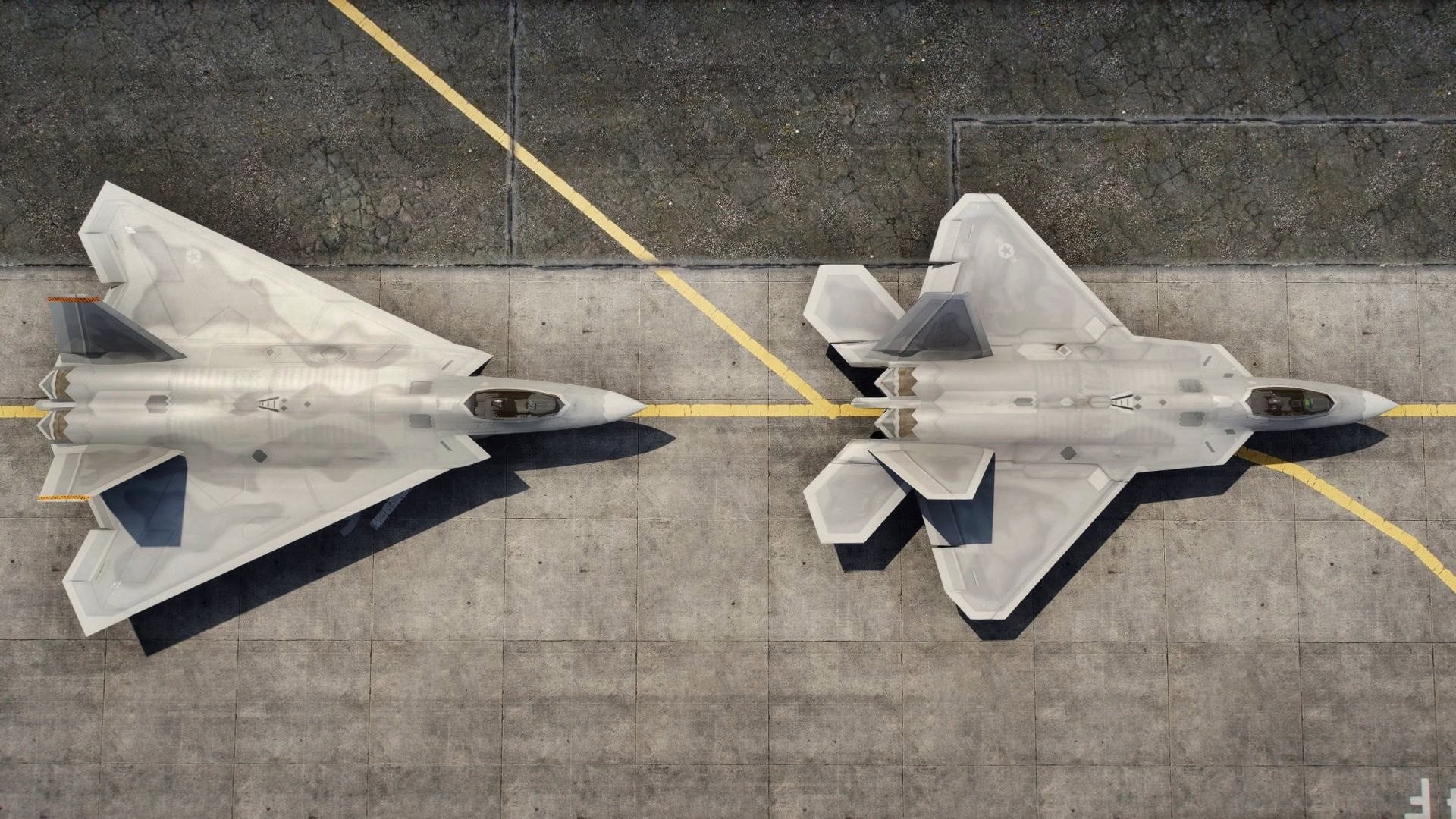
In the early 2000s, the United States Air Force looked at their fifth-generation air superiority fighter, the F-22 Raptor, and thought that it could turn the world’s most iconic air superiority bird into a full-blown stealth bomber. That became the FB-22, or the “regional stealth bomber.”
FB-22: A Raptor Reimagined as a Bomber
Despite its origins as a variant of the amazing F-22, though, the FB-22 was essentially an entirely new aircraft.
When the new plane emerged, it was highly appealing to the Air Force because its B-2 Spirit long-range stealth bomber fleet was small and, at that point, no new bomber was expected until the 2030s.
The Air Force assessed that the proposed FB-22 would have filled a critical gap by providing a fast, stealthy strike platform available much sooner than the 2030s.
FB-22’s design featured massive delta-shaped wings that enabled greater fuel capacity and range. Designers expanded the internal weapons bays of the FB-22 (compared to its progenitor, the F-22). In fact, the FB-22 could carry around 30 Small Diameter Bombs (as opposed to the four to eight that could fit inside the F-22).
The Air Force then expanded the FB-22’s combat radius to more than 1,600 nautical miles.
So, the proposed FB-22 was not a direct replacement for the B-2, since it lacked the global strike capabilities that the B-2s possess. Instead, it was a stealthy “theater bomber” that was perfect for deep strikes inside contested regions. Had this plane been available today, it would have given the US Air Force significantly greater strike capabilities than it has today.
The proposed FB-22 would have had capabilities the Air Force would have found useful. For example, the FB-22 would have been able to supercruise and evade enemy fighters. The plane would have possessed better stealth than even the legendary B-2 Spirit bombers, because the FB-22 would have been newer than the B-2s.
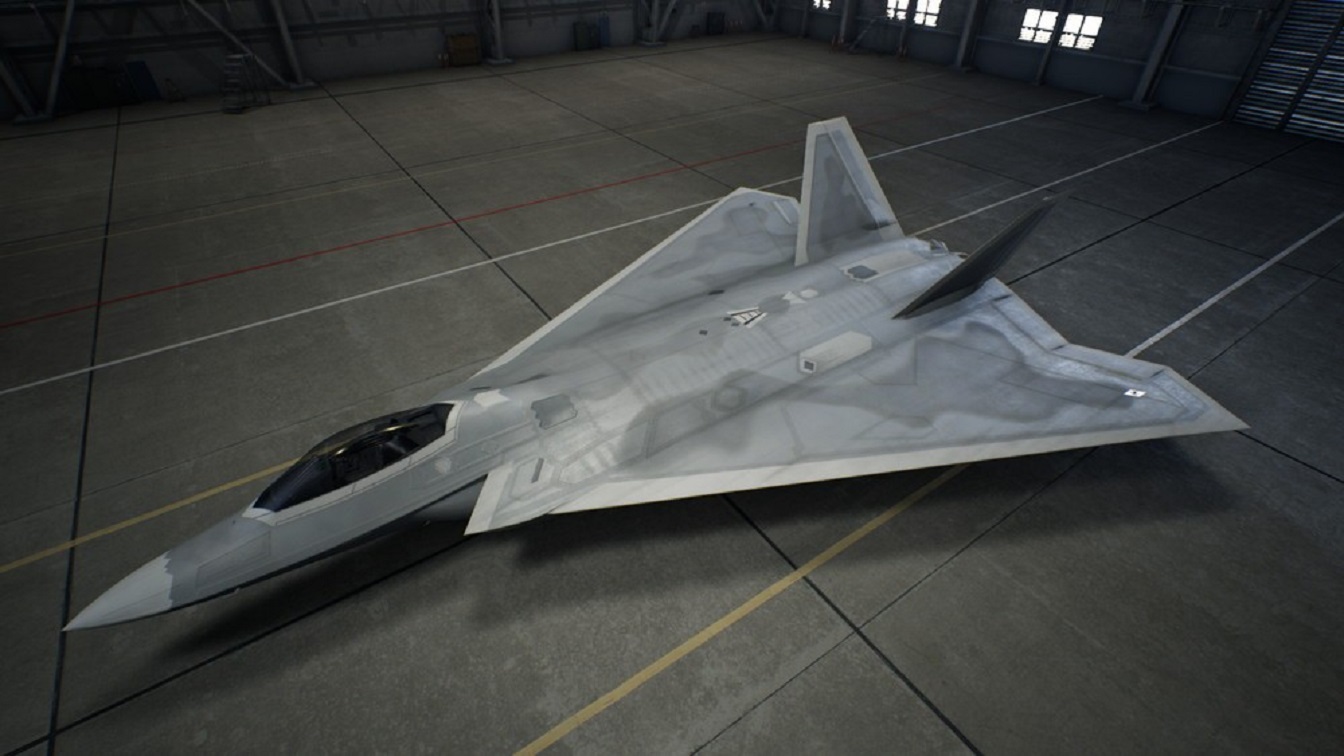
FB-22. Image Credit: Artist Rendition – Creative Commons.
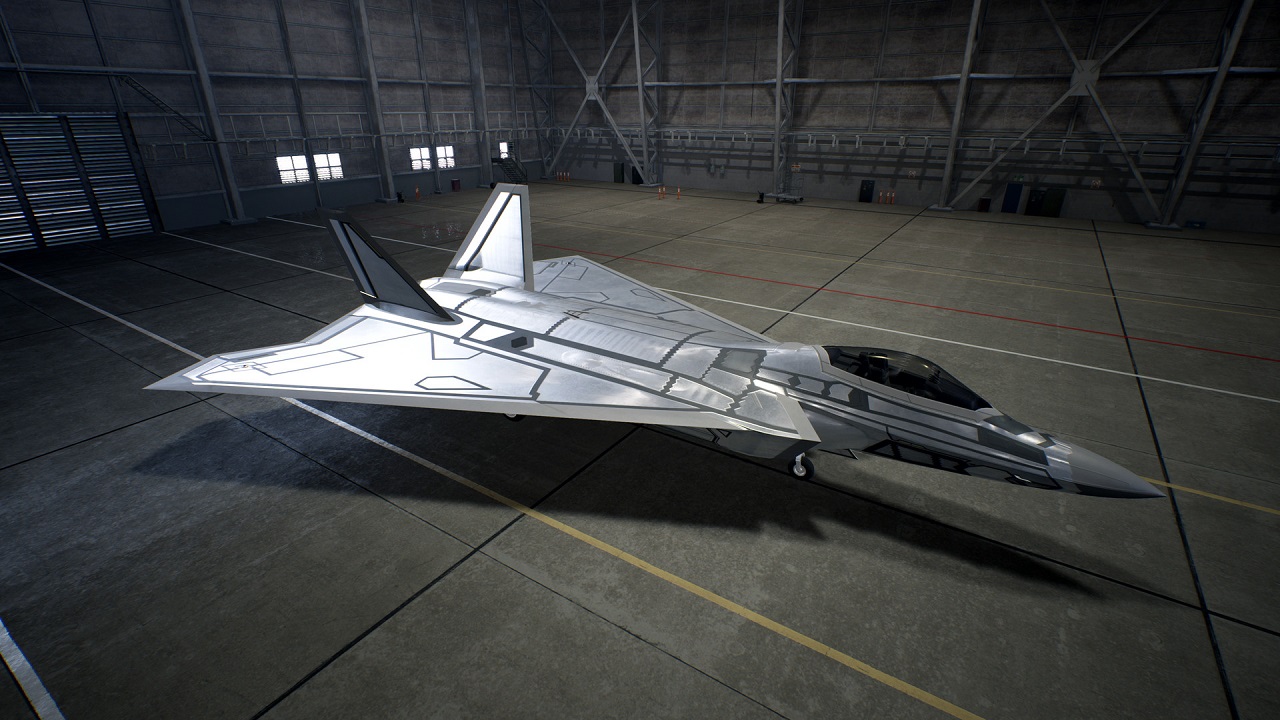
FB-22 computer generated image from Ace Combat 7. Image Credit: Screenshot.
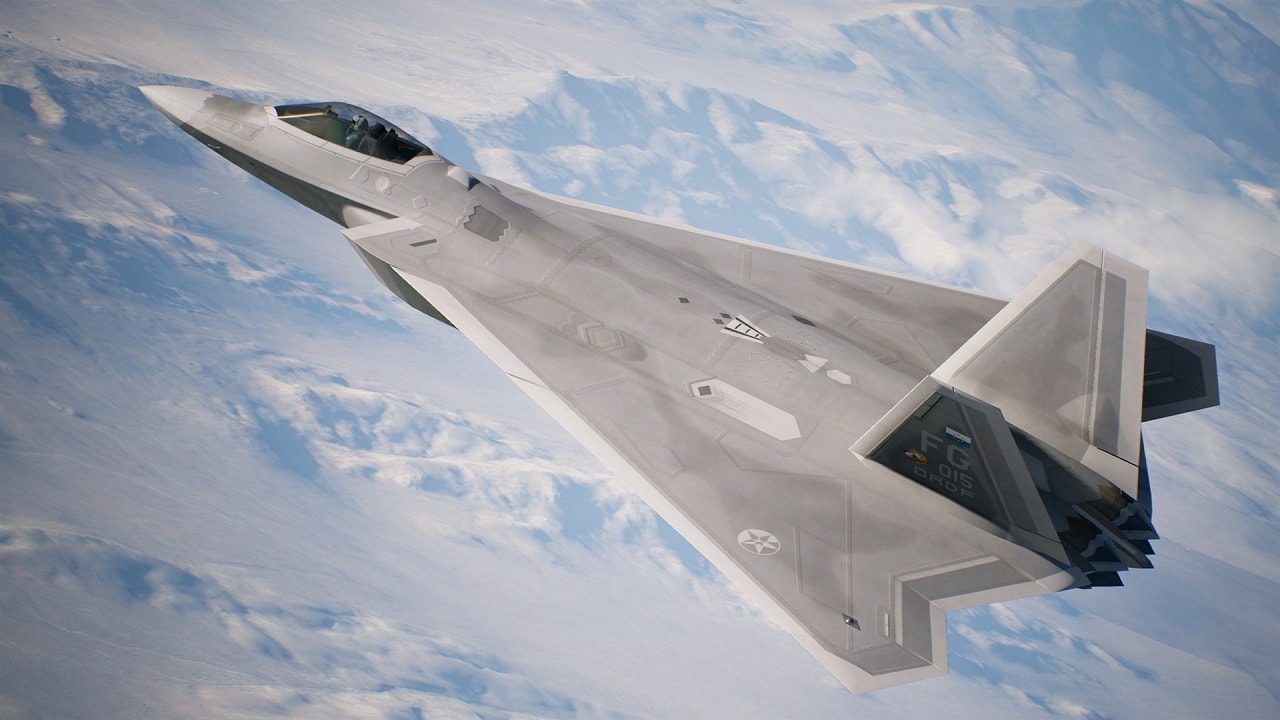
FB-22 T-Rex artist rendering. Image Credit: Creative Commons.
What’s more, the FB-22 could hit targets quickly, survive in enemy airspace protected by dense air defense systems, and it was fast enough that it could escape from being destroyed after dropping its payload.
Politics, Cost, and the Death of the Raptor Line
On paper, the FB-22 was supposed to save the American taxpayer money.
That’s because the FB-22, as an offspring of the F-22, shared avionics, engine designs, and stealth capabilities with the preexisting fleet of F-22 Raptors.
In the post-9/11 budgetary environment, having a bigger, faster, more lethal bomber version of the F-22 that shared the same ecosystem as the F-22 was very appealing to Air Force leadership.
Yet, the FB-22 died during the 2006 Quadrennial Defense Review.
2006 was a seminal year in the post-9/11 era. That was the same year that the George W. Bush administration lost congressional majorities, it was the same year that Americans really began turning hard against the Iraq War, and it represented a true pivot away from the post-9/11 national security consensus.
There was more than politics behind the Pentagon’s decision to cancel the FB-22, though.
The biggest problem with this system was its range. Even with significant upgrades, the FB-22 would have lacked the range that the Air Force wanted for a bomber. The Air Force wants global strike capabilities.
The air branch cares little about regional strike capabilities.
What the US Lost When the FB-22 Died
Because of this, the Air Force came to favor the B-21 Raider and did not want anything to distract from that program. Air Force leaders were asking each other why build a medium solution when they could build a system that would meet their global requirements?
While the 30-bomb carrying capacity the FB-22 touted was impressive, it was still smaller than the payload a true strategic bomber could carry. As a result, the FB-22 was less flexible for long-duration missions.
The Air Force wanted more than just survivability, which the FB-22 clearly offered. They wanted endurance, payload, and global reach, all combined.
By 2006, too, the F-22 Raptor program was already too expensive. The Raptor was, at that time, being squeezed by lawmakers and angry Pentagon officials because the plane retained a high unit cost, which led to production cuts by 2009.
Had the Air Force committed itself to the FB-22, according to those who supported its decision to cancel the FB-22, continued support would have been a dangerous prospect because the FB-22 might have been affected by the production cuts that eventually came in 2009.
Was the FB-22 Really the Right Answer?
Another concern among Air Force leaders was that the F-22’s stealth coatings and systems were maintenance-intensive. Thus, scaling those systems into a bomber fleet might have proven too difficult–and might have harmed the combat effectiveness of the proposed FB-22.
Still, it’s hard not to wonder what might have been.
After all, the FB-22 would have been perfect for the Indo-Pacific because it was fast, survivable, and deployable in numbers. Flash forward to 2026, an age now defined by missile saturation, drone swarms, and base vulnerability.
A smaller, faster, more numerous platform like the FB-22 might have been more survivable operationally than a handful of exquisite bombers with global reach.
The FB-22 stands as a cautionary tale about how the Pentagon makes bets on the future. Given the rise of missile and drone swarms, it’s hard to shake the feeling that America walked away from a weapon–the FB-22–it might have actually needed today.
About the Author: Brandon J. Weichert
Brandon J. Weichert is the Senior National Security Editor at 19FortyFive.com. Recently, Weichert became the editor of the “NatSec Guy” section at Emerald. TV. He was previously the senior national security editor at The National Interest. Weichert hosts The National Security Hour on iHeartRadio, where he discusses national security policy every Wednesday at 8 pm Eastern. He hosts a companion show on Rumble entitled “National Security Talk.” Weichert consults regularly with various government institutions and private organizations on geopolitical issues. His writings have appeared in numerous publications, among them Popular Mechanics, National Review, MSN, and The American Spectator. And his books include Winning Space: How America Remains a Superpower, Biohacked: China’s Race to Control Life, and The Shadow War: Iran’s Quest for Supremacy. Weichert’s newest book, A Disaster of Our Own Making: How the West Lost Ukraine, is available for purchase at any bookstore. Follow him via Twitter/X @WeTheBrandon.