
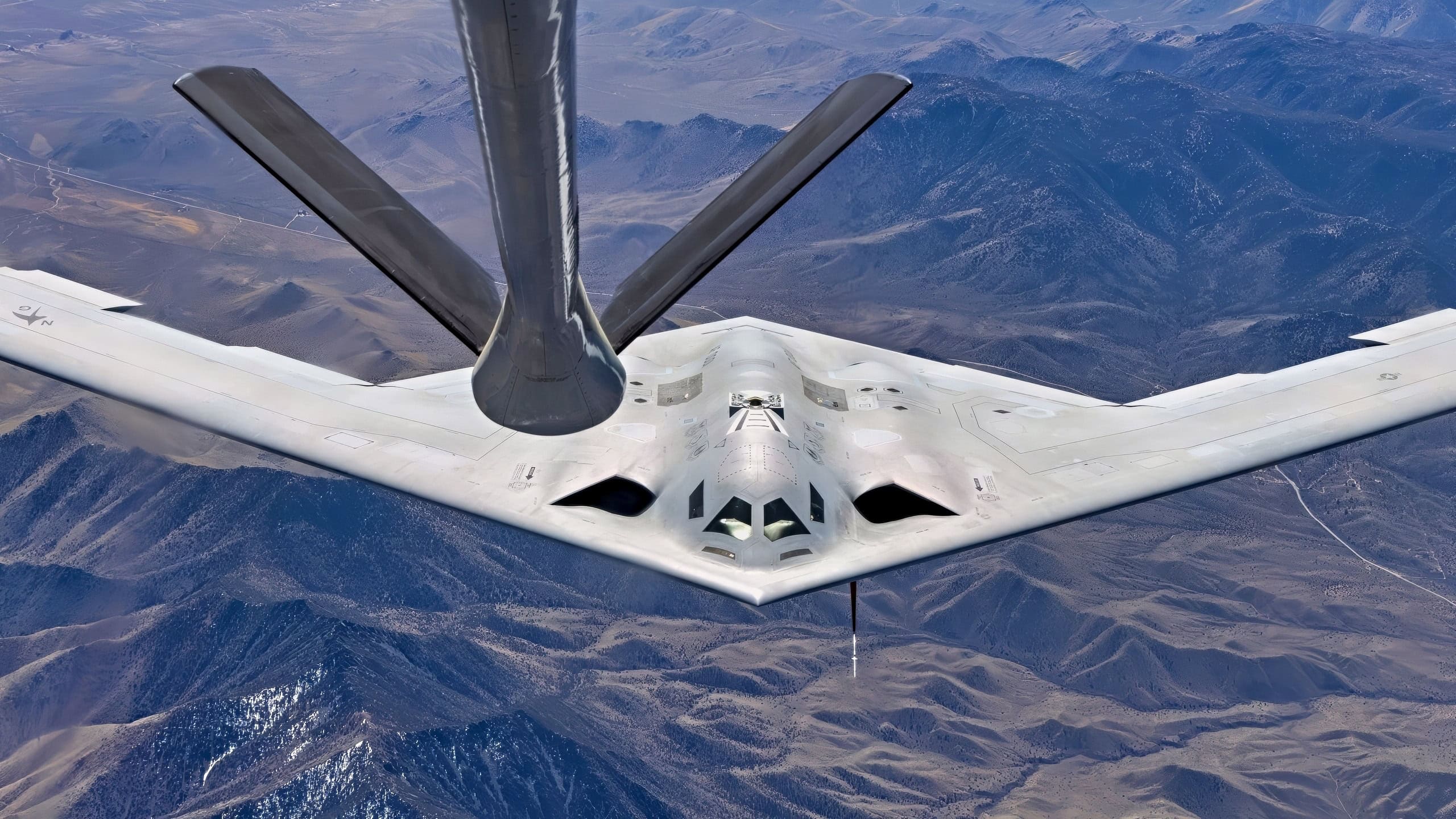
The B-21 Raider is surely one of the most advanced aircraft the U.S. has ever flown. With state-of-the-art stealth and sensor capabilities, it is the first sixth-generation aircraft to enter operational service, according to Northrop Grumman.
The aircraft is currently in low-rate initial production; however, according to recent news reports, the U.S. Air Force is investing more resources into the program to fast-track the bombers’ development. With more funds allocated to the aircraft, the U.S. intends to field more bombers more quickly to increase the USAF’s long-range strike capabilities in contested airspace.
Speeding Up the B-21’s Development
According to recent reports, the Pentagon has allocated an additional $6.1 billion to the B-21 Raider program. The additional funding was announced in the US Department of War (DoW) FY2027 budget request, released on April 21, 2026.
The intention behind this, some speculate, is to get the B-21 into full operational service as quickly as possible to provide more credible deterrence against China. The B-21’s stealth and EW capabilities make it ideal for penetrating airspace defended by advanced air defenses, enabling the USAF to overcome sophisticated A2/AD systems.
The decision may also be influenced by the experience gained in the brief U.S.-Iranian war. The war showcased many things, but among them, it demonstrated that a nation with even moderate A2/AD capabilities can still pose a significant threat to U.S. air power.
In the first weeks of the war, the U.S. was able to strike multiple AD launchers and radars throughout Iran, but the IRGC was still able to maintain moderate anti-air capabilities.
This led to a surprising number of American aircraft being damaged or destroyed by enemy fire.
Stealth bombers like the B-2 Spirit, however, were able to consistently enter Iranian airspace, deliver their payloads, and leave seemingly without fear of retaliation from enemy defenses.
With this experience in mind, it makes sense why the U.S. would want to increase its inventory of stealth bombers.
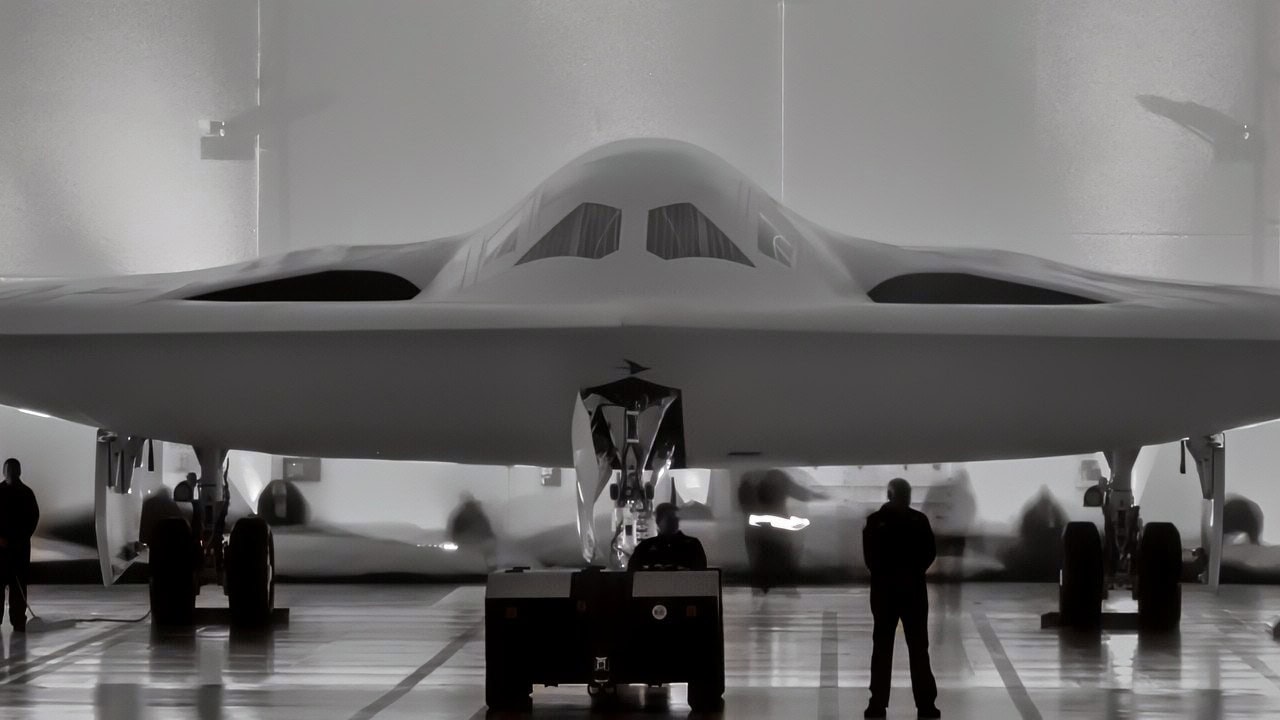
A B-21 Raider is unveiled at Northrop Grumman’s manufacturing facility on Air Force Plant 42 in Palmdale, California, Dec. 2, 2022. The B-21 will be a long-range, highly survivable, penetrating strike stealth bomber capable of delivering both conventional and nuclear munitions. (U.S. Air Force photo by Airman 1st Class Joshua M. Carroll)

U.S. Air Force Airmen with the 912th Aircraft Maintenance Squadron prepare to recover the second B-21 Raider to arrive for test and evaluation at Edwards AFB, Calif., Sept. 11, 2025. The arrival of a second test aircraft provides maintainers valuable hands-on experience with tools, data and processes that will support future operational squadrons. (U.S Air Force photo by Kyle Brasier)
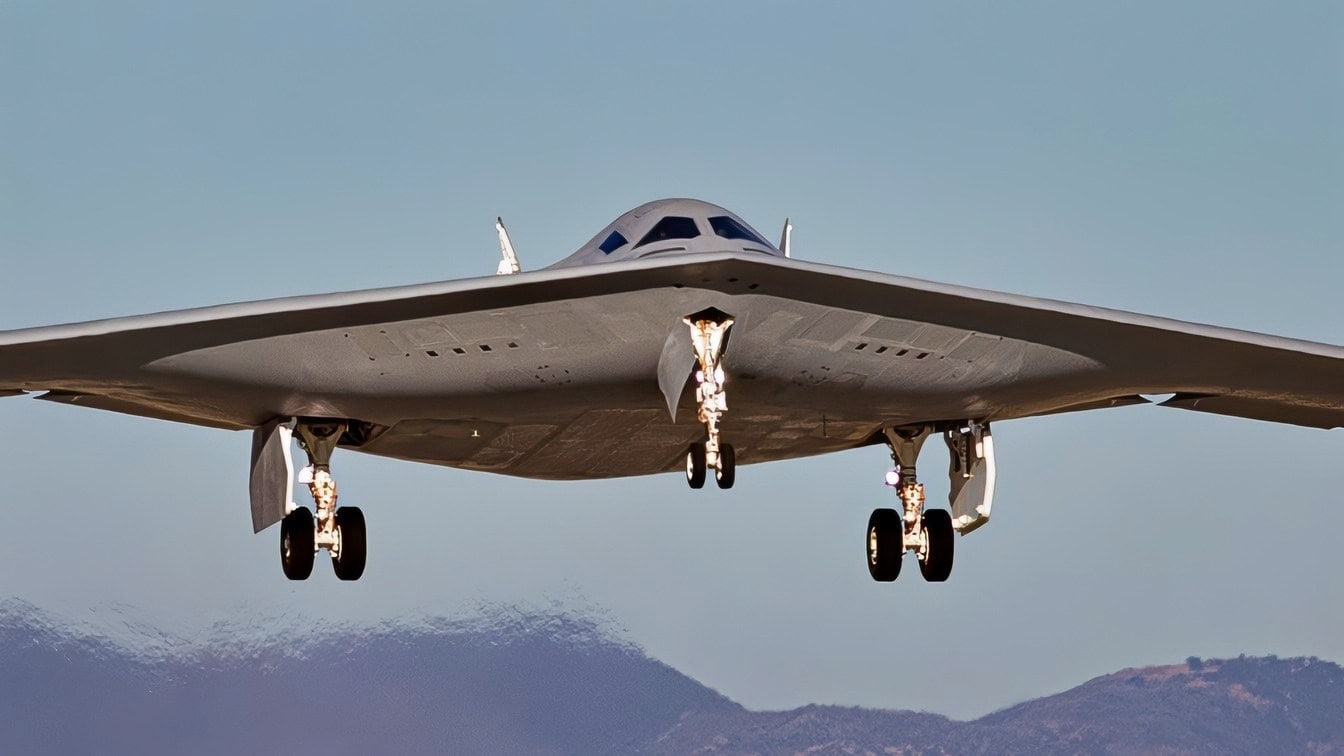
A second B-21 Raider test aircraft takes off, Sept. 11, from Palmdale, Calif., to join the Air Force’s flight test campaign at Edwards Air Force Base, Calif. The addition of the second test aircraft expands mission systems and weapons integration testing, advancing the program toward operational readiness. (Courtesy photo)
America’s Most Advanced Bomber
Development on the B-21 began in 2011 when the USAF launched its Long-Range Strike Bomber (LRS-B) program. The goal of the program was to develop a new type of stealth bomber capable of delivering both nuclear and conventional payloads.
While the B-2 Spirit is still perfectly capable, it is constrained by its high cost and small fleet size. The LRS-B program sought to develop a new stealth bomber that avoided the errors of the B-2 program and delivered an aircraft that was both cheaper and could be manufactured in larger numbers. The B-21 was first publicly announced in 2015 when the contract was awarded to Northrop Grumman. At the time, the new bomber was described as an intelligence-collection platform, a battle manager, an interceptor aircraft, and a stealth bomber.
The program was officially unveiled to the public in December 2021, when the first B‑21 was rolled out at Air Force Plant 42 in Palmdale, California.
While the rollout attracted global attention, the first flight on November 10, 2023, marked the program’s most significant milestone. The aircraft flew from Palmdale to Edwards Air Force Base, initiating a deliberately paced flight‑test campaign managed by a combined Air Force–Northrop Grumman team. Interestingly, the aircraft that flew was a production model rather than a prototype. According to Lockheed, the aircraft is being used for testing, after which it will be converted into an operational aircraft and delivered to the Air Force.
Since that initial flight, the test program has expanded steadily. A second B‑21 test aircraft arrived at Edwards Air Force Base in September 2025, enabling parallel testing of flight performance, mission systems, and maintainability.
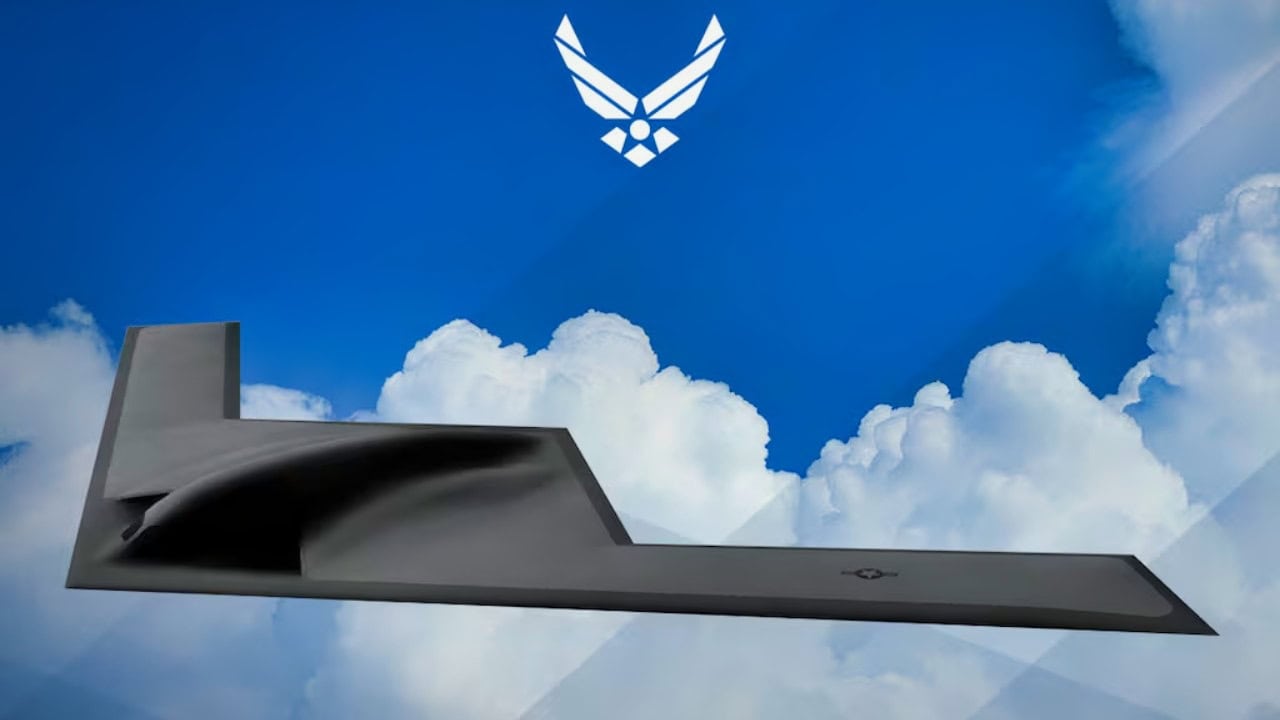
B-21 Raider Bomber.
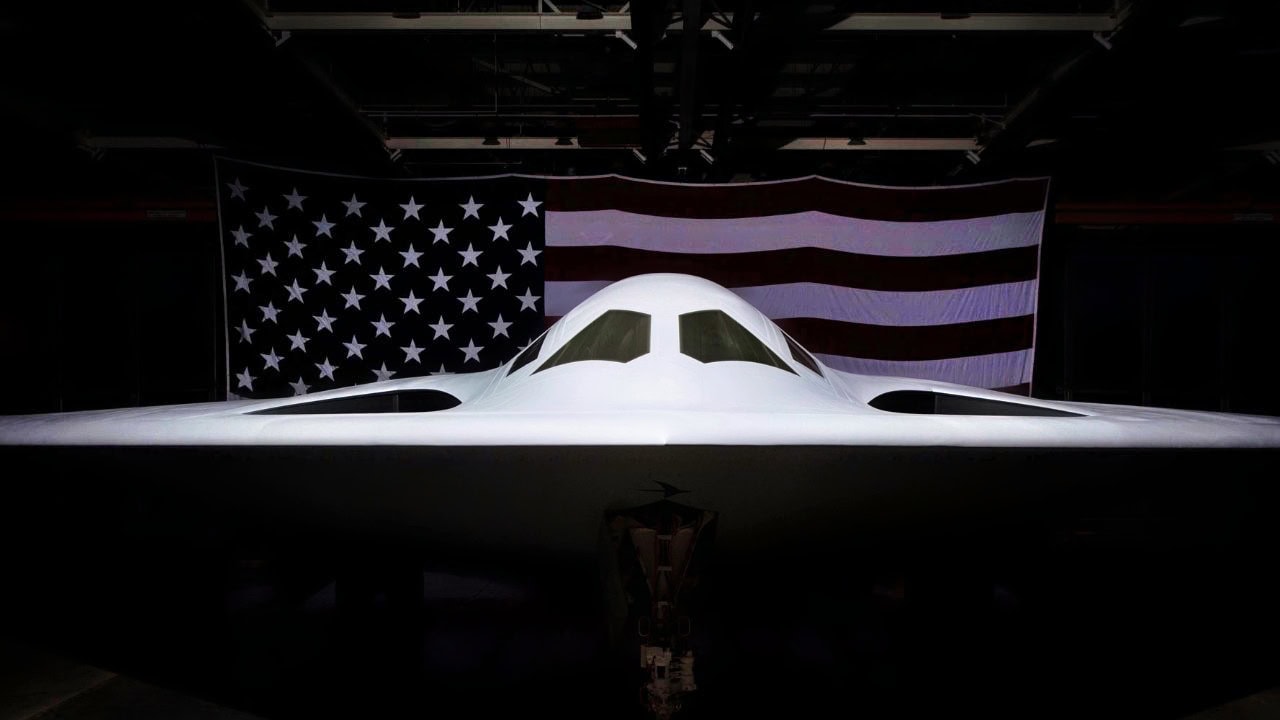
B-21 Raider Bomber. Image Credit: Creative Commons.
By 2027, multiple B‑21s will be flying regularly, conducting tests on the aircraft’s sensors and avionics. In stark contrast to the B-2 program, the B-21 program has been proceeding on schedule (aside from a few minor delays before its first flight) and, more importantly, without going over budget.
What to Expect From the B-21
Visually, the B-21 adopts a flying wing configuration similar to the B-2. However, the B-21 is smaller than its predecessor and uses a smaller weapons bay.
The aircraft’s stealth systems are still highly classified. It likely uses a new generation of RAM coatings to reduce its radar cross-section, along with sophisticated electronic warfare suits to reduce its digital and electronic signatures.
The B-21 also uses sophisticated shaping techniques and blended surfaces to reduce its RCS, even without RAM coatings. Its engines are deeply blended into the airframe, like the B-2, to reduce its infrared signature. Officials at Lockheed and the USAF have repeatedly described the aircraft as a revolution in stealth technology, though few details have been provided to explain what that means.
The avionics on the B-21 are likewise classified. It has long been known that the B-21 will perform roles beyond typical bombing missions, such as intelligence collection.
The bomber will likely be equipped with a sophisticated suite of sensors and digital systems, enabling it to serve as a flying command center.
Interestingly, the USAF has also claimed that the B-21 will be able to engage in air-to-air interception, marking a dramatic departure from the mission profile of every bomber before it.
The details of its sensors, EW suite, and other electronic equipment remain closely guarded secrets.
About the Author: Isaac Seitz
Isaac Seitz, a Defense Columnist, graduated from Patrick Henry College’s Strategic Intelligence and National Security program. He has also studied Russian at Middlebury Language Schools and has worked as an intelligence Analyst in the private sector.