
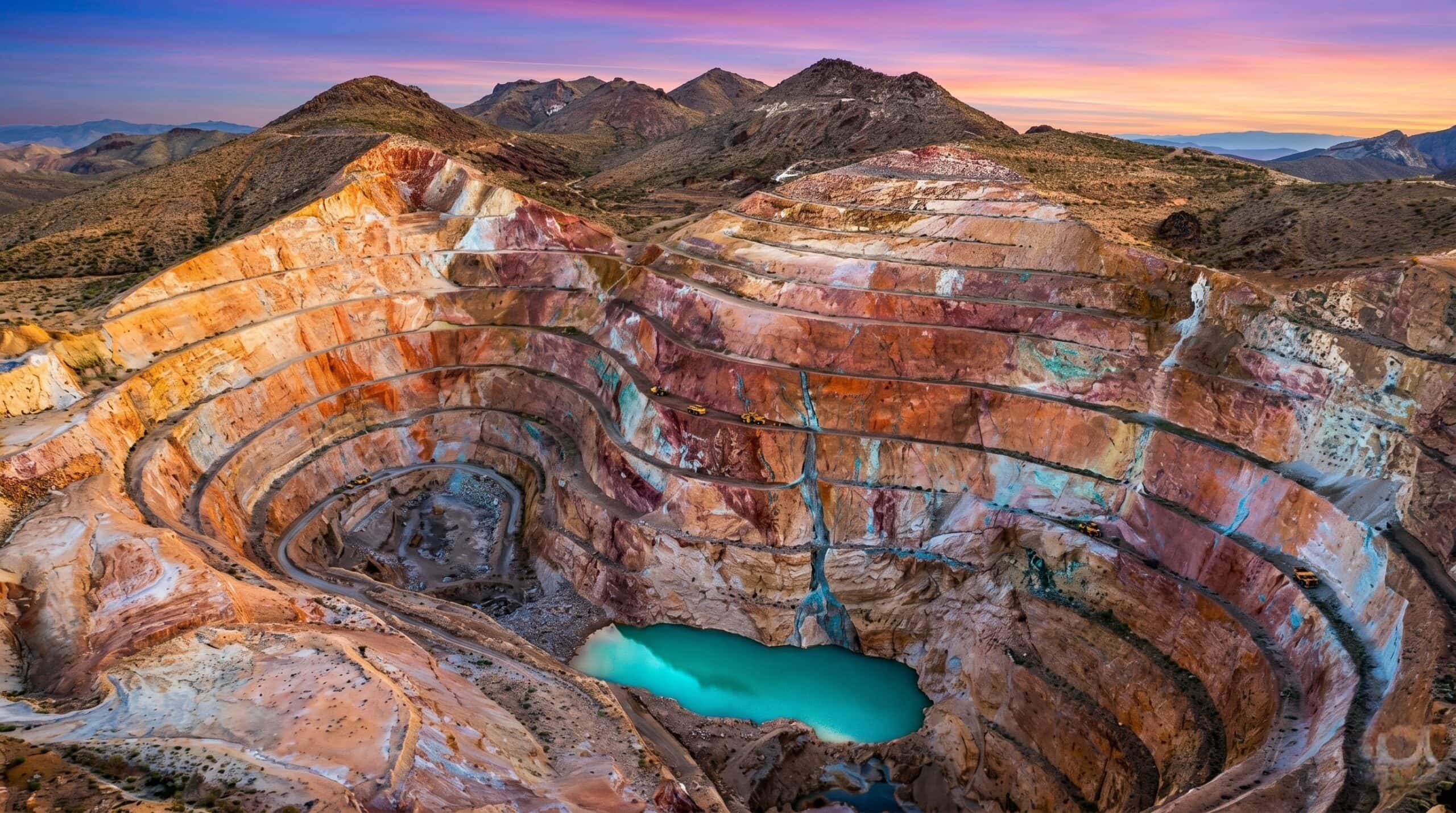
Many geologists worldwide are seeking game-changing rare-earth elements. China processes these minerals used in cell phones, weapons systems, and other 21st-century products. Now, miners in South Korea have found an element that, while not rare, could make the country a natural resources leader, with a potentially valuable material when extracted and processed.
What Is the Find?
A mother lode of the material illite was discovered in South Korean clay, a huge find. We are talking about an estimated 104.5 million tons of illite, the world’s largest deposit.
This mineral is used in the oil business, drugs, and batteries – all valuable industries that South Korea would love to profit from.
Where Did It Happen?
The discovery was made in Yeongdong County in South Korea’s North Chungcheong Province. This area is an intriguing, fun-filled region known for alcoholic drinks, large festivals, and golf. Tourists love it.
Nobody thought the ground beneath the feet of citizens and visitors in Yeongdong would be worth much. But this clay is chock full of value, and illite could help its economic development and create jobs for decades.
Huge Discovery
The Korea Institute of Geoscience and Mineral Resources confirmed this is a humongous find, the largest illite site in the country. The next-largest deposit of the mineral is 20 times smaller.
What Is Illite?
“It belongs to the phyllosilicate family, structurally related to mica, and its particles measure under two microns across. That fine, plate-like geometry produces an unusually soft texture, heat resistance up to around 600 degrees Celsius, and a strong capacity to absorb heavy metals and break down organic compounds. Unlike swelling clays that expand when wet and complicate processing, illite stays dimensionally stable,” according to the Daily Galaxy.
Bringing South Korea Into the Mining Industry
Illite is not usually rare, but finding such huge deposits does not happen every day. This will add to the value of the extraction industry in South Korea and place the country on the map as a source of valuable, easily extractable underground materials.
Oil Drillers Love Illite
Illite is well-suited for the oil industry because natural resources companies can use it to create drilling mud that supports energy operations. This allows drillers to drill deeper holes. Then, illite compounds prevent damaging formation fluids from entering the well during drilling.
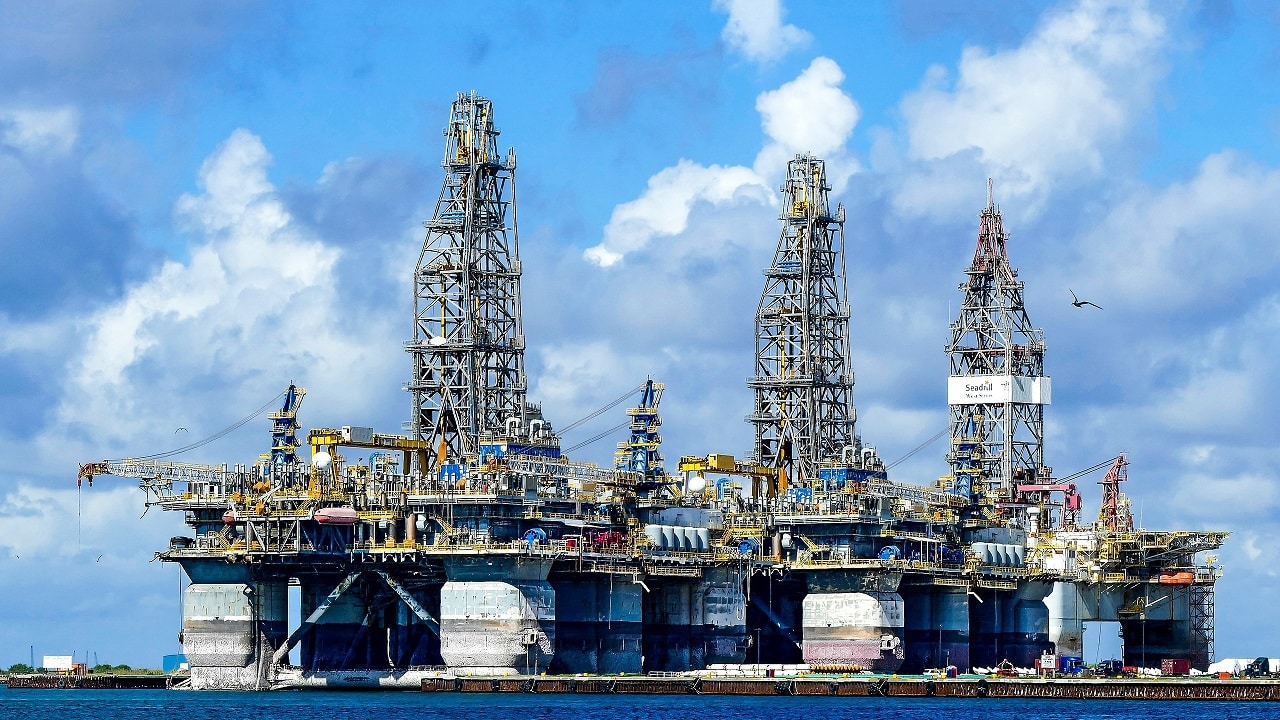
Refurbishment Platform for Drilling Rigs in Corpus Christi Bay.
Putting the Spark in Batteries
Scientists in battery research are wondering whether compounds derived from illite can help cells store more energy.
This has significant potential to improve power storage for solar panels and electric vehicles.
Finding illite in common clay is great news for South Korea, as it provides a useful material for industries in the coming decades. The potential for batteries is exciting to scientists.
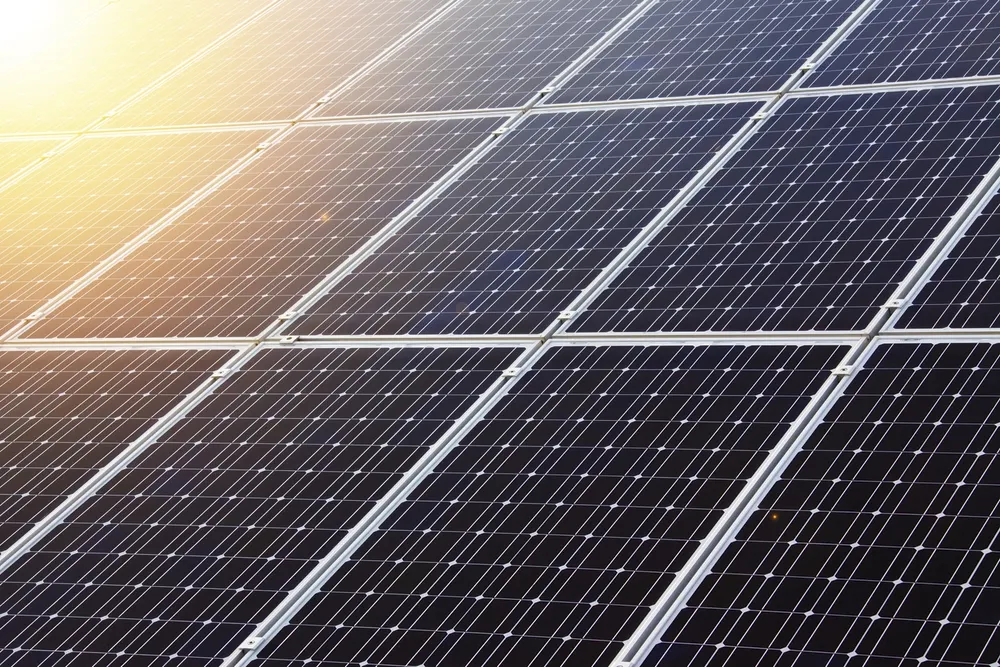
Solar Energy Panels. Image Credit: Creative Commons.
“All-solid-state batteries replace the liquid electrolyte in conventional cells with a solid material, which can improve safety and potentially increase energy density. They remain an active area of research rather than a commercial standard, but illite’s performance in early testing adds a dimension to this deposit that goes beyond traditional clay markets,” the Daily Galaxy explained.
However, the Illite process is more complicated than just taking it out of the ground. Like other unrefined elements, it must be analyzed and processed. Illite needs to be sliced up and bleached. Then potassium and aluminum are added. Each use case needs different levels of processing.
Use Cases You Don’t Find Every Day
Sometimes illite can be fun. The mineral can make a sauna much more enjoyable, thereby helping the region by providing a new tourist attraction. The steam is irresistible and can help a wine drinker recover after a long night of partying.
Can This Discovery Diversify the Economy?
Yeongdong is committed to researching the use of illite. There is a science and research center dedicated to the material. Economic development officials are working to make the county a best practices location for extracting it and finding new uses.
Scientists will have plenty of material to work with, and perhaps new industries will emerge, creating additional jobs for South Koreans in an economy that depends on auto manufacturing, smartphones, kitchen appliances, and information technology.
The Need for More Miners
Mining is becoming more popular in South Korea. A dormant tungsten mine in the country is now producing after decades of inactivity. The country needs to recruit miners. This may not be popular among young people with college degrees.
But the extraction industry often pays well, even though it can be hazardous to one’s health.
South Korea is looking for ways to diversify its economy beyond advanced manufacturing and electronics into natural resource extraction. This could be a successful economic strategy for the long haul, and geologists will be keeping their eyes open for new discoveries of metals and minerals.
This could become the future of commerce in South Korea, and that would be just fine with provinces outside Seoul looking for more ways to create high-paying jobs.
About the Author: Brent M. Eastwood, PhD
Author of now over 3,500 articles on defense issues, Brent M. Eastwood, PhD, is the author of Don’t Turn Your Back On the World: A Conservative Foreign Policy and Humans, Machines, and Data: Future Trends in Warfare, plus two other books. Brent was the founder and CEO of a tech firm that predicted world events using artificial intelligence. He served as a legislative fellow for US Senator Tim Scott and advised the senator on defense and foreign policy issues. He has taught at American University, George Washington University, and George Mason University. Brent is a former US Army Infantry officer. He can be followed on X @BMEastwood.