
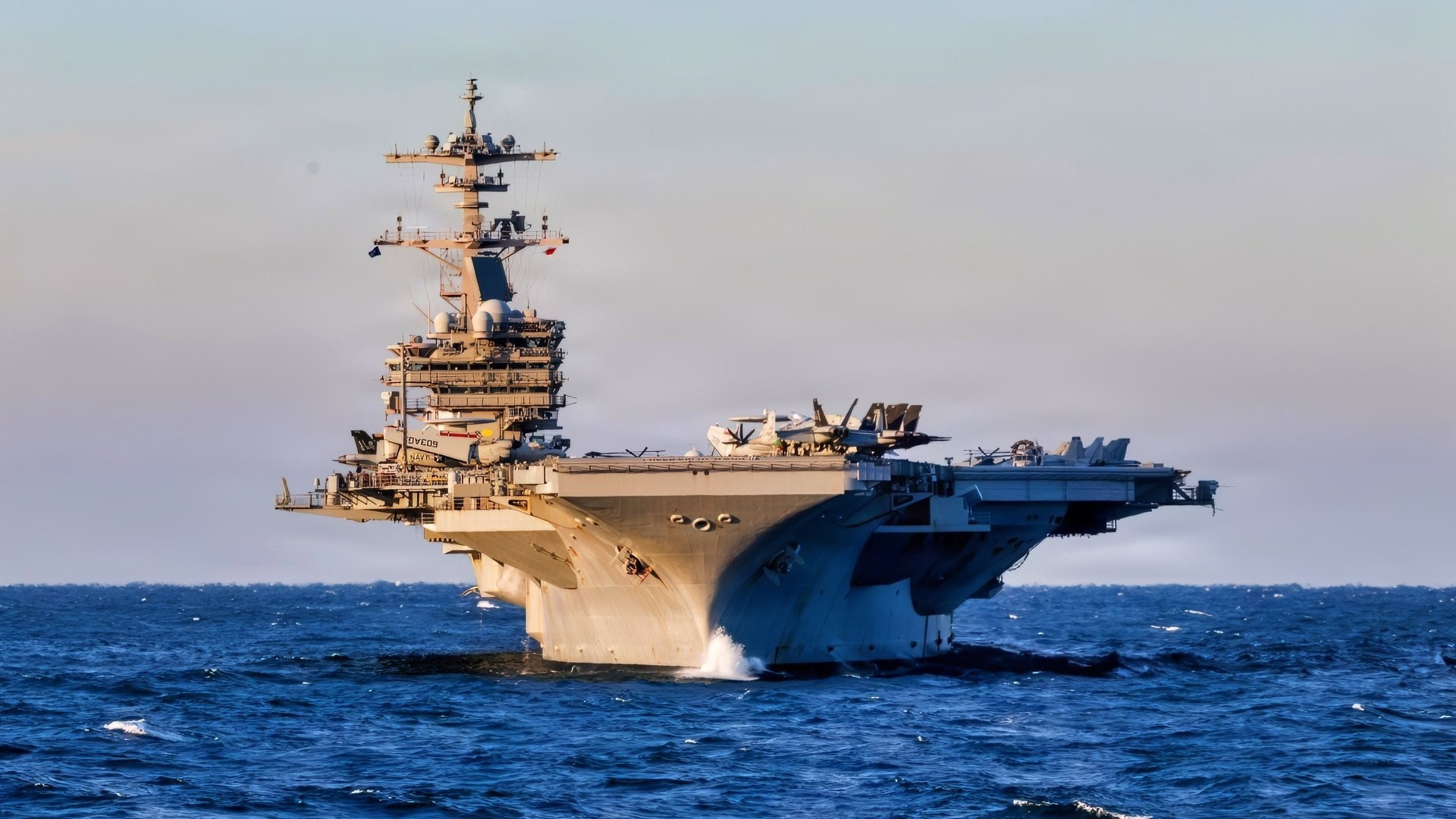
China Could Make Trouble for America By Selling To Iran Some Impressive Military Hardware
The Iranian military has taken a beating since the combined U.S.-Israeli air campaign began. Iranian air defenses have been systematically destroyed. The navy mainly rests at the bottom of the ocean. Iran’s ballistic missile production facilities are being targeted, and every time a missile launcher fires, it is targeted and destroyed.
While Iran still has missiles and launchers hidden in caves and bunkers, its capability has been severely reduced—some analysts believe by as much as 90 percent since the air campaign began.
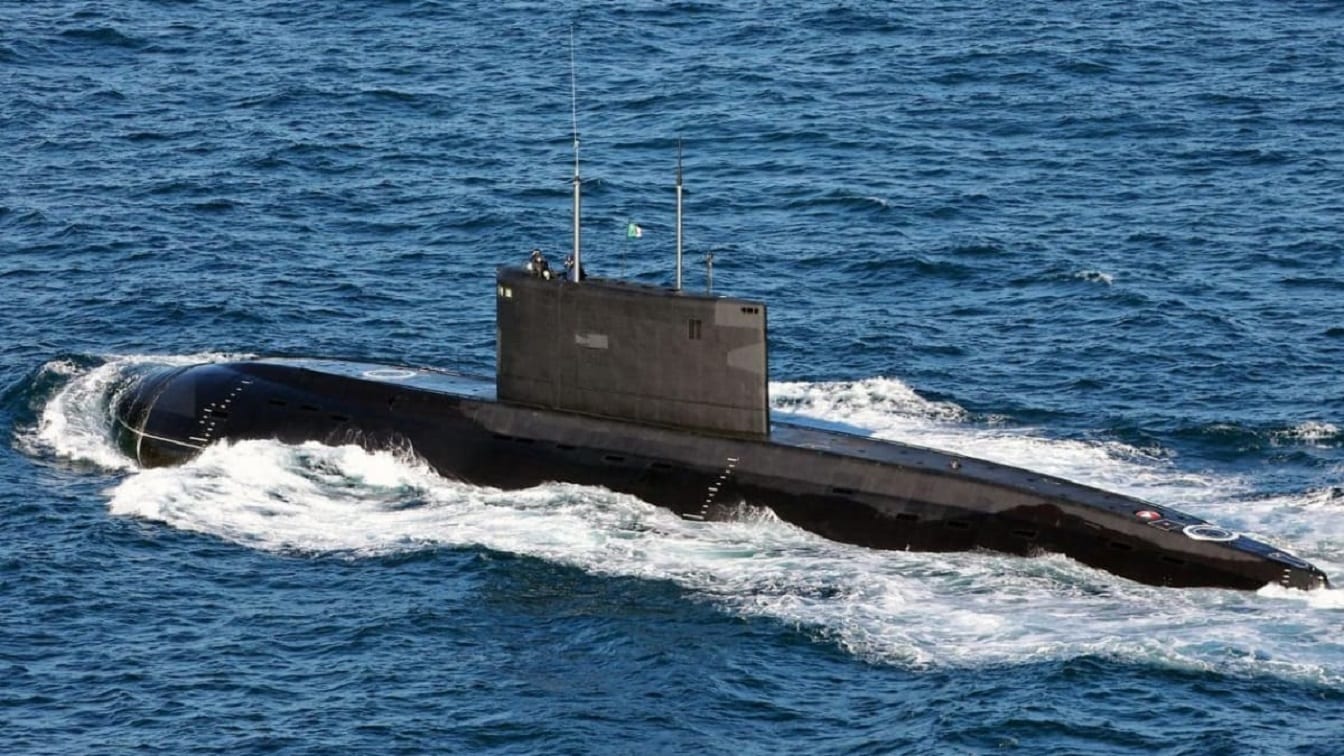
Iran’s Navy Has Kilo-Class Submarines. Image Credit: Creative Commons.
The campaign has entered a dangerous phase now. With most of the military targets destroyed, the regime is still in charge. While the two sides are engaged in negotiations (something Iran has never been serious about) what happens after the war ends and some remnants of the regime remain in place?
The regime will most certainly look to rearm, and while it will still receive some assistance from Russia, Moscow is having enough trouble supplying its own war effort in Ukraine.
Instead, China will supply the Iranian regime with new weapons, and China will benefit most from the regime surviving.
What Weapons Will Tehran Seek From China?
The Atlantic Council reported that, “China has supplied Iran with drones, anti-ship cruise missiles, surface-to-air missiles, and the components thereof, to aid in its aerial and maritime defense capabilities.
“In other instances, China directly supplies Iran with Western or Chinese technology components that are found in Iranian drones used against US military installations and economic interests in the Gulf, as well as on Russia’s battlefield in Ukraine.”
Iran wanted to significantly upgrade its military capabilities through Chinese technology before the start of this war. Rumored deals included advanced CM-302 anti-ship missiles and drone technology. One symbolic gesture involved a model of the J-20 Mighty Dragon stealth fighter.
Advanced weaponry would be intended to bolster Iran’s defense against regional adversaries following the degradation of its air defenses through the crushing air campaigns of Israel and the United States.
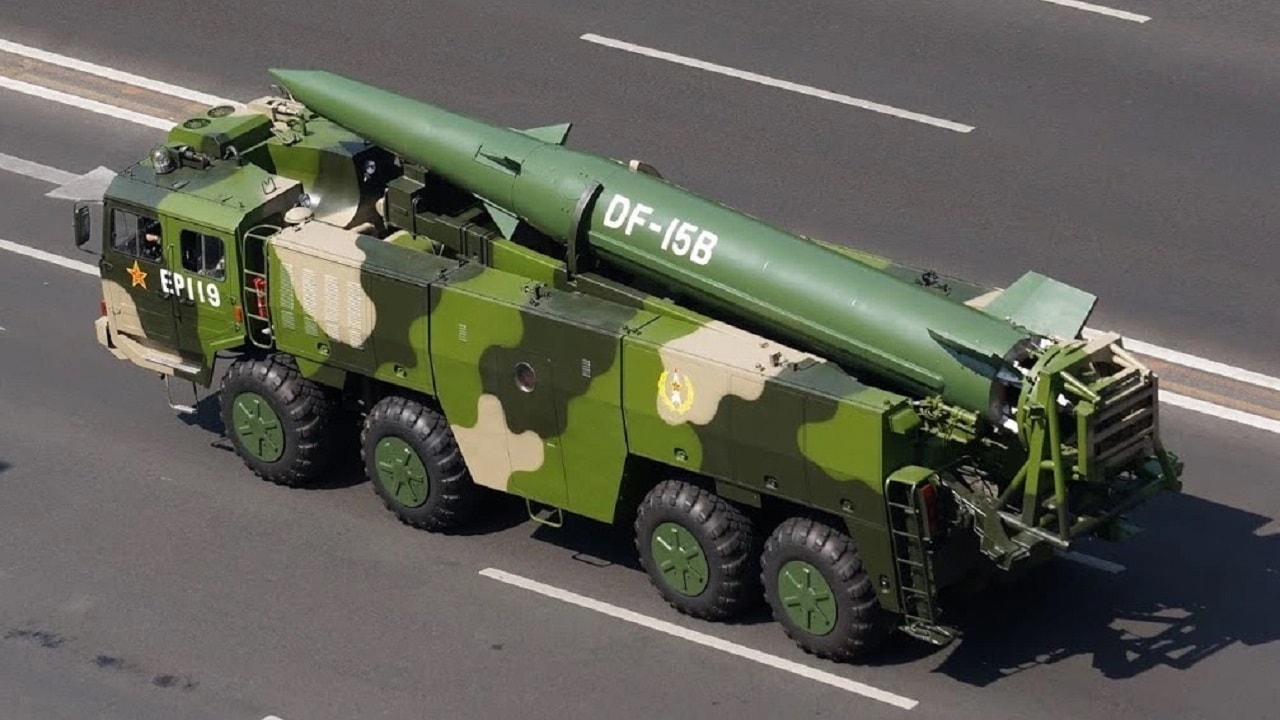
DF-15B missile from China
According to reports, negotiations on a deal began at least two years ago but quickly accelerated following the 12-Day war fought between Iran, the United States, and Israel last June.
According to Iranian officials, Tehran dispatched a delegation led by Deputy Defense Minister Massoud Oraei to China, accompanied by officials from the Defense Ministry and the Foreign Affairs Department.
The number of missiles Iran would seek to add to its arsenal remains unknown. But after hostilities end, weapons that Iran might want to buy include:
CM-302 Anti-Ship Cruise Missiles
HQ-9B Long-Range Surface-to-Air Missile Systems
Sunflower-200 Kamikaze Drones
FN-6 Shoulder-Fired Surface-to-Air Missiles (MANPADS)
DF-17 Hypersonic Glide Missiles
China’s “Carrier Killer,” The CM-302 Anti-Ship Missile:
A deal for the Chinese‑made CM‑302 missiles was near completion, though no delivery date has been agreed, six people with knowledge of the negotiations said to Reuters. However, this was just prior to the start of the current air campaign, which has taken out much of Iran’s defenses and airfields.
The CM-302 is a Chinese-developed, supersonic anti-ship cruise missile, widely considered an export version of the YJ-12 family and marketed as a premier “carrier killer”.
It features a 280–290 kilometer range, Mach 2.5–3.0 speeds, and a 250-kilogram warhead. It employs a low-altitude sea-skimming, high-speed terminal flight profile.
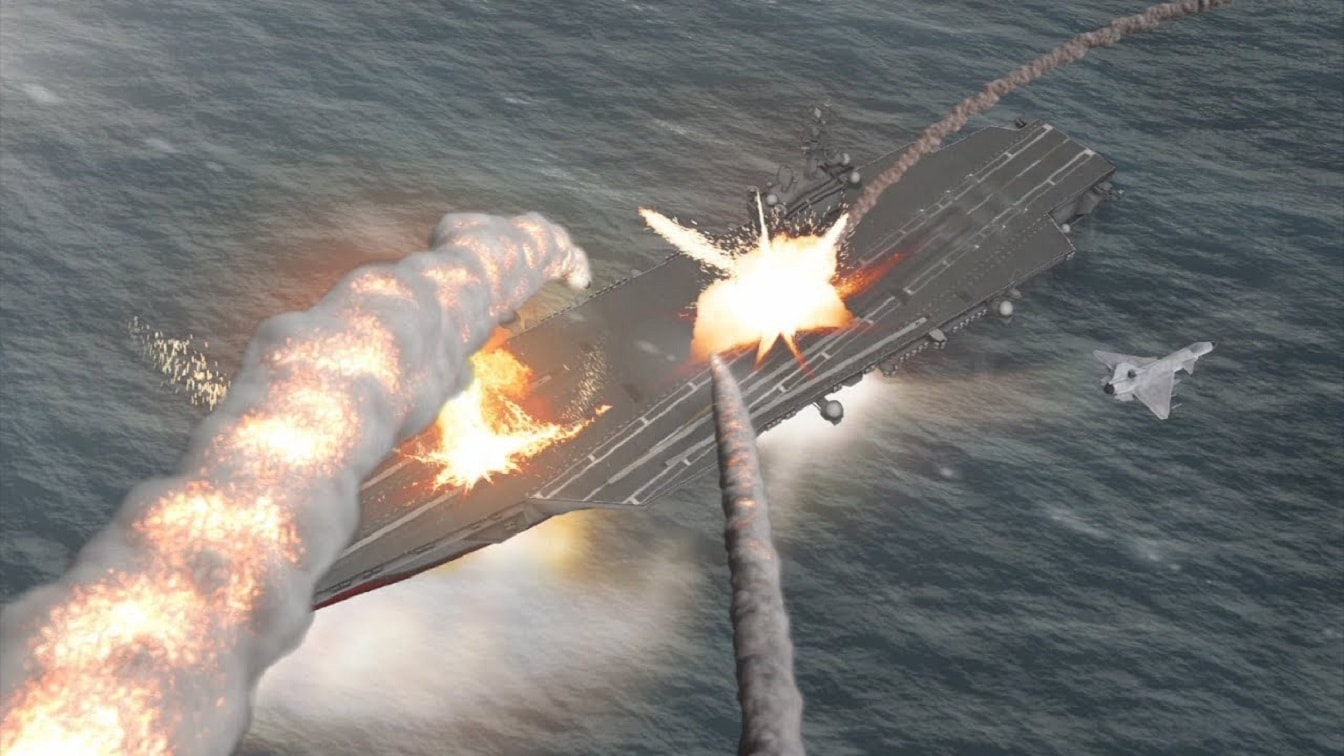
YouTube Screenshot of a Simulation of China Firing a DF-21 ASBM.
“It’s a complete game-changer if Iran has supersonic capability to attack ships in the area,” said Danny Citrinowicz, a former Israeli intelligence officer and now senior Iran researcher at Israel’s Institute for National Security Studies think tank. “These missiles are very difficult to intercept.”
These would be the most advanced weapons China has transferred to Iran. Such a transfer would violate a United Nations weapons embargo imposed in 2006. That embargo was suspended during the nuclear deal in 2015 and reimposed in September 2025.
The HQ-9B Long-Range Surface-to-Air Missile Systems:
Iran acquired advanced Chinese HQ-9B long-range surface-to-air missile systems in March 2025 and more in early 2026, via an oil-for-weapons deal to bolster its air defense against stealthy and high-altitude threats, particularly following the underperformance of its S-300PMU2 systems during the 12-Day War.
The Economic Times reported that, “Iran deployed the Chinese air defence system on Iranian nuclear sites but was unable to protect the important installations at the site. However, in an official statement, China has denied supplying the HQ-9 to Iran.”
Last June, the Israelis bypassed and then destroyed several Iranian HQ-9 installations during Operation Rising Lion. In Venezuela, Chinese-supplied radars and air defense systems failed to detect aircraft engaged in a U.S. operation, suggesting systemic deficiencies in integrated defense.
Sunflower-200 Kamikaze Drones:
The Chinese Sunflower-200 Kamikaze Drone closely resembles Iran’s Shahed-136 drone.
The Sunflower-200 is manufactured by the Chinese firm Cobtec. It is described as an improved version of the Shahed-136, with a similar delta-wing shape, an estimated 1,500 to 2,000 km range, and a 40-kg explosive warhead.
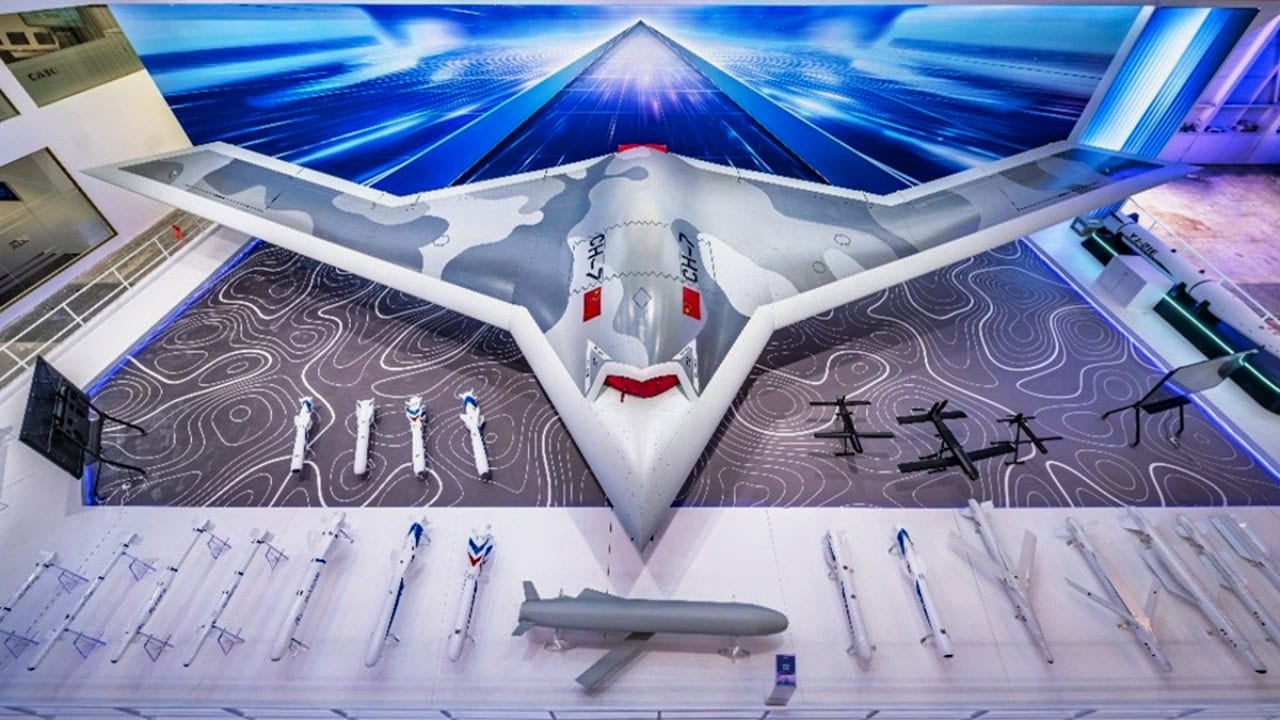
CH-7 Drone from China. From Chinese State Media.
China Defense’s website says, “the Sunflower-200 has a 3.2-meter length, 2.5-meter wingspan, and a flight speed of 160-220 kilometers per hour. It has a maximum take-off weight of 175 kilograms, a combat payload of 40 kilograms, and can fly up to 2000 kilometers to engage targets.”
FN-6 Shoulder-Fired Surface-to-Air Missiles (MANPADS):
China has already supplied the QW-series MANPADS to Iran, with some reports indicating Iran holds Chinese FN-6 systems. The recent near-miss on an F/A-18 Super Hornet by an Iranian MANPADS system featured this type of weapon.
The FN-6 is a third-generation passive infrared MANPADS with a 70 percent single-shot hit probability.
Israeli intelligence reports suggest Iran is also acquiring advanced Russian 9M336 Verba MANPADS.
DF-17 Hypersonic Glide Missiles:
The Dongfeng-17 is a Chinese solid-fuelled road-mobile medium-range ballistic missile designed to carry the DF-ZF hypersonic glide vehicle. The DF-17 is designed to evade defenses with high maneuverability and speed (Mach 5–10). It has an estimated range of 1,800–2,500 km, is 11 meters long, and can carry conventional or nuclear warheads.
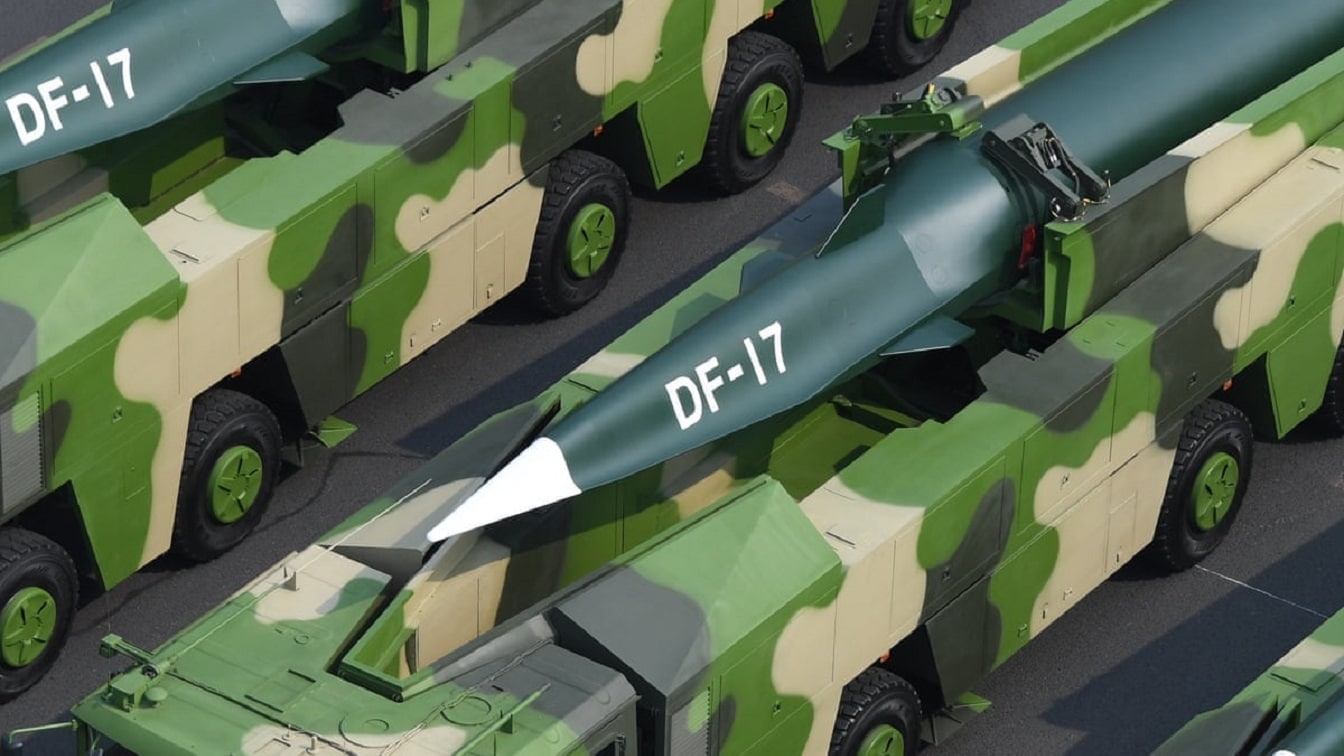
DF-17 Chinese Missile. Image Credit: Creative Commons.
Reports from earlier this year indicate that negotiations are underway for Iran to purchase advanced Chinese missiles, including a potential acquisition of the DF-17.
Defense Security Asia reported that, “Although Iran’s ballistic missiles have similar ranges, the DF-17 has better maneuverability, which can help it evade air defence systems.”
China’s Weapons Have Thus Far Failed To Hit US Ships and Aircraft:
There are reports that the Chinese have already supplied Iran with CM-302 anti-ship missiles and that none of them hit any U.S. warships.
According to Global Defense, China has already sent 50 CM-302s; 6 HQ-16B surface-to-air missiles; 1,200 FN-6 MANPADS; 300 Sunflower-200 Kamikaze drones; 3 HQ-9B anti-ballistic missile systems; and 50 HQ-9 anti-satellite missiles. The package was reportedly worth $5 billion.
However, GD reported that U.S. assets intercepted most of the CM-302s with Standard Missile (SM)-3 and SM-6 anti-aircraft missiles. Reportedly, some of the missiles malfunctioned mid-flight and failed to reach their targets.

A Falcon Heavy rocket launches into the sky, surrounded by smoke and fire during takeoff.
During the initial U.S. airstrikes, many more missiles were destroyed on the ground.
While these weapons signal a growing Chinese attempt to keep Iran under its sway, the apparent failure of these Chinese weapons to hit any U.S. targets would make for an uncomfortable moment for Chinese weapons manufacturers. They have constantly hyped these weapons as being built to sink U.S. warships, especially its carriers.
At least initially, the weapons failed miserably. That has to give Beijing pause as it contemplates its next moves.
About the Author: Steve Balestrieri
Steve Balestrieri is a National Security Columnist. He served as a US Army Special Forces NCO and Warrant Officer. In addition to writing on defense, he covers the NFL for PatsFans.com and is a member of the Pro Football Writers of America (PFWA). His work was regularly featured in many military publications.