U.S. Intelligence Says No Taiwan Invasion by 2027. Critics Say That’s Naive
The subject of China’s plans to invade Taiwan provokes steady debate, and arguments over the matter broke into the public arena once again this past week.
Sparking the new round of debate was the annual report on global threats by the Director of National Intelligence (DNI), which, according to some China experts, is wrong to assess the Chinese military does not plan an assault on Taiwan by 2027.
The DNI Annual Threat Assessment, known by its acronym ATA, was made public on March 16.
The assessment states that this year, Beijing will “probably” move forward with creating a set of necessary preconditions for annexing Taiwan, but that mainland actions would fall “short of conflict.”
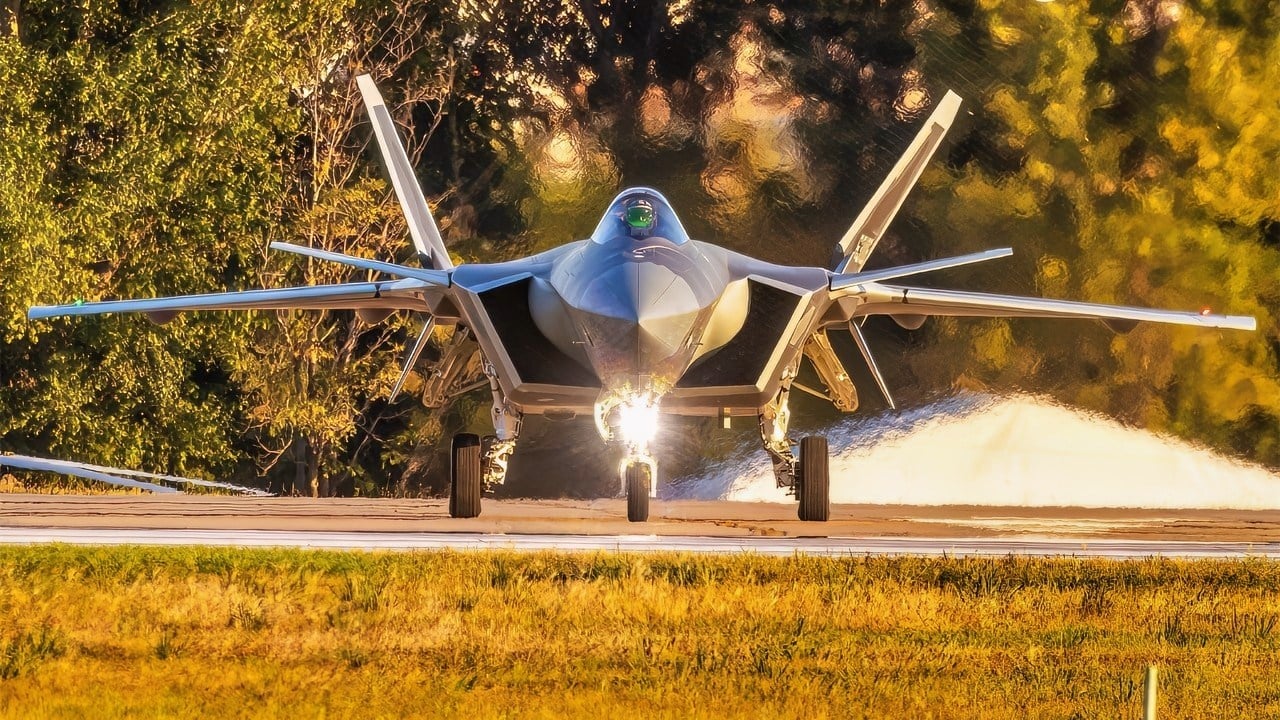
J-20 2026 New Image. Image Credit: PLAAF/Chinese Military.
The section of the report addressing this issue is called “China-Taiwan” and was drafted by David Shullman, who was the Deputy National Intelligence Officer for China on the DNI’s National Intelligence Council, according to former officials who spoke to U.S. media outlets to criticize the document.
Biden-Ere Holdovers
Prompting some criticism is that some of those involved in its preparation are holdovers from the Biden Administration who, state some of the critics, followed a consistent pattern of soft-pedaling assessments of China’s military and political ambitions, as well as the timeline.
“China, despite its threat to use force to compel unification if necessary and to counter what it sees as a US attempt to use Taiwan to undermine China’s rise, prefers to achieve unification without the use of force, if possible,” reads the report. The document also states that the People’s Liberation Army (PLA) continues to develop forces for an annexation of the island with military action, if ordered.
But the overall orientation of plans for Taiwan is downplayed, as the report says progress on PLA capabilities for an invasion continues and is “steady but uneven.”
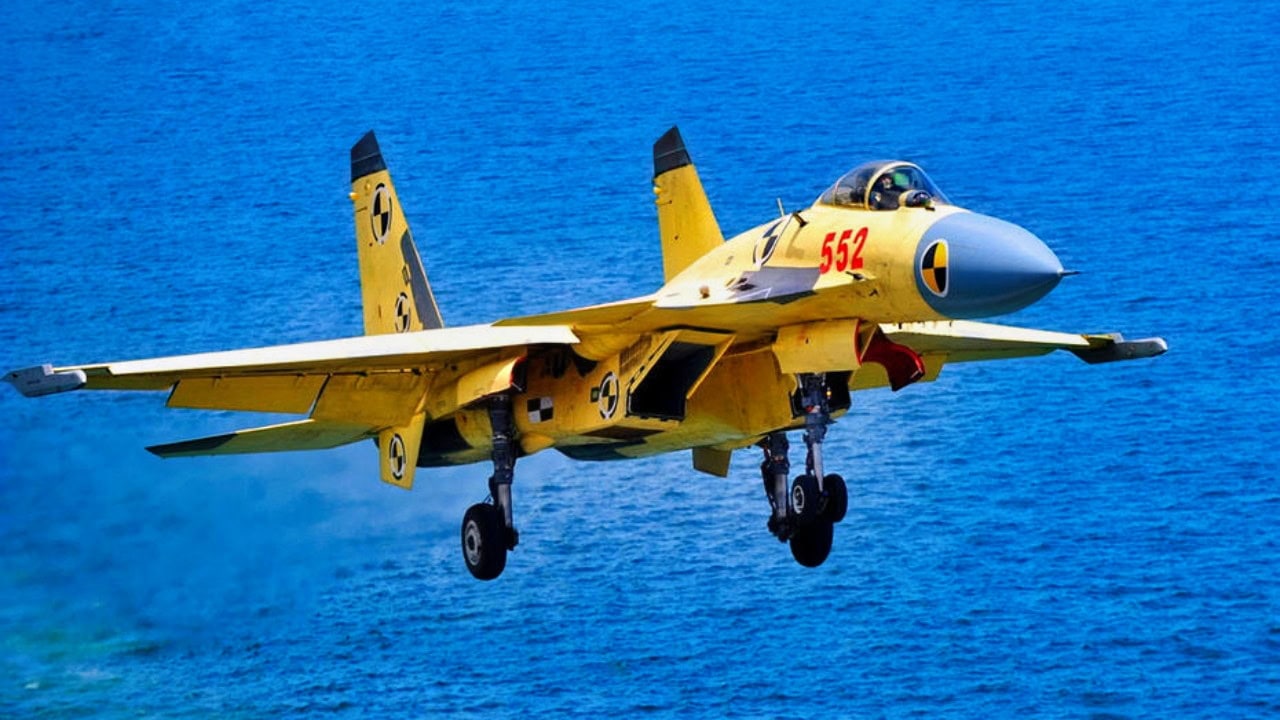
J-15 Flying Shark Fighter from China.
The report does concede the PLA continues to develop forces for an invasion, but does not say that a military takeover is Beijing’s goal.
Beijing’s Timetable
“The IC assesses that Chinese leaders do not currently plan to execute an invasion of Taiwan in 2027, nor do they have a fixed timeline for achieving unification,” the DNI report states. This seems to back down from estimates that 2027 was the deadline for an invasion.
This conclusion, however, ignores that Chinese President Xi Jinping, as well as other former and current members of the Chinese Communist Party leadership, have stated unequivocally that taking over the democratic-ruled island is required as part of a plan for so-called national rejuvenation by 2049.
The year 2019 is the 100th anniversary of Mao Zedong and the Communist Party taking over in 1949 from the Nationalist KMT government, following a brutal and violent revolutionary war. Mao’s army of communist guerrillas achieved victory in part due to extensive support from the Soviet Union, including strategy, equipment, and training.
The civil conflict that brought Mao to power killed millions—an estimated 1.5 million Communist troops, around 600,000 Nationalist troops, and approximately 5 million civilians.
“There is little reason to expect that a PRC invasion of the ROC would be any less brutal and bloody should the invasion bog down and turn into a protracted conflict – as has Russia’s invasion of Ukraine,” said a retired U.S. intelligence analyst.
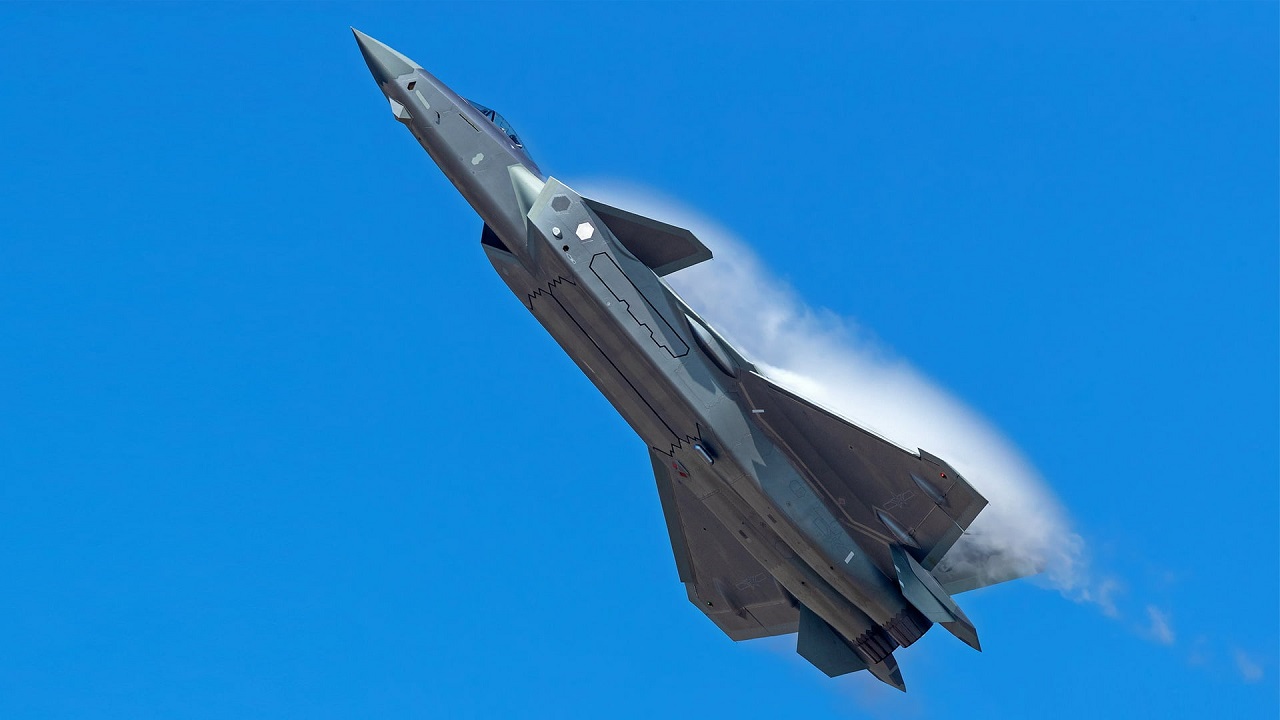
J-20 Stealth Fighter. Image Credit: Creative Commons.
Another senior China expert, a retired former U.S. Naval Intelligence Chief for the Pacific theater Captain James Fanell, told the Washington Times that NIOs like Shullman have long held influence on U.S. policy toward China. His particular position at the ODNI has for years been staffed by what he said are “China engagers”.
These tend to be individuals within the US intelligence community who built their careers and reputations on the view that engaging with China best serves U.S. interests.
“It’s nothing more but engagement for engagement’s sake,” said another former retired intelligence officer who served tours at the embassy in Beijing. “Meanwhile, the PLA keeps building more and more capacity, and we keep rather woodenly asking ourselves ‘is the invasion for real coming or not’.”
More: China’s H-20 Stealth Bomber Is Skipping 40 Years of Development
About the Author: Reuben F. Johnson
Reuben F. Johnson has thirty-six years of experience analyzing and reporting on foreign weapons systems, defense technologies, and international arms export policy. Johnson is the Director of Research at the Casimir Pulaski Foundation. He is also a survivor of the Russian invasion of Ukraine in February 2022. He worked for years in the American defense industry as a foreign technology analyst and later as a consultant for the U.S. Department of Defense, the Departments of the Navy and Air Force, and the governments of the United Kingdom and Australia. In 2022-2023, he won two consecutive awards for his defense reporting. He holds a bachelor’s degree from DePauw University and a master’s degree from Miami University in Ohio, specializing in Soviet and Russian studies. He lives in Warsaw.