
The U.S. Destroyed Iran’s Military. China, Russia, and North Korea Will Build a Better One: The United States and Israel have significantly degraded Iran’s military in a matter of weeks – but damage even at this scale does not resolve the underlying problem. Iran may well absorb these losses before adapting and rebuilding. Iranian capabilities must not only be degraded further, but measures must now be taken to ensure that it cannot rebuild those capabilities in the event that the current regime survives.
Iran already maintains relationships with China, Russia, and North Korea – three states with both the capacity and incentive to support its recovery. Those partnerships have shaped Iran’s military before, and there is no reason to assume they will not shape it again.

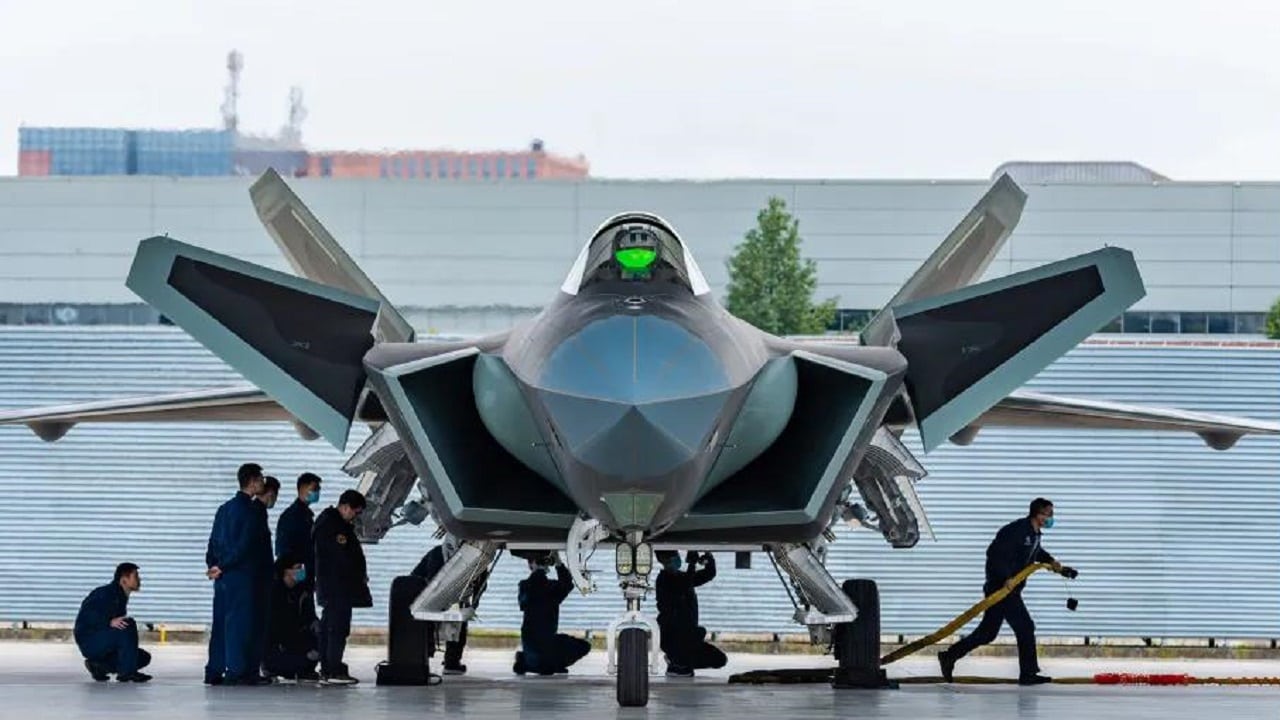
J-20 Fighter. Image Credit: Chinese CCTV.
If the current campaign ends without structurally limiting Iran’s ability to reconstitute its forces, or, indeed, without regime change (however that might be facilitated), then the result may not be a weaker Iran. It may simply mean Iran begins the process of rebuilding, waiting for a new American president without the same resolve as the current one, and working with its partners to modernize its military.
What Iran Has Lost, and What It Has Left
On April 8, Chairman of the Joint Chiefs of Staff Gen. Dan Caine provided the best assessment of the damage to Iran’s military capabilities yet. Speaking after more than a month of strikes, Caine confirmed that U.S. forces had struck more than 13,000 targets across Iran, destroying approximately 80% of the country’s air-defense systems, more than 450 ballistic missile storage facilities, 800 drone storage sites, and over 2,000 command-and-control nodes. He also claimed that more than 90% of Iran’s naval fleet and 95% of its naval mines had been eliminated.
It is clear, then, that the United States is inching closer to achieving its immediate operational objectives: to destroy or degrade Iran’s military capabilities and prevent Iran from obtaining nuclear weapons.
But the numbers revealed by Caine on Wednesday only reflect the capabilities lost now – and not the regime’s ability to rebuild. What happens next depends almost entirely on the United States’ next moves.
But before we get to what may come next, let’s first dig deeper into the context surrounding U.S.-Israeli victories so far. First, Iran’s air force was already outdated before the conflict began. Its fleet, made up of aging U.S.-supplied F-14s and Soviet-era MiG-29s, was never a modern force.
Destroying infrastructure degrades capability and is likely to make maintaining a future force more difficult, too, but it’s true to say that Iran already lacked contemporary air capability before the strikes. It has virtually no capability now.
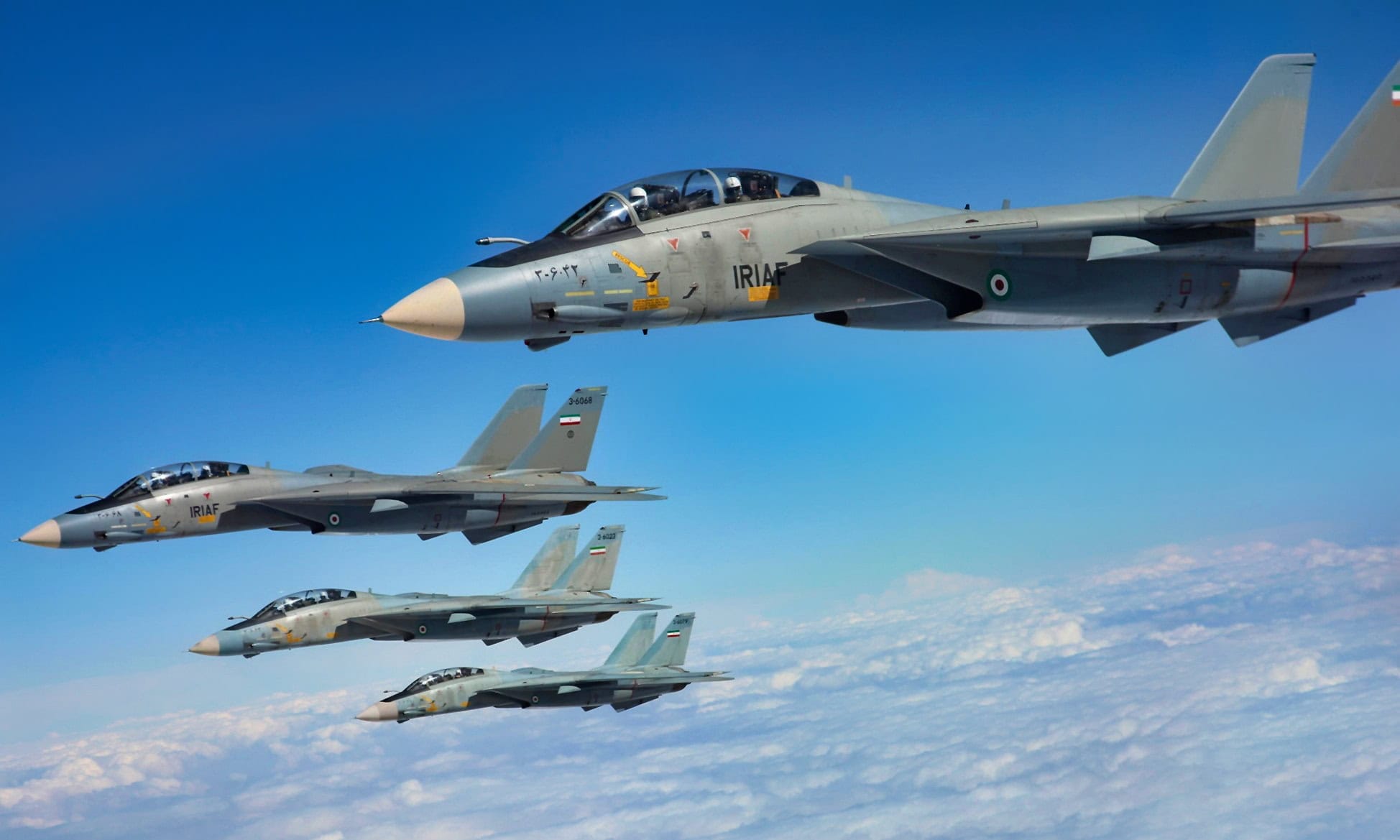
F-14 Tomcat. Image Credit: Creative Commons.
Regarding naval losses, it’s important to note that Iran has operated under an asymmetric naval doctrine before and continues to do so.
Even with 90% of its fleet destroyed, Iran retains the ability to conduct mine warfare, deploy anti-ship missiles, and use small, mobile assets to threaten maritime traffic in the Strait of Hormuz. We saw that only hours after a two-week ceasefire was agreed, Iranian state media announced that the Strait had been closed once again.
Third, missile capability has been massively degraded – but not yet completely erased. The destruction of storage sites and command nodes will reduce operational tempo, but mobile launchers and dispersed stockpiles are hard to eliminate entirely.
And then finally, there’s the nuclear question. In his April 8 remarks, Caine did not address the status of Iran’s highly enriched uranium stockpile, but President Donald Trump did insist on the same day that the U.S. would “dig up and remove” Iran’s enriched uranium that was buried following Operation Midnight Hammer. “There will be no enrichment of Uranium,” Trump said on Truth Social, making it clear that the total destruction of Iran’s nuclear program is non-negotiable.
Of course, the war is not officially over, and further strikes are perfectly likely, but degrading Iranian capabilities only works if it is accompanied by measures that ensure it cannot easily rebuild.
Could China, Russia, and North Korea Help Iran Rebuild?
Iran would struggle to rebuild its military on its own, especially if President Trump delivers on his promise to destroy critical infrastructure. China, Russia, and North Korea, however, all have their own distinct (but overlapping) reasons to support Iran.
China’s incentives are primarily economic. Beijing remains one of the largest importers of Iranian oil, buying more than 80% of the country’s shipped oil in 2025 and often purchasing it at discounted rates due to sanctions.
In March 2021, China and Iran formalized their relationship through a 25-year cooperation agreement that spanned energy and infrastructure and included security agreements.
There is, therefore, a long-term commitment that isn’t likely to be hindered by U.S. hostilities. China has an interest in maintaining Iran as a stable, anti-U.S. actor in the Middle East while expanding its economic and technological influence without direct military confrontation.
Chinese firms are already a part of the supply chain supporting Iran’s missile program, exporting precursor chemicals used for rocket fuel.
Russia’s incentives are different. Since the start of the war in Ukraine, Iran has supplied Russia with drones used extensively in strikes on Ukrainian infrastructure. In February 2024, reports indicated that Iran had also provided Russia with hundreds of ballistic missiles.
Cooperation between the two countries, therefore, already exists – and Russia may calculate that a stronger Iran would complicate U.S. operations in the Middle East (it does), and force Washington to divide its attention between theaters – a strategic benefit for Moscow.
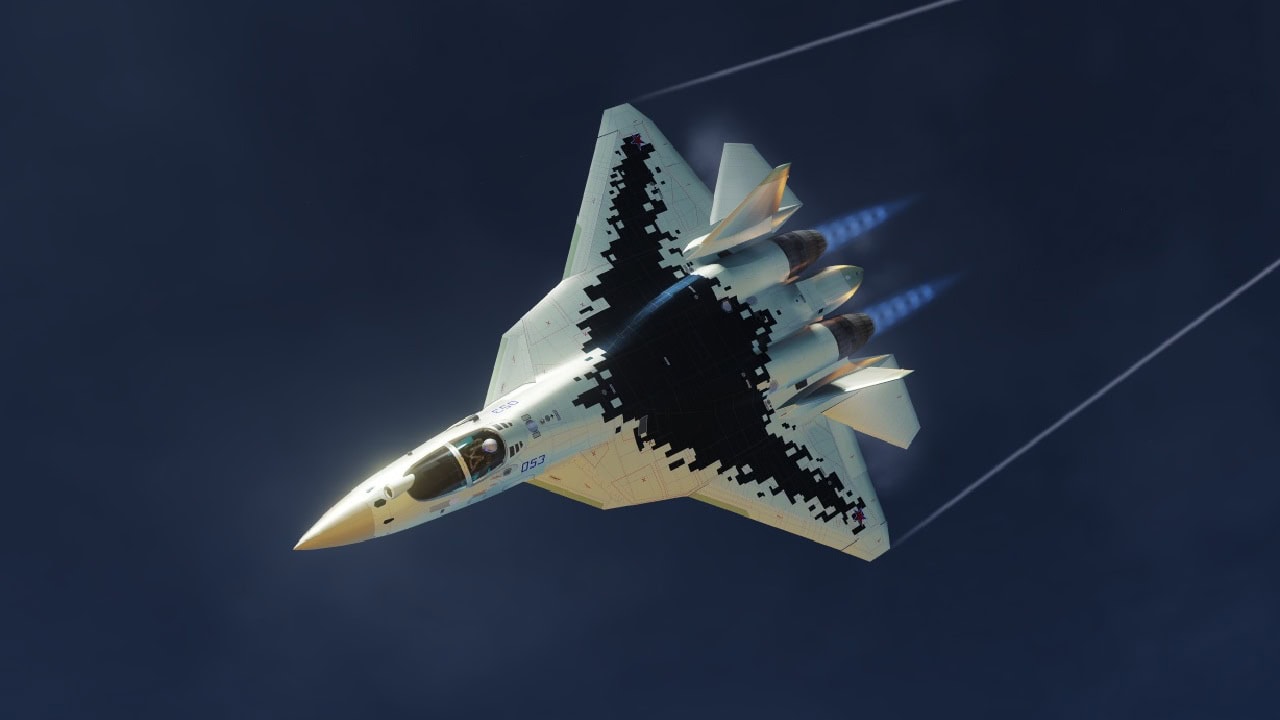
Su-57. Image Credit: Artist Created Image.
North Korea’s connection to Iran is arguably much more straightforward. The country has a long history of missile collaboration with Iran dating back to the Iran-Iraq War, when it acted as both a supplier and intermediary for Soviet and Chinese systems.
Iranian missile systems, including the Shahab series, are widely believed to be derived from North Korean designs. North Korea generates revenue through proliferation and faces minimal additional sanctions risks. And, like Iran, it is an adversary of the United States. There is no reason those two countries would not work together.
Iran, therefore, has a network that could support it – including two particularly powerful global players.
The Worst Case Scenario
If Iran can successfully rebuild after the current conflict ends, it is unlikely to restore its former capabilities. Restoring an aging, patchwork force of Soviet and American assets is unlikely, while obtaining newer systems from its allies seems well within the realm of possibility.
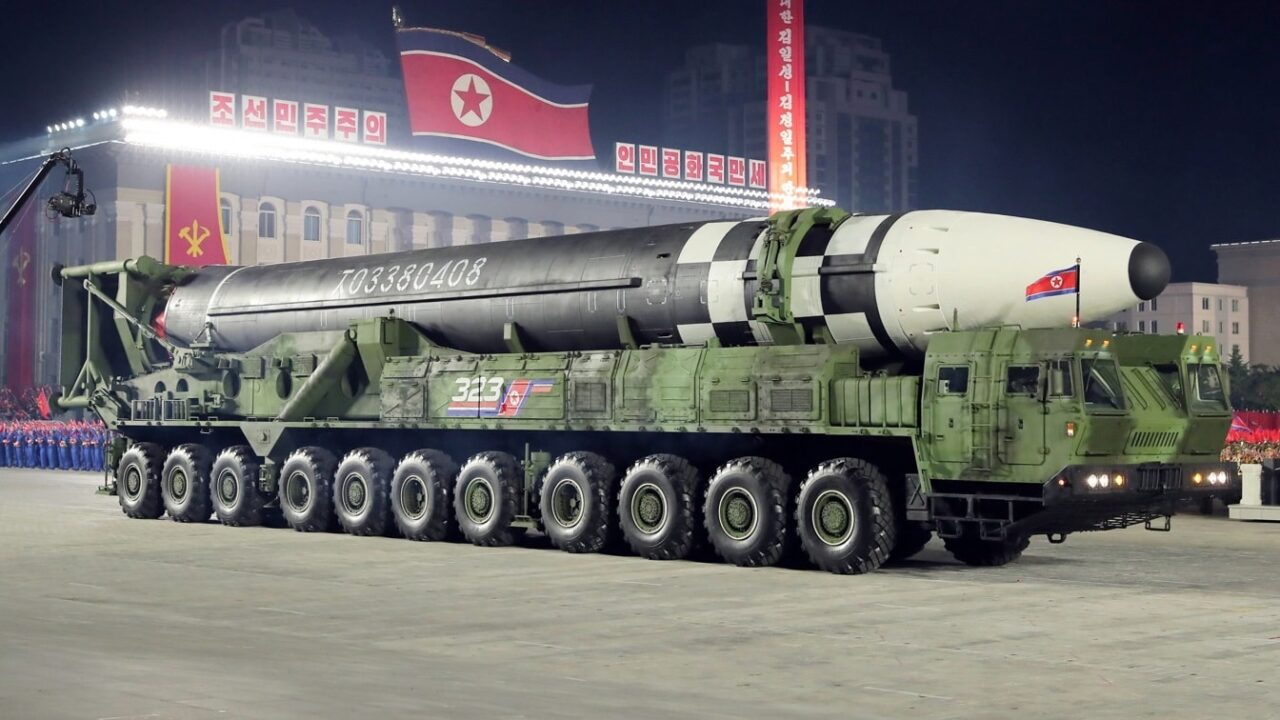
North Korean Hwasong-16 ICBM. Image Credit: KCNA/North Korean State Media.
Air power could shift from its old collection of largely useless platforms to a hybrid force combining Chinese aircraft, Russian subsystems, and domestically produced drones.
Its missile forces could evolve toward longer-range and more survivable systems, incorporating North Korean advances in propulsion and guidance. And its naval capabilities may become more sophisticated, focusing on drones and precision anti-ship missiles, while also advancing in mine warfare.
Critically, any reconstruction effort would likely occur alongside attempts to rebuild (or conceal) a nuclear program. The best indicator of future behavior is past behavior, and Iran’s efforts to conceal its nuclear program are very well-documented at this point.
This is all possible – but it is not inevitable.
How To Stop It
What happens now will determine whether Iran remains degraded or begins rebuilding with external support. That means continued pressure is not optional. It must go beyond simply degrading military capabilities – it must involve isolating Iran from its partners.
President Trump has already signaled one potential pathway. In March, reports indicated that his administration was actively considering reducing oil sanctions on Russia, including broader relief and targeted measures that would allow countries such as India to continue purchasing Russian crude, and by March 13, the administration had issued a 30-day waiver for certain Russian oil cargoes as part of efforts to stabilize energy markets disrupted by the Iran conflict. If pursued further, efforts like this could theoretically weaken the deepening Iran-Russia relationship.
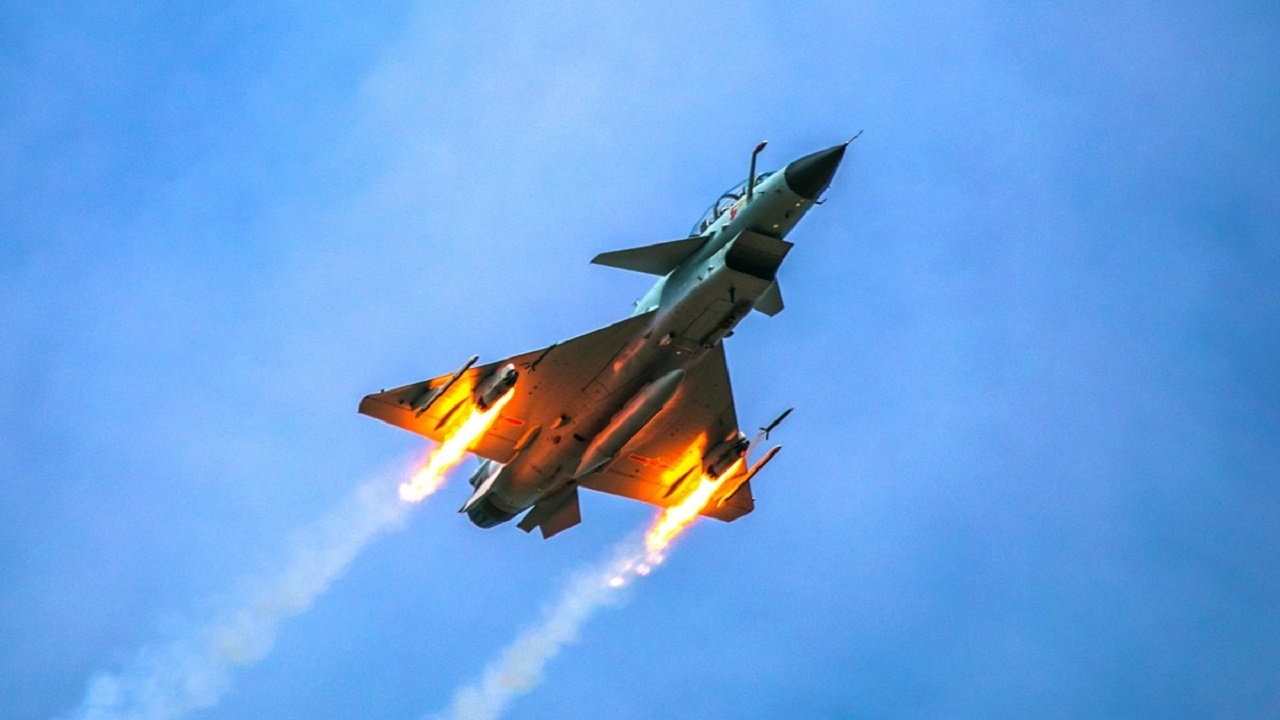
J-10 Fighter. Image Credit: Creative Commons.
At the same time, internal pressure inside Iran is growing. Reza Pahlavi, the son of the last Shah, shared a video message in recent days asking members of the Iranian armed forces to turn against the regime.
If Iranian power is degraded far enough – and if those internal fractures keep widening – the regime may not survive long enough to rebuild at all. That should, ultimately, be the objective in Iran – because if the regime falls, the scenario in which Russia, China, and North Korea help Iran reconstruct a more advanced military never materializes.
About the Author: Jack Buckby
Jack Buckby is a British researcher and analyst specializing in defense and national security, based in New York. His work focuses on military capability, procurement, and strategic competition, producing and editing analysis for policy and defense audiences. He brings extensive editorial experience, with a career output spanning over 1,000 articles at 19FortyFive and National Security Journal, and has previously authored books and papers on extremism and deradicalization.