
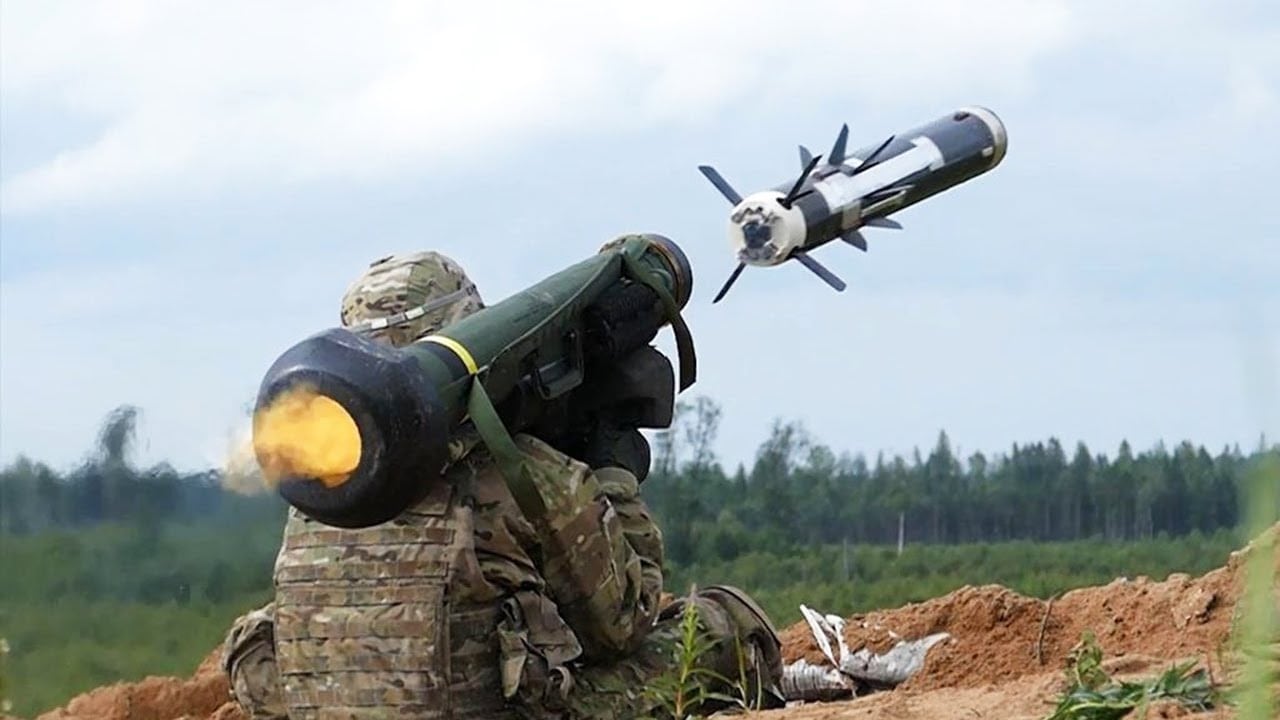
The US Army has officially received the next-generation Javelin anti-tank weapon system, featuring a new Lightweight Command Launch Unit (LW-CLU) that significantly improves range, detection capability, and mobility. At a glance, the upgrade may appear incremental. But in reality, the upgrade reflects several lessons learned from recent conflicts in Ukraine and the Middle East, as well as broader concerns about stockpile depletion.
The Upgrades for the Javelin
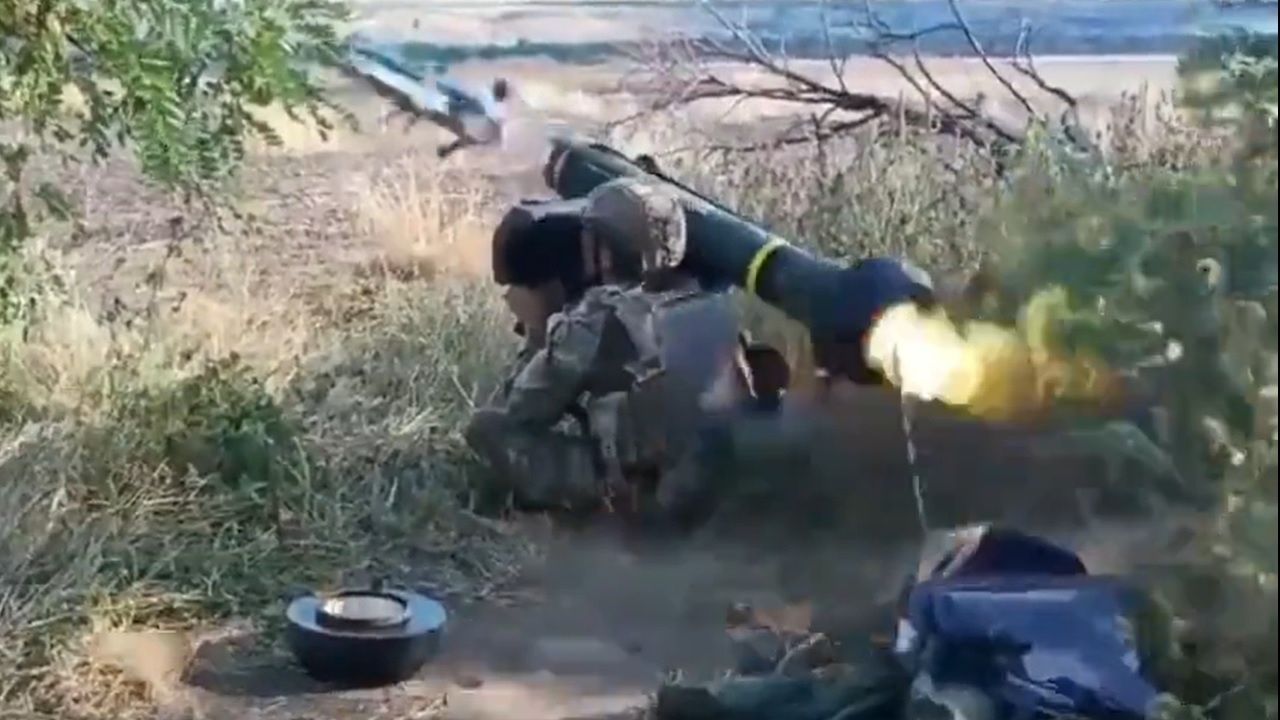
Javelin Attack. Image Credit: Twitter Screenshot.
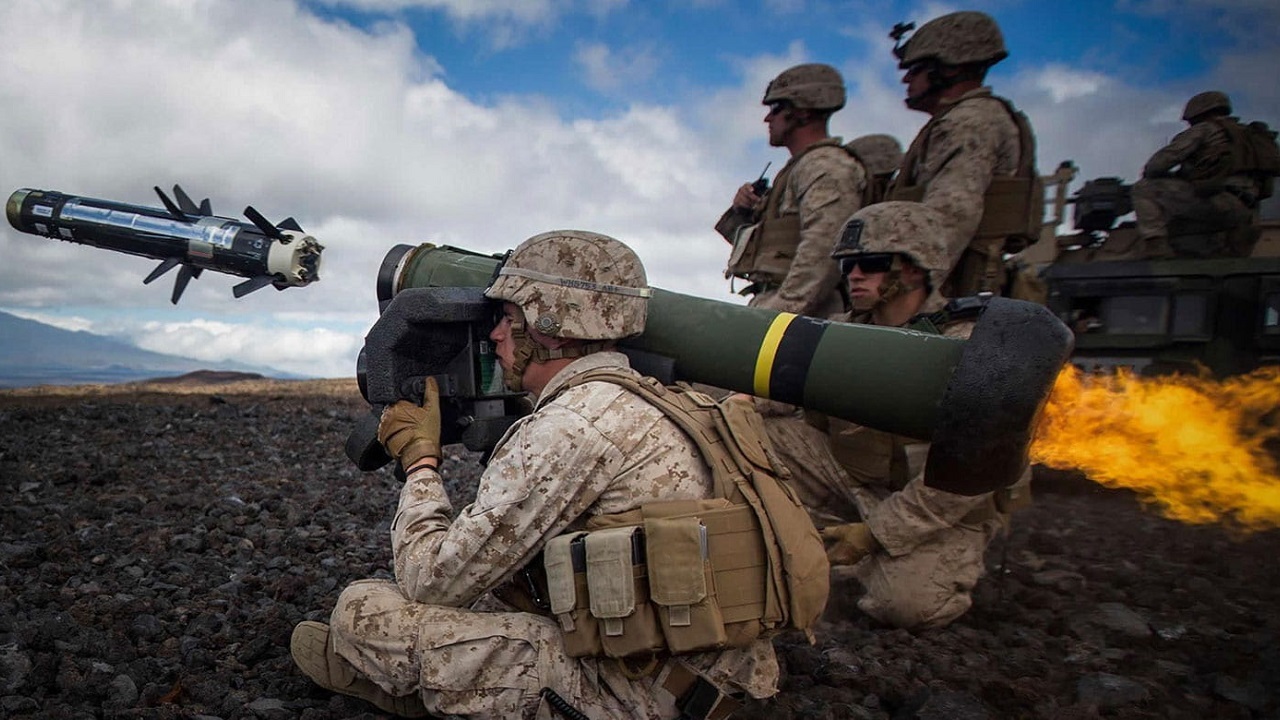
Javelin Anti-Tank Missile. Image Credit: Creative Commons.
The new Javelin is significantly upgraded with multiple improvements. For starters, the detection range has been doubled. New thermal imaging and sensor package reportedly doubles target detection and recognition range compared to legacy launch units. Now, operators can identify threats farther away and engage before entering enemy engagement envelopes.
The range has been increased, too. While the current Javelin’s effective range is roughly 1.5 miles, the future G-model missile pushes range to just over 2.5 miles, roughly a 60 percent increase in engagement distance.
Weight has been reduced; the LW-CLU is 25 percent lighter and approximately 30 percent smaller—easier for infantry operating on foot in difficult terrain to manage. And, the new Javelin has backward compatibility, meaning the new launcher works with legacy missiles, allowing the Army to avoid creating separate logistics chains for new missiles.
Applied to Modern Warfare
Ukraine fundamentally changed assumptions about warfare. Specifically, persistent drone surveillance, experienced for the first time in Ukraine, means that battlefield concealment is increasingly difficult.
Infantry teams that linger too long become artillery targets; mobility now equals survivability. The LW-CLU reflects this reality. A lighter launcher means faster movement, quicker displacement, less operator fatigue, and a smaller visual signature.
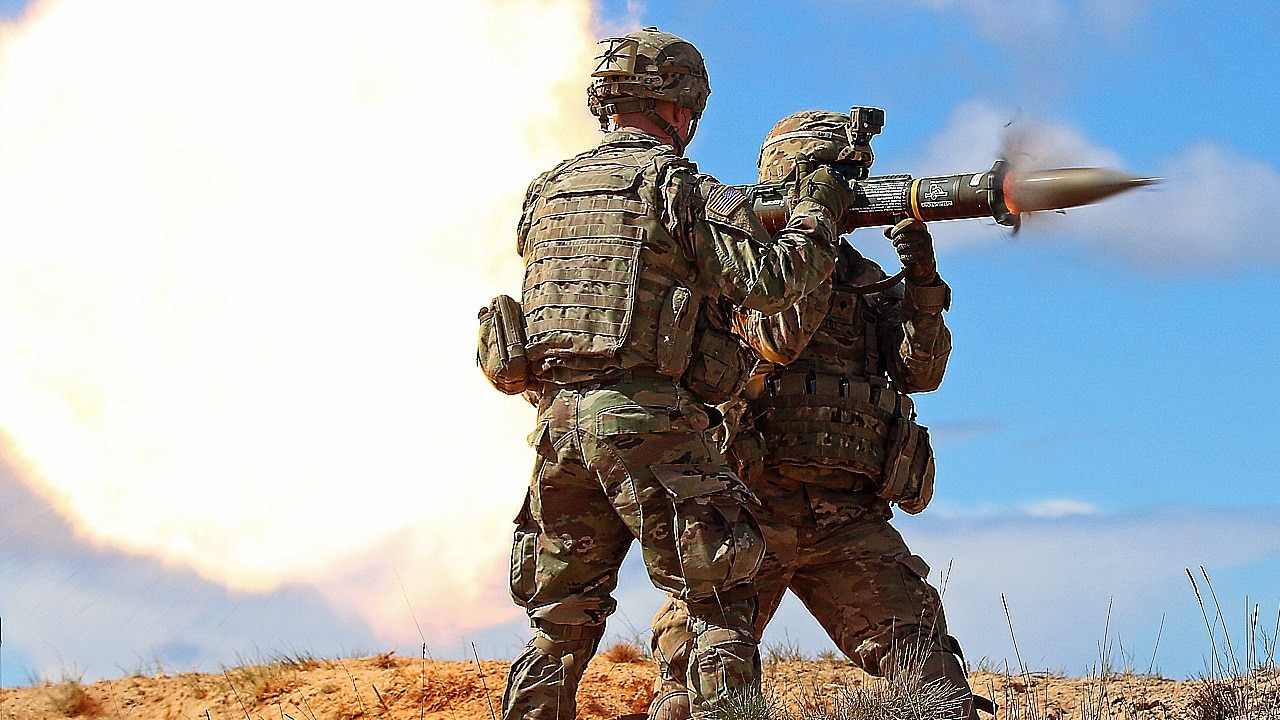
Spc. Chengjie Liu (right), fires an AT-4 anti-tank weapon as Sgt. Jacob Saccameno, both infantrymen assigned to Headquarters and Headquarters Troop, 3rd Squadron, 2nd Cavalry Regiment, supervises and assists during an anti-tank and air defense artillery range, April 23, at Adazi Military Base, Latvia. American and Latvian soldiers trained using a variety of weapons, including Javelin anti-tank missiles, Carl Gustav recoilless anti-tank rifles and the RBS-70 Short-range air defense laser guided missile system. Soldiers from five North Atlantic Treaty Organization nations, including Canada, Germany and Lithuania, have been conducting a variety of training together during Summer Shield XIII, an annual two-week long interoperability training event in Latvia. (U.S. Army photo by Sgt. Paige Behringer)
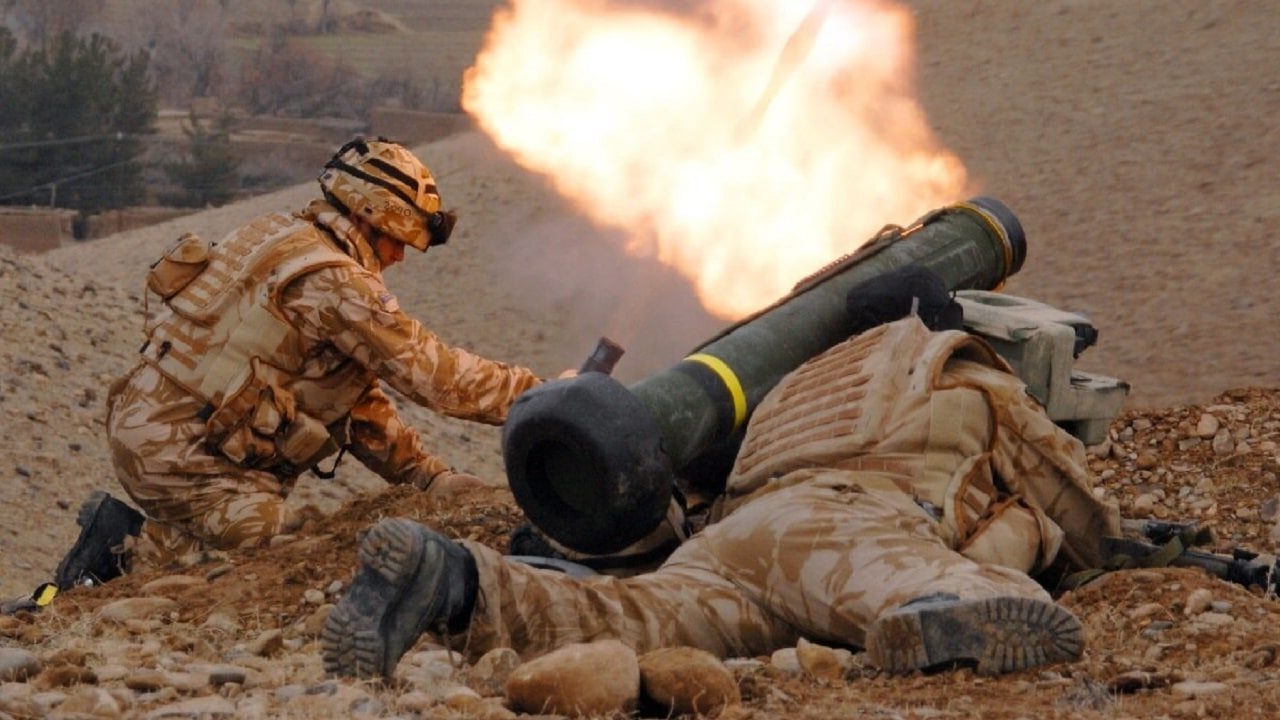
Javelin anti-tank missile being fired along with a mortar. Image credit: UK government.
And while the weight reduction is important, the increased detection range may offer an even larger tactical advantage—because the first soldier to see the target usually wins. A Javelin team detecting armor several miles away can engage before enemy crews even realize they have been spotted—a massive advantage.
The Tech Specs
The new Javelin’s defining feature is the same defining feature as the old Javelin’s: fire-and-forget. Unlike older anti-tank missiles, the Javelin does not rely on wire guidance or continuous laser designation, meaning operators do not need to remain exposed after launch.
The Javelin locks onto the target’s thermal signature before launch. Then, after launch, the missile guides itself, allowing the operator to immediately relocate. In a drone-saturated battlefield, that capability is increasingly valuable.
What made the Javelin famous was its ability to kill tanks from above.
Deploying a top-attack profile, the missile climbs after launch before diving onto a tank’s turret roof, striking the tank’s weakest armor.
The Javelin features a tandem warhead design. Stage one defeats explosive reactor armor (ERA) while stage two penetrates underlying armor and destroys the vehicle from within. The result is that a small infantry team can destroy a multi-million-dollar armored vehicle.

U.S. Army Spc. Colton Davis, an infantryman assigned to Company C, 2nd Battalion, 198th Armor Regiment, 155th Armored Brigade Combat Team, Mississippi Army National Guard, fires a Javelin shoulder-fired anti-tank missile during a combined arms live fire exercise as part of Exercise Eastern Action 2019 at Al-Ghalail Range in Qatar, Nov. 14, 2018. The multiple exposure photo demonstrates the multiple stages the missile goes through after it is fired by Davis. This is a multiple-exposure photo. (U.S. Army National Guard photo illustration by Spc. Jovi Prevot)
Lessons from Ukraine
More than 10,000 Javelin systems have reportedly been sent to Ukraine. Indeed, the weapon became one of the defining symbols of the war’s early phases.
But the platform’s success created a new problem: stockpiles were heavily depleted. This forced the Pentagon to address two tasks simultaneously—modernizing the weapons and rebuilding inventories.
The timeline for the new Javelin tells a story in and of itself. The contract was awarded back in 2022, with an expected delivery of 2025.
But actual delivery didn’t happen until 2026. The delay was the result of software issues, setbacks in G-model testing, and failed missile flight tests.
The takeaway is that modern weapons are difficult to produce quickly. Raytheon reportedly invested an additional $22 million into production expansion simply to keep the program moving. This reinforces a larger concern increasingly discussed in defense circles, that the US can design exceptional weapons, but scaling production during wartime remains difficult.
Strategic Implications
The Javelin upgrade reflects broader trends. First, modern warfare increasingly rewards lightweight, highly mobile precision weapons over heavier formations. Second, the US is attempting to rebuild inventories while simultaneously modernizing them.
And third, industrial capacity has become a strategic variable.
The challenge today is not just inventing advanced weapons but producing them fast enough to keep pace with battlefield depletion.
About the Author: Harrison Kass
Harrison Kass is a writer and attorney focused on national security, technology, and political culture. His work has appeared in Tablet, City Journal, The Hill, The Spectator, and The Cipher Brief. He holds a JD from the University of Oregon and a master’s in Global & Joint Program Studies from NYU. More at harrisonkass.com.