Key Point and Summary – Washington approved an $11 billion arms package for Taiwan on December 17, the largest U.S. sale to the island.
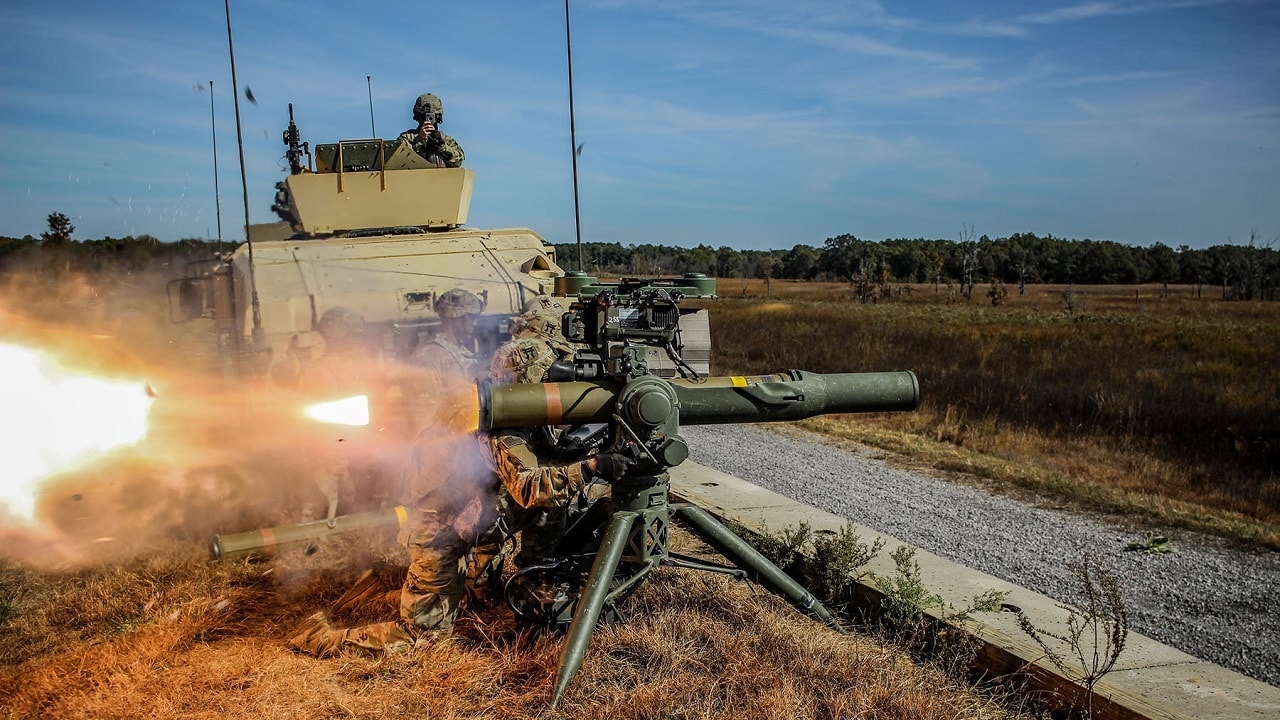
-The deal bundles eight cases, including 82 HIMARS launchers and 420 ATACMS missiles, 60 self-propelled howitzers, drones, software, Javelin and TOW missiles, plus Harpoon refurbishment kits and helicopter spares.
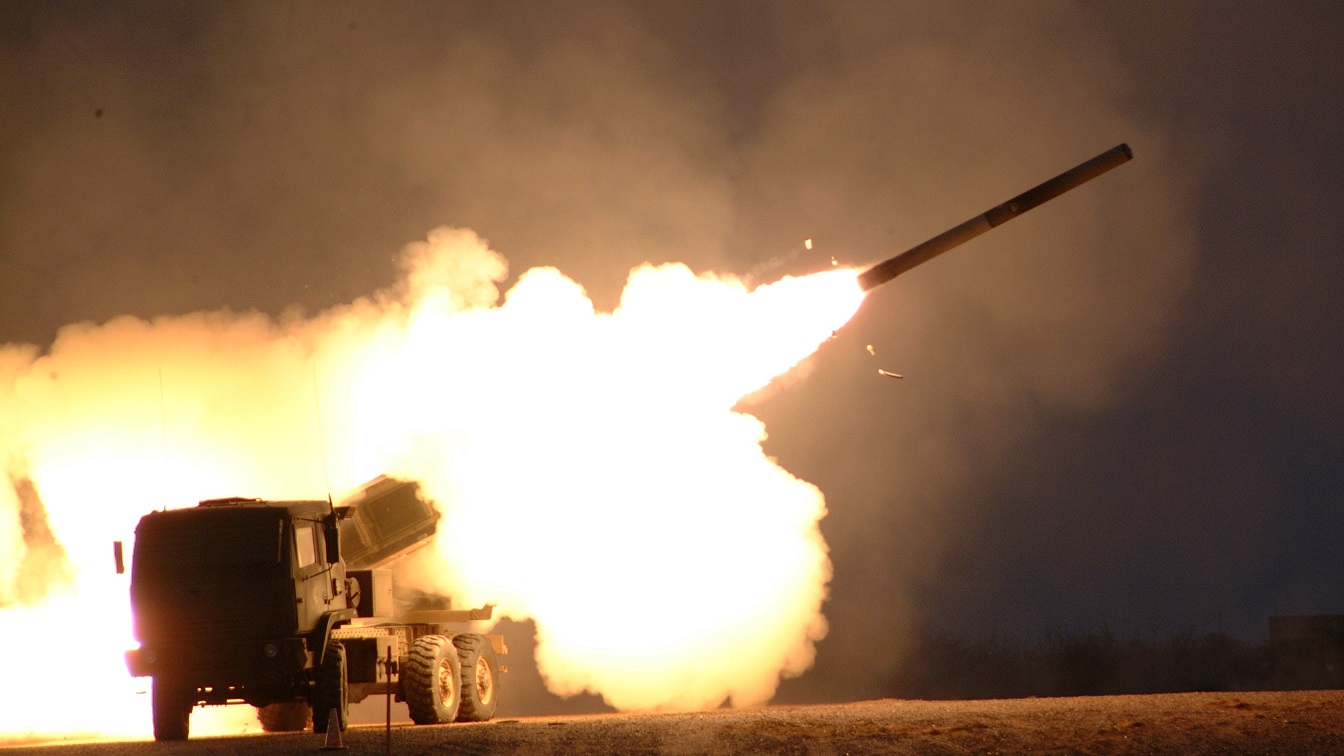
HIMARS. This is similar to what is being used in Ukraine.
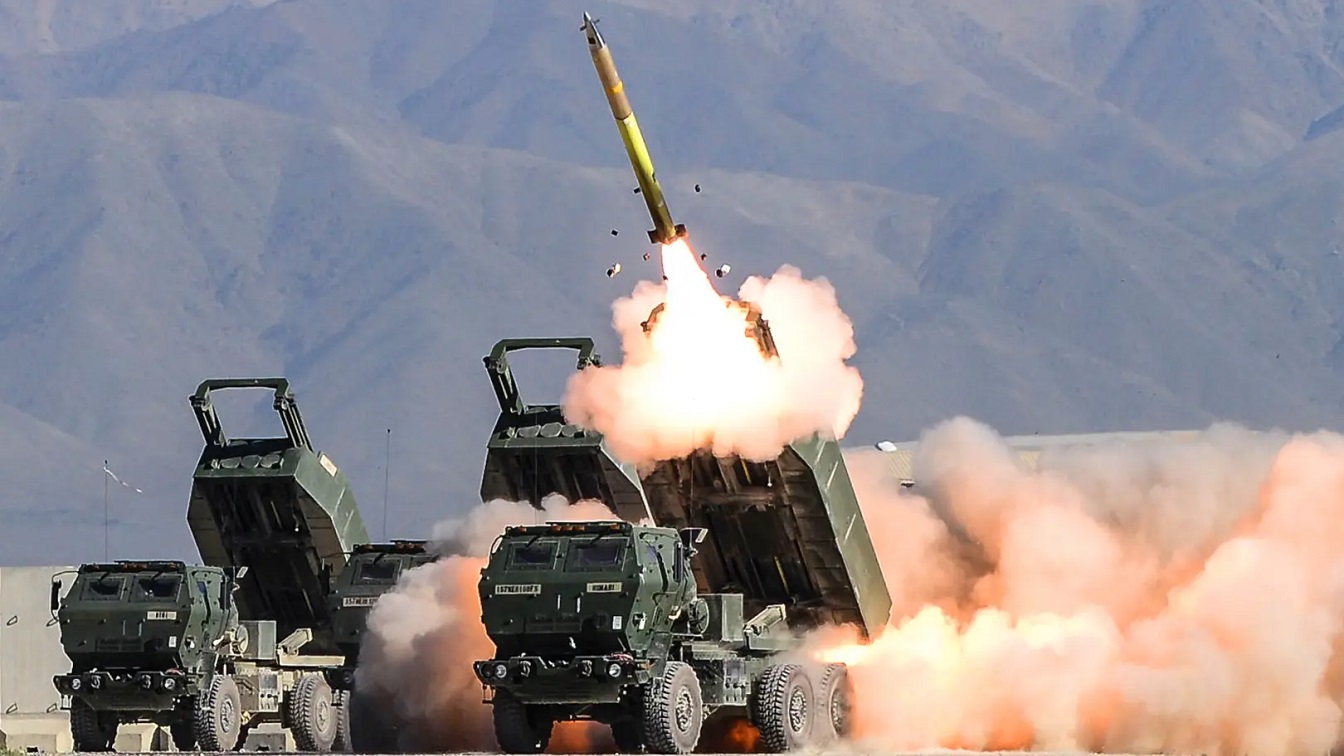
HIMARS Training: Credit – Wisconsin National Guard / Sgt. Sean Huolihan. Wisconsin National Guard / Sgt. Sean Huolihan
-The State Department said the transfer supports Taiwan’s modernization and regional stability.
-Beijing condemned the move as a sovereignty violation and warned of escalation. Taipei welcomed the sale and reiterated its focus on asymmetric defense and whole-of-society resilience.
-Officials highlighted the package’s benefits for U.S. defense firms, while analysts cite 2027 risks.
Trump Greenlights Record $11B Taiwan Arms Package in Major Signal to Beijing
Fort Lauderdale, Florida – On December 17, the Trump administration announced it had authorized an $11 billion arms package to Taiwan. This is the largest ever U.S. weapons package delivered to the island-nation. The largest previous arms transfer of its kind was an $8.4 billion sale during the Biden administration.
This announcement marks the second arms sale under current U.S. President Donald Trump. The move is interpreted as a message to Beijing, as China ramps up its military and diplomatic pressure against Taiwan. The mainland claims sovereignty over the island nation and officially objects to any sales of armaments to Taipei.
The U.S. Department of State announced the sale late in the day. Observers of the U.S.-Republic of China relationship noted that the announcement focused on dollar value and the benefit to U.S. defense contractors, but made few references to tensions between the United States and the People’s Republic of China.
Over the past year, Beijing has intensified its pressure on Taiwan. Analysts and military leaders believe the Chinese Communist Party intends to incorporate Taiwan by 2027, through force if necessary.
Line Items
The agreement announced by Trump is actually composed of eight individual arms sales. Included are 82 high-mobility artillery rocket systems (HIMARS) and 420 Army Tactical Missile Systems (ATACMS).
These systems are similar to what the United States provided to Ukraine during the Biden administration. This part of the package is worth more than $4 billion. The other line items include 60 self-propelled howitzer systems and related equipment worth more than $4 billion, plus drones valued at more than $1 billion.
Military software packages included in the sale are valued at more than $1 billion. Then there are Javelin and TOW missiles priced at more than $700 million; helicopter spare parts worth $96 million; and refurbishment kits for Harpoon missiles worth $91 million.
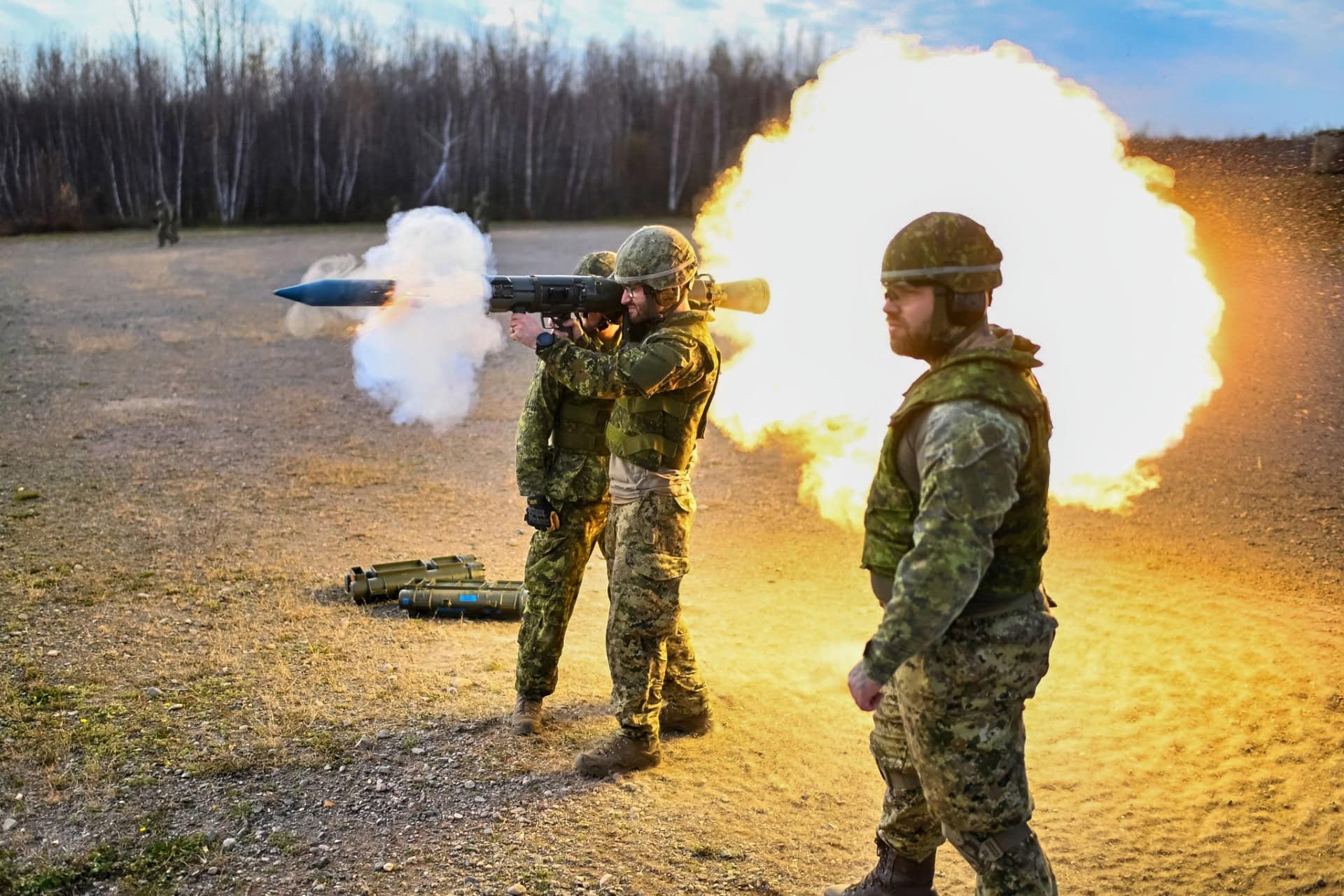
Student of the Advance Small Arms Instructor (ASAI) conducted a range with M-203 grenade luncher, C16 Automatic Grenade Luncher, C6 light machine gun and Carl Gustav 84mm anti-tank. These photos were taken at the Infantry School, 5th Canadian Division Support Base (5 CDSB) Gagetown, New Brunswick, on 31 October 2024.
Photo by: Corporal Dave Michaud
20241031GN50I063D
@2024 DND-MDN Canada
The State Department does not have an official diplomatic post in Taiwan, only a de facto embassy officially referred to as the American Institute in Taiwan. However, the State Department did issue an official statement saying that the sales serve “US national, economic, and security interests by supporting the recipient’s continuing efforts to modernize its armed forces and to maintain a credible defensive capability.”
The statement continued: “The proposed sale(s) will help improve the security of the recipient and assist in maintaining political stability, military balance, and economic progress in the region,” read the official statement.
Beijing’s Lament
China’s Foreign Ministry has predictably attacked the sale, stating it would violate diplomatic agreements between Beijing and Washington, gravely harm Chinese sovereignty, security, and territorial integrity, and undermine regional stability.
“The ‘Taiwan independence’ forces on the island seek independence through force and resist reunification through force, squandering the hard-earned money of the people to purchase weapons at the cost of turning Taiwan into a powder keg,” said Chinese Foreign Ministry spokesperson Guo Jiakun.
Guo continued by saying, “This cannot save the doomed fate of ‘Taiwan independence’ but will only accelerate the push of the Taiwan Strait toward a dangerous situation of military confrontation and war. The U.S. support for ‘Taiwan Independence’ through arms will only end up backfiring. Using Taiwan to contain China will not succeed.”
In recent years, Taiwan has worked to train its armed forces to wage asymmetric warfare. This strategy advocates using mobile, smaller and cheaper weaponry that can deliver the same amount of ordnance as a conventional weapon platform at a fraction of the cost.
“Our country will continue to promote defense reforms, strengthen whole-of-society defense resilience, demonstrate our determination to defend ourselves, and safeguard peace through strength,” Taiwanese presidential spokesperson Karen Kuo said in a statement.
About the Author: Reuben F. Johnson
Reuben F. Johnson has thirty-six years of experience analyzing and reporting on foreign weapons systems, defense technologies, and international arms export policy. Johnson is the Director of Research at the Casimir Pulaski Foundation. He is also a survivor of the Russian invasion of Ukraine in February 2022. He worked for years in the American defense industry as a foreign technology analyst and later as a consultant for the U.S. Department of Defense, the Departments of the Navy and Air Force, and the governments of the United Kingdom and Australia. In 2022-2023, he won two awards in a row for his defense reporting. He holds a bachelor’s degree from DePauw University and a master’s degree from Miami University in Ohio, specializing in Soviet and Russian studies. He lives in Warsaw.