
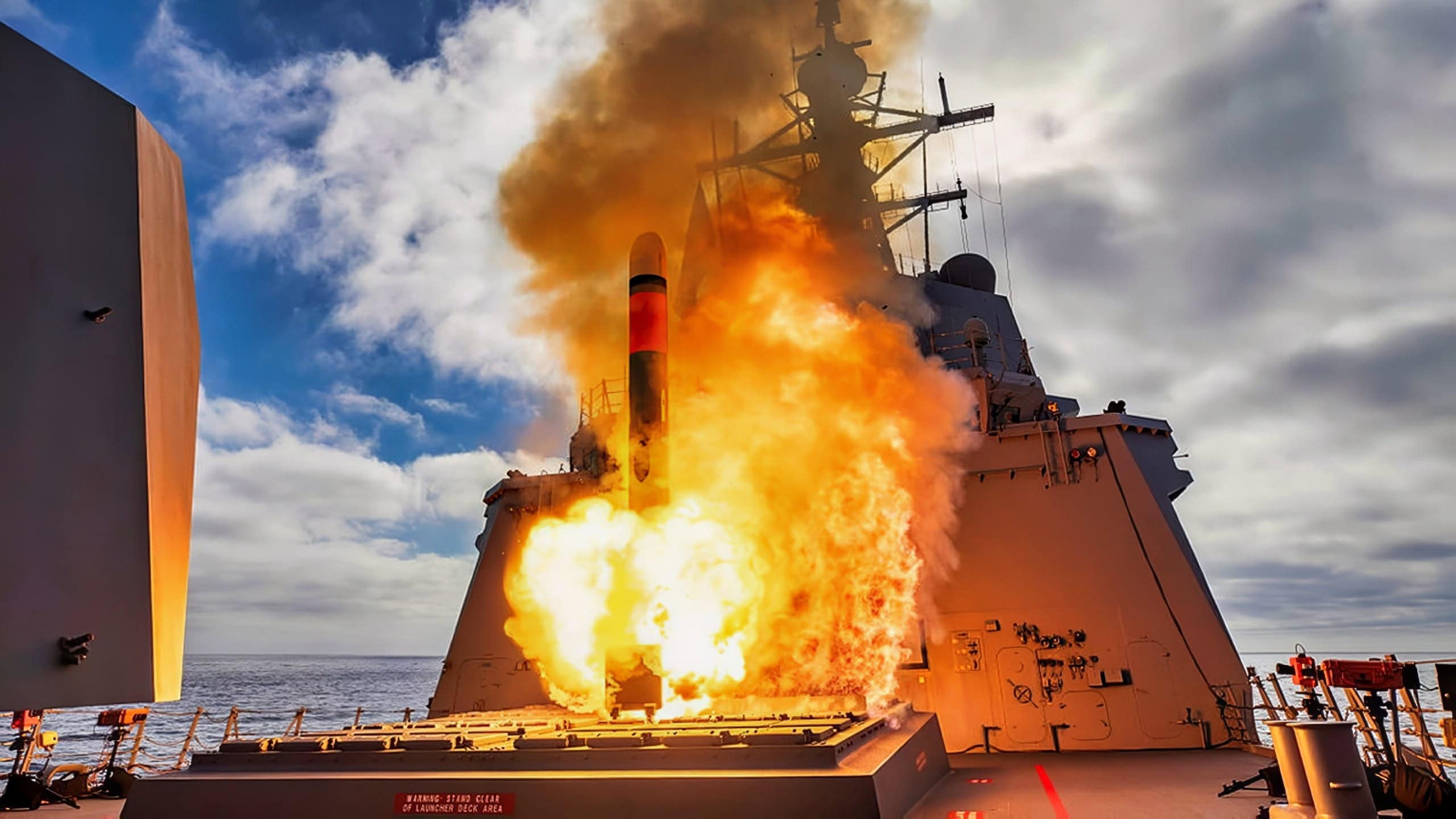
Earlier this week, the Iran-allied Houthi militia announced a maritime embargo of Saudi oil coming through the Red Sea, following through on previous threats to close the Bab el-Mandeb Strait. The Houthis, accusing the Saudis of laying an “unjust and oppressive siege on our dear people,” announced the embargo on Monday.
“The Yemeni Armed Forces declare a maritime embargo against the criminal Saudi enemy, based on the equation of ‘an eye for an eye,’ effective immediately upon the issuance of this statement,” the militia said in a statement released by the Yemen News Agency.
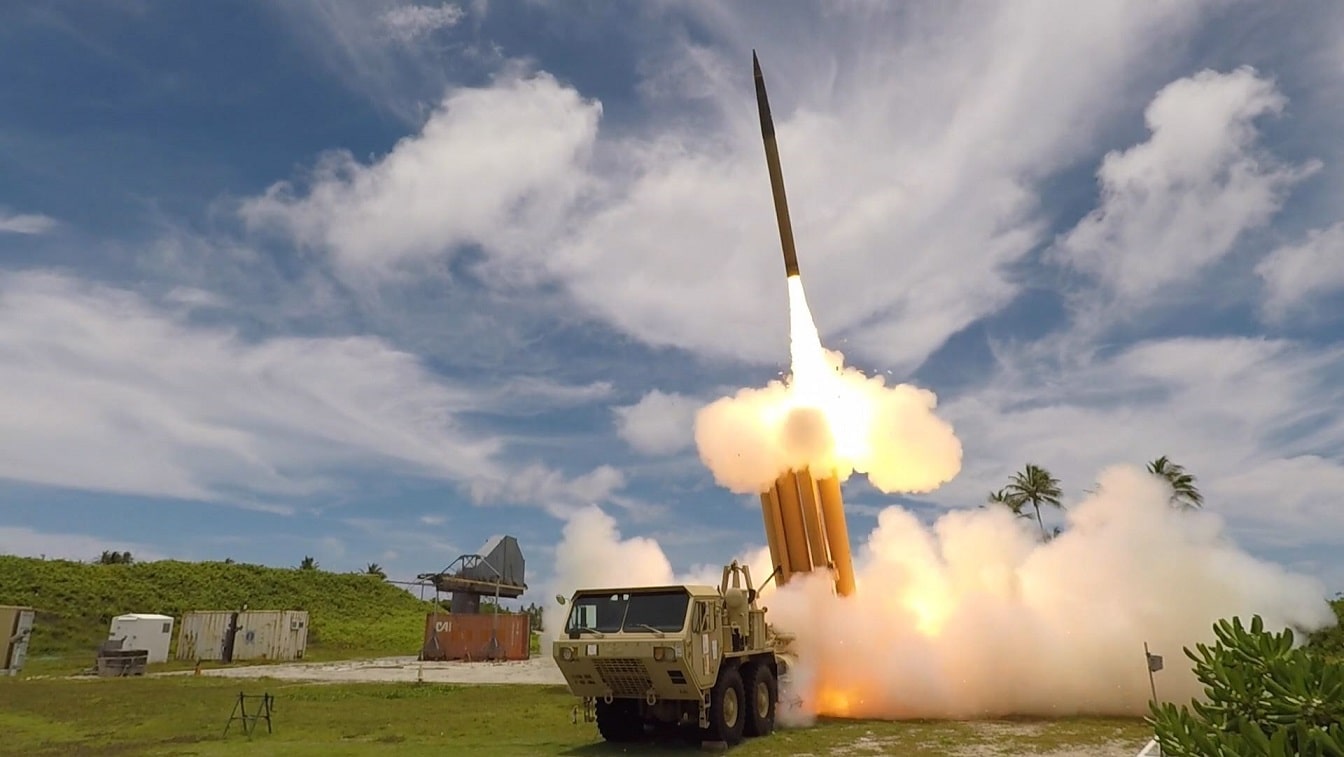
THAAD Missile Defense Battery Firing. Image Credit: Lockheed Martin.
“The Yemeni Armed Forces affirm their complete readiness for all options, and any foolish act committed by the reckless Saudi enemy through all escalation will be met with a comprehensive and decisive escalation, by Allah’s will and power,” they added.
The big question after that was whether ships would avoid that waterway as a result of the embargo threat. And now it appears that at least some of them are.
Turning Their Ships Around
According to a Reuters report on Wednesday, which cited ship-tracking data, four tankers “changed their navigational course” in the Red Sea, with two of them signaling they would instead head towards the Suez Canal. In addition, a vehicle carrier “appeared to have turned away in the Gulf of Aden.”
“The vessels all changed their direction, with the other two signaling their destination as open waters in the Red Sea, according to LSEG and MarineTraffic ship tracking data and analysis from British maritime risk management group Vanguard,” Reuters reported.
European Union’s naval force Aspides, the report said, has advised ships from the United States, Israel and Saudi Arabia to avoid the Red Sea and Gulf of Aden.
“EUNAVFOR ASPIDES recommends that merchant vessels linked to Israeli, U.S. or Saudi interests avoid transiting the Red Sea and Gulf of Aden until the threat level decreases,” an official advisory said.
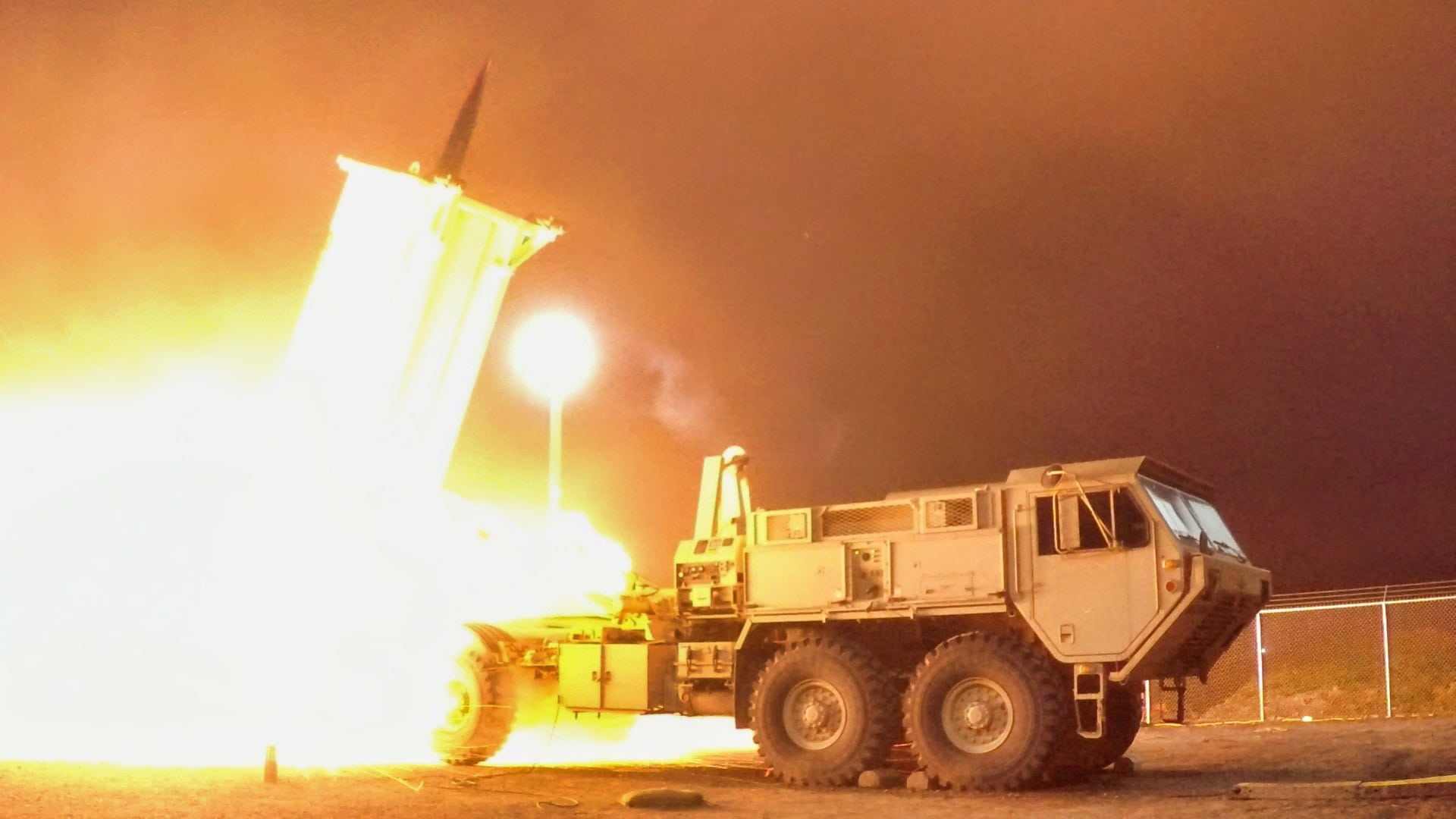
THAAD. Image Credit: Department of Defense.
A Missile Warning
Meanwhile, CNBC reported Wednesday that the Houthis are deploying missiles and drones in order to attack ships that challenge their embargo.
“Sources close to the group stated that the Houthis have completed preparations to attack shipping, including the deployment of missiles and drones positioned near Bab el-Mandeb,” the Joint Maritime Information Center said in a notice early on Wednesday.
Ship-tracking service Kpler, CNBC said, “observed a 34% decline in traffic through the Bab el-Mandeb on Tuesday compared with Monday.”
A New Front?
According to a CNN analysis published Wednesday, the Red Sea embargo has the potential to open a new full-on front in the war and to affect the oil market globally, with oil facing “no way out.”
“So far, the Houthis have been unable or unwilling to enforce the blockade that the militant group announced Tuesday. But the threat alone has persuaded some ships to abandon their plans to exit the Red Sea heading south,” CNN said after the embargo was announced, noting that oil prices have already surged by $20 per barrel so far this month, even before the Houthis announced their move.
“An effective Houthi blockade of Bab al-Mandeb would create a new front in the war with Iran, potentially requiring US military intervention that could then erode US ability to help ships out of the Strait of Hormuz. It also could prevent the Saudis from getting diesel to Europe at a crucial time for the fuel market.”
How important is the Bab el-Mandeb Strait?
“Bab al-Mandeb isn’t as crucial as the Strait of Hormuz, through which 20 million barrels of oil – 20% of the world’s daily supply – typically transited before the war. But Bab al-Mandeb is no slouch: About 6.2 million barrels of oil have been traveling through that strait every day over the past month, according to Kpler,” CNN said.
The Saudis have been diverting oil through their own East-West pipeline through the Red Sea port of Yanbu. But as Helima Croft, head of global strategy at RBC Capital Markets, told CNN, there could be trouble if that route becomes jeopardized.
“If that route becomes inoperable, then the oil supply disruption becomes more serious, and we start talking again about a ‘no way out’ situation,” Croft said.
About the Author: Stephen Silver
Stephen Silver is an award-winning journalist, essayist, and film critic, and contributor to the Philadelphia Inquirer, the Jewish Telegraphic Agency, Broad Street Review, and Splice Today. The co-founder of the Philadelphia Film Critics Circle, Stephen lives in suburban Philadelphia with his wife and two sons. For over a decade, Stephen has authored thousands of articles that focus on politics, national security, technology, and the economy. Follow him on X (formerly Twitter) at @StephenSilver, and subscribe to his Substack newsletter.