
The World’s Navies Reserve Nuclear Power for Submarines and a Few Giant Warships: Nuclear propulsion has been at sea for more than 70 years, yet it remains almost absent from surface fleets. The United States operates 11 nuclear-powered aircraft carriers; France operates Charles de Gaulle; and Russia has spent decades restoring the Kirov-class Admiral Nakhimov. Nearly every destroyer, frigate and amphibious ship, along with most aircraft carriers outside the United States and France, still relies on conventional machinery.
Mission economics explain the imbalance. Reactors offer extraordinary endurance, sustained speed and electrical output, alongside demands for nuclear-trained crews, specialized shipyards, shielding, security, fuel-cycle management and radioactive dismantlement. Submarines cross the threshold because a reactor needs no oxygen and lets them remain submerged for months. The largest carriers need immense power for aviation operations. Most surface combatants gain less.
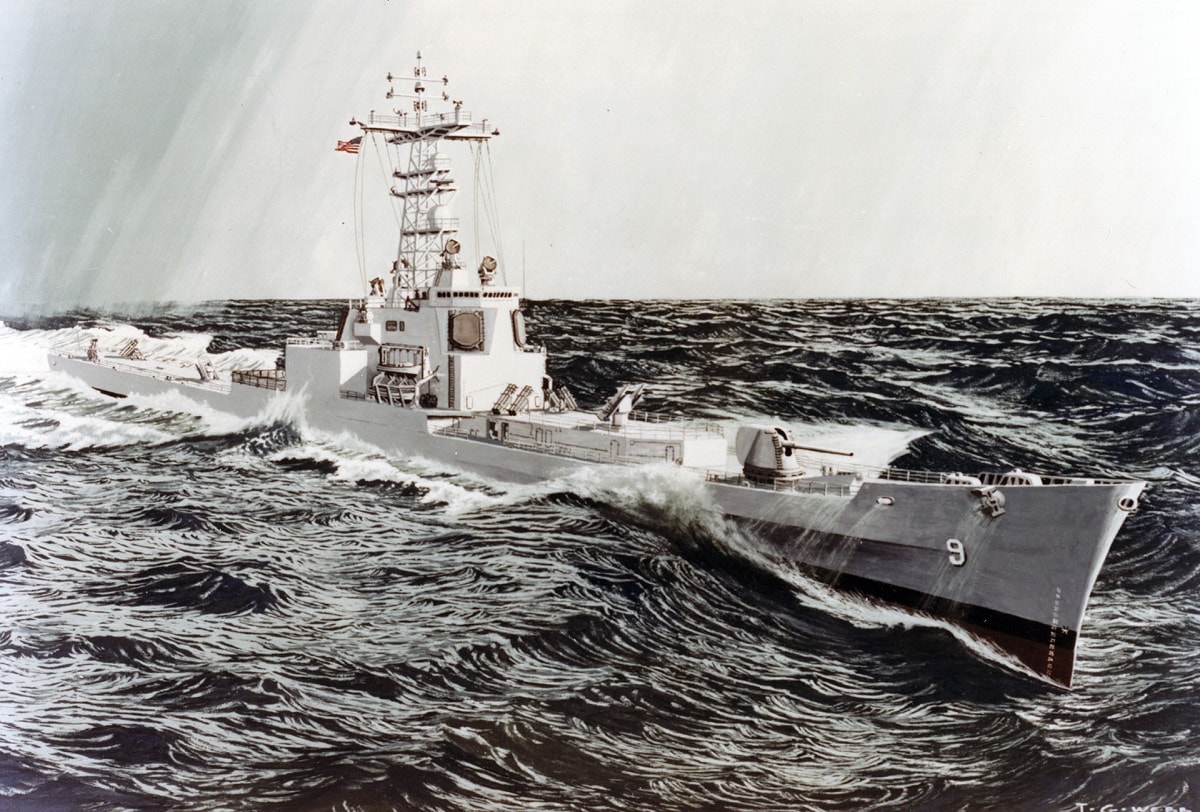
Image: Creative Commons.
Even a nuclear carrier remains dependent on logistics. Its reactors do not produce jet fuel, missiles, spare parts or food. During a 2022 replenishment, USS Gerald R. Ford received 1 million gallons of JP-5 aviation fuel, while its conventionally powered escorts still required marine fuel. A carrier strike group remains tied to oilers and supply ships regardless of how long the carrier’s reactors run.
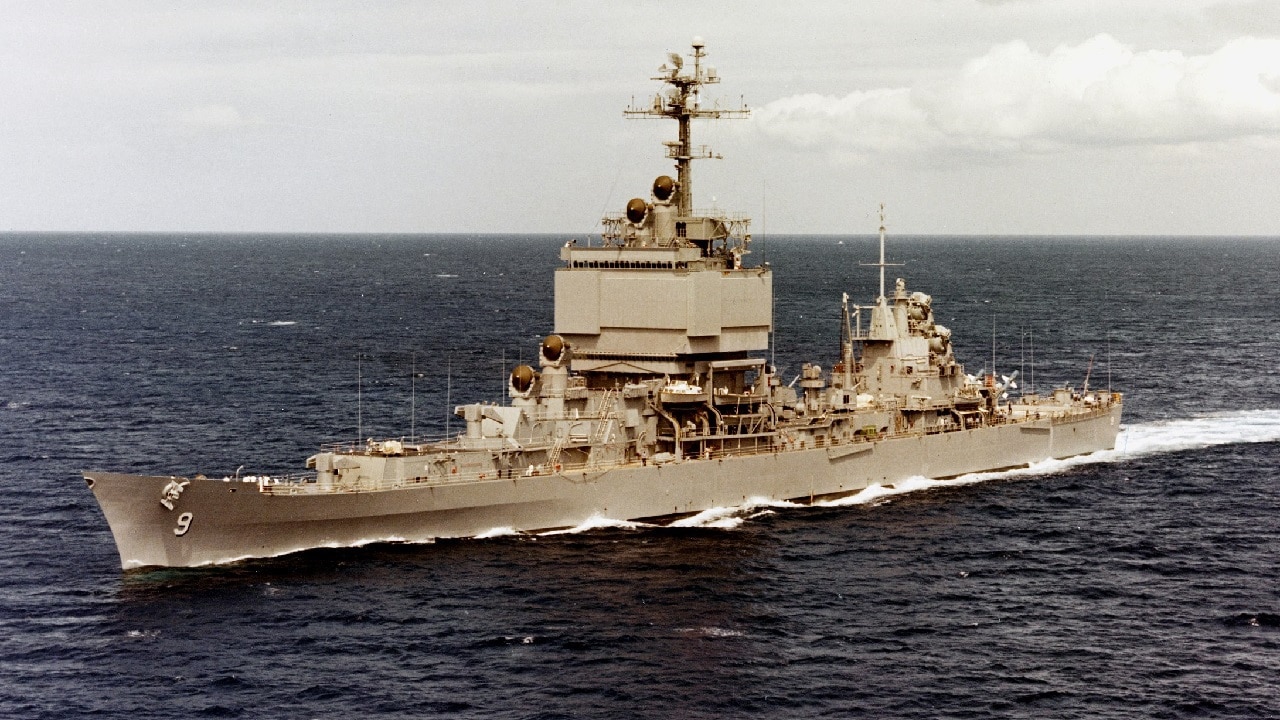
The U.S. Navy tested the broader idea during the Cold War. It commissioned nine nuclear-powered cruisers between 1961 and 1980, beginning with USS Long Beach, and decommissioned all of them between 1993 and 1999. The ships demonstrated impressive speed and endurance, but the program never produced a cost model the Navy wanted to repeat across dozens of escorts.
Nuclear Cruisers Were Too Expensive to Replicate
A 2005 Naval Reactors quick-look study reviewed by the Government Accountability Office estimated that a nuclear surface combatant reached cost parity only when marine fuel cost $205 per barrel. The figure for a notional large-deck amphibious ship was $80. GAO warned that the study lacked a Navy-wide review, omitted some operational factors and relied on assumptions. Its separate work found substantially higher training costs for nuclear-qualified personnel and significant support expenses.
The cost difference matters because escorts are bought in numbers. A navy often gains more presence from several conventionally powered destroyers than from fewer nuclear ships with larger crews and specialized maintenance requirements. The American experience with USS Long Beach and Russia’s prolonged Admiral Nakhimov reconstruction show how easily a singular nuclear cruiser becomes an industrial project rather than a repeatable fleet design.
A Reactor Requires a National Nuclear Enterprise
Building the hull is only part of the bill. The United States sustains naval reactors through laboratories, fuel facilities, training commands, security rules, public shipyards and a dedicated regulatory system. The Naval Nuclear Laboratory says its Charleston unit trains more than 1,000 sailors annually. Newport News Shipbuilding is the country’s sole designer and builder of nuclear-powered aircraft carriers.
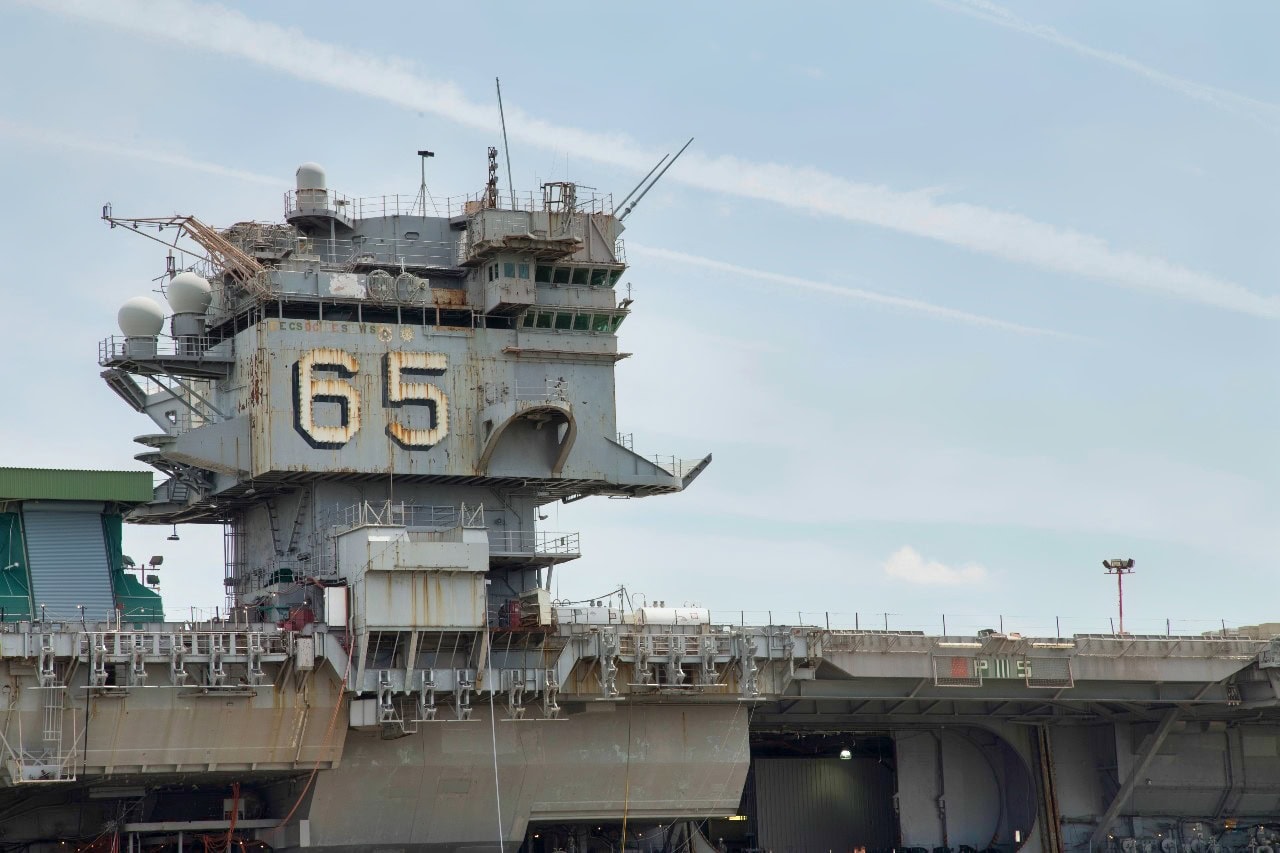
NEWPORT NEWS, Va. (July 15, 2018) — USS Enterprise (CVN 65) sits pierside at Newport News Shipbuilding following its decommissioning in February 2017. (U.S. Navy photo by Mass Communication Specialist 2nd Class Cat Campbell/RELEASED)
Few countries possess that chain. France does because its submarines, nuclear industry and existing carrier program preserve the necessary expertise. Its future PA-NG shows the commitment. Naval Group describes a nearly 20-year program, while France’s defense procurement agency says the reactor enclosures require roughly 12 years from order to reactor startup. That timetable works for one national flagship, not routine escorts.
Nuclear Costs Continue Through Overhaul and Disposal
Reactor expense continues through midlife. USS John C. Stennis entered a refueling and complex overhaul under an initial contract valued at about $3 billion. The work replaces fuel and renews the carrier for its remaining service. Conventional warships also undergo expensive overhauls, without the same reactor work, radiological controls and nuclear-qualified labor.
Disposal brings another bill. In 2018, GAO estimated that dismantling the former USS Enterprise might cost between $750 million and $1.55 billion, depending on the method. USS Long Beach, decommissioned in 1995, was still moving through final disposal planning in 2026. The Enterprise disposal challenge illustrates a financial and regulatory obligation that lasts decades after propulsion ends.
Aircraft Carriers Clear a Threshold That Destroyers Do Not
Carriers present the strongest surface-warship case for nuclear power. Their size absorbs shielding and machinery more easily. Their reactors support sustained high speed, large electrical loads, sensors and flight operations, while space not devoted to ship fuel becomes available for aviation fuel, weapons and stores. The United States accepts the expense because its carriers are expected to operate globally for half a century.
A destroyer faces a different calculation. It normally deploys with tankers, carriers, amphibious ships or merchant ports within reach; it does not need months of independent endurance. Modern gas turbines start quickly, use a broad fuel infrastructure and fit shipyards around the world. Nuclear propulsion would remove one fuel requirement while adding a costly training, maintenance and disposal system.
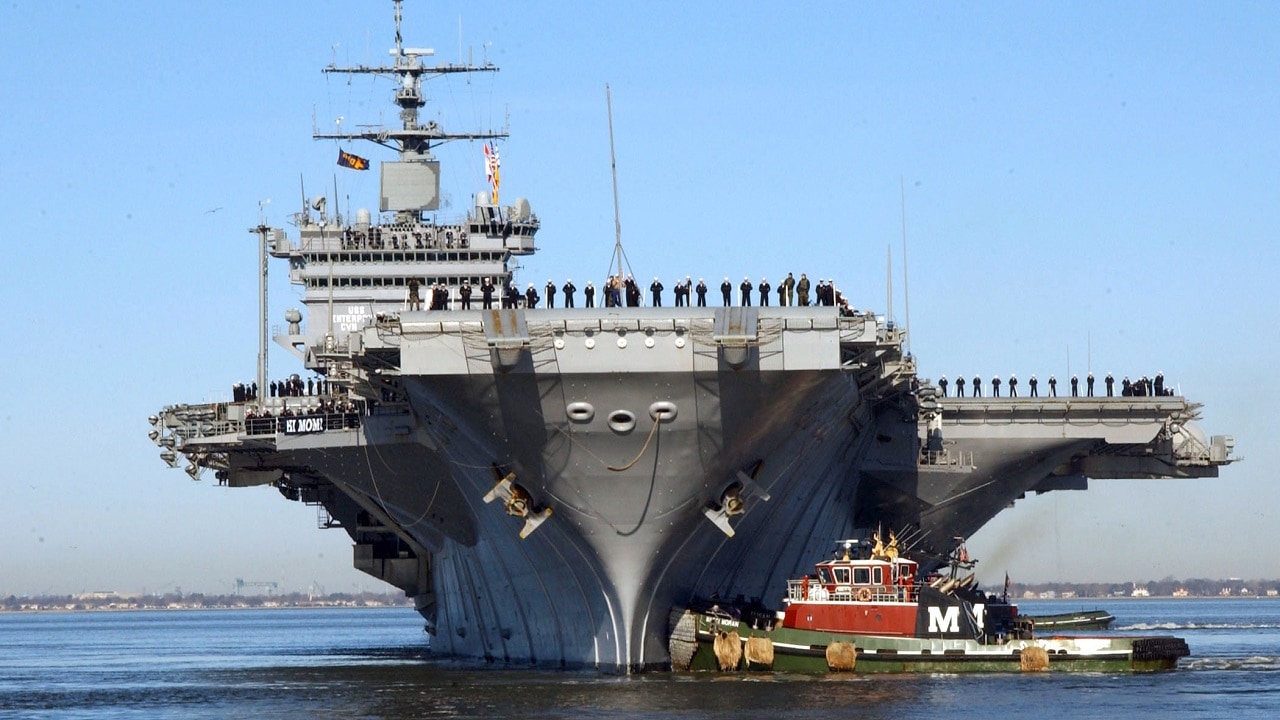
Naval Station Norfolk, Va. (Feb. 29, 2004) – Sailors aboard the nuclear powered aircraft carrier USS Enterprise (CVN 65) “man the rails” as the carrier approaches its pier at her homeport of Naval Station Norfolk, Va. The carrier and its strike group are returning after completing a six-month deployment in support of the global war of terrorism, including Operations Iraqi Freedom and Enduring Freedom. U.S. Navy photo by Photographer’s Mate 3rd Class Sondra Howett. (RELEASED)
France expects PA-NG to replace Charles de Gaulle in 2038 after almost two decades of industrial work. The U.S. Navy’s October 2025 force primer still described every American warship outside its carrier and submarine fleets as conventionally powered.
About the Author: Harry J. Kazianis
Harry J. Kazianis (@Grecianformula) was the former Senior Director of National Security Affairs at the Center for the National Interest (CFTNI), a foreign policy think tank founded by Richard Nixon based in Washington, DC. Harry has over a decade of experience in think tanks and national security publishing. His ideas have been published in the NY Times, The Washington Post, The Wall Street Journal, CNN, and many other outlets worldwide. He has held positions at CSIS, the Heritage Foundation, the University of Nottingham, and several other institutions related to national security research and studies. He is the former Executive Editor of the National Interest and the Diplomat. He holds a Master’s degree focusing on international affairs from Harvard University.

