

The Pentagon signed two seven-year framework agreements with L3Harris Technologies and Lockheed Martin on July 27, 2026.
These deals aim to nearly triple production for Patriot PAC-3 MSE propulsion and quadruple output for THAAD missile defense interceptor components.
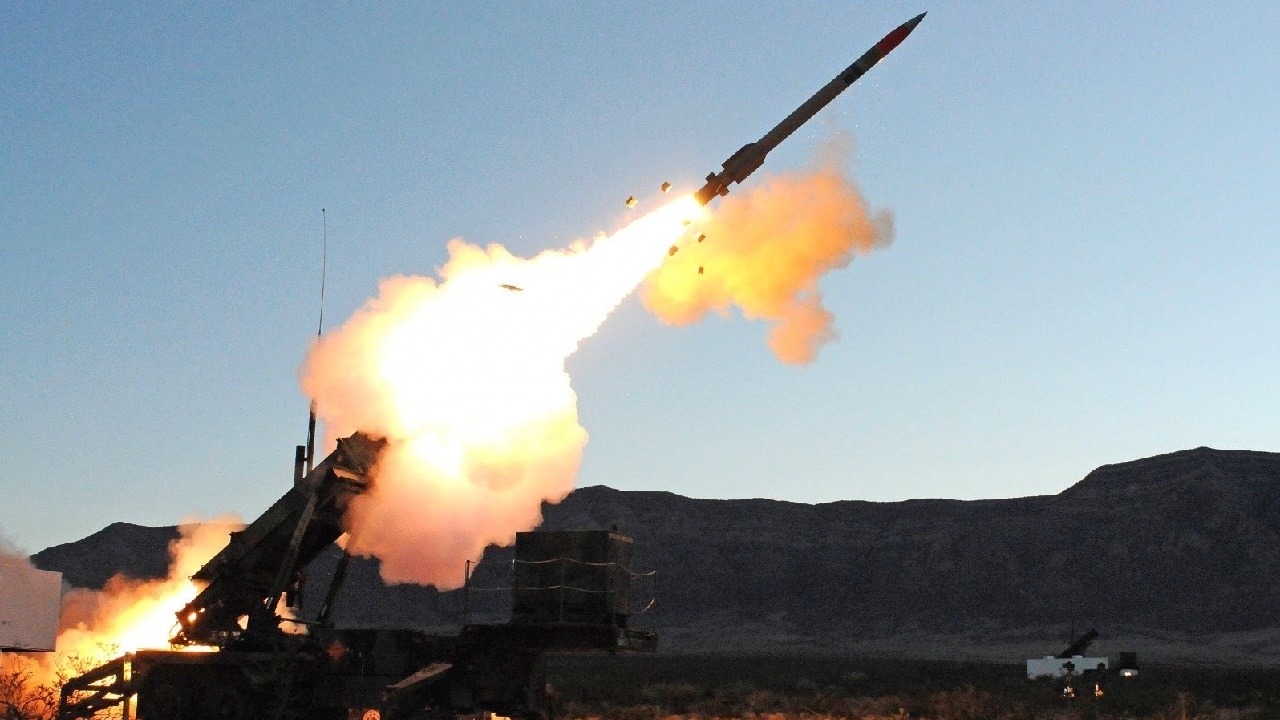
Patriot Missile. Image Credit: Creative Commons.
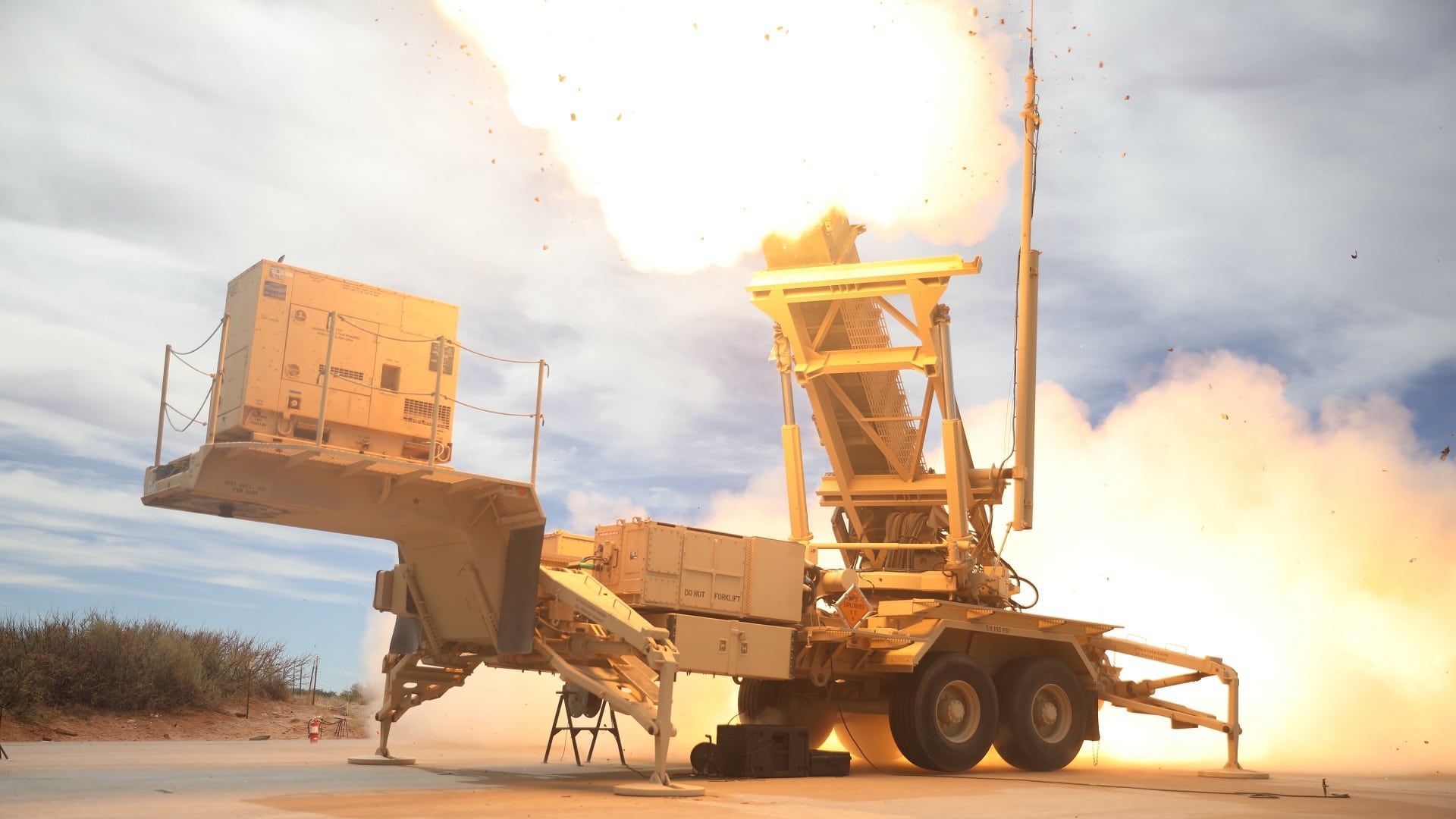
Soldiers from 69th Air Defense Artillery Brigade conducted Patriot Missile live fire training, November 5, at McGregor Range Complex on Fort Bliss. The live fire exercise was conducted jointly with Air Defense counterparts from the Japanese Self-Defense Force. (U.S. Army Photo by Staff Sgt. Ian Vega-Cerezo)
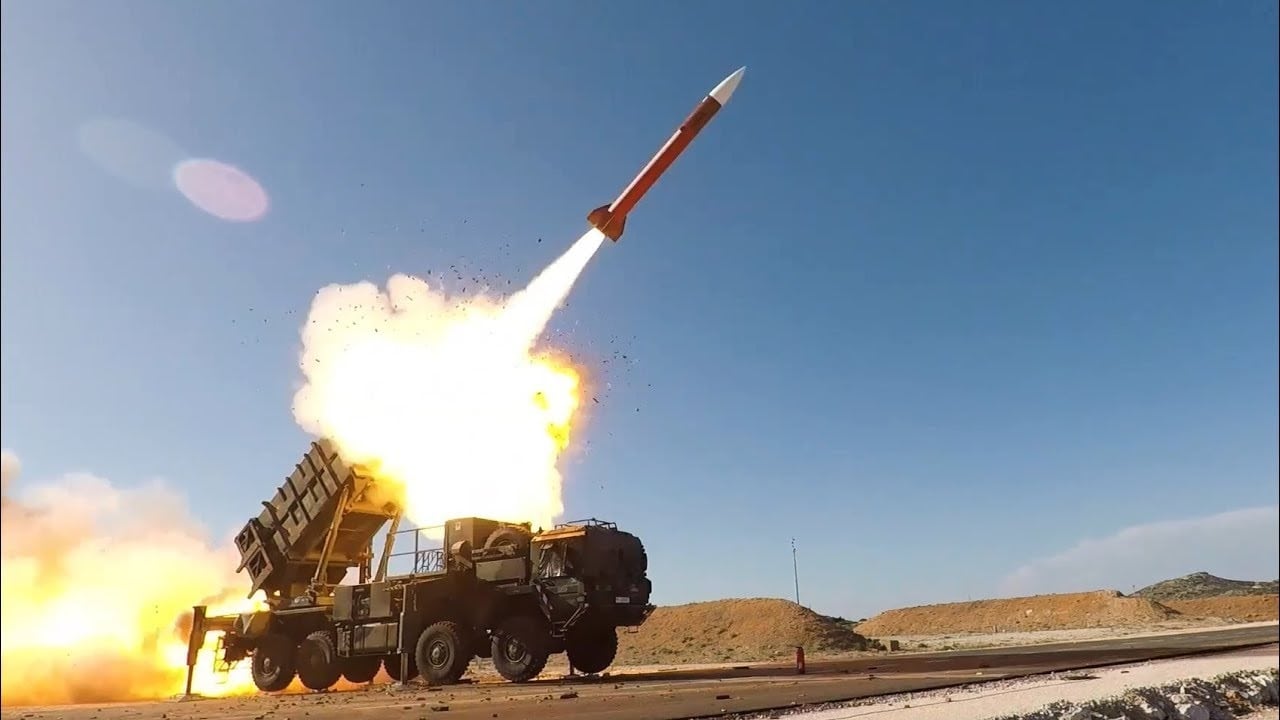
Patriot Missile. Image Credit: Lockheed Martin.
L3Harris will accelerate production of the two-pulse solid rocket motor, attitude control motors, and the lethality enhancer of the PAC-3 MSE under this new agreement.
At the same time, the agreement will expand manufacturing of the solid rocket boost motor that launches the interceptor and the Liquid Divert and Attitude Control System.
“Rebuilding the Arsenal of Freedom requires moving with speed and precision to scale the production of critical munitions,” said Michael Duffey, Under Secretary of War for Acquisition and Sustainment, in an announcement.
“Today’s agreements with L3Harris are a decisive win for the warfighter, underscoring our commitment to sending clear demand signals to the entire supply chain.”
The Agreements Address The Calls For More Missile Production
President Donald Trump has pressured major defense contractors to significantly increase and accelerate production of critical high-end munitions, including Patriot and THAAD interceptors and Tomahawk cruise missiles.
The push aims to restock military reserves following heavy expenditure during recent conflicts in the Middle East and ongoing support for allies, especially Ukraine, which faces daily drone and missile attacks from Russia.
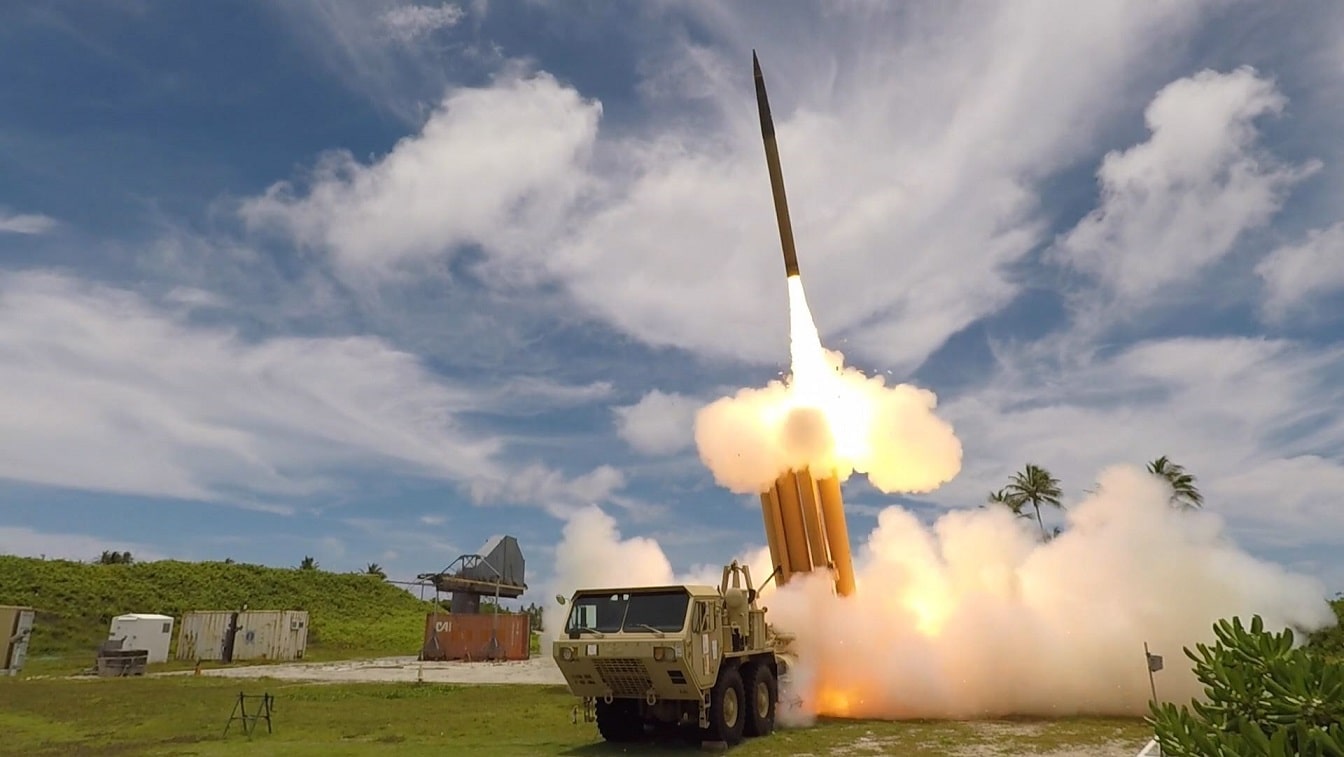
THAAD Missile Defense Battery Firing. Image Credit: Lockheed Martin.
“They have agreed to quadruple Production of ‘Exquisite Class’ Weaponry in that we want to reach, as rapidly as possible, the highest levels of quantity,” Trump wrote in a post on his social-media network, Truth Social, back in early March.
Speaking at Pennsylvania Senator Dave McCormick’s Defense and Innovation Summit two weeks ago, Trump urged arms makers to increase production: “We have the best quality in the world, but we need a little more speed.”
Under these new agreements, the production won’t quadruple, but it will be close to that.
The Trump administration got the result he was seeking in the guided-missile industrial base, as he unveiled two seven-year framework agreements to expand propulsion manufacturing for the Patriot Advanced Capability-3 Missile Segment Enhancement interceptor and the Terminal High Altitude Area Defense system.
However, neither agreement is a binding contract. On July 27, the War Department announced new pacts with L3Harris Technologies and Lockheed Martin, the latest in a string of framework agreements intended to send suppliers a long-term demand signal.
L3Harris Will “Nearly Triple Production”
Although the War Department and L3Harris did not provide specific numbers for solid rocket motor production, the company stated in its release that it will “nearly triple production” for certain PAC-3 missile-related products and quadruple production for THAAD components.
Ken Bedingfield, the president of L3Harris’s missile solutions business, said the company is already preparing its facilities and supply chain to meet the ramp-up.
“This critical, long-term agreement will allow us to continue to move at unprecedented speed and produce PAC-3 propulsion at rates never before seen,” he said.
“We are actively preparing our facilities and our suppliers to meet the required ramp as well as introducing additional capacity to support future needs of the DoW and our allies and strengthen the Arsenal of Freedom,” he added.
The company’s PAC-3 MSE motor manufacturing facility, which is located in Camden, Arkansas, will handle the production of the PAC-3 MSE’s advanced, two-pulse solid rocket motor; Attitude Control Motors (ACMs); and the Lethality Enhancer.
The Lethality Enhancer is an explosive device that increases the ground-based PAC-3’s kill radius against threats, including cruise missiles.
Lockheed Martin Signs $35 Billion Contract For THAAD Missiles
Last month, the U.S. government awarded Lockheed Martin a seven-year contract action (UCA) for up to $35 billion to quadruple production of Terminal High Altitude Area Defense (THAAD) interceptors.
The contract signals the company’s agreement to increase production capacity, strengthen the defense industrial base, and deliver critical missile defense capability at speed and scale that the U.S. and its allies have signaled that they require in the future.
Earlier this spring, Lockheed Martin broke ground on a new Munitions Production Center in Troy, Alabama, as part of the company’s more than $9 billion investment through 2030.
Lockheed Martin also recently opened the Next Generation Interceptor facility in Courtland, Alabama, and the Munitions Acceleration Center in Camden, Arkansas.
“This award reflects our shared vision with the Department of War to strengthen America’s Arsenal of Freedom through a transformational shift to multiyear procurement,” said Tim Cahill, president, Lockheed Martin Missiles and Fire Control.
“This new approach propels our efforts to strengthen the defense industrial base, expand production and deliver capabilities to the American warfighter at unprecedented speed and scale.”
About the Author: Steve Balestrieri
Steve Balestrieri is a National Security Columnist. He served as a US Army Special Forces NCO and Warrant Officer. In addition to writing on defense, he covers the NFL for PatsFans.com and is a member of the Pro Football Writers of America (PFWA). His work was regularly featured in many military publications