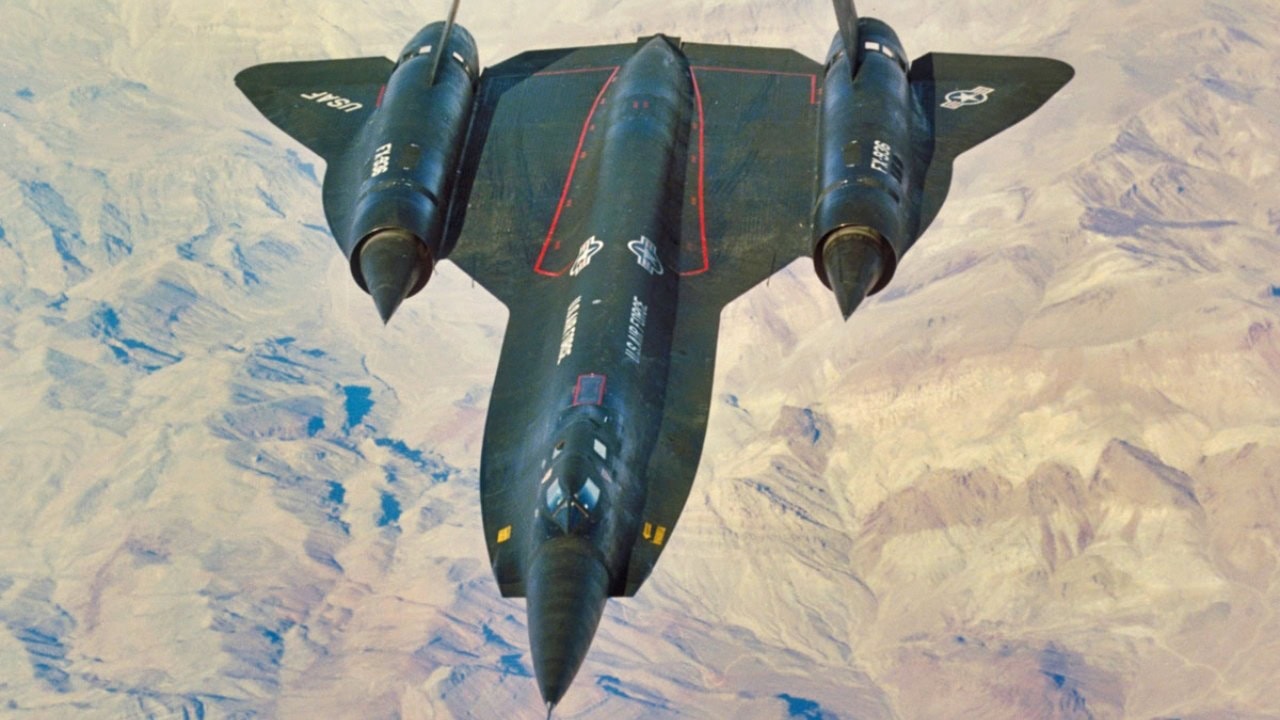
YF-12: The Mach 3 Interceptor That Never Served – The Cold War era was a dynamic age for military aerospace concepts. While many of those concepts ultimately took wing, several other truly fascinating ones never made it out of the design phase. One of those interesting concepts that never flew the unfriendly skies was the Lockheed YF-12.
The YF-12 Rises
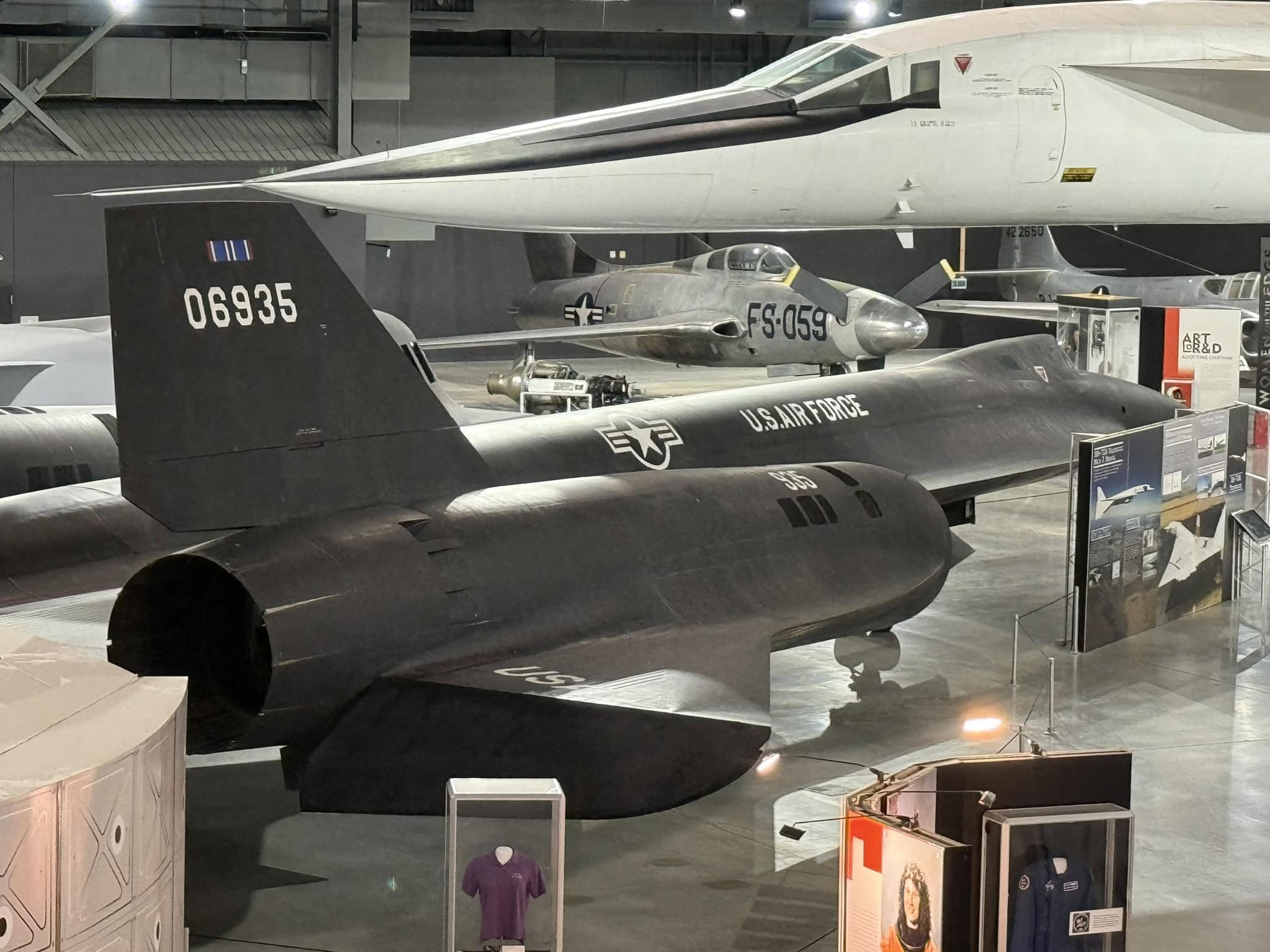
YF-12A. 19FortyFive.com Image from National Museum of the U.S. Air Force.
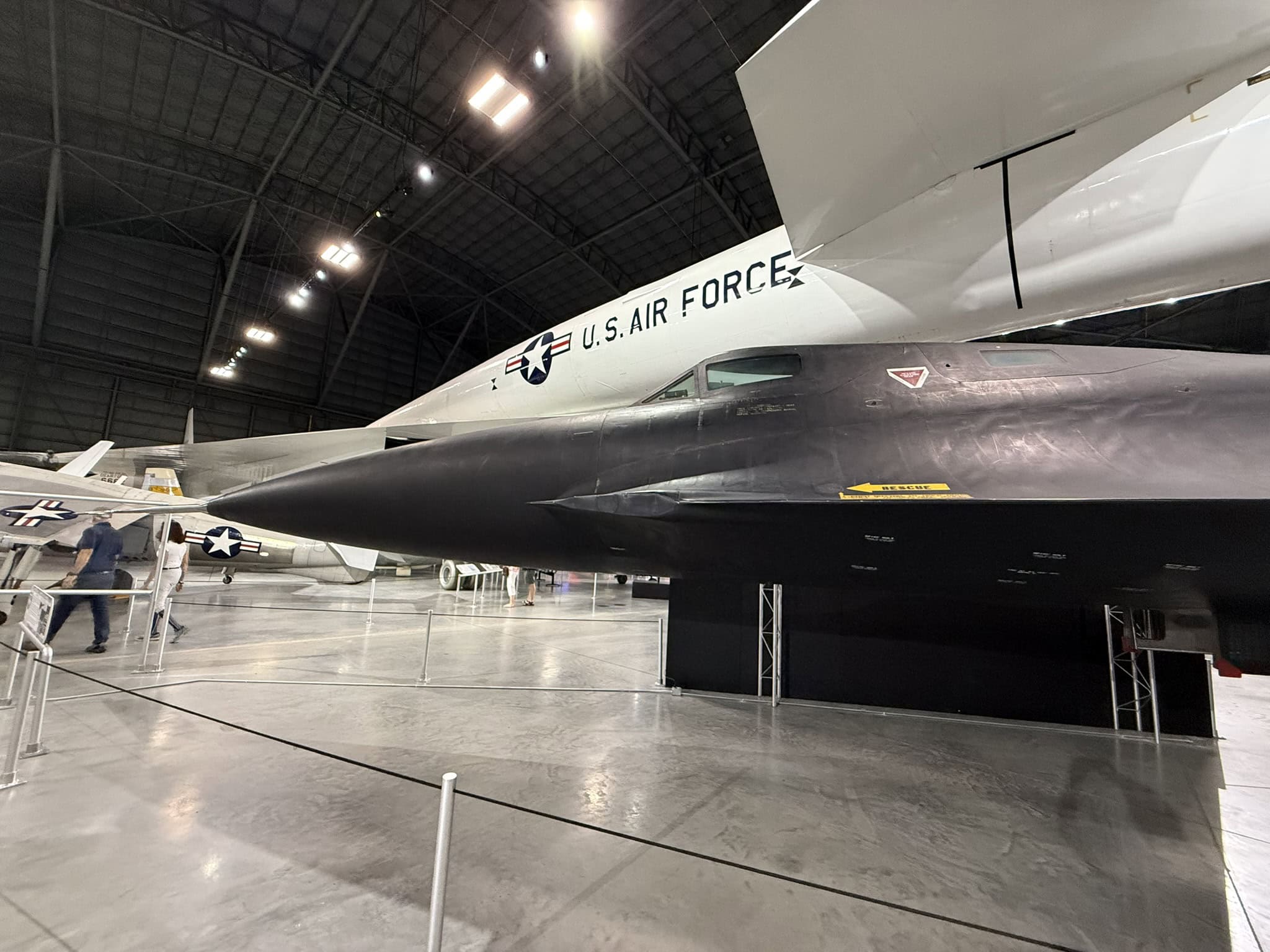
YF-12A. 19FortyFive.com Image from National Museum of the U.S. Air Force.

YF-12, a plane that is related to the SR-71 looks very similar. 19FortyFive.com image from National Museum of the Air Force.
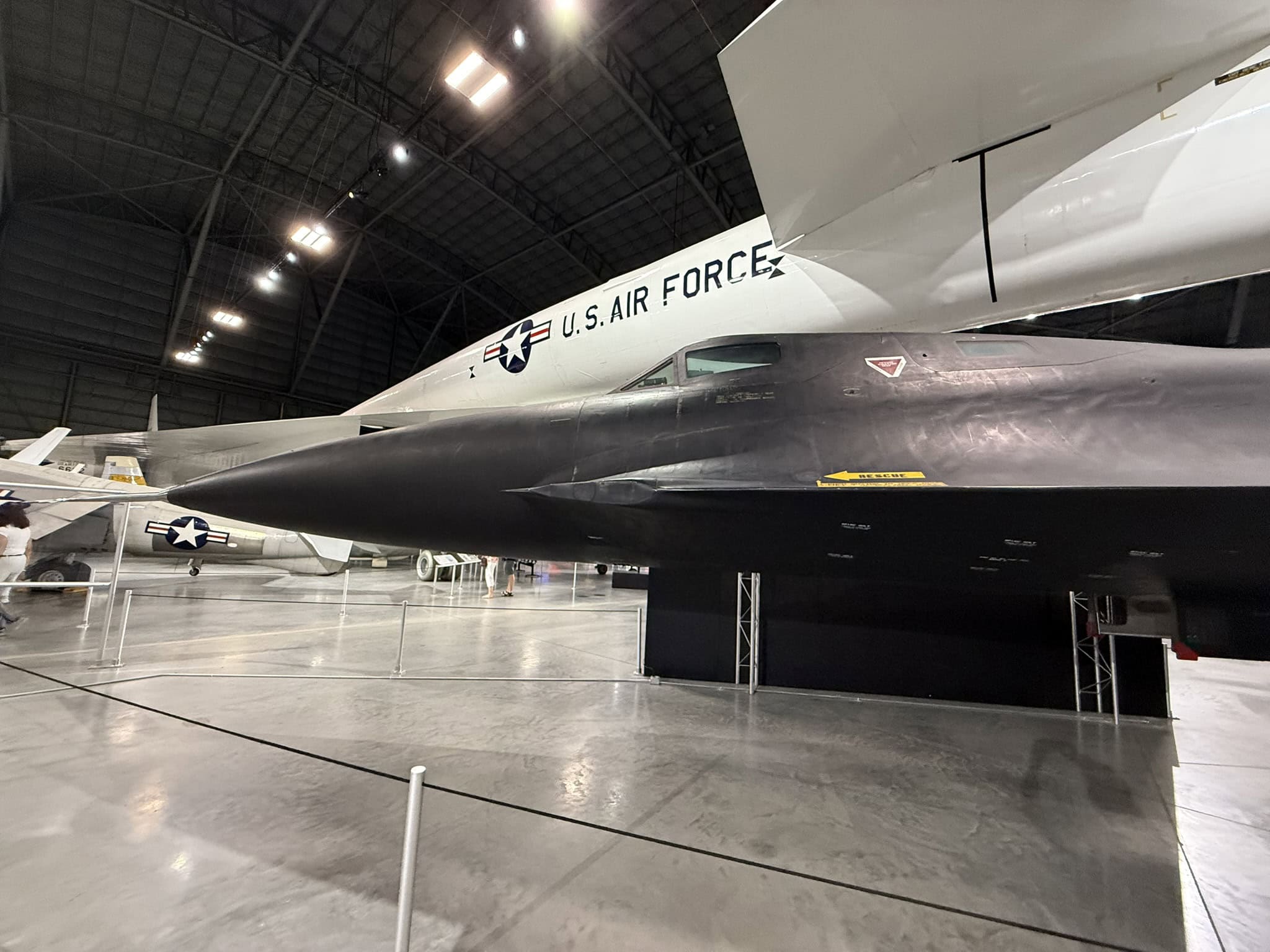
YF-12A. Image taken by Harry J. Kazianis at National Museum of the Air Force for 19FortyFive.com
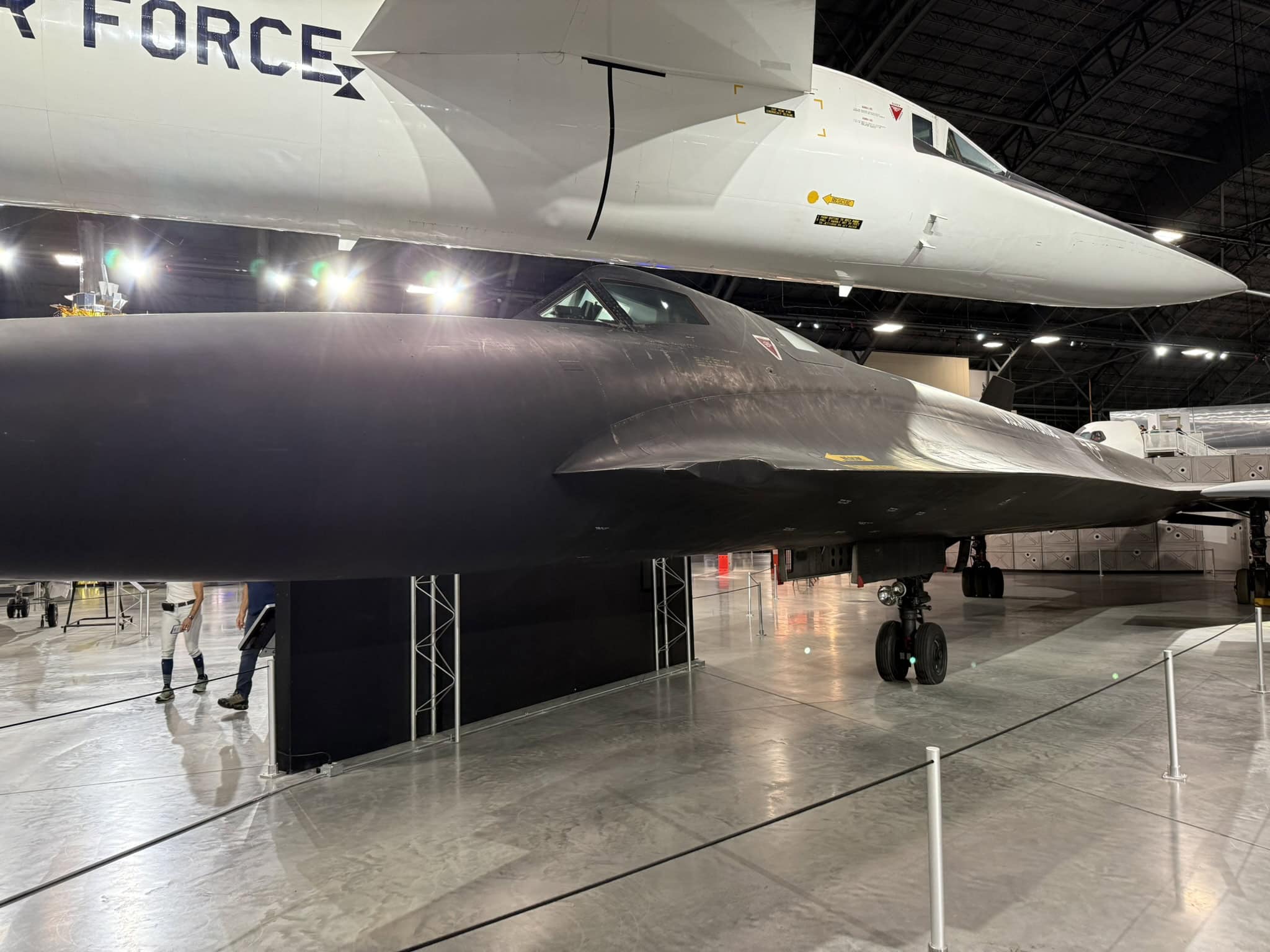
YF-12A. Image taken by Harry J. Kazianis at National Museum of the Air Force for 19FortyFive.com
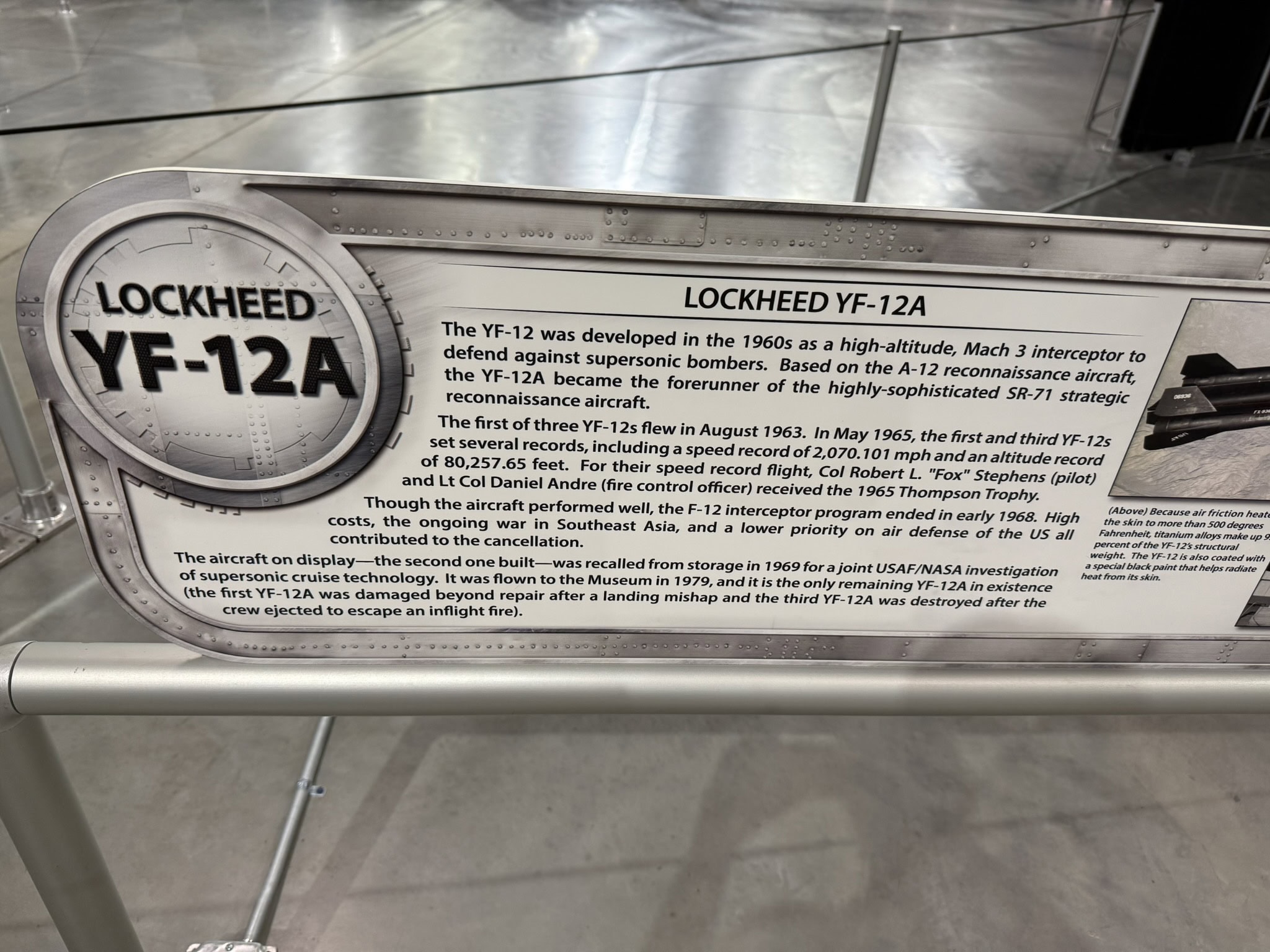
YF-12A. Image taken by Harry J. Kazianis at the National Museum of the Air Force for 19FortyFive.com
When it was created, the US military needed a high-speed air defense platform. The YF-12 combined extreme speed and altitude with other long-range warfare capabilities, making the plane enticing to the military. YF-12 came about during a time when Lockheed was developing the highly secretive A-12 Oxcart reconnaissance aircraft for the Central Intelligence Agency (CIA). Washington wanted a high-speed plane that could intercept Soviet nuclear bombers long before they ever entered North American airspace.
In fact, the YF-12 made it off the drawing board. Three prototypes had been built. While it never entered service, those prototypes and the hard lessons learned during the YF-12 program were eventually folded into other high-flying projects that did enter service, notably the SR-71 Blackbird.
Two Pratt & Whitney turbojet engines equipped with afterburners allowed the aircraft to hit speeds exceeding Mach 3 and altitudes above 80,000 feet.
In fact, Lockheed built the YF-12 from titanium so it could better withstand the extreme heating from sustained supersonic flight.
While the A-12 Oxcart was meant to be a high-flying reconnaissance bird, the YF-12 was a true sky warrior. Lockheed placed a second crewmember on the plane specifically to manage the battle suite that made the YF-12 such a lethal interceptor.
A High-Speed Killer
What’s more, the YF-12 carried a bevy of advanced technologies for its era.
Among them was the Hughes AN/ASG-18 radar, paired with three Hughes AIM-47 long-range air-to-air missiles. Those missiles were kept inside the plane to reduce drag while blasting through the upper atmosphere at supersonic speeds.
YF-12 was such a lethal killer that, during its test phase, the plane successfully deployed an AIM-47 missile at a much slower-moving drone at a lower altitude and destroyed it.
What’s more, the YF-12 set several aviation records.
For example, on May 1, 1965, the YF-12 set an officially recognized world speed record of 2,070 miles per hour and an altitude record of more than 80,000 feet for a jet aircraft in its class. Those achievements ensured the interceptor’s exceptional performance reinforced its reputation as one of the fastest military aircraft ever made.
A Missed Opportunity Because of Vietnam?
Although the Air Force had envisioned purchasing a fleet of operational interceptors, the air branch never got its wish. That’s due to radically shifting (at the time), high procurement costs, and growing financial demands from the Vietnam War. Back then, the Air Force was concerned about Soviet long-range nuclear bombers.
The Pentagon was more worried about the pressing need to defeat the communists they were fighting in the Vietnam War. And that conflict required a fundamentally different set of platforms than what the greater Cold War required.
Then-Secretary of Defense Robert McNamara further diminished the importance of the proposed YF-12 by emphasizing ballistic missile defense over the need for a Mach 3 interceptor force.
The Downsides
Even the three aircraft that were completed had some complications.
For instance, one aircraft was lost after a landing accident in 1966. Still, another was destroyed following an in-flight fire during NASA testing in 1971 after its crew safely ejected. The third surviving aircraft continued flying as part of a joint Air Force and NASA research program. That research project with NASA studied how high-speed flight, aerodynamic heating, specialized structures, and advanced propulsion for supersonic flight — such as supersonic cruise — could be streamlined.
Research from those flights, notably the joint project with NASA, ultimately contributed to America’s understanding of how best to develop future advanced aerospace programs.
An Important Legacy
So, even though the interceptor itself disappeared, its technological legacy remained. The Blackbird family evolved into the SR-71 reconnaissance aircraft. That plane inevitably entered operational service and became one of history’s most famous strategic intelligence platforms.
Today, the sole surviving YF-12 is preserved at the National Museum of the United States Air Force in Dayton, Ohio. It is a grand example of how the Cold War pushed American military aerospace design to its limits. It is a grand example of how the Cold War pushed American military aerospace design to its limits.
NOTE: All of the photos in the text of this article are from the YF-12 visit at the National Museum of the US Air Force last year.
About the Author: Brandon J. Weichert
Brandon J. Weichert is the Senior National Security Editor at 19FortyFive.com. He also manages The Weichert Brief on Substack. Weichert also hosts “National Security Talk” on Rumble. He is the author of four bestselling national security books, the most recent of which is A Disaster of Our Own Making: How the West Lost Ukraine (Encounter Books). Follow him via Twitter/X @WeTheBrandon.