
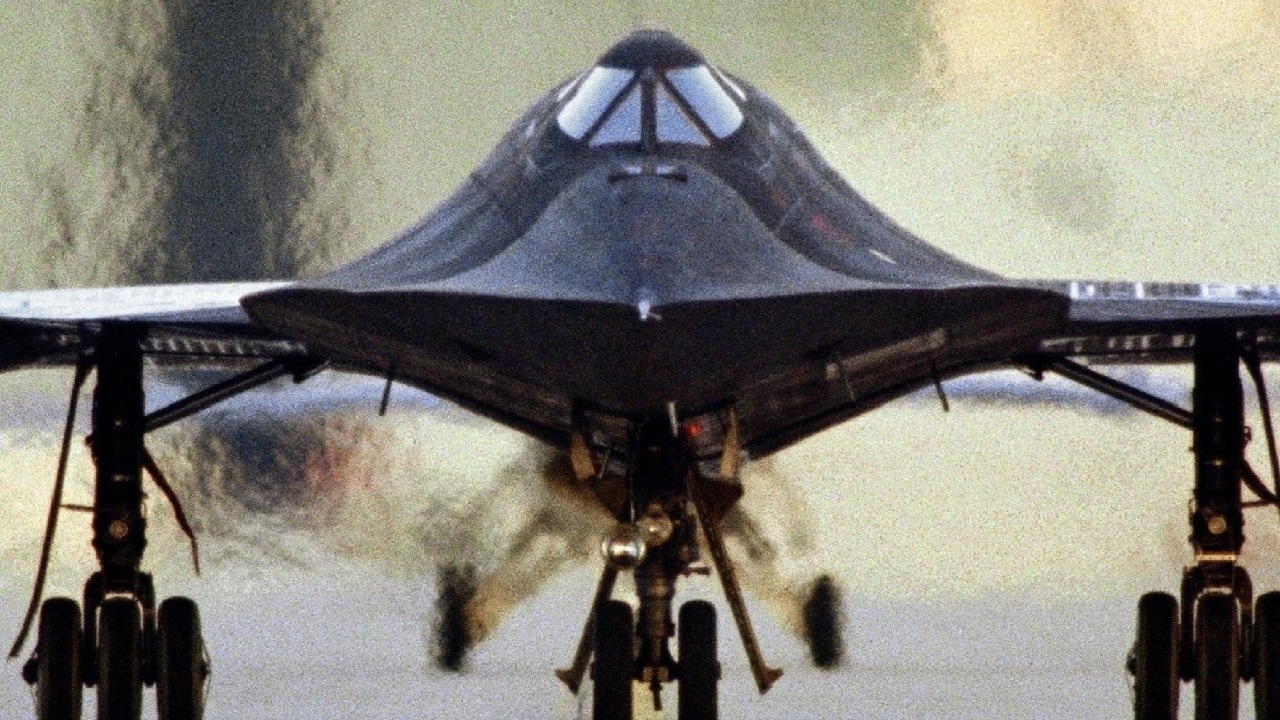
‘We Lose Pieces Bigger Than What You Fly’: A Valkyrie Pilot’s Response to a YF-12 Pilot Bragging About Mach 3 Hours Is the Best Comeback in Aviation History
YF-12 vs. XB-70: You have to give credit to Linda Sheffield Miller. She is the daughter of Colonel Richard “Butch” Sheffield, an SR-71 Blackbird reconnaissance systems officer. Miller has become an expert on the SR-71 and other high-flying, high-speed reconnaissance and interceptor aircraft in the old U.S. fleet. She shares some fascinating stories on social media and on the Aviation Geek Club.
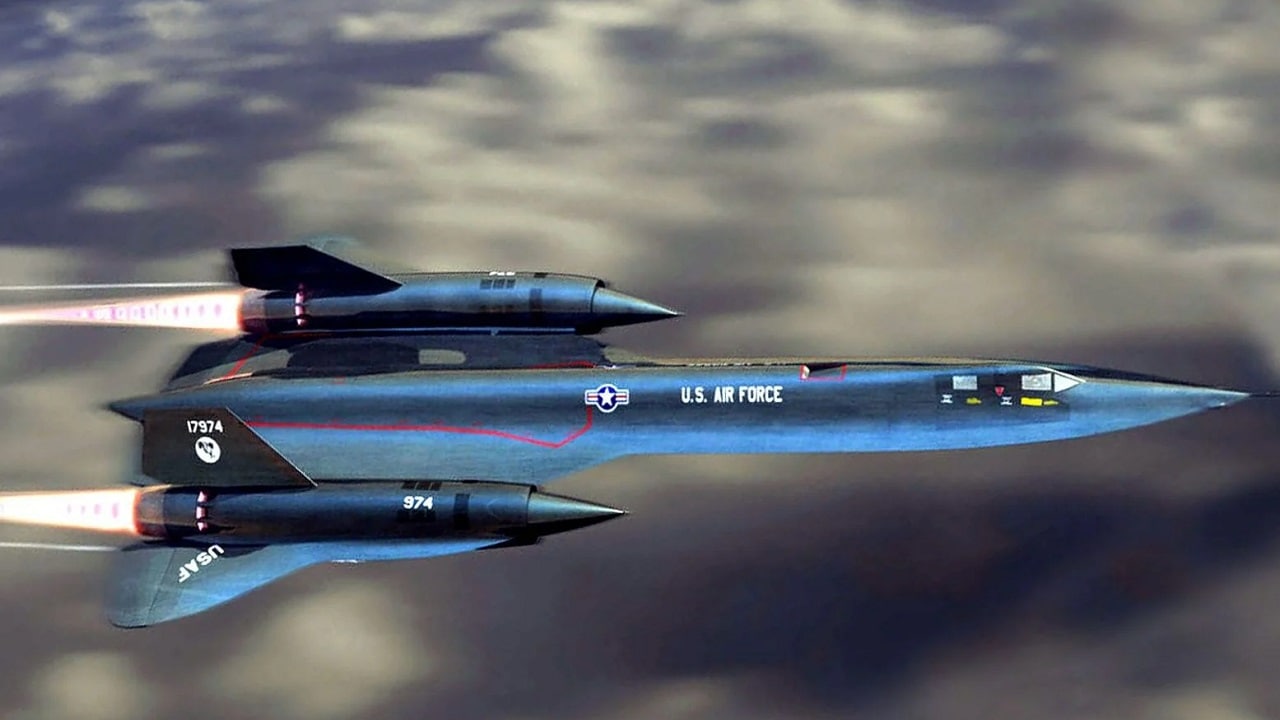
SR-71 Spy Plane. Image Credit: Creative Commons.
This Tale Is Sure to Blow Your Mind
One anecdote posted last September should get your heart racing and your brain working overtime because it is difficult to believe and entertaining as all get out. The story begins with the XB-70 Valkyrie.
First, the Valkyrie was huge, measuring 186 feet long and a wingspan of 105 feet.
Its initial flight was in 1964, and it could fly at 2,056 miles per hour (MACH 3) at an altitude of 70,000 feet. Originally developed in the 1950s, it was going to change the Cold War with high-flying and speedy deployment of nuclear weapons.

XB-70 photo taken at the U.S. Air Force Museum by 19FortyFive in 2025.
The Days Of Manned Bombers Dropping Nuclear Bombs Were Fading
One issue with the XB-70 was that the U.S. nuclear delivery strategy was evolving. Although new bombers could evade enemy air defenses by flying at high speed and at amazing altitude, they were still manned and could be shot down.
This would give the Soviets a significant public relations advantage if an American pilot were captured after a downed bomber. Therefore, it made sense to replace the airplane with nuclear-armed ICBMs.
The Kennedy Administration Was Not Thrilled
President John F. Kennedy was not impressed with the XB-70, despite two prototypes being built by North American Aviation. He canceled the program due to shifting priorities and the high costs of producing and operating the Valkyrie.
The Aerospace Contractor Had a Field Day in the Media
However, North American Aviation was undeterred. They were proud of their hot rod, and test pilots had given it a thumbs-up. The company issued several news releases and advertisements bragging about their ability to make a MACH 3 bomber.

XB-70. Image Credit: Creative Commons.

XB-70. Image Credit: Creative Commons.
The YF-12 Was Similar to the A-12
But for the Lockheed YF-12, another high-speed prototype, there was no public relations boost.
This was a highly secretive program. The MACH 3 YF-12 was related to the A-12 and featured a second seat for a weapons control officer.
The A-12 could also reach MACH 3. This created a rivalry. Which airplane would reach active duty first?
And for the pilots, which aircraft was more fun to fly?
The A-12 had a standout feature in its nose.
The Hughes AN/ASG-18 fire-control radar was excellent and would enhance the pilots’ situational awareness and survivability. There was a backseat operator for this system.
The YF-12 and A-12 were both undergoing testing and evaluation at Edwards Air Force Base.
Miller read a book by Donn A. Byrnes and Kenneth D. Hurley called Blackbird Rising: Birth of an Aviation Legend. She could not believe what she found in her research.

A-12 Oxcart. Image Credit: Creative Commons.
When Alcohol Leads to Some Braggadocio
Some top pilots tend to fly aggressively and party hard. Relaxing and having a good time at the local tavern with some adult beverages was common when they weren’t flying. Sometimes the aviators got overserved, and their tongues started wagging.
The YF-12 pilots boasted about flying more times at MACH 3 than the XB-70 would “fly in a lifetime,” according to the book. The B-70 pilots were just as boastful, and this led to a heated rivalry.
Which MACH 3 Pilot Had the Right Stuff?
Jim Eastham had received an earful and was starting to get irritated. Eastham was a test pilot for the A-12 and was now flying the YF-12.
Another pilot who specialized in the XB-70, named Al White, kept boasting about how often he flew MACH 3.
Eastham responded, “Al, we do more MACH 3 hours in a single YF-12 mission than you guys have flown in your entire program.” Al glanced at Jim, and without hesitation, he said, “Yes, that’s true, Jim, but we lose pieces bigger than what you fly!”

A-12 Spy Plane. Image Credit: Creative Commons.
What Are These ‘Pieces’?
This explained the XB-70’s large size compared to the YF-12. Now, exactly what “pieces” Al White was referring to? Were these coatings coming off the airframe at the high heat? Or was White just pulling Eastham’s leg?
Either way, it is fun to hear these guys carry on, and if you bring in some Type-A “apex” individuals who often fly at MACH 3, you are going to see some verbal fireworks at a bar.
Thankfully, the conversation did not escalate to the point where the two pilots became angry and lost their friendship.
The YF-12 program was also canceled in 1968. The war in Vietnam was raging, and all attention was on fighter jets that could be produced more easily and cheaply in larger numbers. But these fighter jocks who could fly at MACH 3 were a different breed.
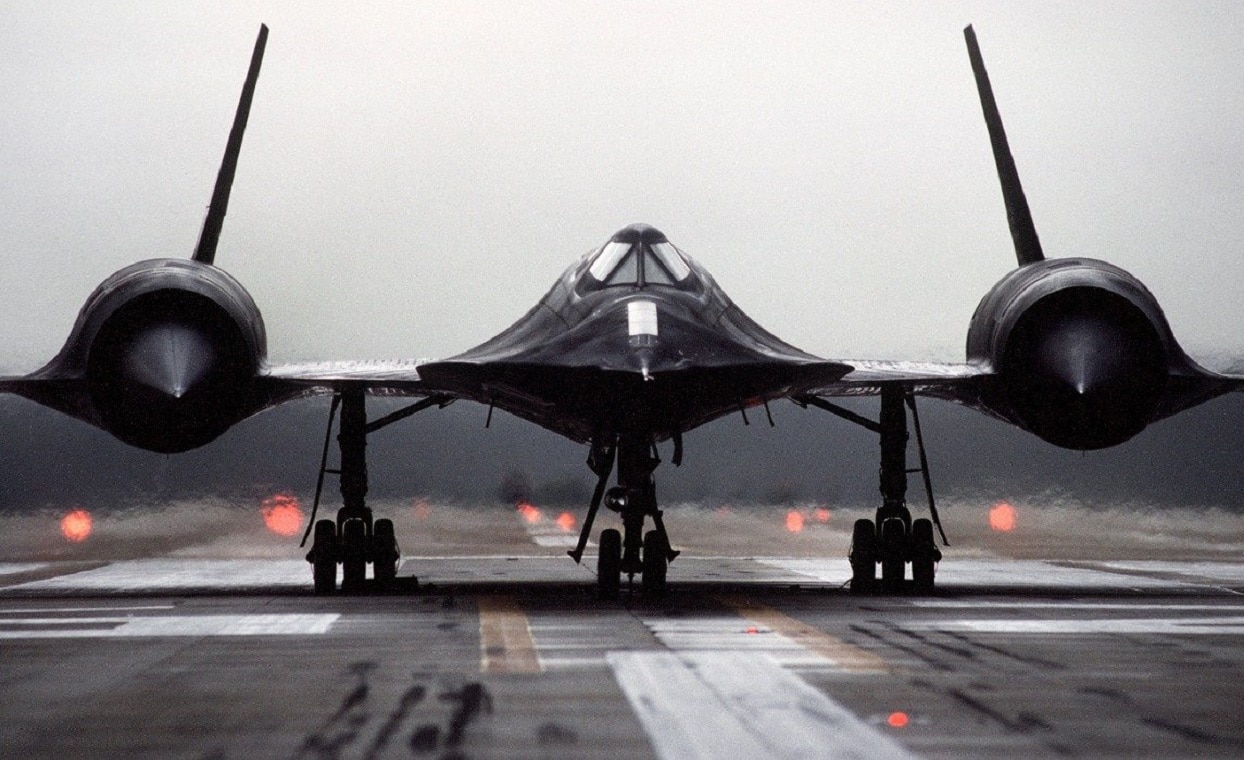
Image: Creative Commons.
They will look back fondly on the good old days when high-speed and high-altitude missions were carried out with passion every day using swift spy planes and high-speed interceptors. They deserve bragging rights, and their exploits should be the subject of many books.
About the Author: Dr. Brent M. Eastwood
Author of now over 3,500 articles on defense issues, Brent M. Eastwood, PhD, is the author of Don’t Turn Your Back On the World: A Conservative Foreign Policy and Humans, Machines, and Data: Future Trends in Warfare, plus two other books. Brent was the founder and CEO of a tech firm that predicted world events using artificial intelligence. He served as a legislative fellow for US Senator Tim Scott and advised the senator on defense and foreign policy issues. He has taught at American University, George Washington University, and George Mason University. Brent is a former US Army Infantry officer. He can be followed on X @BMEastwood.