
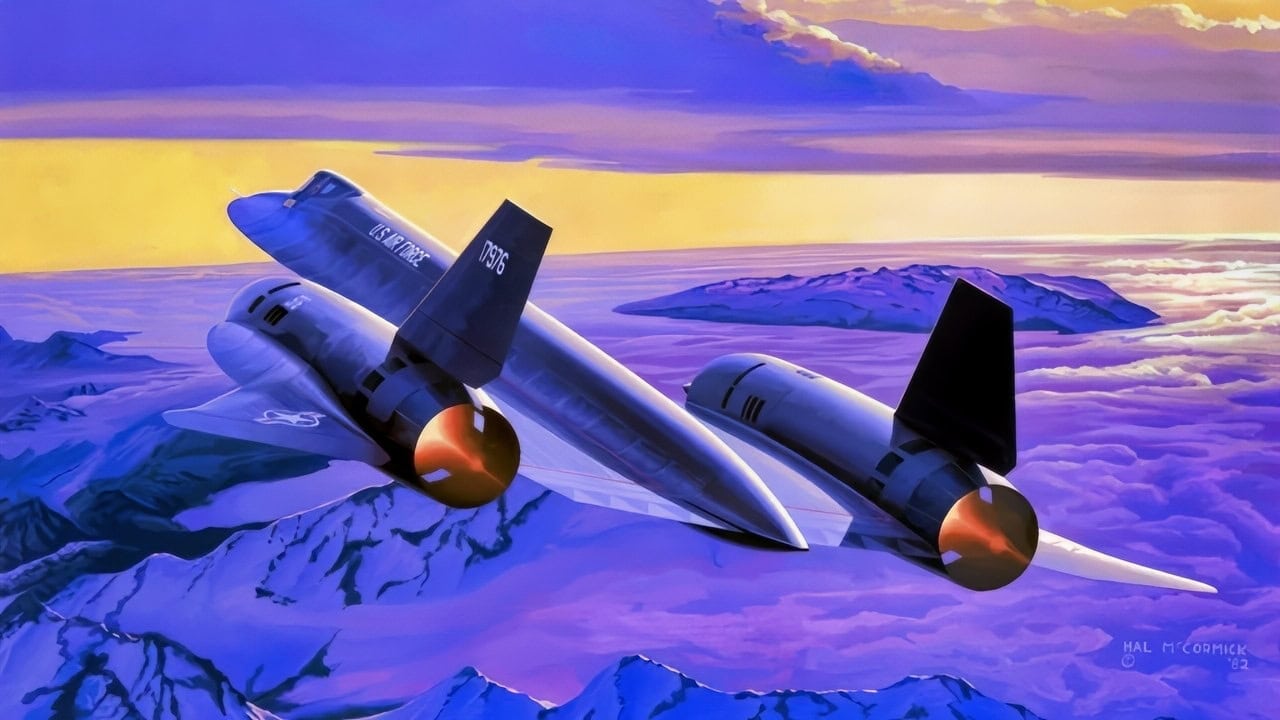
SR-71 Blackbird Pilot David Peters: ‘Very Few Missiles Could Make Up 36 or More Miles Per Minute’
The iconic SR-71 Blackbird was America’s spy plane that operated with impunity anywhere in the world, much to the chagrin of the US’ enemies. Our adversaries fired more than 4,000 missiles at it, without one ever striking the Blackbird.
During the Cold War, the SR-71 was dispatched to hot spots around the globe; over Israel and Lebanon during the 1973 Yom Kippur War, and the Israeli invasion of Lebanon in 1982, numerous overflights of the Soviet Union, Libya in 1986, and overflights detailing positions of Iranian Silkworm anti-ship missiles that were threatening Gulf shipping during the Iran-Iraq War.
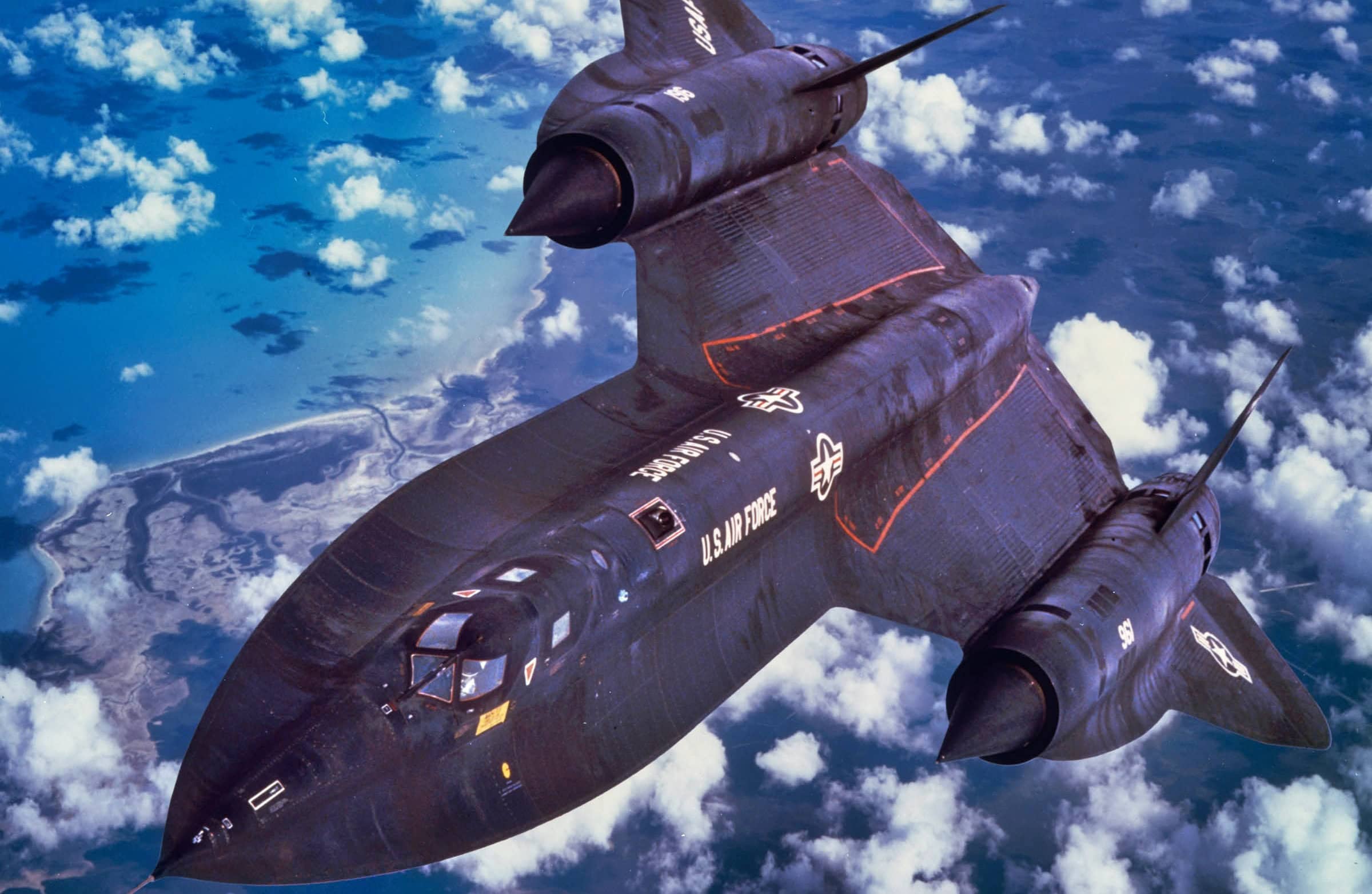
SR-71 Blackbird. Image Credit: Creative Commons.
During its many years of service, Soviet SA-5 Gammon, SA-2, SA-4, and later MiG-31 interceptors were the primary threats, though none ever achieved a kill.
The US discontinued use of the Blackbird in 1990, brought it back in 1995, and then retired it for good in 1998 due to costs and reliance on satellites, not because fighters or anti-aircraft missiles were threatening it, as some analysts are pointing out.
After America’s enemies went 0-4,000 in trying to shoot down a Blackbird (if you are a baseball guy, that isn’t a good batting average), were there any missiles capable of shooting down an SR-71?
“Nobody Is Up There With You”:
Linda Sheffield Miller has written extensively on the subject; her father was an SR-71 Reconnaissance Systems Officer, and, as she points out, many of the Blackbird’s protections are still classified.
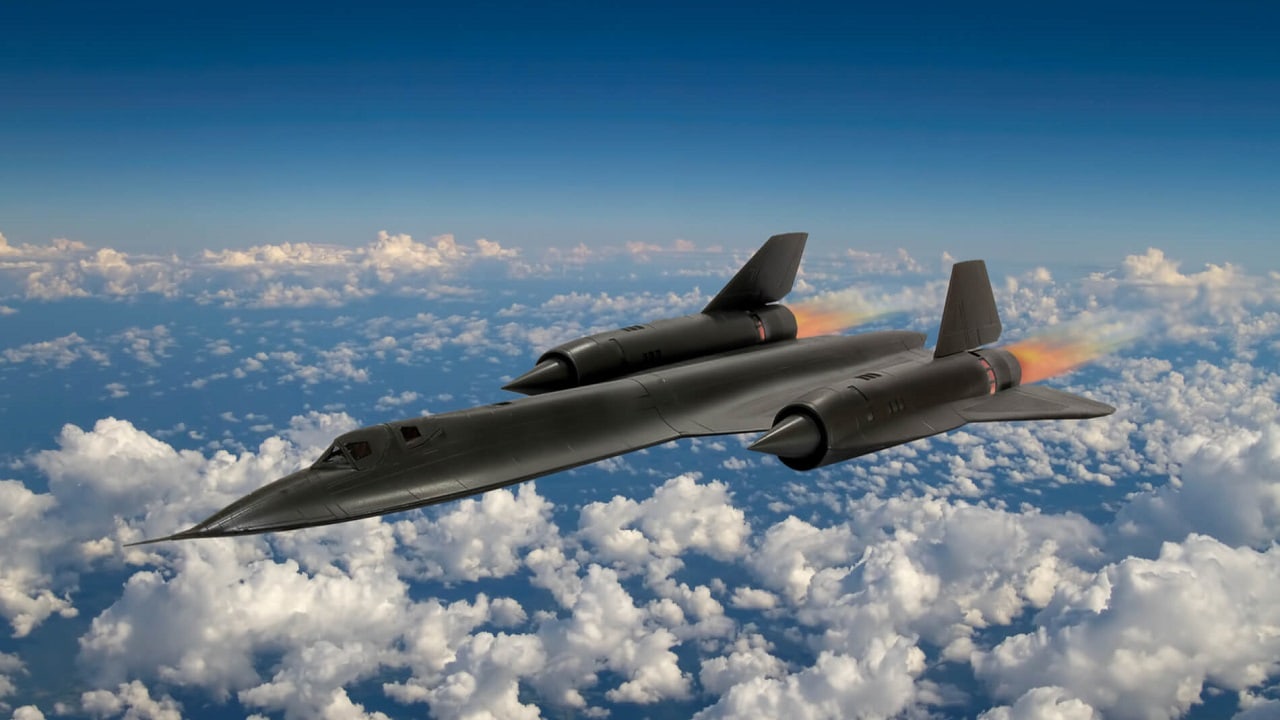
SR-71 Spy Plane. Image Credit: Creative Commons.
“We were allowed 45 degrees of bank for a designated high bank turn. Radius is about 60 miles at 3.2,” said Blackbird pilot David Peters. “But your change of heading is pretty rapid; you are just covering a lot of ground and air doing it. Most people don’t understand the dynamics. We were not going to outmaneuver much of anything. What matters is the proximity to start with. The speed and range of the protagonist.
“One of the real highlights of flying above Mach 3 and above 80,000 feet is nobody is up there with you. They have to see you (radar) first. How far away is significant because we are not just larking along.
“If you are talking surface-to-air missiles, how long does it take to launch and get to 80,000 feet? How long does it take, and how close does it have to get to be able to maneuver if we are not going straight ahead?
“Very few missiles could go far enough to make up 36 or more miles per minute. All this is not taking into consideration our ECM capability.”

SR-71 Blackbird at the Smithsonian 19FortyFive.com Photo
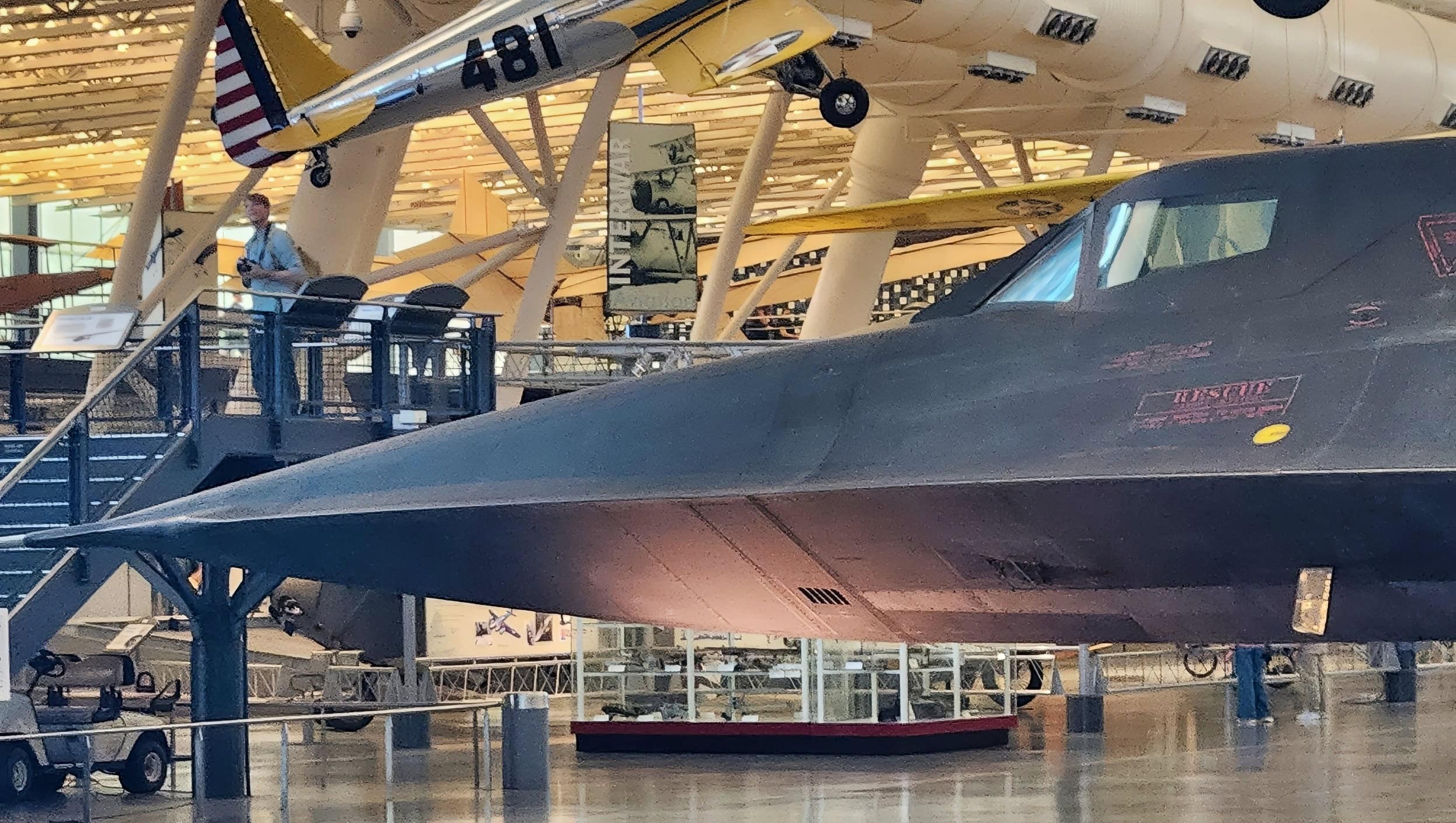
SR-71 Blackbird at Smithsonian. Image Credit: 19FortyFive.com
An SA-10 Grumble Could “Theoretically” Shoot Down An SR-71:
The SA-10 Grumble (S-300PS) was considered one of the few Soviet systems capable of threatening an SR-71 Blackbird, but only if it used a nuclear warhead to create a massive airburst blast radius.
Conventional SA-10 missiles would likely have failed, as the SR-71 routinely outran or evaded thousands of missiles at high altitudes and speeds exceeding Mach 3+.
Blackbird pilot David Peters added that the Soviets would have had to fire the missile well in front of the Blackbird.
“The bottom line is the only surface-to-air missile that had any chance at all was the SA-10 [SA-10 Grumble, the NATO reporting name of the S-300 Soviet SAM system] if it was nuclear.
“That would allow them to fire it out ahead of us with an air burst at altitude, which we could possibly not circumvent. Airborne, i.e., interceptors, none had any chance whatsoever.”
The SR-71 Was A Mach3+, 80,000 Feet Speeding Bullet:
The SR-71 Blackbird was an aircraft without peer, and still is today.
It was a marvel of engineering designed and built by Clarence “Kelly” Johnson’s Lockheed “Skunk Works” in Burbank, California. It was intended to be a long-range, high-altitude, Mach 3+ strategic reconnaissance aircraft.
The CIA contracted Johnson and the Lockheed Skunk Works to build a spy plane capable of traveling at Mach 3 (2301 mph). The program was codenamed ARCHANGEL.
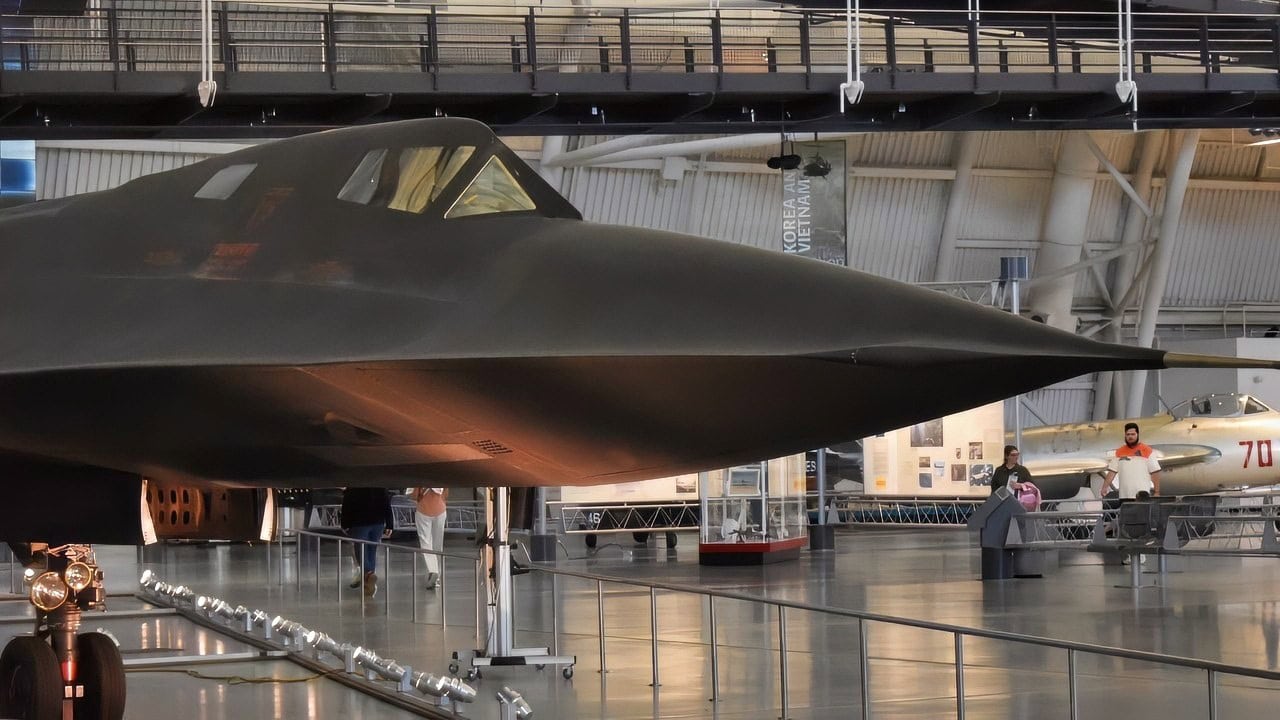
SR-71 Blackbird Photo by Dr. Brent Eastwood of 19FortyFive.

SR-71 Blackbird Photo from Dr. Brent Eastwood at the Smithsonian. 19FortyFive.com Original Image.
The level of secrecy was extremely high for two reasons. One reason was the advanced technology Lockheed was developing, and another was that the United States was secretly buying materials within the Soviet Union to build these jets.
The problem was that the titanium needed to build the aircraft was in the hands of the US’s enemy, the Soviets. The US was able to procure titanium from the Soviets surreptitiously to build the A-12/SR-71s.
The Paint Scheme Was Made Famous:
The Oxcart was painted a deep shade of blue, almost black, because it was learned that this color dissipated heat faster than bare titanium. The A-12 was first flown in 1962, became operational in 1967, and flew for the CIA until late 1968.
The A-12 was a single-seat aircraft and flew reconnaissance missions over North Korea and Vietnam.
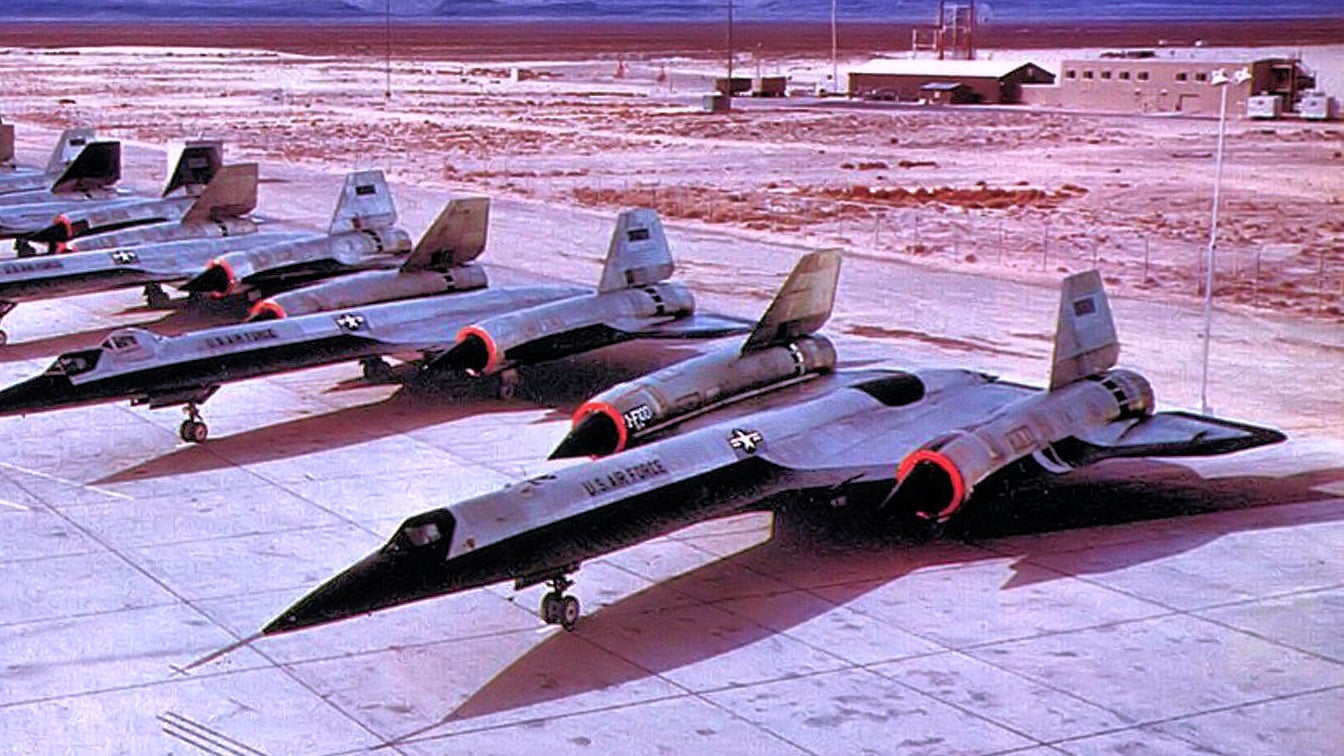
CIA A-12 Spy Plane. Image Credit: Creative Commons.
The aircraft was then produced for the US Air Force, which dubbed it the YF-12, envisioning it as a high-altitude interceptor to defend against supersonic bombers.
However, General Curtis LeMay, the Air Force Chief of Staff, wanted it renamed the SR-71, with the SR referring to the aircraft type as “Strategic Reconnaissance.”
When the program ceased with the CIA, the Air Force purchased 11 of the two-seat version, named the SR-71. It was nicknamed the Blackbird.
A total of 32 SR-71s were built: 29 SR-71As, two SR-71Bs, and one SR-71C. Johnson designed the aircraft with the smallest possible radar cross-section, one of the earliest attempts to achieve stealth.
Two Pratt & Whitney J-58 engines powered it, allowing it to reach Mach 3.2 or higher, equivalent to approximately 2,200 mph. The service ceiling was 85,000 feet.
The SR-71 Blackbird Redefined Speed and Evasiveness:
The SR-71 redefined speed, as it could fly from Los Angeles to Washington in one hour and four minutes. And it flew from London to New York in one hour and 54 minutes.
The Special Reconnaissance (spy) aircraft was the target of more than 4,000 missiles launched at it during its service, and was never hit. In the two-seat cockpit, one person would operate the high-resolution cameras and reconnaissance technology while the other would pilot the plane.
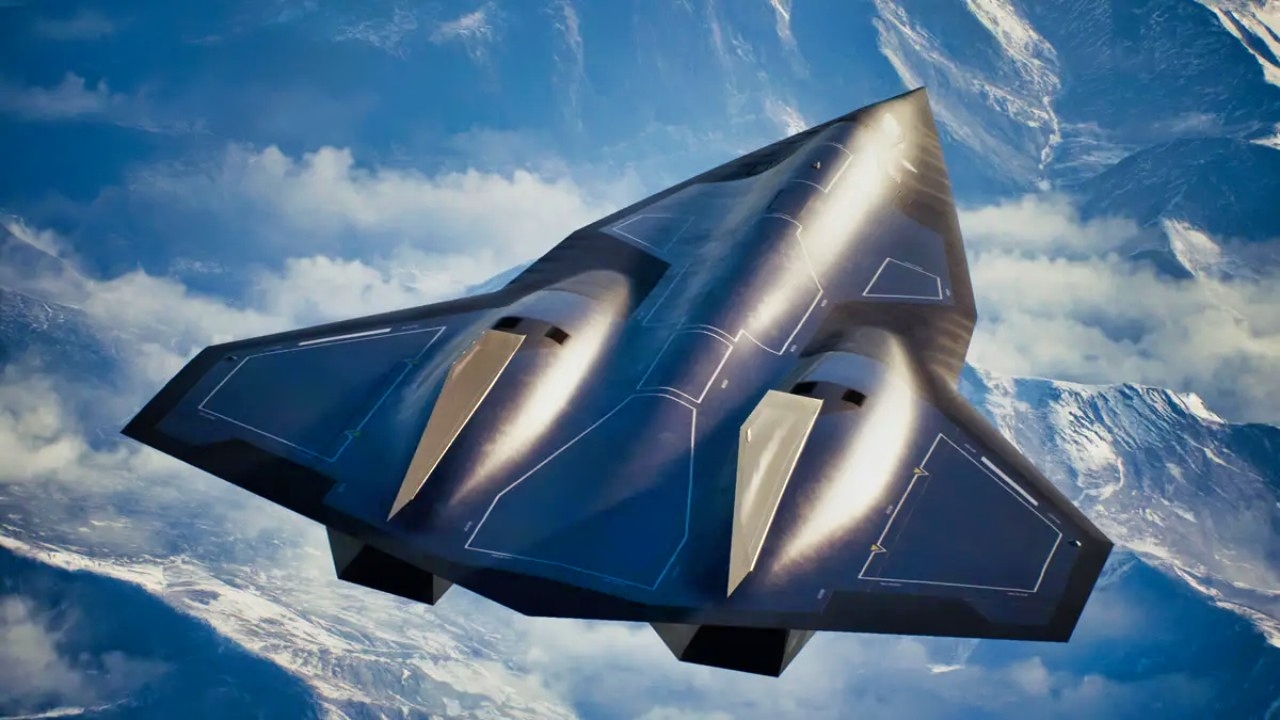
SR-72 Darkstar or SR-71 Son of Blackbird. Image Credit: Creative Commons.
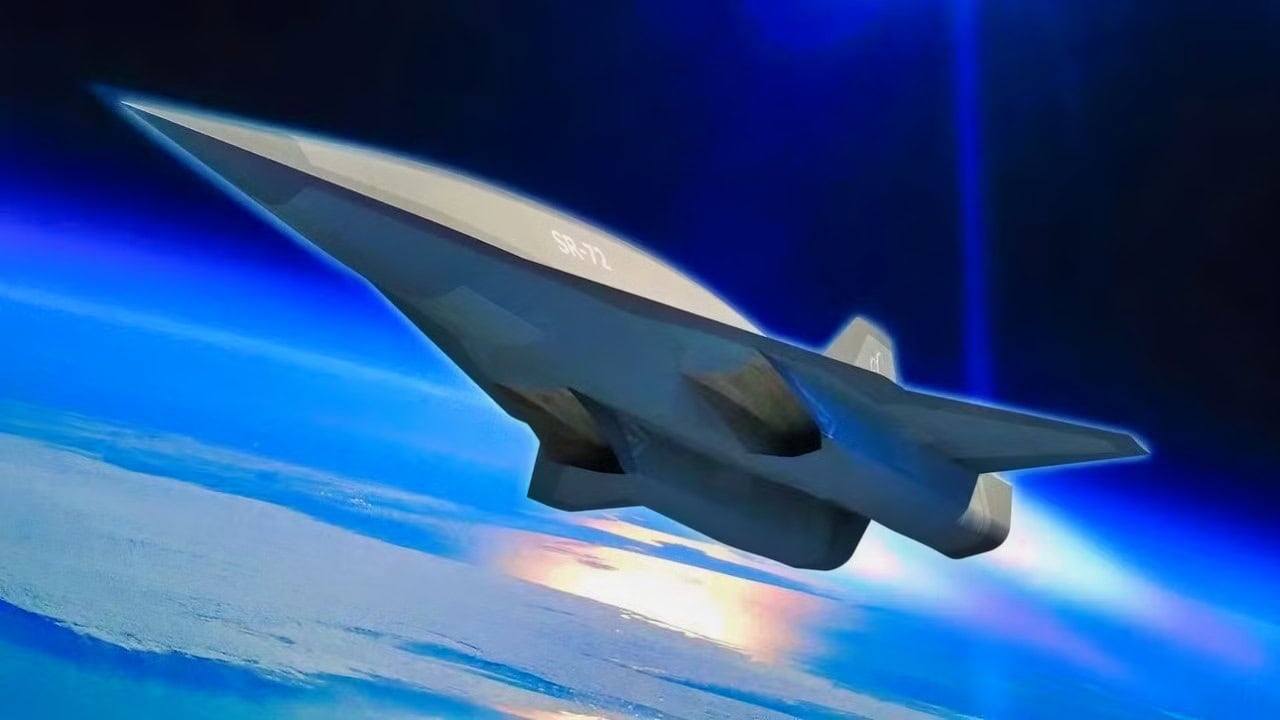
SR-72 Darkstar. Image Credit: Lockheed Martin.
While a nuclear-tipped SA-10 Grumble could have “theoretically” shot down a Blackbird, it is a fact that none were ever hit with any missiles. The aircraft’s record for evading missiles remains unblemished.
The Blackbird may soon have a replacement, as Lockheed Martin and the Skunk Works are reportedly working on the SR-72, Son of Blackbird (SOB), or the Dark Star.
About the Author: Steve Balestrieri
Steve Balestrieri is a National Security Columnist. He served as a US Army Special Forces NCO and Warrant Officer. In addition to writing on defense, he covers the NFL for PatsFans.com and is a member of the Pro Football Writers of America (PFWA). His work was regularly featured in many military publications.