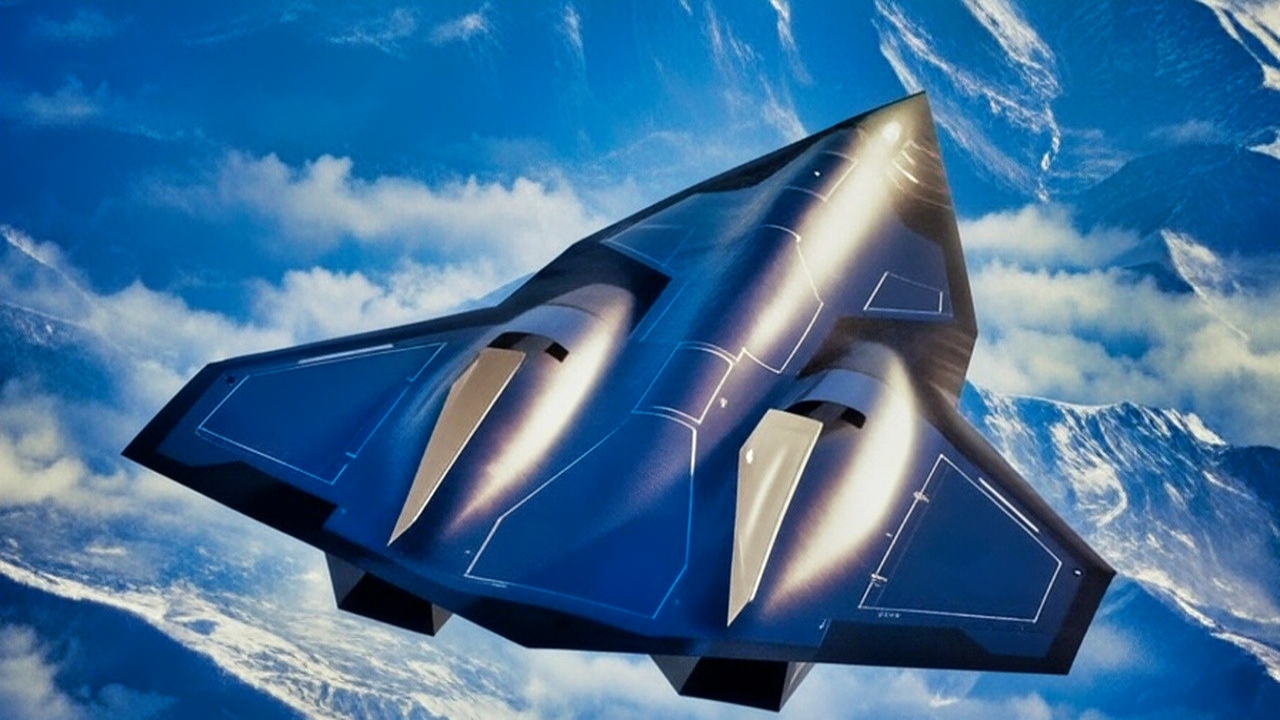
Summary and Key Points: National security expert Brandon J. Weichert evaluates the Lockheed Martin SR-72, the rumored hypersonic successor to the SR-71 Blackbird.
-Designed for the Mach 6 era, this “Son of Blackbird” utilizes a Turbine-Based Combined-Cycle (TBCC) engine to transition from standard jet propulsion to scramjet speeds.
-In the 2026 strategic landscape, the U.S. Air Force seeks to leverage the SR-72’s speed to bypass Chinese and North Korean A2/AD systems.
-While the platform offers flexible ISR and strike capabilities, extreme thermal loads and high development costs risk making it the next “Zumwalt-class” boondoggle.
The Mach 6 Revolution: Why the SR-72 “Son of Blackbird” Redefines 2026 Air Dominance
The rumored successor to the iconic SR-71—the SR-72—might herald the “Mach 6 era.” Nicknamed the “Son of Blackbird,” this hypersonic plane would be designed by Lockheed Martin for reconnaissance and strike missions. Mach 6 would be roughly twice the speed of its predecessor, the SR-71.
The objective would be to give the U.S. Air Force the same kind of high-speed intelligence, surveillance, and reconnaissance (ISR) capabilities the Americans lost when the Blackbird was retired.
The SR-72 and the Dawn of the Mach 6 Era
The SR-72 would likely use a turbine-based combined-cycle engine (TBCC) that switches from jet to scramjet propulsion at high speed. At Mach 6, the SR-72 could move across continents in less than an hour. And here’s the most important part: It could outrun most air defense systems. That’s the essential, most attractive element of this system.
Why Speed May Matter More Than Stealth Now
Even though the world’s air forces still prize stealth as a capability, air defenses are becoming so much better at detecting and shooting down warplanes, including by tracking stealth planes. Thus may begin a period where speed is more survivable than stealth.
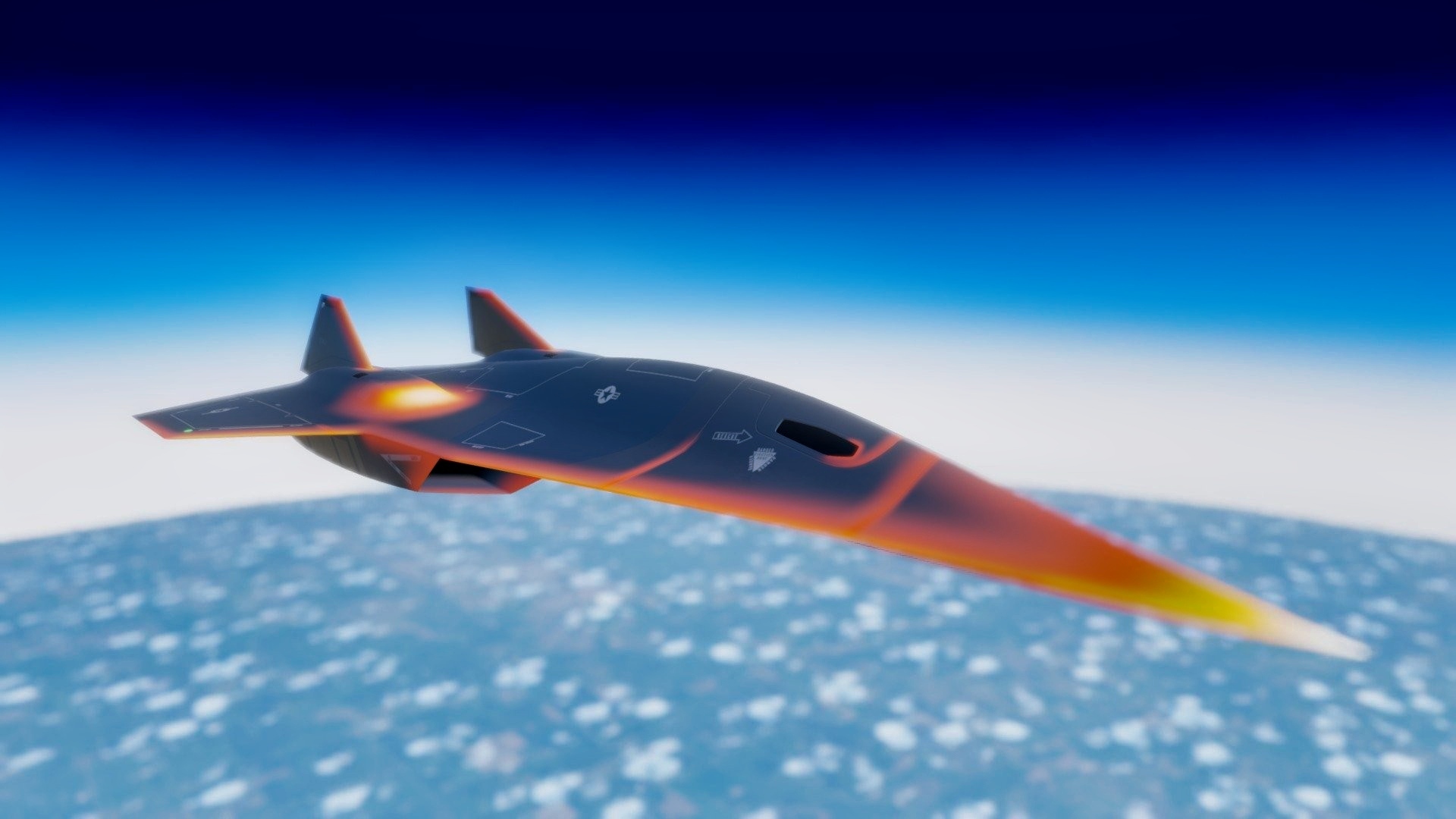
SR-72 Darkstar. Image Credit: Creative Commons.
Being able to punch through enemy air defenses, deliver a payload, or capture covert intelligence over contested enemy airspace and escape with minimal risk of being shot down is an essential component of air warfare.
Ever since the mid-2000s, the assumptions undergirding U.S. air warfare doctrine have been increasingly challenged by innovative rivals who are deeply committed to stunting U.S. military power projection.
How the SR-72 Would Work
In modern combat, speed kills even more than stealth. Having a hypersonic warplane would give U.S. war planners decision-time advantages over their foes. With a Mach 6 aircraft, the Air Force could strike or collect intelligence about the enemy before that enemy reacts. The SR-72 could hit enemy targets deep inside their own territory without needing to rely on vulnerable forward bases.
Unlike ballistic missiles, a hypersonic aircraft is more flexible for operational planning and mission execution, because it can be used repeatedly. Some have speculated that the Air Force could even equip the SR-72 with hypersonic weapons, making the SR-72 a truly lethal platform in today’s modern, degraded battlefields.
Built for War with China
The SR-72 would be specifically meant to fight in the Indo-Pacific region—crossing those vast oceanic distances rapidly, coming on the well-defended Chinese (or North Korean) targets, and smashing them, using speed to escape any reprisals.
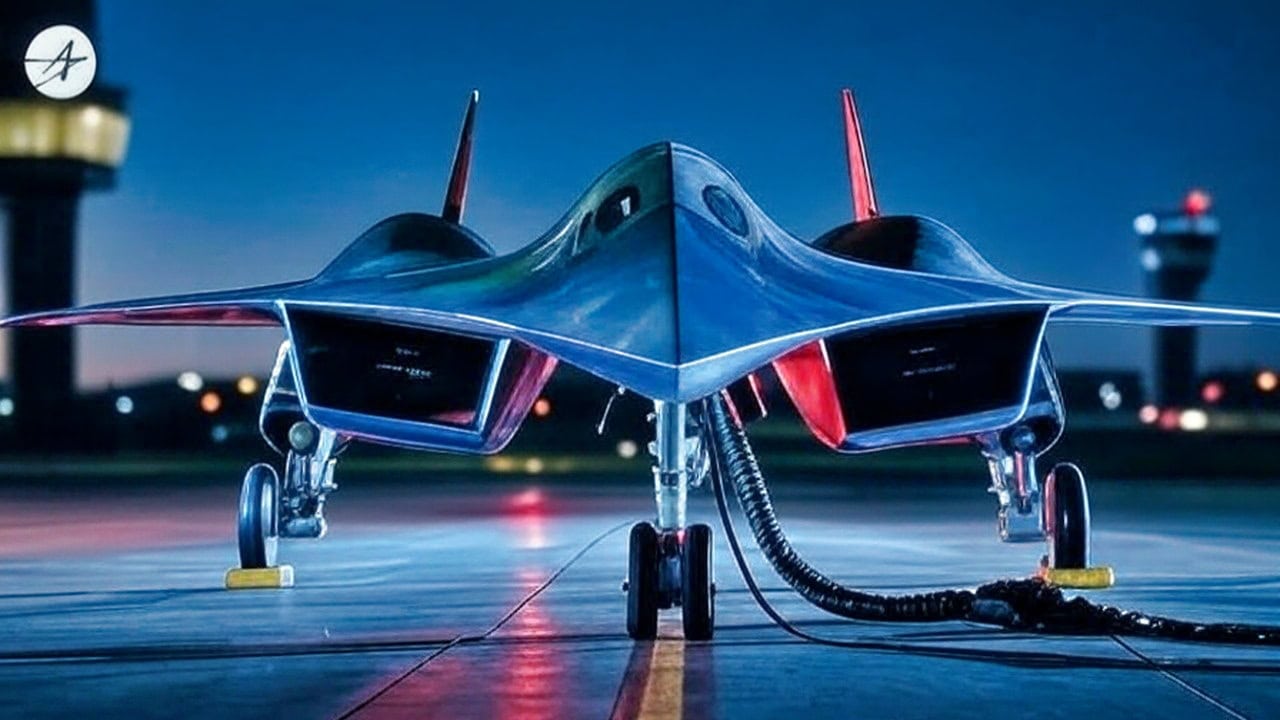
SR-72 Darkstar. Image Credit: Lockheed Matin with AI enhancement.
If the United States builds the SR-72 before any other power can build its own version of such a system, the Air Force will enjoy a unique global strike and ISR capability.
Naturally, the enemies of America will catch up.
But for a period of time, the United States would have moved ahead of its rivals and likely restored some of the deterrence it has lost over the years.
Is the SR-72 Worth the Cost?
There are downsides to a possible SR-72. According to Warrior Maven, the materials the SR-72 would require are expensive and complex to build and maintain because they must survive extreme thermal loads. TBCC engines must work at low speeds, transition to scramjet, and then maintain a stable hypersonic speed.
Operationally, this has never been achieved.
Since hypersonic missiles are already under development in the United States, the costs involved in the SR-72 might not be worth it.
Plus, drones are much cheaper. As for ISR, satellites are more than capable of achieving the mission. (Satellites, though, can be disrupted or shot down far more easily.)
The guiding question behind the SR-72, then, becomes whether this vehicle is worth the cost. It’s the same debates had over the B-2 Spirit long-range stealth bomber, the F-22 Raptor, the Zumwalt-class destroyer, and the sixth-generation F-47. The B-2s and F-22s have proven themselves, whereas the Zumwalts are giant boondoggles, and the F-47, which is still in development, is unlikely to ever live up to its hype.
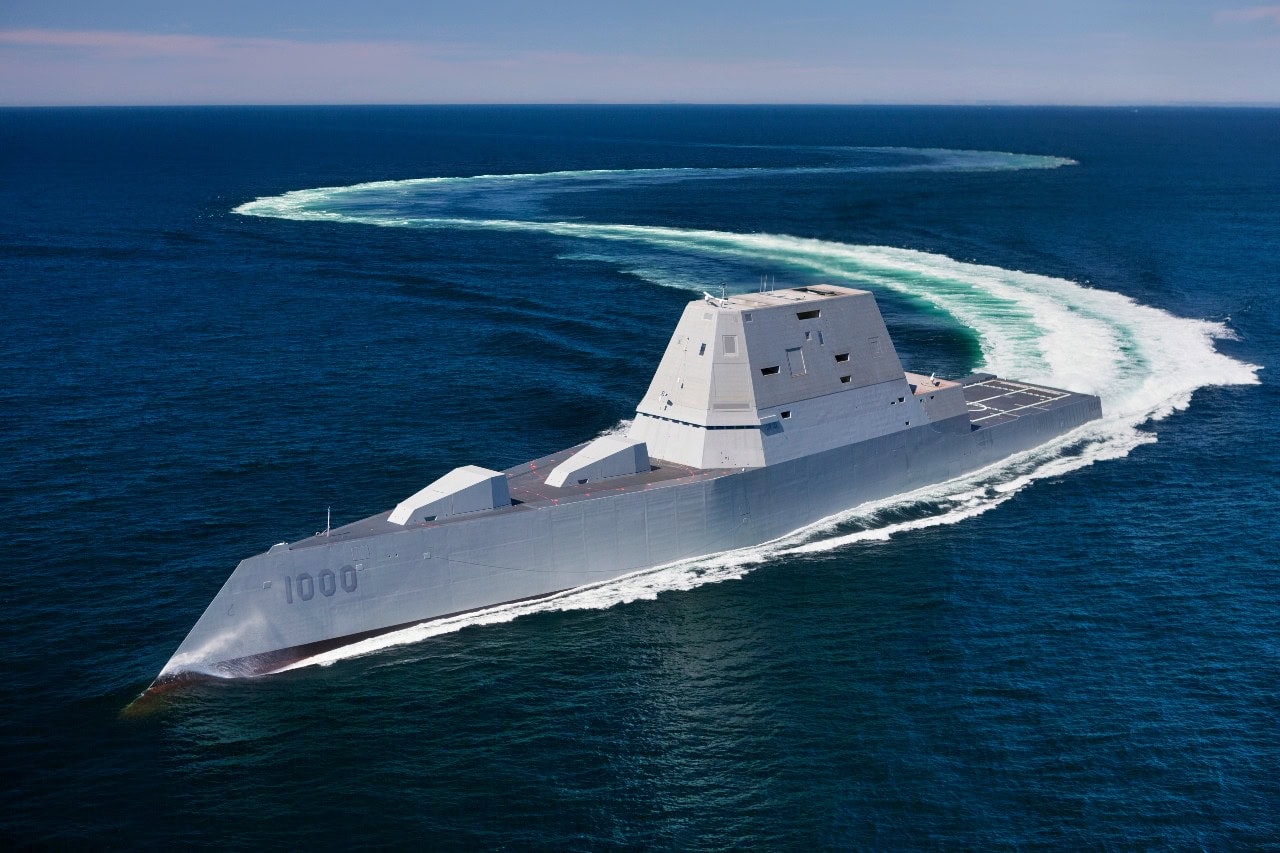
Zumwalt-Class Destroyer U.S. Navy.
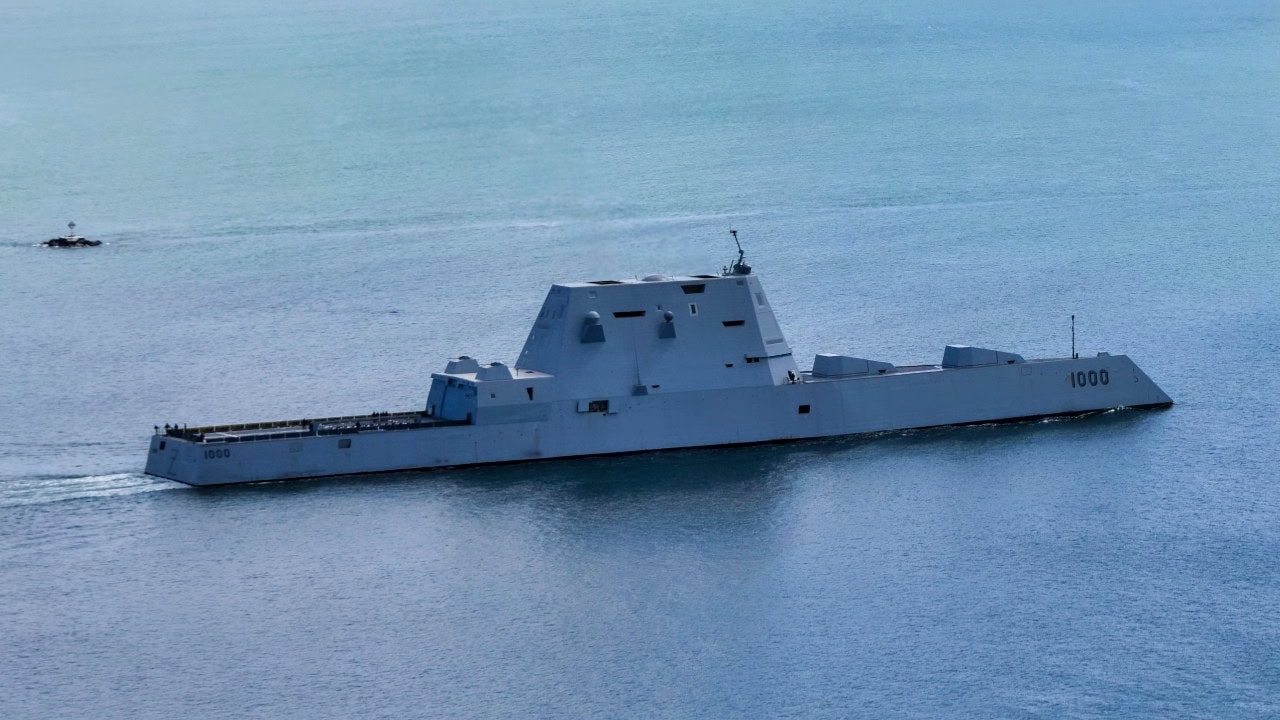
The Guided-missile destroyer USS Zumwalt (DDG 1000) departs San Diego as part of an operational underway. The milestone demonstrates the U.S. Navy’s commitment to advancing the lethality of its surface combatants by integrating cutting-edge technologies in Zumwalt’s combat systems, weapons, and engineering plants. (U.S. Navy photo by Mass Communication Specialist 2nd Class Natalie M. Byers)
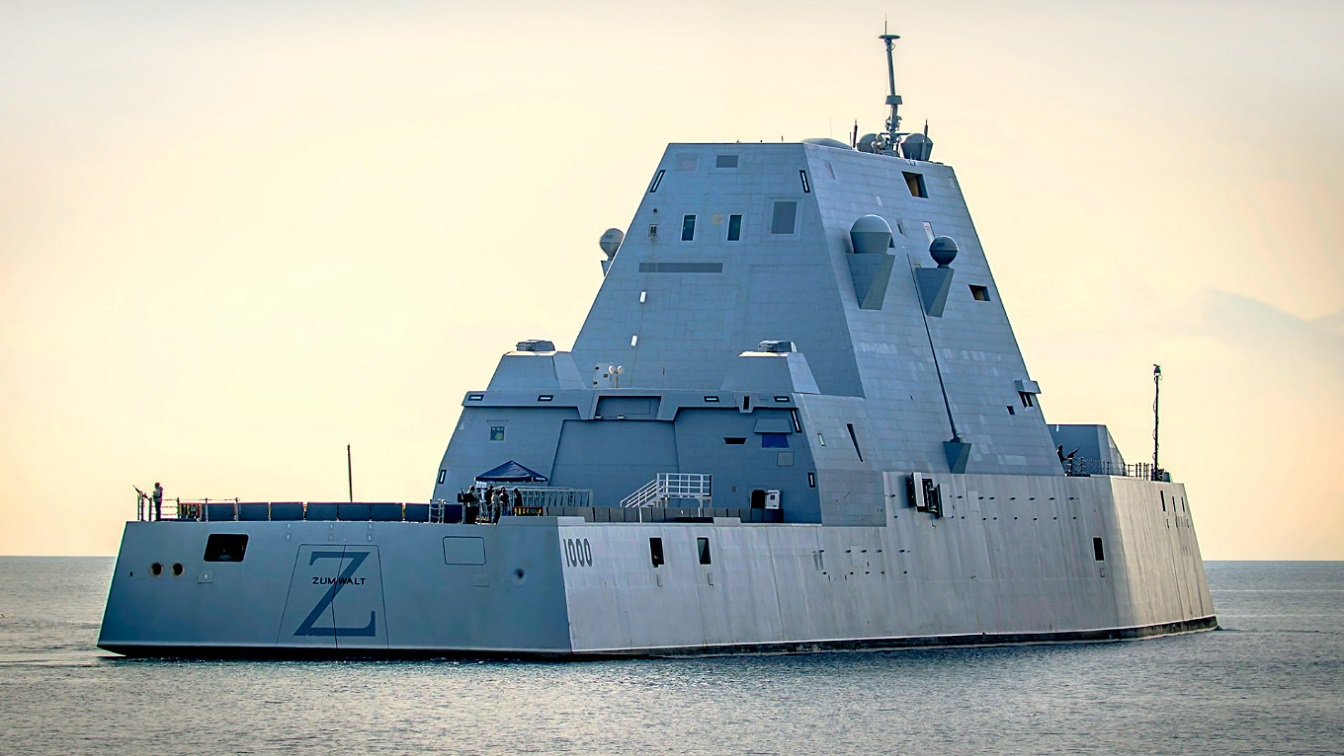
Zumwalt-Class, the largest destroyer on Earth today.
Right now, the details and future of the SR-72 remain murky.
Nobody outside Skunk Works really knows how far along the program is—or if it will ever move to mass production.
The claims surrounding this wild program range: according to some, it is only a concept; others say it may be in prototype testing.
Or, the SR-72 is nothing more than a flying research vehicle. Still others insist the plane will be available by the 2030s.
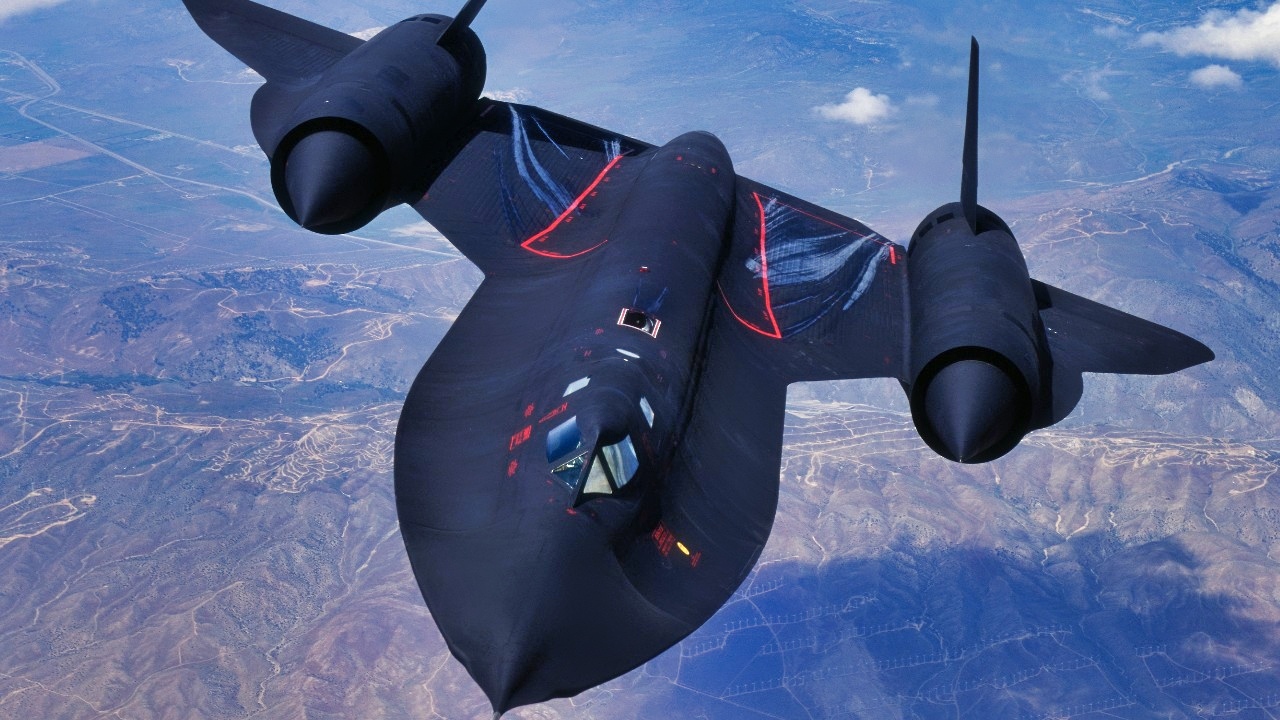
SR-71 Blackbird. Image Credit: Creative Commons.
The SR-72 would represent a shift back to speed over stealth for survivability. It could give the United States a major strategic edge.
The engineering challenge is enormous. And the SR-72 might end up being too expensive and complex to be worth the cost.
Essentially, we are stuck between the idea of the SR-72 being either the future of airpower…or the next Zumwalt-class destroyer.
About the Author: Brandon J. Weichert
Brandon J. Weichert is the Senior National Security Editor at 19FortyFive.com. Recently, Weichert became the editor of the “NatSec Guy” section at Emerald. TV. He was previously the senior national security editor at The National Interest. Weichert is the host of The National Security Hour on iHeartRadio, where he discusses national security policy every Wednesday at 8 pm Eastern. He hosts a companion show on Rumble entitled “National Security Talk.” Weichert consults regularly with various government institutions and private organizations on geopolitical issues. His writings have appeared in numerous publications, among them Popular Mechanics, National Review, MSN, and The American Spectator. And his books include Winning Space: How America Remains a Superpower, Biohacked: China’s Race to Control Life, and The Shadow War: Iran’s Quest for Supremacy. Weichert’s newest book, A Disaster of Our Own Making: How the West Lost Ukraine, is available for purchase wherever books are sold. He can be followed via Twitter/X @WeTheBrandon.