
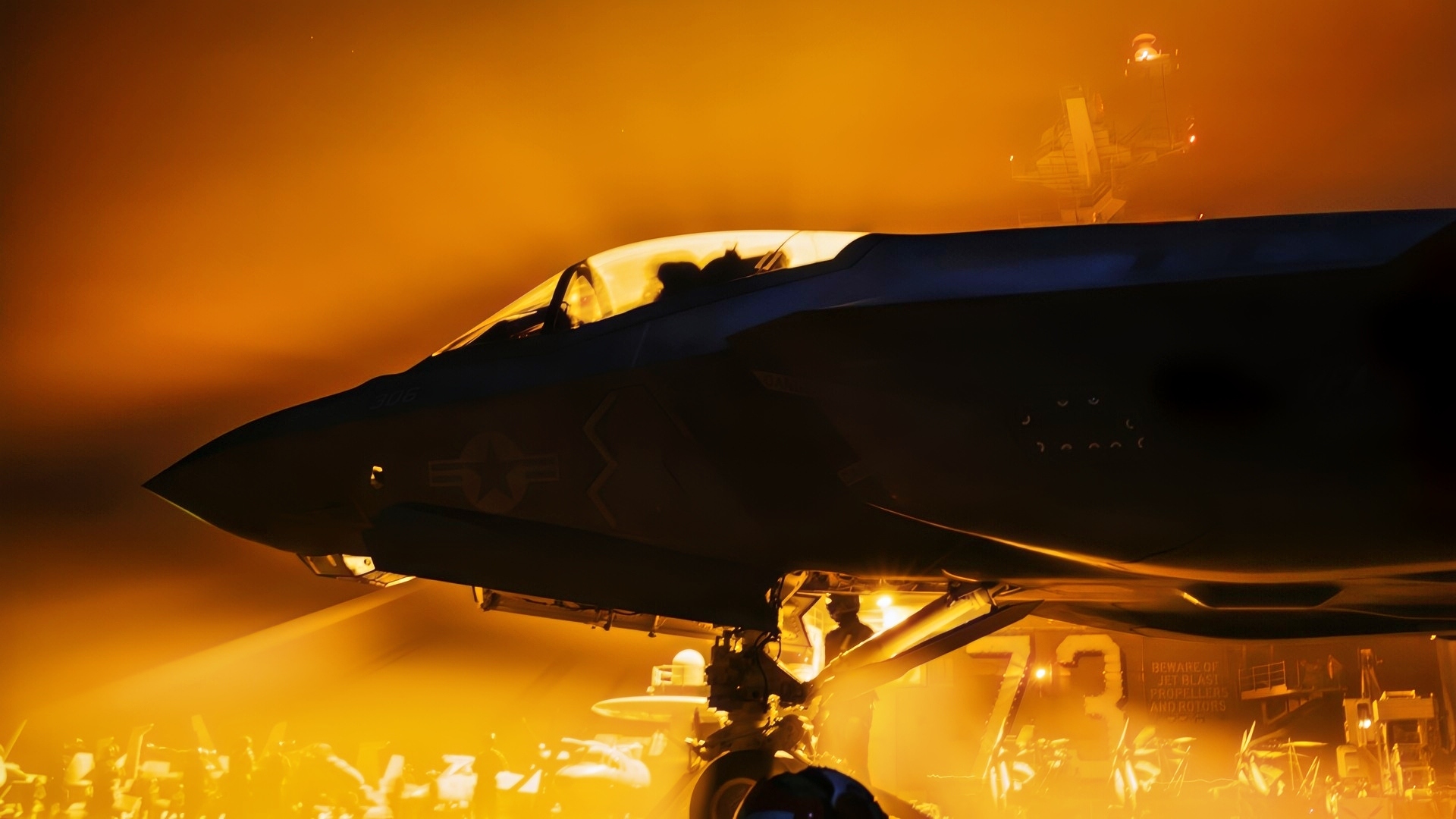
Summary and Key Points: The Nimitz-class had a smoother debut than the Ford-class because it reused proven technology and was built when shipyards were stronger. It still has flaws.
The Nimitz-Class Aircraft Carriers: A Mixed Bag?
Journalists and government officials alike criticize the Ford-class aircraft carriers for being technically unreliable.
As a result, some argue that the U.S. Navy should ditch the class entirely and return to a more traditional carrier design, like the Nimitz-class.
The Nimitz-class, introduced in the 1970s, has served the U.S. Navy for decades, seemingly without the technical problems the Ford-class has faced.
Although the older carriers have not received the same scrutiny as the USS Gerald R. Ford (CVN-78), the Nimitz-class carriers remain extremely maintenance-heavy, a problem the Ford-class, imperfect as it is, sought to address.
Why the Nimitz-Class Had a Smoother Development Than the Ford-Class
When a new ship class is introduced, it is normal to expect the lead ship to face technical difficulties as problems emerge that initial studies couldn’t predict.
This is especially true if the new class introduces a host of technological innovations that had not been implemented before.
The Nimitz-class carriers, though they introduced several innovative construction techniques and new communication technology, were not particularly ambitious in their design.
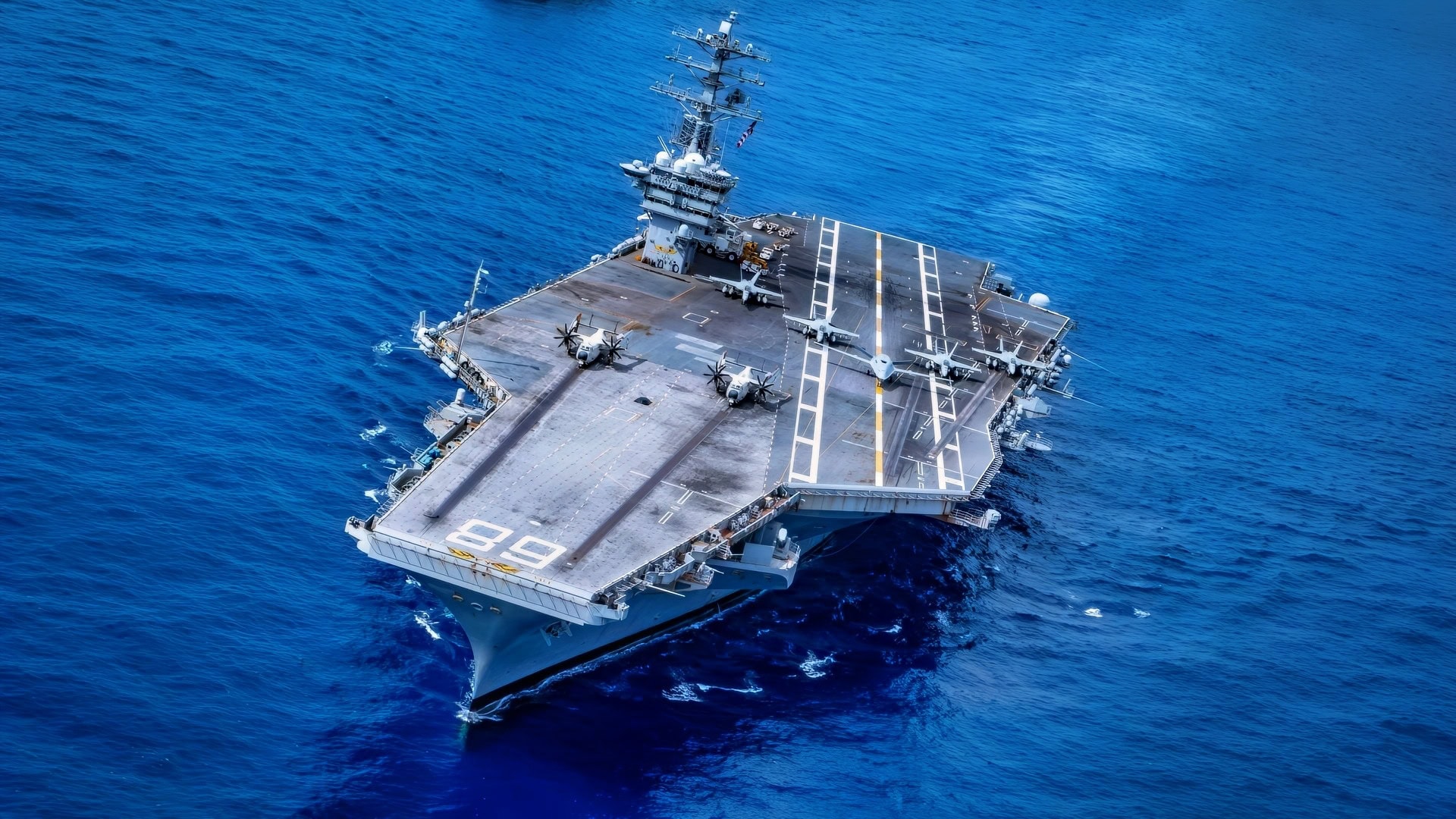
Twenty-six ships from 13 partner and allied nations steam in formation with Nimitz-class aircraft carrier USS Nimitz (CVN 68) as part of Fleet Exercise (FLEETEX) 250 in the Atlantic Ocean, June 25, 2026. Nimitz is underway taking part in Fleet Exercise (FLEETEX) 250, a series of structured multilateral training events at-sea, aimed at building cohesiveness, validating tactical procedures, and strengthening the interoperability of participating units—which include warships, aircraft, and crews from the U.S. and 13 partner and allied nations. (U.S. Navy photo by Mass Communication Specialist 3rd Class Gina M. Gallia)
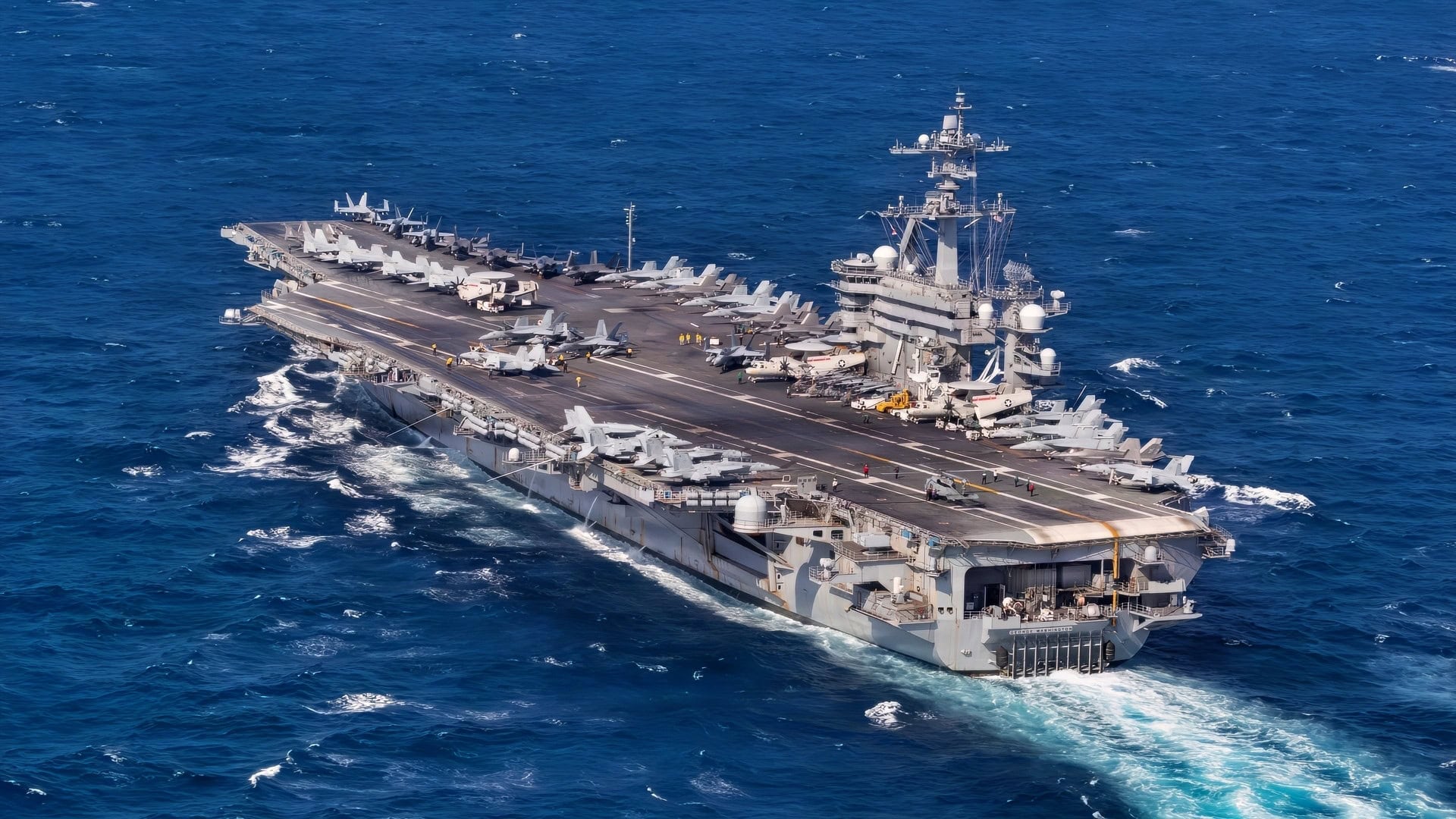
Nimitz-class aircraft carrier USS George Washington (CVN 73) operates in the South China Sea, Aug. 8, 2026. George Washington, operating in the U.S. 7th Fleet area of operations, is the U.S. Navy’s premiere forward-deployed aircraft carrier, a long-standing symbol of the United States’ commitment to maintaining a free and open Indo-Pacific, while operating alongside allies and partners across the U.S. Navy’s largest numbered fleet. (U.S. Navy photo by Mass Communication Specialist Seaman Anthony Vilardi)
Nuclear propulsion had already been tested on the USS Enterprise (CVN-65), and steam catapults had been in use since the WWII-era Essex-class.
In stark contrast, the Ford-class carriers introduced multiple new technologies that had never been tested on a carrier. As a result, the USS Gerald R. Ford experienced more growing pains than the USS Nimitz (CVN-68).
Another reason the Nimitz-class development faced fewer hurdles than the Ford-class is that the two carrier types were built in completely different environments.
The Nimitz-class ships were designed and built at the height of the Cold War, after lessons from the Vietnam War were learned.
During this time, American shipbuilding was much stronger than it is today, which allowed the U.S. to build and maintain more aircraft carriers in a shorter period.
Manpower was also more readily available at both public and private shipyards, allowing the carriers to be built on schedule.
In contrast, the Ford-class was built after the post-Cold War budget cuts with a shrinking industrial base. As the War on Terror dragged on, Navy recruitment and shipyard employment dwindled.
Although the Ford-class was designed to accommodate a smaller crew, the shrinking industrial base delayed multiple naval projects.
Problems With the Nimitz-class
Although construction on the Nimitz-class went smoothly, the ships still have problems.
One unusual design oversight is that Nimitz-class carriers tend to list slightly to starboard under full combat load.
The issue stems from a design flaw in the List Control System (LCS), which cannot correct the ship’s list under full load.
This may not sound like a serious issue, but even slight listing during launch and recovery can cause serious problems and affect operational readiness.
To resolve this issue, the Navy typically uses fresh-water ballast to balance the carrier.
However, these ballasts pose a direct risk to the crew in an emergency because they affect the ship’s counter-flooding capability.
Some studies have proposed alternatives using solid ballast, though the Navy has not yet considered any other solutions.
While the Nimitz-class has not faced the same technical challenges as the Ford-class, maintenance remains a real concern.
About halfway through their lifecycles, roughly 25 years for the Nimitz-class, each nuclear carrier requires a Refueling and Complex Overhaul (RCOH).
During this procedure, the nuclear reactors aboard an aircraft carrier are refueled, and the ship’s onboard systems are modernized as needed to address any damage.
The process is long and expensive.
Typically, the Ford-class requires three to four years for a complete RCOH, and longer depending on the ship’s condition.
The Navy usually plans its deployments around these maintenance cycles, ensuring that the fleet has enough carriers to meet its needs.
However, over time, the Navy has discovered more issues in the Nimitz-class, requiring more maintenance time to replace and overhaul flawed components.
Summed Up in 1 Word: Age
The biggest issue with the Nimitz-class today is their age.
The USS Nimitz, originally commissioned in 1975, has been in service for over 40 years and is currently slated for retirement.
The longer these ships remain in service, the more their hulls age, making maintenance harder.
Recently, as the ships have deteriorated and the industrial base has shrunk, maintenance on the Nimitz-class has been delayed.
The USS John C. Stennis (CVN-74) entered her RCOH in 2021.
Originally expected to return to service in 2025, the timeline was pushed back to October 2026.
As of writing this, Stennis remains out of service.
Likewise, the USS Harry S. Truman (CVN-75) recently entered her ROCH and is not expected to return to service for another five years.
The Nimitz-class ships are some of the finest carriers in the world.
However, not unlike the Ford-class, they are expensive to operate and maintain.
Maintenance and support costs require tens of billions of U.S. taxpayer dollars per carrier.
Although the Ford-class cost more upfront, it was designed to reduce maintenance and sustainment costs.
Whether it actually achieves this is a question that only time will answer.
About the Author: Isaac Seitz
Isaac Seitz, a Defense Columnist, graduated from Patrick Henry College’s Strategic Intelligence and National Security program. He has also studied Russian at Middlebury Language Schools and has worked as an intelligence Analyst in the private sector.