
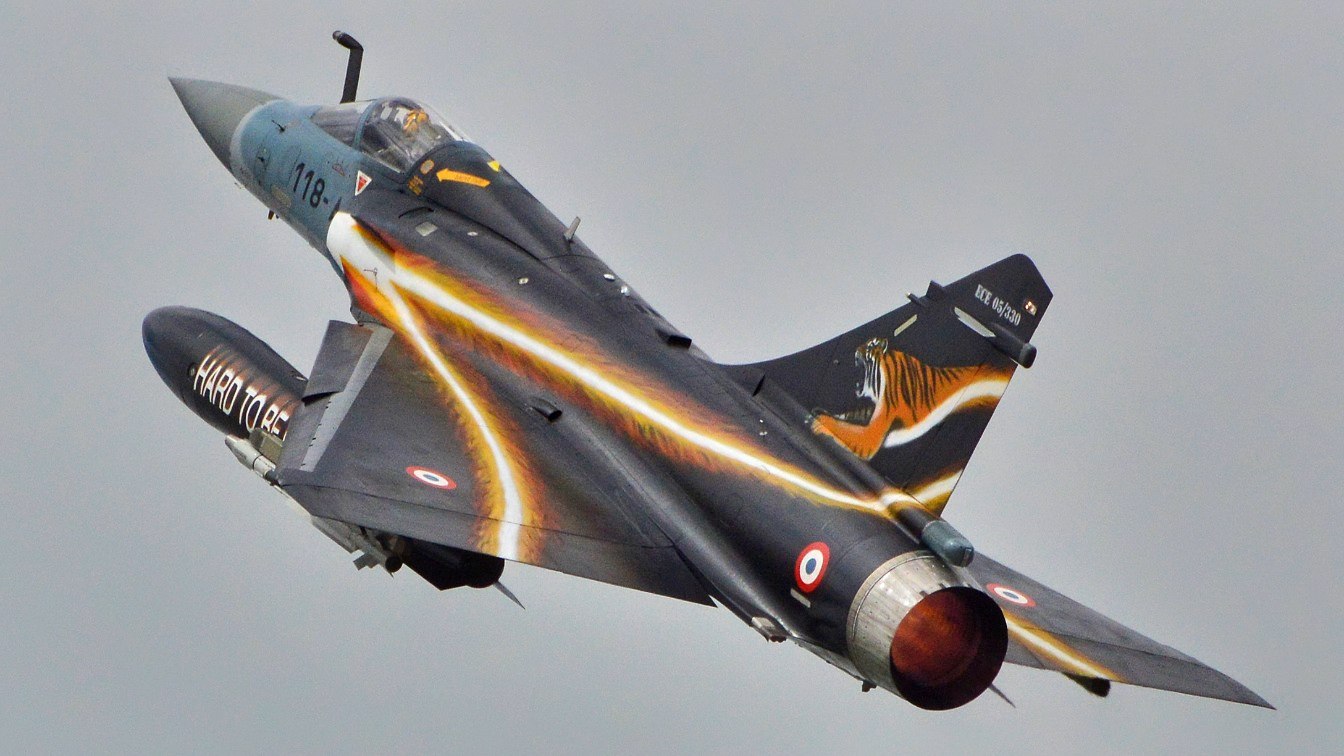
Few European fighters are as recognizable as the Dassault Mirage 2000. First introduced in the 1980s as France’s premier air superiority fighter, it has evolved into a capable multi-role platform.
More than four decades after entering service, the Mirage has gained renewed attention following its transfer to Ukraine—a deployment that demonstrates how upgrading Cold War aircraft can extend operational relevance even in contemporary air battles.
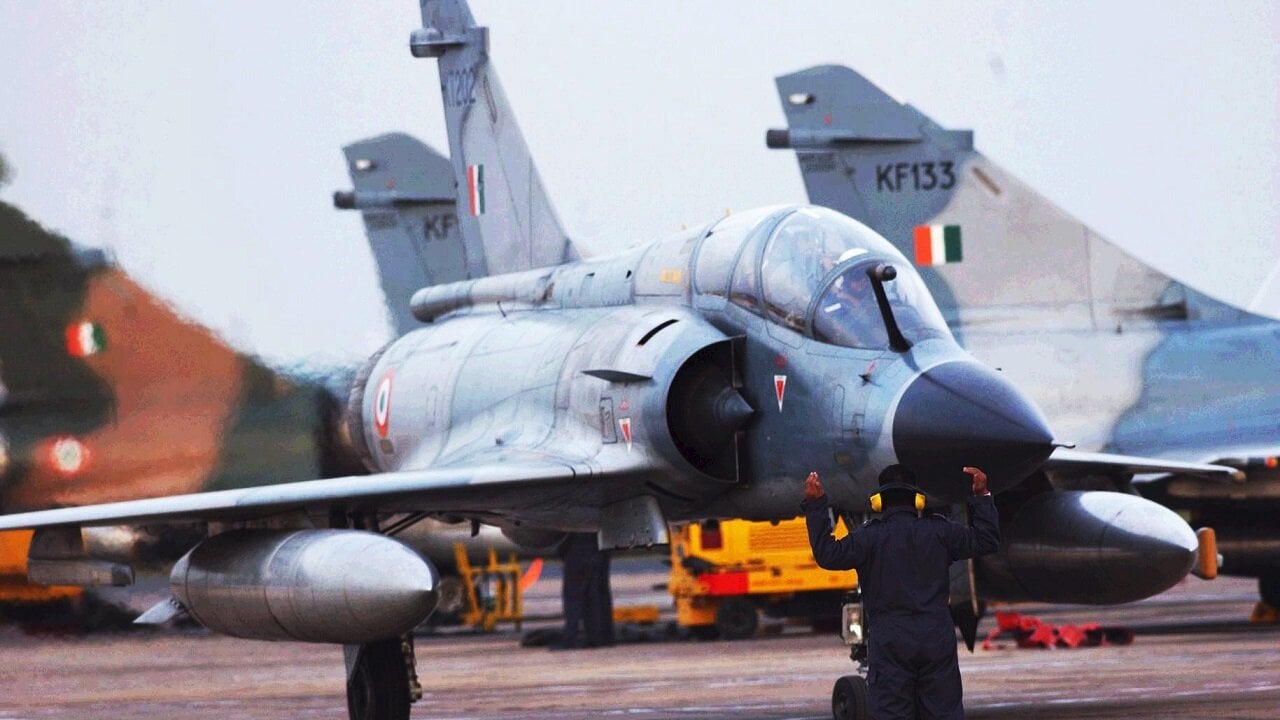
Mirage 2000. Image Credit: Creative Commons.
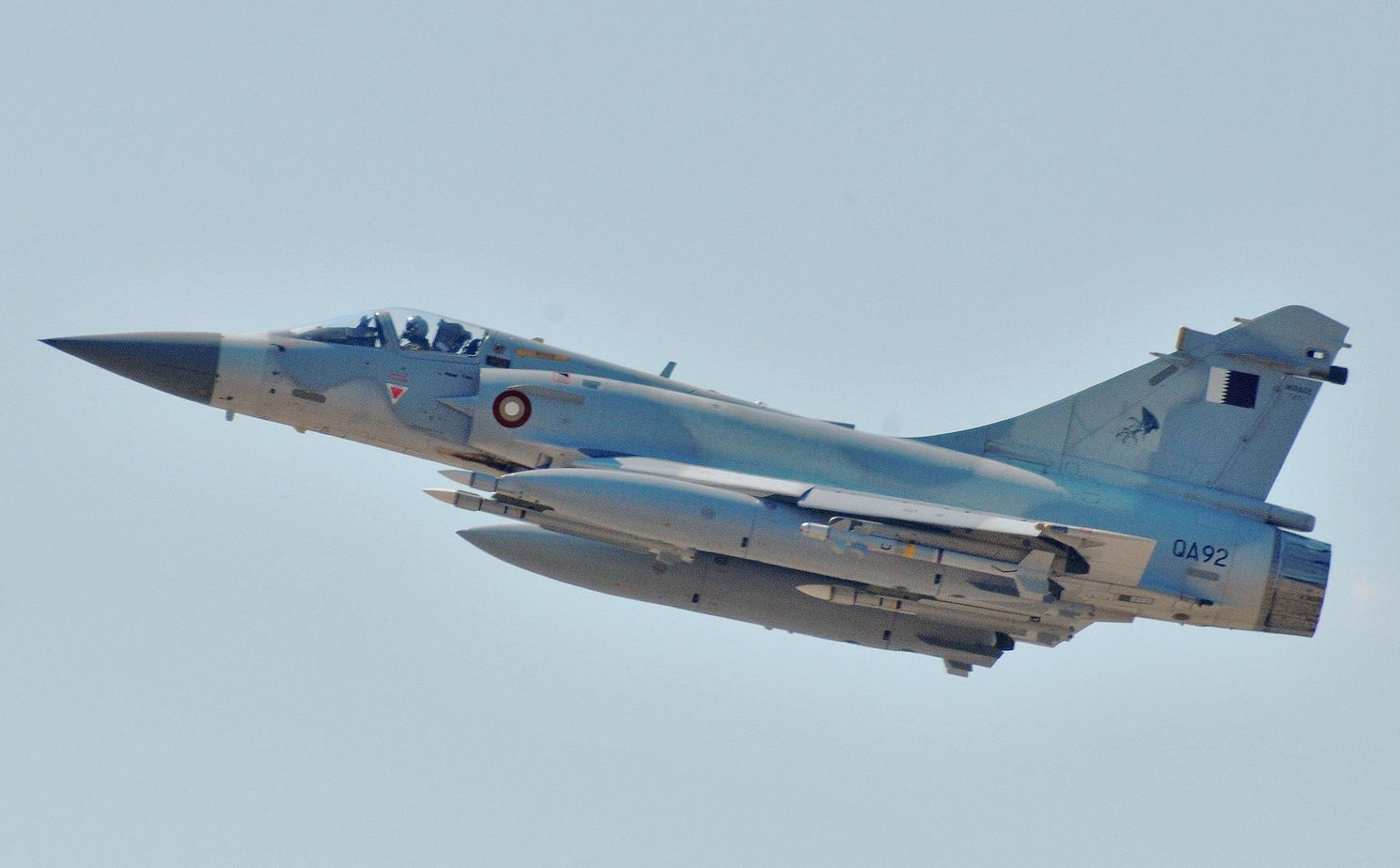
Mirage 2000-5.
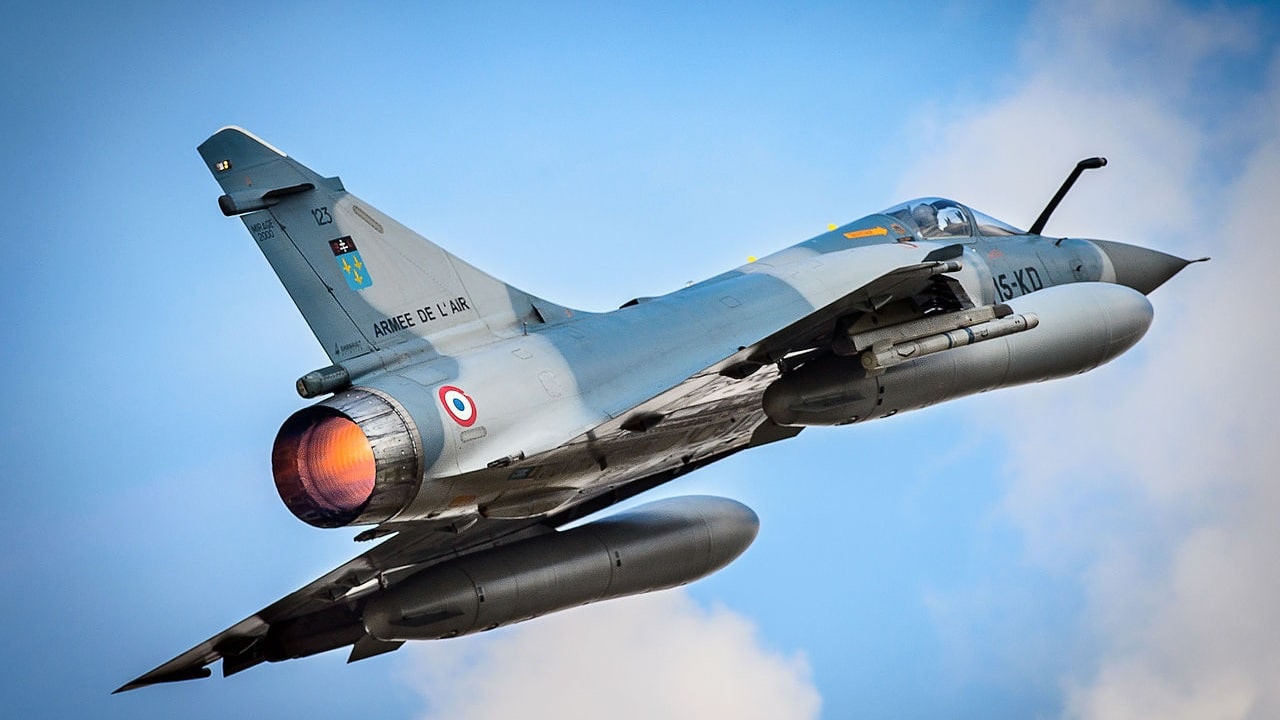
French Air Force Dassault Mirage 2000C take off from RAF Brize Norton.
France’s Cold War Fighter
The Mirage entered French service in 1984, designed to replace earlier Mirages such as the Mirage III and Mirage F1. The Mirage 2000 was built around three priorities: speed, simplicity, and agility.
It was intended to defend French airspace against Soviet aircraft while remaining affordable to operate over time.
The French expanded the platform to include strike, reconnaissance, and nuclear delivery roles, making for a much more well-rounded Cold War jet.
Famously discernible for its delta wing configuration, the Mirage 2000’s defining characteristic is the tailless delta wing—which includes numerous benefits such as low aerodynamic drag, excellent climb performance, high-speed stability, and outstanding instantaneous turn capability.
The thing with delta wings is that they generate substantial lift at high speed. The trade-off, however, is that they lose energy more quickly during sustained high-G maneuvering than some conventional fighter designs.
However, the Mirage 2000 was equipped with fly-by-wire flight controls that compensate for these trade-offs by constantly adjusting control surfaces, allowing the pilot to maintain stability and maneuverability.
Upgrading to Stay Relevant
The Mirage 2000 has been upgraded over the years to stay relevant and contribute to modern conflicts. The Mirage 2000-5 represents one of the platform’s most significant upgrades.
Improvements include a digital glass cockpit, modern mission computers, and upgraded avionics.
The aggregate result is that the pilot enjoys enhanced situational awareness.
The Mirage 2000 has also been outfitted with the RDY radar upgrade, a pulse-Doppler radar capable of look-down/shoot-down operation, tracking multiple aerial contacts simultaneously, and supporting BVR engagements.
The Mirage 2000 has also been upgraded with the ICMS self-protection electronic warfare suite, which combines radar warning receivers, internal jammers, and countermeasure dispensers.
This allows the aircraft to defend itself without relying exclusively on external pods.
Expanding into New Territory
Although the Mirage 2000 was originally conceived as an interceptor, the jet steadily accumulated additional missions to round out its capability profile.
Today, the upgraded Mirage can perform air superiority, precision strike, reconnaissance, and air defense.
The platform has also been made compatible with a wide range of weapons, including MICA air-to-air missiles, SCALP-EG cruise missiles, and AASM Hammer precision-guided bombs.
Having been exported to numerous countries, the Mirage 2000 has benefited from decades of operational experience in different settings.
Entering the Ukraine War
The newest setting in which the Mirage 2000 has gained operational experience is the war in Ukraine, following the transfer of the Mirage 2000-5 to Ukraine and training Ukrainian pilots to fly the jet.
Now the Mirage flies alongside donated F-16s, giving Ukraine updated air power capabilities. During the conflict, the Mirage has filled two primary roles: homeland air defense and precision strike.
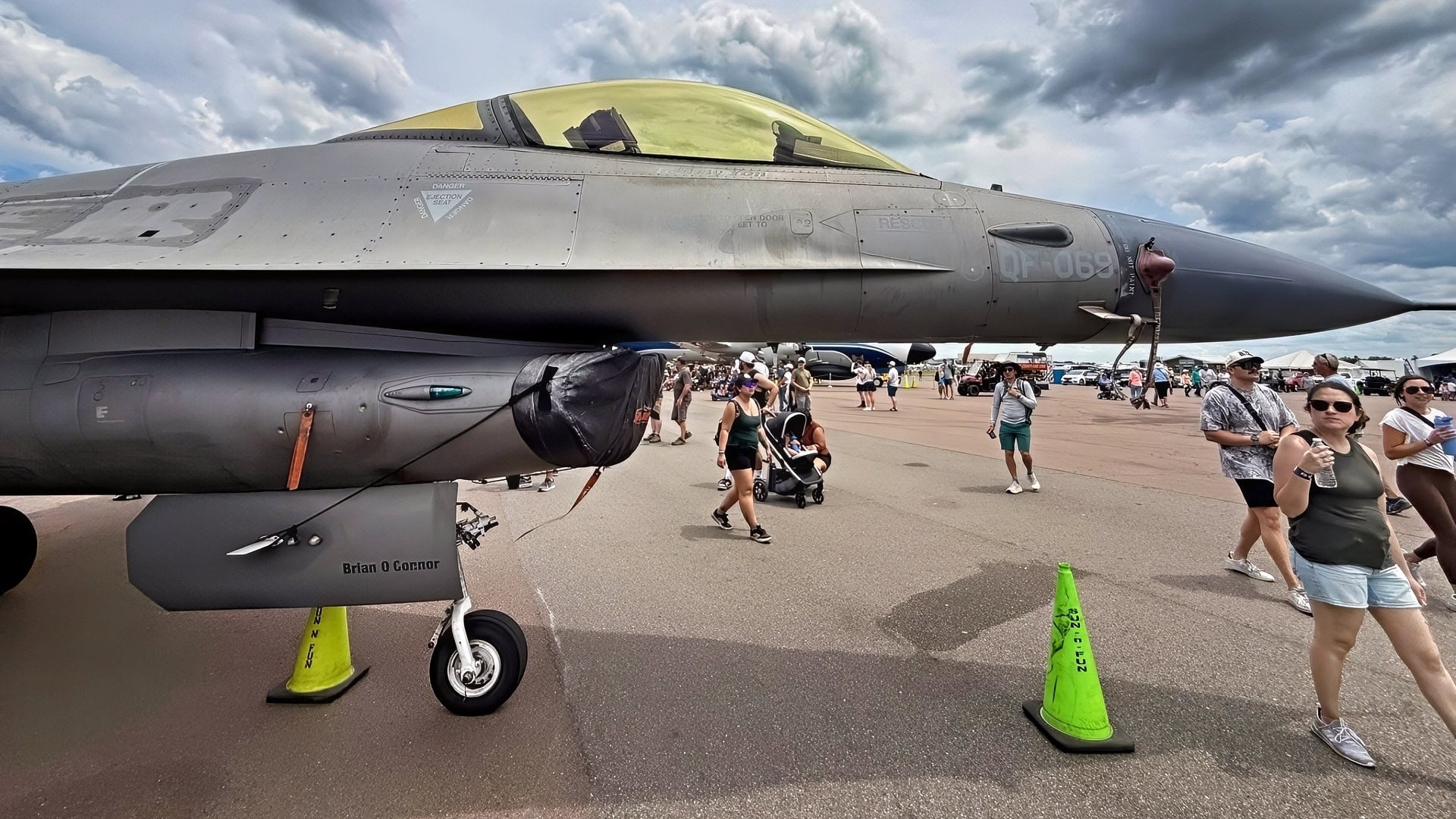
F-16 Fighter Lakeland Florida 19FortyFive.com Image. Taken on 4/19/2026.
On the air defense side, the Mirage is used to intercept cruise missiles and one-way attack drones. Modern radar and MICA missiles facilitate this performance, giving Ukraine an additional defensive layer for its oft-bombarded airspace.
On the strike missions side, the Mirage benefits from French modifications that grant more precise capabilities. The aircraft can launch stand-off munitions while minimizing exposure to the conflict’s heavily defended front-line airspace.
This ability also allows Ukraine to reduce its reliance on aging Soviet-era strike aircraft whose effectiveness would be more limited in a modern conflict.
Strategic Implications
The Mirage 2000 reflects a broader trend emerging in military aviation: longevity increasingly depends on modernization, which is cheaper and more efficient than replacing an aircraft with a clean-sheet design.
Although the Mirage 2000 was conceived during the Cold War, a successive string of upgrades to its radar, electronic warfare systems, cockpit, and weapons integration has allowed the platform to remain operationally relevant decades after its first flight—to the point where it can meaningfully contribute in a war today.
This point is emphasized by the platform’s service in Ukraine.
About the Author: Harrison Kass
Harrison Kass is a writer and attorney focused on national security, technology, and political culture. His work has appeared in Tablet, City Journal, The Hill, The Spectator, and The Cipher Brief. He holds a JD from the University of Oregon and a master’s in Global & Joint Program Studies from NYU. More at harrisonkass.com.