
Why the Royal Navy’s Astute-Class Submarines Keep Getting Stuck in Port: In late June 2026, the most detailed public fleet survey found all five in-service Astute-class attack submarines alongside. The Ministry of Defence does not publish current submarine readiness, so the exact position on Aug. 6 remains classified. No later official statement has shown a full recovery, while the government has acknowledged that availability remains under pressure.
The Royal Navy lists HMS Astute, Ambush, Artful, Audacious, and Anson as active-service boats. HMS Agamemnon was commissioned in 2025 but is not due for operational handover and sea trials until the end of 2026. HMS Achilles remains under construction.
Each Astute displaces about 7,400 tonnes, measures 97 meters, and carries Tomahawk cruise missiles and Spearfish torpedoes. The boats protect Vanguard ballistic-missile submarines, hunt hostile submarines, gather intelligence, and support carrier groups. Britain owns an advanced platform. Its problem is generating deployable hulls from a tiny fleet.
The crisis does not appear to stem from a single class-wide defect. It reflects too few submarines, too few nuclear-certified docks, missed maintenance, scarce specialist labor, thin spare-parts stocks, and the nuclear deterrent’s priority over the same support system.
Five Astute-Class Submarines Leave No Margin
HMS Astute entered Devonport in June 2025 for a midlife refit expected to last years and then waited for a dry dock. HMS Ambush had not sailed since August 2022 and was reported at very low readiness after parts were removed to support sister boats. The submarine had effectively become a source of equipment for the remaining fleet. HMS Artful had not been to sea since roughly May 2023.
HMS Audacious reached Devonport in April 2023 but waited about 22 months before entering No. 15 Dock in February 2025. Babcock moved the boat out of dry dock in June 2026, though sea-readiness work followed. HMS Anson returned to Devonport in May after its AUKUS deployment to Australia was shortened amid the intensifying Middle East crisis. The individual fleet history shows several different maintenance problems converging at once.
The final Trafalgar-class submarine retired in December 2024, removing the last buffer. In a five-boat force, one long refit removes 20 percent before unexpected defects, training, and overseas missions enter the calculation. That small force sits behind the contradiction of a highly capable submarine class with poor fleet availability.
HMNB Devonport Has Too Few Nuclear-Certified Docks
Nuclear-submarine maintenance requires certified docks, radiological controls and workers cleared for nuclear tasks. Ordinary naval dry docks are unable to take over when the schedule slips.
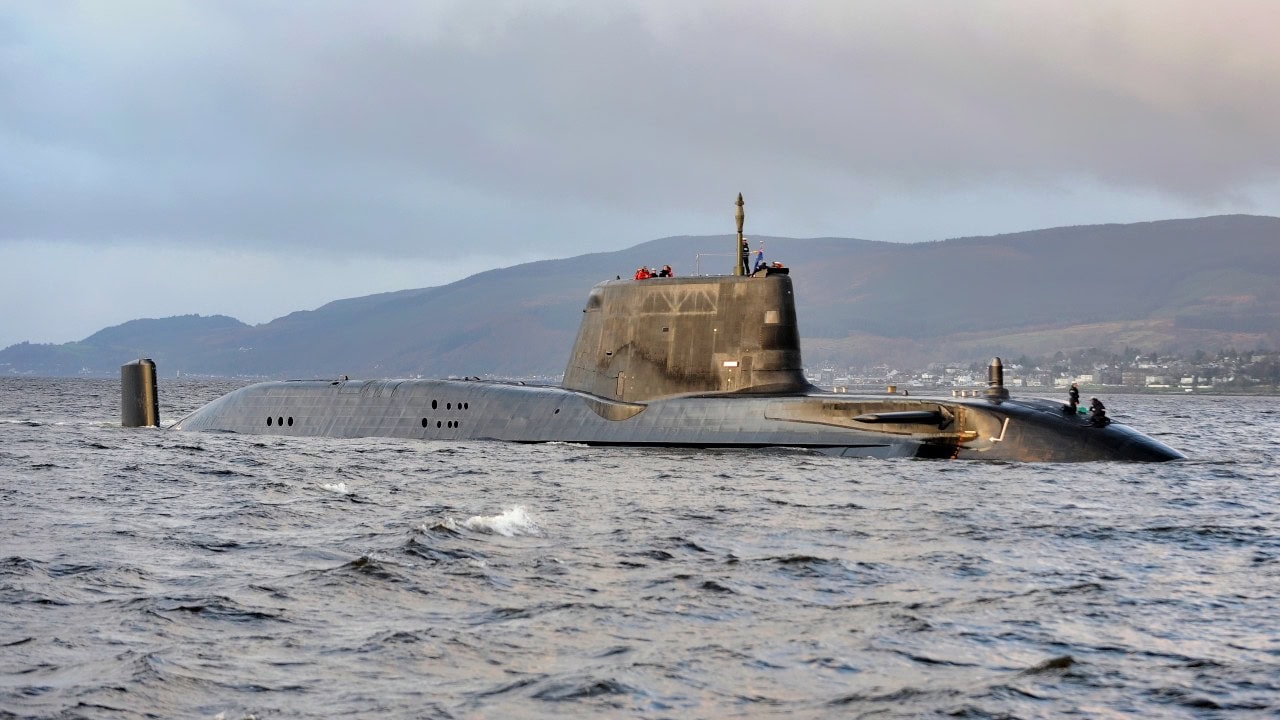
Astute-Class Submarine Royal Navy
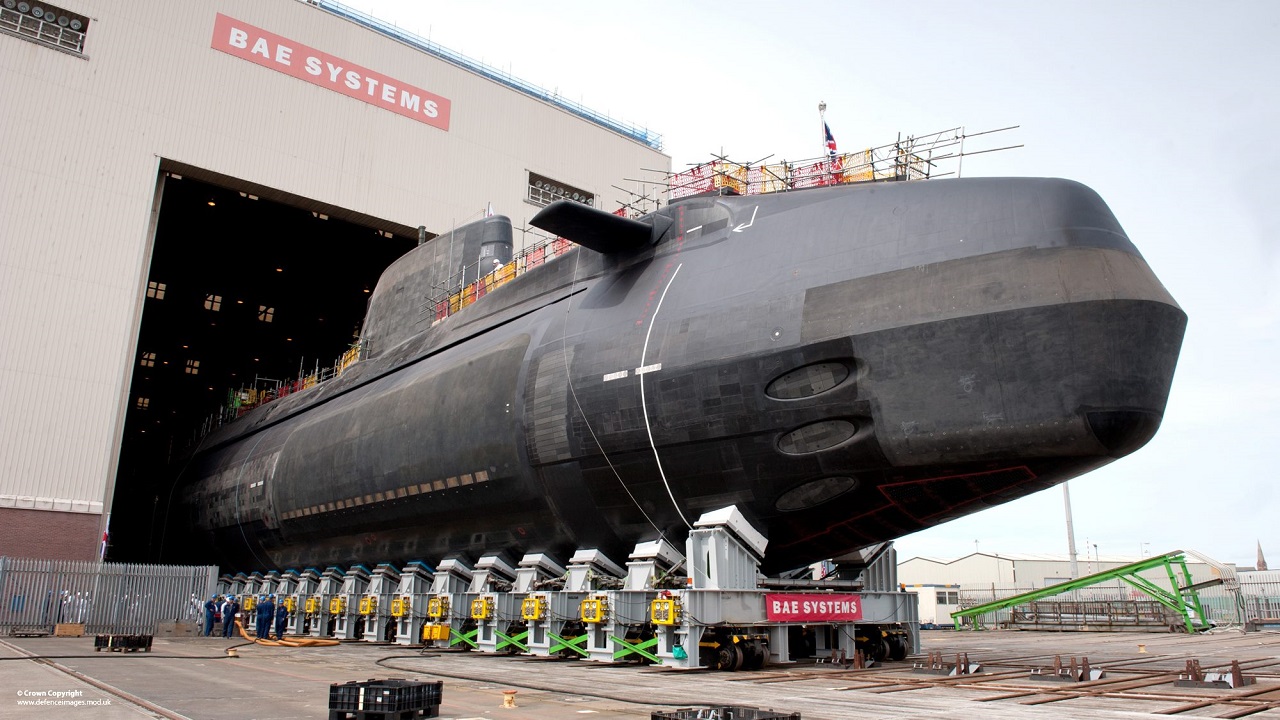
Royal Navy Astute-Class Submarine.
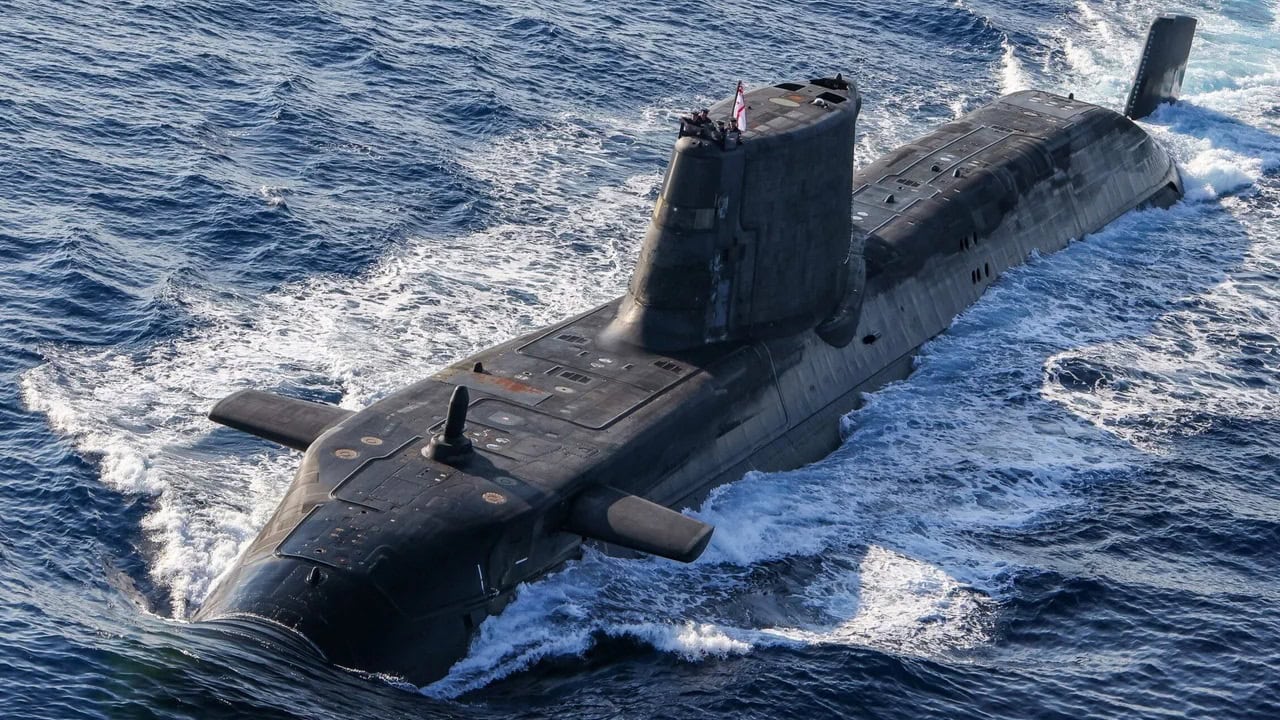
Astute-Class Submarine. Image Credit: Royal Navy.
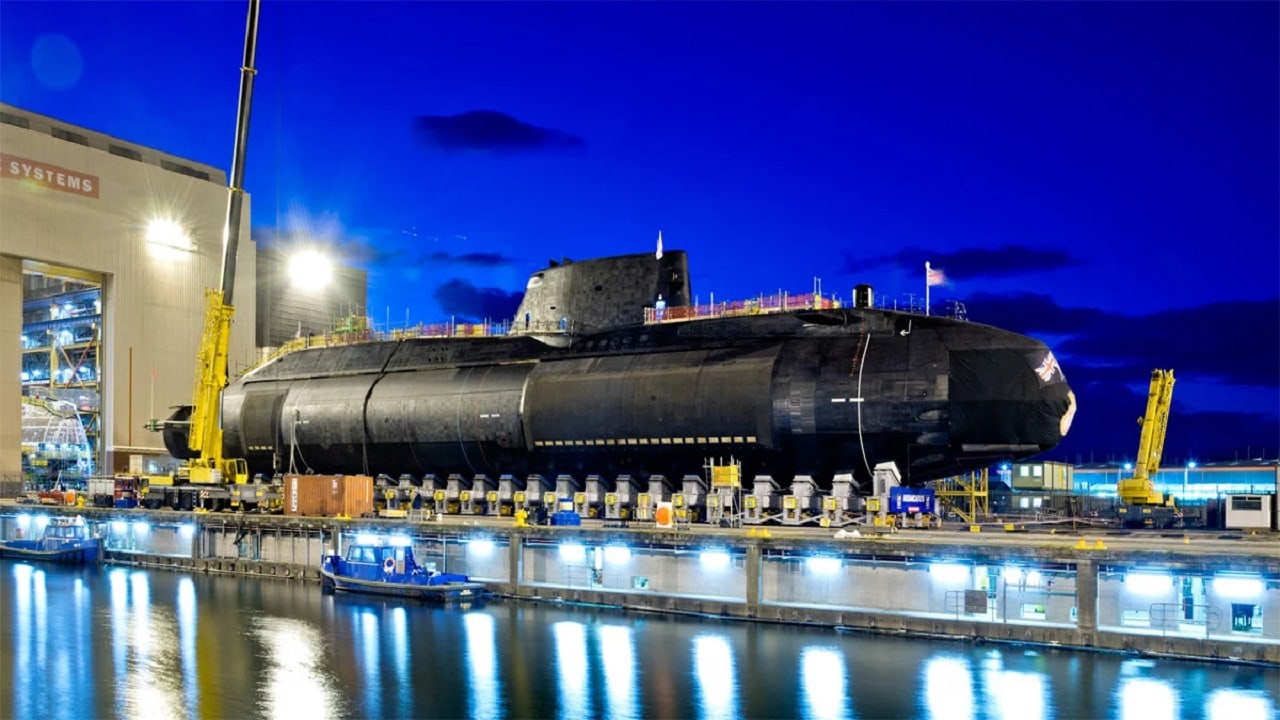
Astute-class Submarine. Image Credit: BAE Systems.
By June, Britain had only three practical facilities for lifting nuclear submarines from the water: the aging shiplift at Faslane and Nos. 9 and 15 docks at Devonport. No. 9 Dock is occupied by HMS Victorious during a multi-year Vanguard-class refit. No. 15 Dock held Audacious. Astute waited for access.
No. 10 Dock is undergoing a £750 million redevelopment for Astute deep maintenance and future submarines, but the project runs into 2027. The shortage turned a repair queue into a fleet-wide readiness problem.
Vanguard Submarines Take Priority
Britain’s Continuous At-Sea Deterrent has been in operation since 1969. Vanguard-class ballistic-missile submarines receive priority when docks, nuclear engineers, and maintenance teams become scarce.
Parliament’s Defence Committee found that some submarines had waited more than two years for maintenance because facilities were scarce and Vanguard work came first. The committee said the sustainment problem had already limited Astute availability and placed additional strain on the fleet. Its April 2026 AUKUS report warned that the shortage threatened British commitments in both the Euro-Atlantic and Indo-Pacific.
The government has admitted that current pressure reflects decades of chronic underinvestment in submarine dock infrastructure. The Times reported that more than £500 million of planned submarine maintenance had not been completed since 2018, with more than 15 percent of scheduled work missed each year from 2020-21 onward. In 2023-24, £650 million was spent from an £813 million upkeep budget.
The Workforce and Spare-Parts Problem
Devonport and Faslane need nuclear-qualified engineers, welders, inspectors, planners, and safety personnel. Suppliers must manufacture low-volume components for boats built over several decades. A former Royal Navy submarine commander identified infrastructure, specialist workers and training capacity as the main constraints in a June assessment of the crisis.
Ambush becoming a source of spare parts is the sharpest sign of this strain. Cannibalization keeps another submarine moving but makes the donor harder to regenerate. Long periods alongside also weaken crew experience. Submarine command, sonar work, and under-ice operations depend on repeated time at sea.
AUKUS Exposed the Fleet’s Lack of Depth
HMS Anson’s 2026 deployment to Australia supported the AUKUS plan to build an Australian nuclear-submarine workforce. Parliament later concluded that the commitment stretched the Astute force to, or beyond, its limits. Sending the fleet’s only recently deployable boat toward Australia left no reserve for another crisis.
AUKUS did not create the backlog. It exposed the absence of spare capacity. Britain wants Astutes for the North Atlantic, carrier protection, intelligence work, Tomahawk missions and an expanding Australian commitment. NATO also relies on the class for advanced undersea operations against Russia, part of the wider strategic role described in the Astute fleet’s importance to allied naval power.
The Astute-Class Recovery Plan Will Take Years
The First Sea Lord launched a Submarine Maintenance Recovery Plan in January 2026. Babcock says the first Astute base-maintenance period at Devonport is nearing completion, while the rebuilt No. 10 Dock will add capacity. The government is also pursuing floating-dock options for Faslane.
Agamemnon should add another hull after handover and sea trials. A new dock still needs nuclear certification and staff. A submarine emerging from a long repair period needs trials before operational tasking.
In June, Audacious was leaving No. 15 Dock as Astute waited to begin its own multiyear refit. That queue, rather than the quality of the submarine design, explains why Britain’s most capable attack boats have spent so much time tied to the waterfront.
About the Author: Harry J. Kazianis
Harry J. Kazianis (@Grecianformula) was the former Senior Director of National Security Affairs at the Center for the National Interest, a foreign policy think tank founded by Richard Nixon in Washington, D.C. Harry has more than a decade of experience in think tanks and national security publishing. His ideas have been published in The New York Times, The Washington Post, The Wall Street Journal, CNN and many other outlets worldwide. He has held positions at CSIS, the Heritage Foundation, the University of Nottingham and several other institutions related to national security research and studies. He is the former Executive Editor of The National Interest and The Diplomat. He holds a master’s degree focusing on international affairs from Harvard University.

