
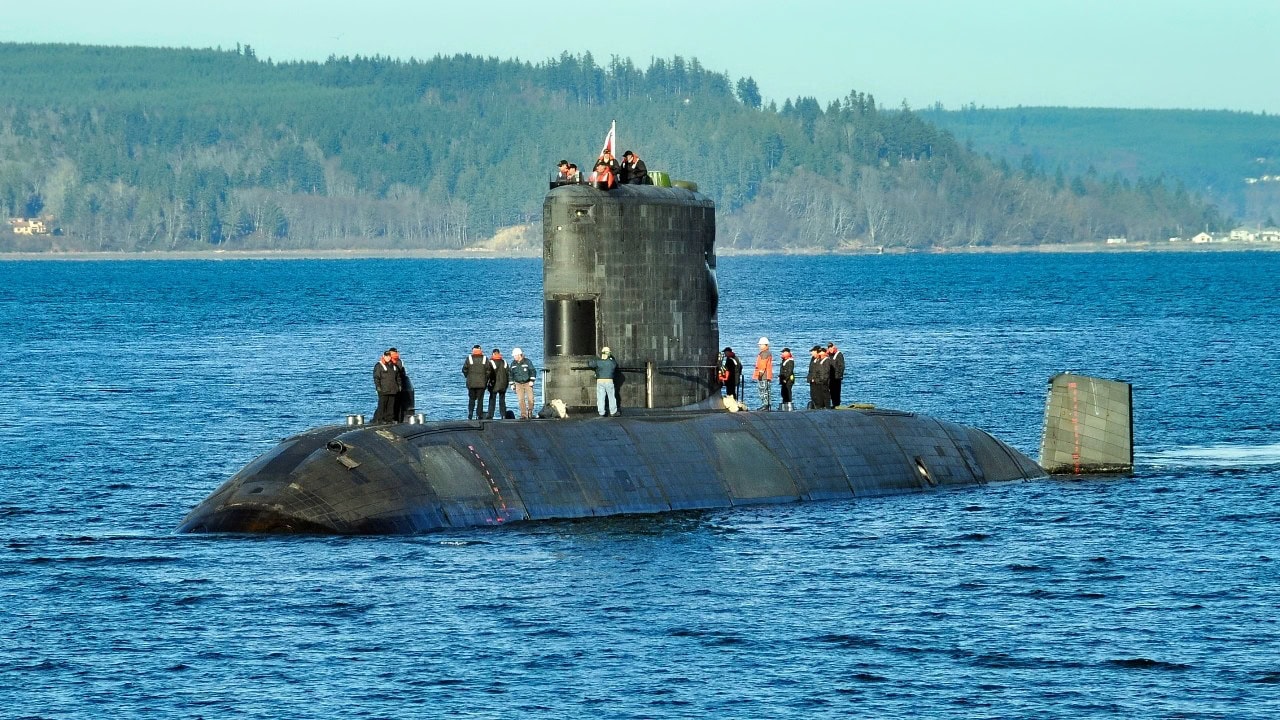
Canada Paid £1 Each to Take Title to Four British Submarines – Canada entered an eight-year, interest-free lease-to-buy agreement in 1998 for the Royal Navy’s four Upholder-class submarines. The deal is often summarized as US$427 million followed by a £1 purchase. Canadian records are more precise: the main contract was C$501 million, with a nominal £1 paid per submarine upon lease expiry.
The formal project budget was C$812 million. A Defence Department audit broke that figure into the C$501 million main contract, C$160 million for initial support and C$151 million for infrastructure, Canadian modifications and other expenses. The audit later estimated the cost at least at C$897 million after including related costs outside the project’s original scope.
Britain had ordered the first Upholder in 1983 and the other three in 1986. The boats entered Royal Navy service between 1990 and 1993, then were laid up in 1994. Post-Cold War force reductions pushed the Royal Navy toward an all-nuclear attack-submarine fleet, leaving four nearly new diesel-electric boats without a British mission.
Canada needed a replacement for its aging Oberon class and had abandoned an earlier nuclear-submarine plan. New conventional submarines were estimated to cost between C$3 billion and C$5 billion. The Upholders offered a less expensive route to preserve trained crews, doctrine, and a national undersea-warfare capability.
Britain Retired Four Nearly New Upholder Submarines
HMS Unseen became HMCS Victoria, HMS Unicorn became HMCS Windsor, HMS Ursula became HMCS Corner Brook, and HMS Upholder became HMCS Chicoutimi. Each boat measured 70.3 meters, displaced about 2,515 tonnes submerged, and carried six 533mm torpedo tubes. A crew of 49 operated a submarine capable of 20 knots underwater.
The design offered stealth, long range and an endurance of roughly eight weeks. Canada gained submarines able to conduct surveillance, collect intelligence, support maritime law enforcement and carry Mk 48 heavyweight torpedoes. The possibility that one was operating undetected forced other warships to devote aircraft, ships and crews to finding it.
The four boats also gave Canada a submarine on each coast without recreating an entire design and production program. That mattered for a navy already confronting the expense of sustaining a small fleet and the broader readiness pressures surrounding the Victoria class.
The £1 Payment Came After a Large Canadian Investment
The package included the submarines, technical records, training simulators, onboard and shore-based spares, specialized tools and instruction for Canadian crews. Britain remained responsible for correcting safety-critical defects discovered during reactivation before Canada accepted each vessel. Canada then took responsibility for installing its communications, weapons and other equipment.
The announced financing plan allowed submarine payments to be offset against British use of training facilities at Wainwright, Suffield and Goose Bay. A later parliamentary review found that this barter was never formally carried out. Canada paid Britain for the submarines, while Britain paid separately for its training activities in Canada.
The real bargain was the difference between purchasing existing hulls and funding new construction. Canada also retained an institution that would have been expensive and slow to recreate. Submariners require years of instruction, sea time, and qualification, while maintainers need specialized knowledge of pressure hulls, batteries, sonar, and torpedo systems. That human infrastructure shaped the later debate over what missions Canada’s future submarines must perform.
The Bargain Arrived With Delays, Fire and Long Repairs
The acquisition produced years of trouble. The Defence Department found that officials had underestimated the risks of reactivating boats stored since 1994 and converting a small British class to Canadian standards. Deliveries slipped, training schedules broke down, and the Canadianization work took longer than expected.
The worst event came aboard Chicoutimi during its 2004 Atlantic crossing. Seawater entered the submarine and contributed to an electrical fire that killed Lieutenant Chris Saunders. Chicoutimi did not enter Canadian service until 2015. Corner Brook ran aground during submerged training in 2011 and spent years undergoing repairs and modernization.
Operational successes eventually followed. Victoria sank the former USNS Concord with a live Mk 48 torpedo during RIMPAC 2012. Chicoutimi later completed a 197-day Indo-Pacific deployment, operated with American, Japanese, Australian, and French forces, and made the first Canadian submarine visit to Japan since 1968.
Canada Bought an Undersea Institution as Much as Four Hulls
Those deployments show what Canada gained despite the poor repair record. Submarines collect information without advertising their location, train allied anti-submarine forces against a quiet target, and give political leaders an asset able to remain on patrol without the visibility of a frigate. The Victoria class kept those skills alive while Ottawa considered a much larger 12-boat replacement fleet.
The fleet’s age and limited availability now drive that replacement. Canada is modernizing the Victoria-class for service into the mid-to-late 2030s. The remaining years must bridge the problems confronting an aging four-submarine force and the risk of a long replacement gap.
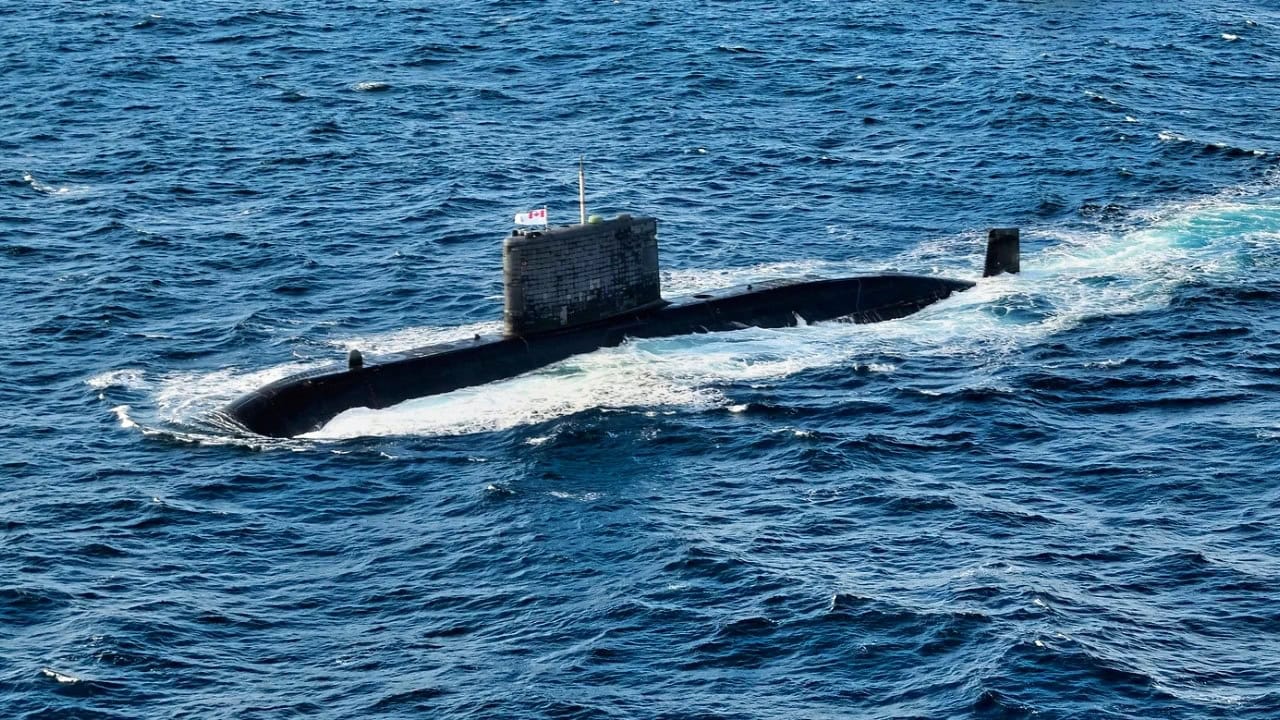
Victoria-Class Submarine at Sea. Image Credit: Creative Commons.
In July 2026, Ottawa selected Germany’s TKMS as preferred supplier for up to 12 Type 212CD submarines and targeted delivery of the first four in 2034. The decision strengthened the case for the German submarine proposal, but contract negotiations still have to be completed.
On July 12, 2026, HMCS Corner Brook fired an Mk 48 heavyweight torpedo during RIMPAC and delivered the final strike that sank the decommissioned cruiser USS Mobile Bay.
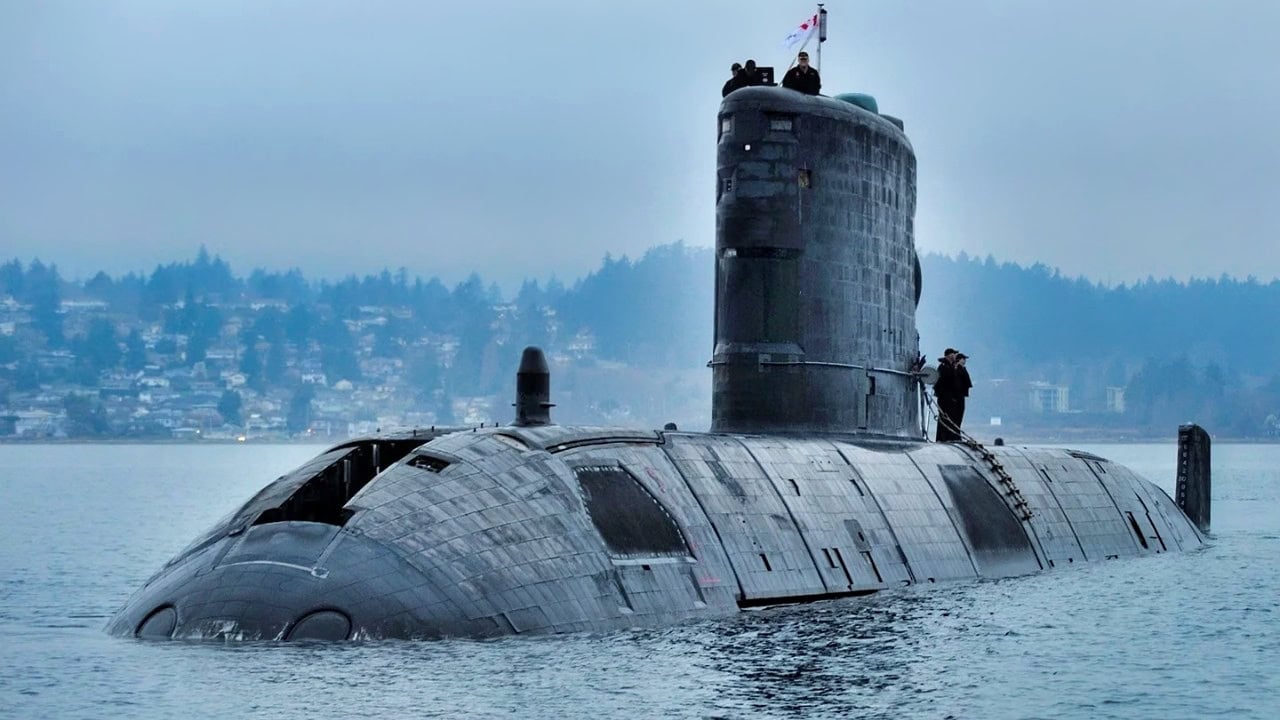
Victoria-Class Submarine Canadian Navy. Image Credit: Government Photo.
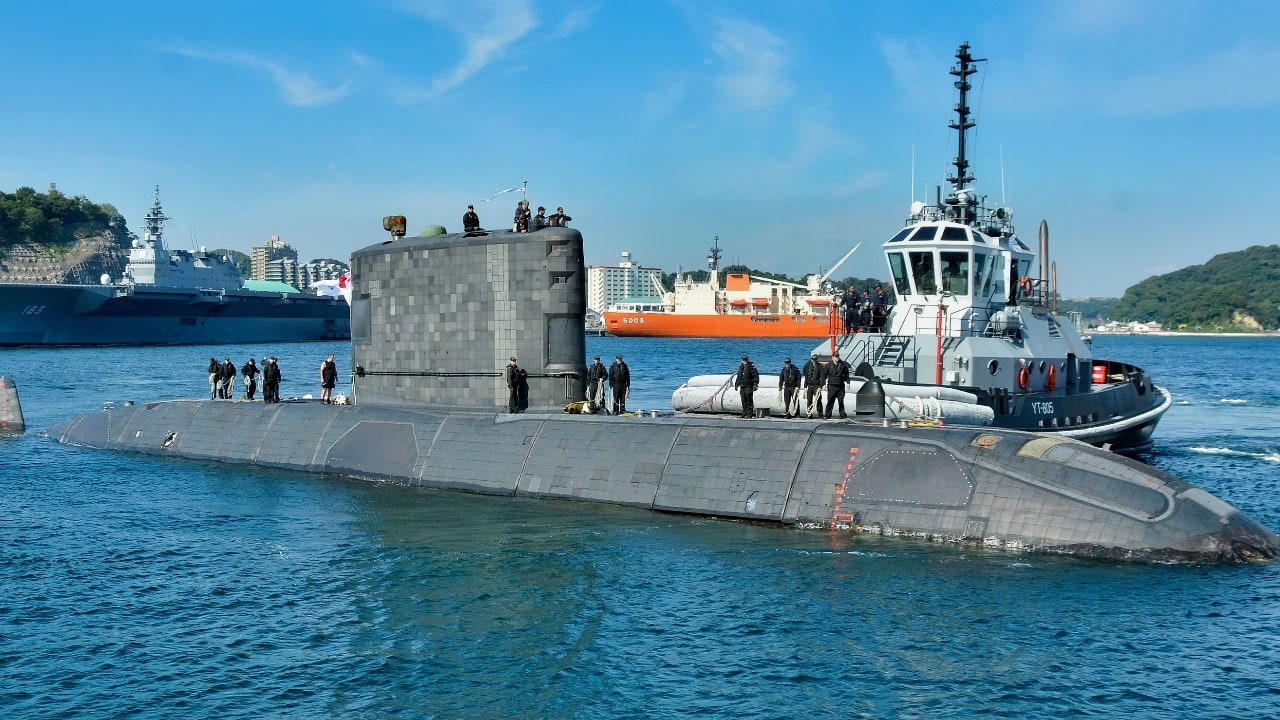
Canada Victoria-Class Submarine. Image Credit: Creative Commons.
About the Author: Harry J. Kazianis
Harry J. Kazianis (@Grecianformula) was the former Senior Director of National Security Affairs at the Center for the National Interest (CFTNI), a foreign policy think tank founded by Richard Nixon based in Washington, DC. Harry has over a decade of experience in think tanks and national security publishing. His ideas have been published in the NY Times, The Washington Post, The Wall Street Journal, CNN, and many other outlets worldwide. He has held positions at CSIS, the Heritage Foundation, the University of Nottingham, and several other institutions related to national security research and studies. He is the former Executive Editor of the National Interest and the Diplomat. He holds a Master’s degree focusing on international affairs from Harvard University.

