
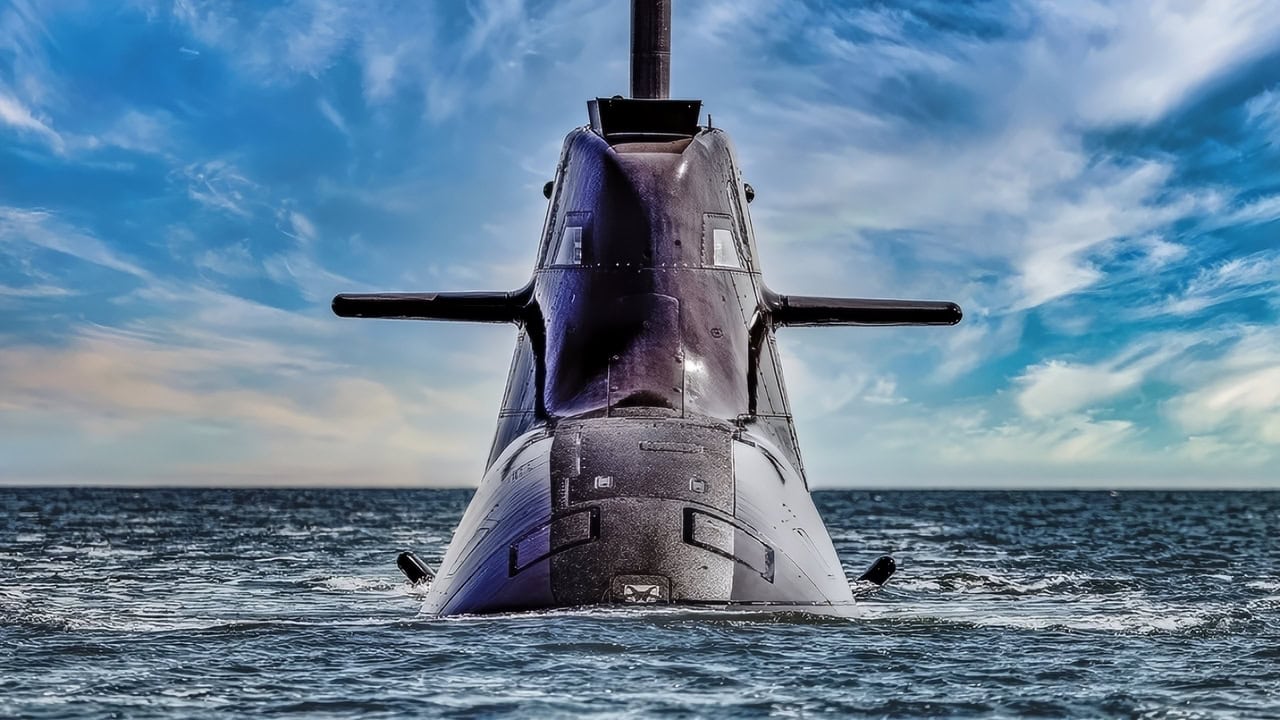
Canada has finally picked a submarine that matches the geography it has to defend. That should not sound like a triumph. It should sound like a country belatedly admitting that three oceans, an opening Arctic, and a harsher security environment cannot be covered by slogans, patrols, and a navy kept alive by patience.
Ottawa’s decision to select Germany’s TKMS as preferred supplier for the Canadian Patrol Submarine Project is, on balance, the right one. The Type 212CD is a serious answer to a serious problem. It is quiet, conventionally powered, built around NATO interoperability, and tied to a German-Norwegian program that gives Canada a larger operating family than it would have had with a boutique solution.
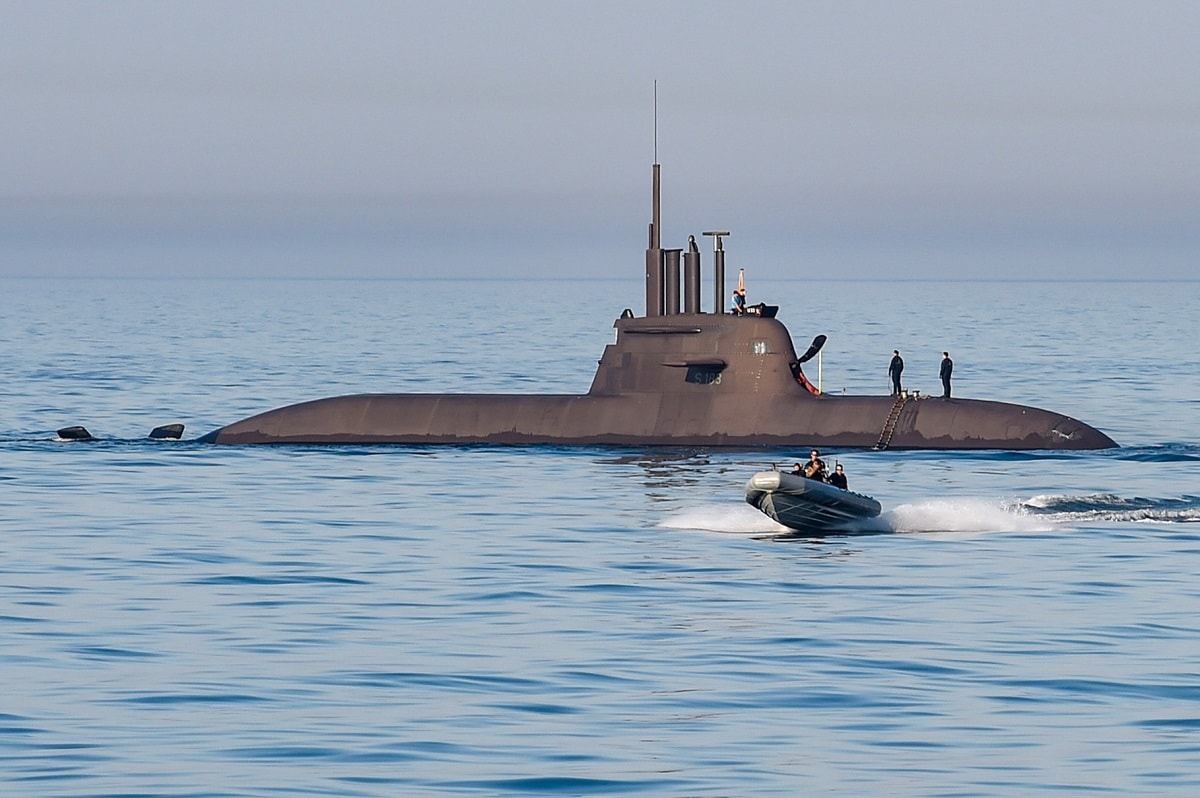
(June 5, 2019) A rigid-hull inflatable boat from the guided-missile destroyer USS Gravely (DDG 107) departs a German U-33 submarine during a passenger transfer exercise. Gravely is underway on a regularly-scheduled deployment as the flagship of Standing NATO Maritime Group 1 to conduct maritime operations and provide a continuous maritime capability for NATO in the northern Atlantic. (U.S. Navy photo by Mass Communication Specialist 2nd Class Mark Andrew Hays/Released)
The purchase is not the achievement, though. It is the opening move. Canada has chosen the right boat. It has not yet proved it can build a strategy around it.
Why the 212CD Submarine Makes Sense
The submarine debate was too often treated as a contest between two industrial offers. Germany or South Korea. NATO fit or faster delivery. European strategic partnership or Indo-Pacific industrial energy. But the core issue was always geography.
Canada is not Denmark with a larger map. It is a continental state with maritime exposure on a scale that few allies have to manage. The Arctic is no longer a legal abstraction or a speechwriter’s word. The North Atlantic is not a Cold War museum. The North Pacific is not somebody else’s theatre.
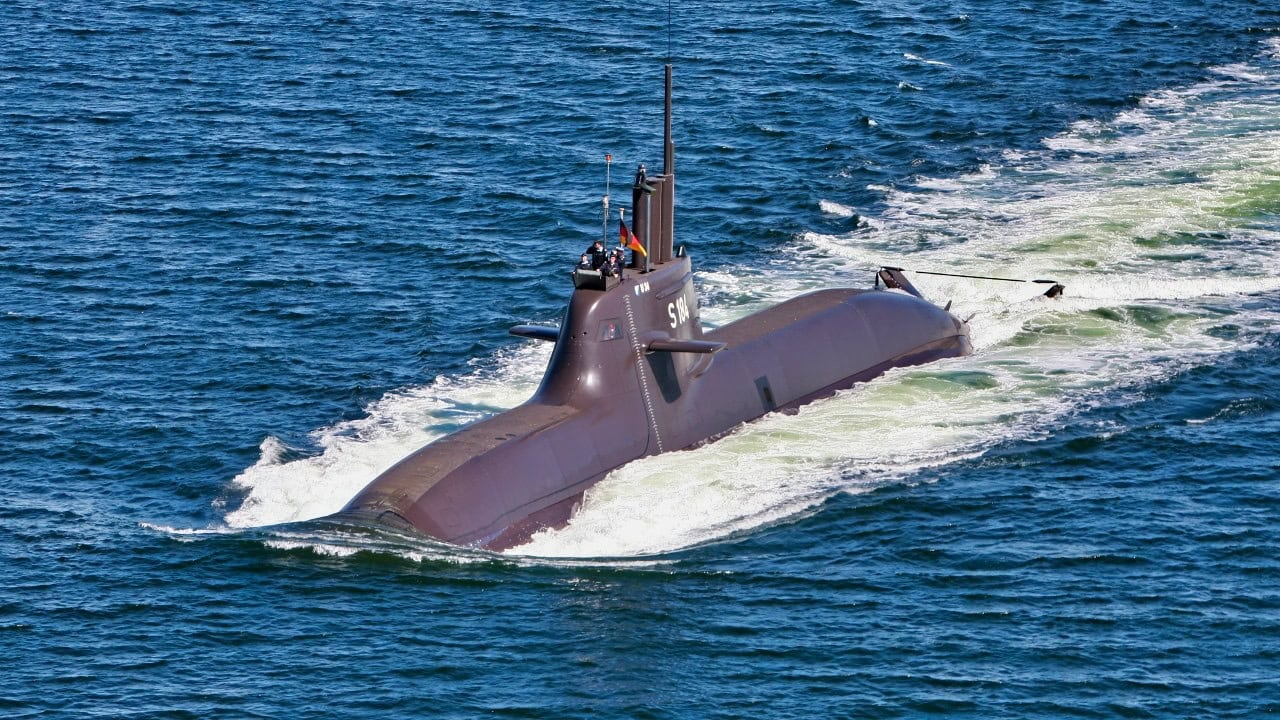
Type 212A Submarine from Germany.
A submarine force gives Canada something that surface fleets and patrol aircraft cannot provide on their own: uncertainty within an adversary’s planning cycle. If a Russian submarine, Chinese research vessel, or hostile intelligence platform has to assume Canadian submarines may be present, it has to behave differently. That is deterrence in its quieter form. Not a parade. Not a communique. A problem is placed inside the other side’s calculations.
The Map Is Driving the Purchase
The old Canadian line on Arctic sovereignty was always a little too comfortable. We said the Arctic was ours. We put it on maps. We sent ministers north in parkas. Some of that mattered, and none of it was enough.
Sovereignty in a hardening strategic environment is not just a claim. It is a capacity. It means knowing who is moving, where they are moving, and whether they can be stopped or at least made nervous. Underwater, that is a demanding business. Ice complicates communications. Distance punishes maintenance.
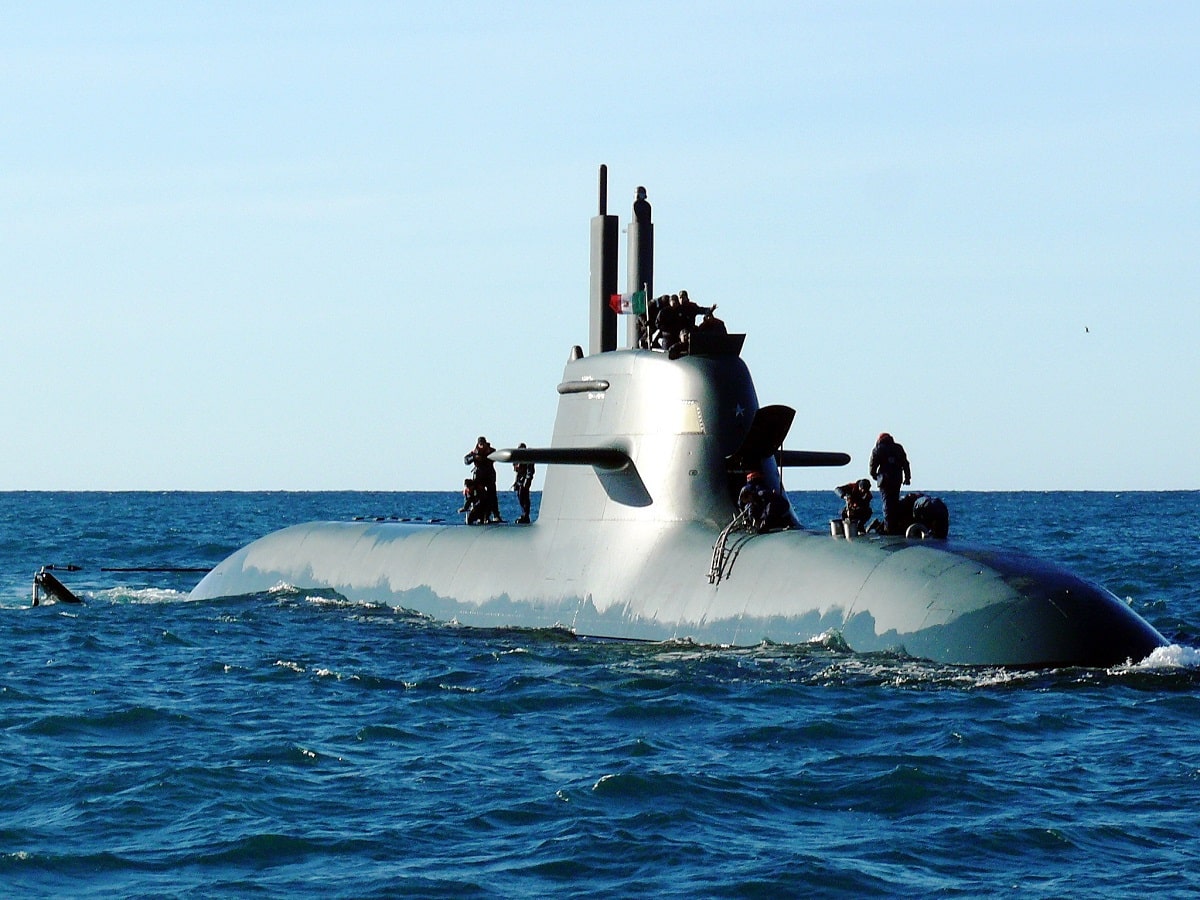
Type 212 Submarine from Germany. Image Credit: Creative Commons.
That is why the submarine decision should be read less as a procurement story than as a confession. Canada has admitted, late but usefully, that defending its approaches requires undersea power. The longest coastline in the world is not defended by its length. Geography creates obligations. It does not meet them.
Canada does not need a navy built for imperial display. It needs one that can make the waters around North America harder for adversaries to use.
The Announcement Is Not Deterrence
Here is where Ottawa’s good decision can still go bad. A submarine is not a strategy. A submarine program is not a fleet. A fleet is not a deterrent unless it can deploy, survive, find targets, communicate, be repaired, and return to sea often enough that enemies have to account for it.
Canada’s record on this point is not reassuring. The Victoria-class boats were acquired cheaply, only to endure a much harder life than the bargain implied. Maintenance problems, crewing strains, and long periods of limited availability turned them into a running lesson in how underwater capability can exist on paper while remaining thin in practice.
The new program is larger and more ambitious. Ottawa says the first four submarines are expected in 2034, before the Victoria-class fleet retires in the mid-to-late 2030s. That schedule is not a detail. It is the hinge of the whole project. If it slips, Canada may find itself describing a future fleet while managing a present gap.
The dull requirements now matter most. Crews have to be trained before the boats arrive. Maintenance capacity has to be built before the first crisis. Secure communications, Arctic support facilities, and links to P-8 patrol aircraft cannot be treated as add-ons once the hulls are in the water.
Allies Will Watch the Follow-Through
Washington will read this decision through a simple lens: is Canada becoming a more useful continental defense partner, or has it found a more impressive way to announce seriousness? NATO will ask a related question.
Can Canada help secure the northern maritime approaches, or will it remain a country with strategic geography and a habit of arriving underprepared?
The answer matters in a multipolar world where the United States is less willing to subsidize allied illusions. Restraint in U.S. grand strategy does not mean indifference to North America. It means allies near the center of the map have to carry more real weight.
The submarine deal gives Ottawa a chance to change that. Twelve boats, if delivered and sustained, would alter Canada’s contribution to NATO maritime defense. Even a smaller operational number at any given moment would complicate hostile movement through northern waters. But allies do not plan around announced fleets. They plan around the deployable ones.
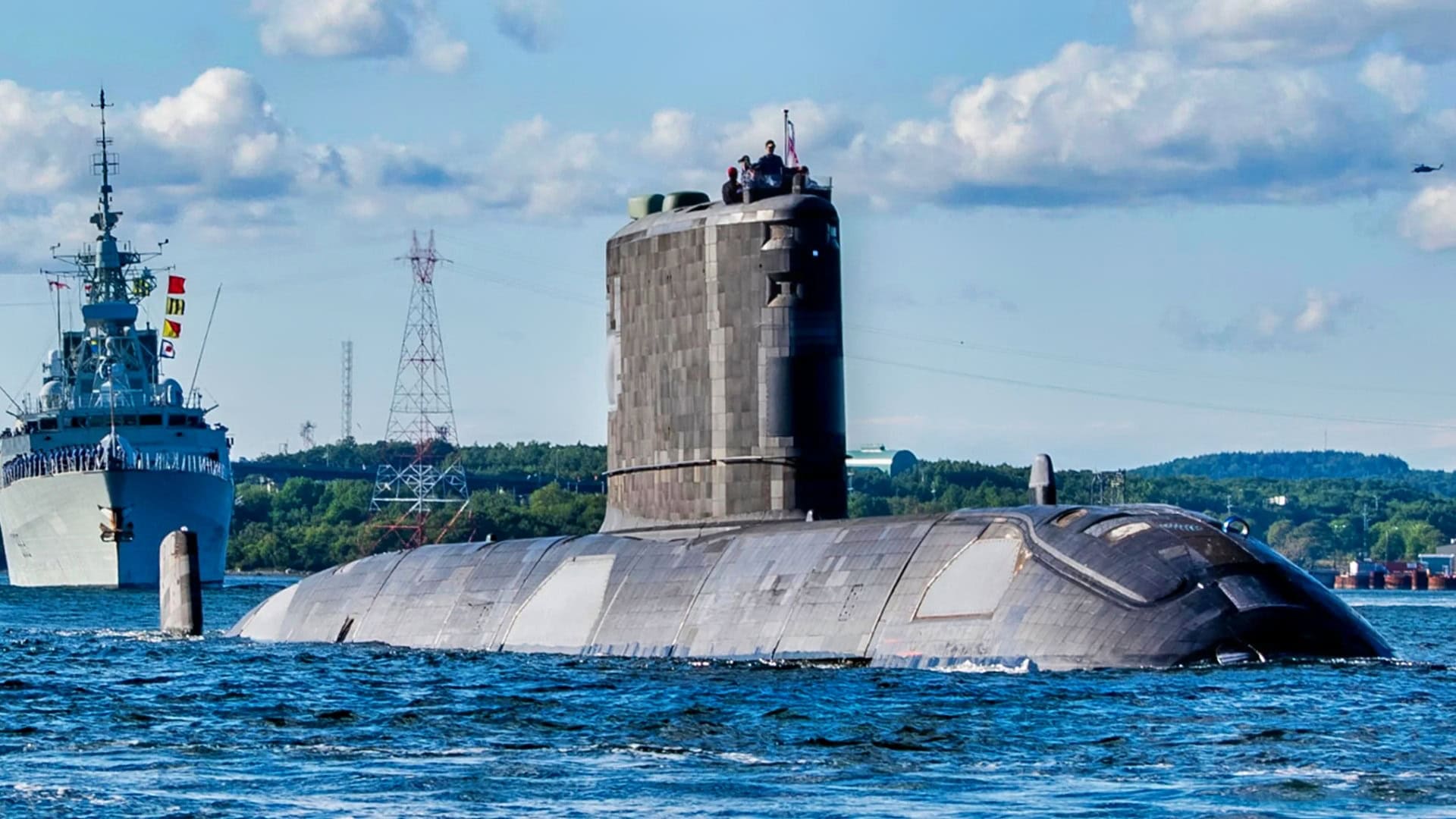
Victoria-Class Submarine Canada.
Canada has picked the right submarine. Now it has to become the kind of country that can use it.
That means sailors, docks, spare parts, weapons, and political patience after the photo opportunities end. It means accepting that Arctic sovereignty is not a mood and continental defense is not a brand.
The real test will come years from now, probably in some ambiguous incident nobody in Ottawa can script in advance: a contact under ice, an unexplained vessel near infrastructure, a crisis in the North Atlantic that suddenly makes Canadian readiness matter.
On that day, the question will not be whether the 212CD was a sensible choice. It will depend on whether Canada did the harder work after choosing it.
About the Author: Dr. Andrew Latham
Andrew Latham is a professor of international relations and political theory at Macalester College in Saint Paul, MN. You can follow him on X: @aakatham.