
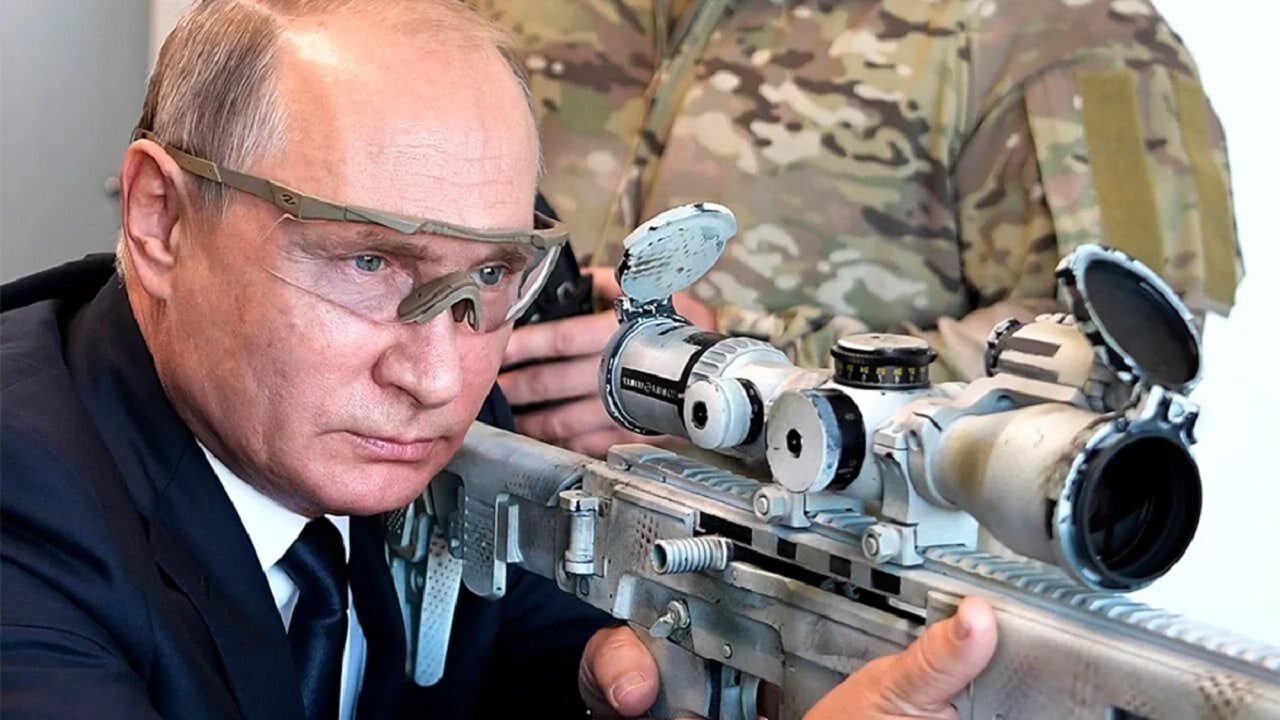
What’s After Putin? – President Vladimir Putin has spent more than two decades building a political system centered almost entirely around himself, with no clear mechanism for an orderly transfer of power and no real indication of what comes after him.
While there is no indication that Putin is in immediate danger of losing power, it’s clear that the longer the war continues, the greater the strain becomes on the political system that will eventually have to survive without Putin. But what comes next?
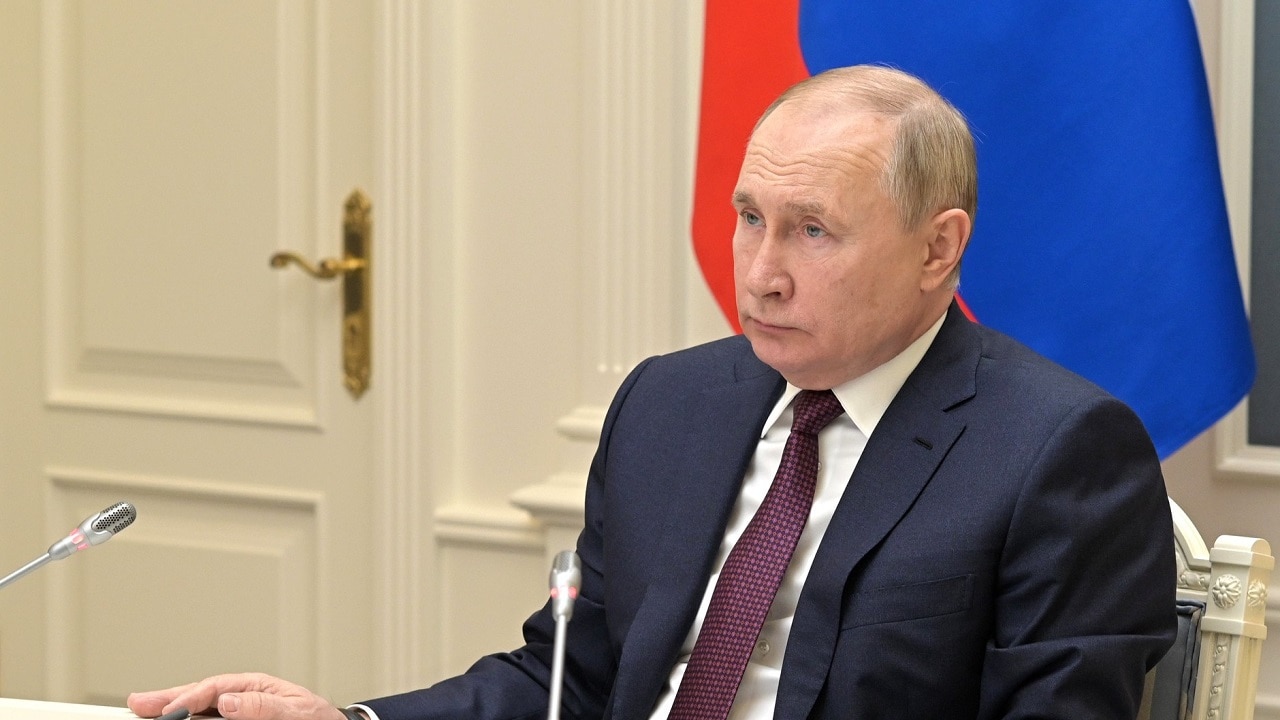
Vladimir Putin observes strategic deterrence forces exercise in the Kremlin’s situation room.
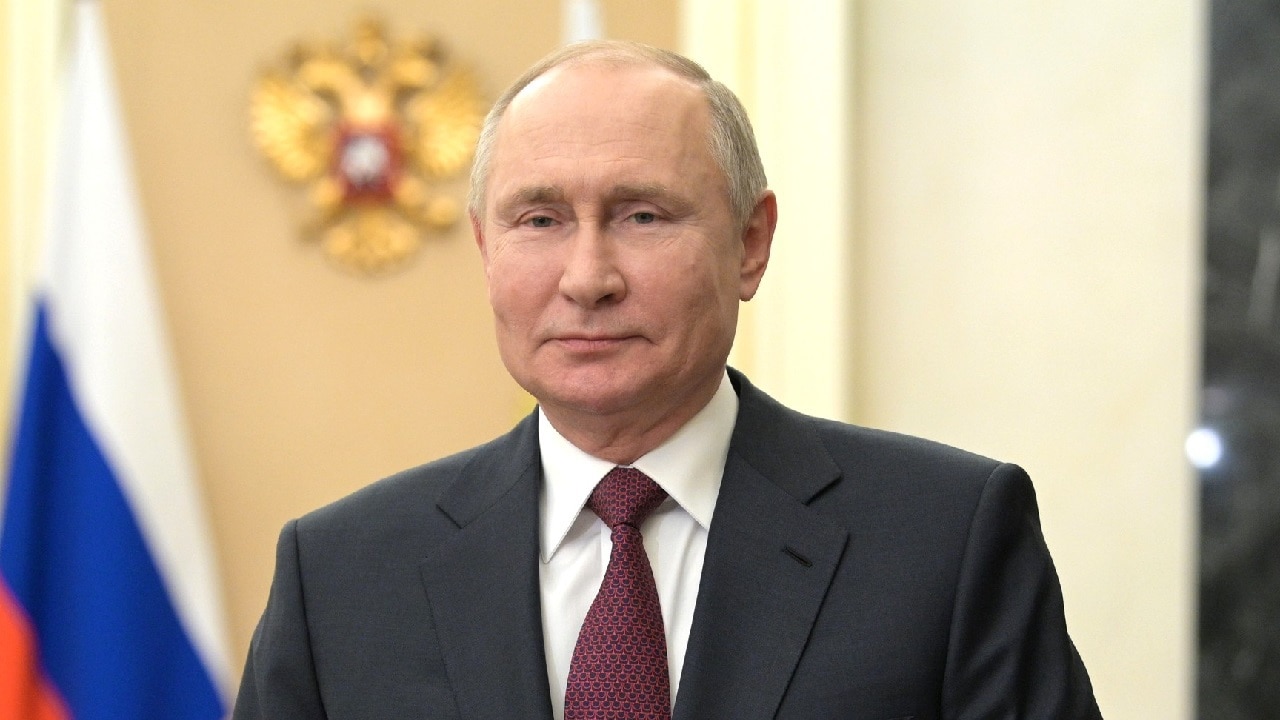
Russia President Putin. Image Credit: Creative Commons.
Russia’s Future In Question
In the August 7 analysis, Julian G. Waller, a research scientist for the Russia Studies Program at the Center for Naval Analyses, argued that Russia has not properly prepared for what happens after Putin leaves office – however he may find himself out of power.
Putin, now 73, has never publicly designated a successor or established institutions capable of managing a smooth political transition. As Waller notes, Russia’s constitution outlines the immediate legal process following a vacancy in the presidency, in which the prime minister temporarily assumes the role before a presidential election is held within three months. It means the process is technically in place, but as Waller also notes, a small group of senior political and security officials would actually likely shape the succession process through a series of negotiations and internal power struggles.
He also notes that many of the officials who would oversee the transition are themselves in their seventies. That’s significant not just because of their age, but because decades of political stagnation in Russia have left few experienced successors ready to replace Putin.
Putin Faces Increasing Pressure
The question of who replaces Putin is relevant not only because the Russian president is aging, but also because of the economic and political pressure the Kremlin now faces as a result of the war in Ukraine.
Over recent months, the so-called dynamics of the “special military operation” have changed substantially. It may have been some time since Ukraine was solely acting defensively, but it is really only within the last several months that Kyiv has proven it is capable of bringing the war home to Russia. Nightly long-range missile and drone strikes have hit Russia’s top 11 oil refineries, damaged critical infrastructure, caused blackouts in Crimea, and forced Moscow to redistribute oil supplies and pause petroleum product exports. Ukraine’s “long-range sanctions” campaign is working; the Russian people are feeling the impact of the war, and Putin now faces more pressure to explain himself, to defend his decisions, and to succeed.
Ukraine is also broadening its target list well beyond energy infrastructure, with long-range strikes now having hit at least 20 warehouses owned by Wildberries, the country’s answer to Amazon. The campaign is forcing Russia to disperse air defense systems across a vast territory while attempting to protect both strategic military assets and critical civilian infrastructure.
If there were conditions that might force a president to consider resigning, or that might prompt the people to call on that leader to resign, these would be them.
There Is No Sign Putin Is About to Lose Power
Despite the extraordinary circumstances, there is no indication that Putin is about to be removed from power immediately, or that he plans to step down.
Yet the very system that has protected Putin for more than two decades is also the one complicating the country’s future.
Over the years, the Kremlin has steadily removed political mechanisms that might otherwise produce an obvious successor or allow rivals to build an independent base of support. Constitutional amendments made in 2020, for example, reset Putin’s presidential term count and allowed him to remain in office until 2036 if re-elected. There have been successive crackdowns on independent media and opposition parties, too, meaning there are few credible alternative political figures who could replace Putin.
At the same time, the Russian president has surrounded himself with loyal security chiefs and senior officials whose authority depends largely on his continued rule, rather than the political system.
It all makes an immediate challenge to Putin’s leadership unlikely, even under these circumstances.
Putin may not be close to losing power, but he could be close to losing the war in Ukraine – and even if he wins, he may achieve it through extreme measures like an incursion into NATO territory or a dramatic escalation against Ukraine that would guarantee years or even decades more isolation on the world stage. For Russia, the war in Ukraine – and Putin’s leadership – is an existential crisis for a country that wants to return to normality.
About the Author: Jack Buckby
Jack Buckby is a British researcher and analyst specializing in defense and national security, based in New York. His work focuses on military capability, procurement, and strategic competition, producing and editing analysis for policy and defense audiences. He brings extensive editorial experience, with a career output spanning over 1,000 articles at 19FortyFive and National Security Journal, and has previously authored books and papers on extremism and deradicalization.