
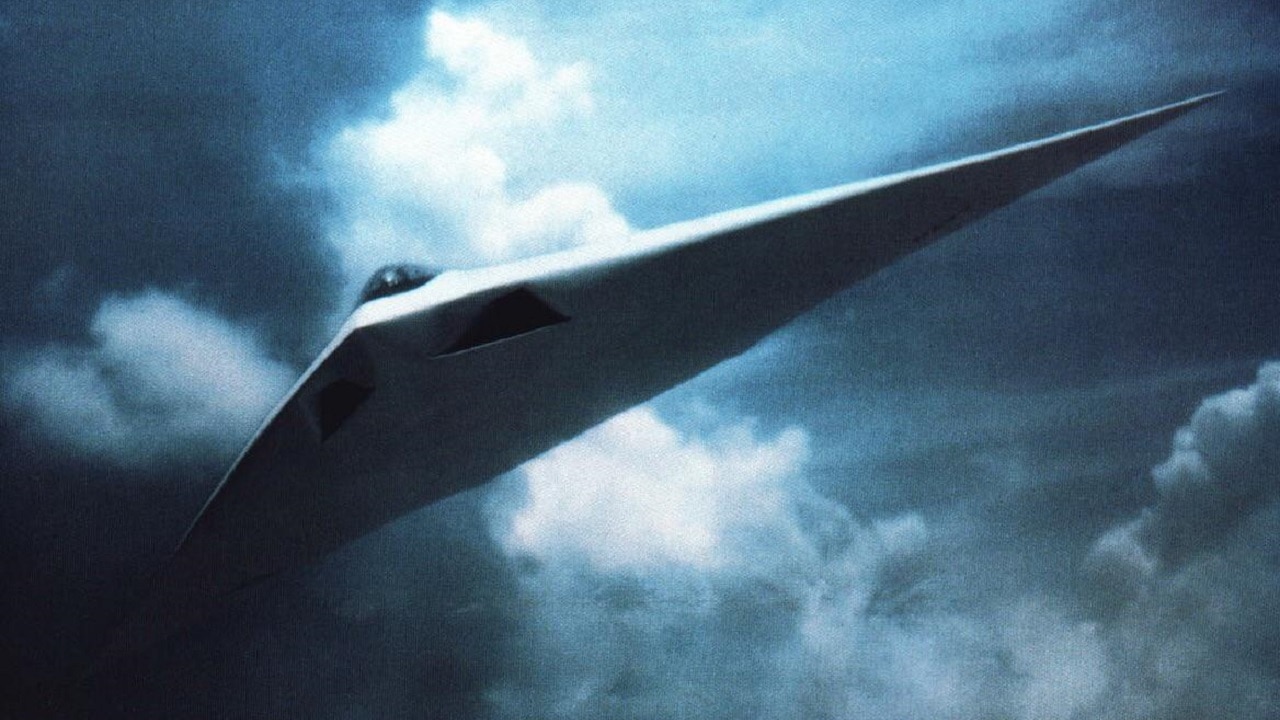
A-12 Avenger II by the Numbers: 620 Aircraft, $57 Billion, and Zero Flights – The U.S. Navy planned to buy 620 A-12 Avenger II stealth attack aircraft, a massive project that could have transformed the Navy forever, yet it never happened. Consider the impact it had on the Navy; it is a story worth retelling for those who don’t know what occurred.
The A-12 Avenger II Project, Explained
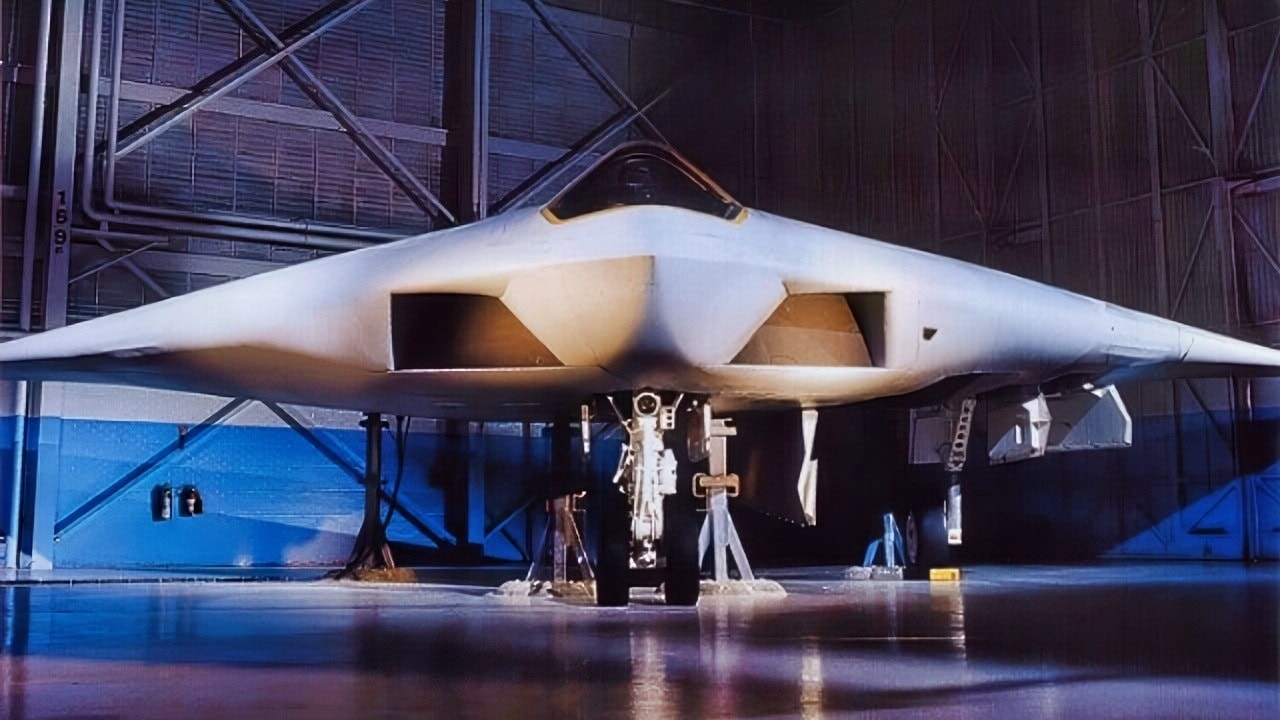
A-12 Avenger II Photo Media Handout
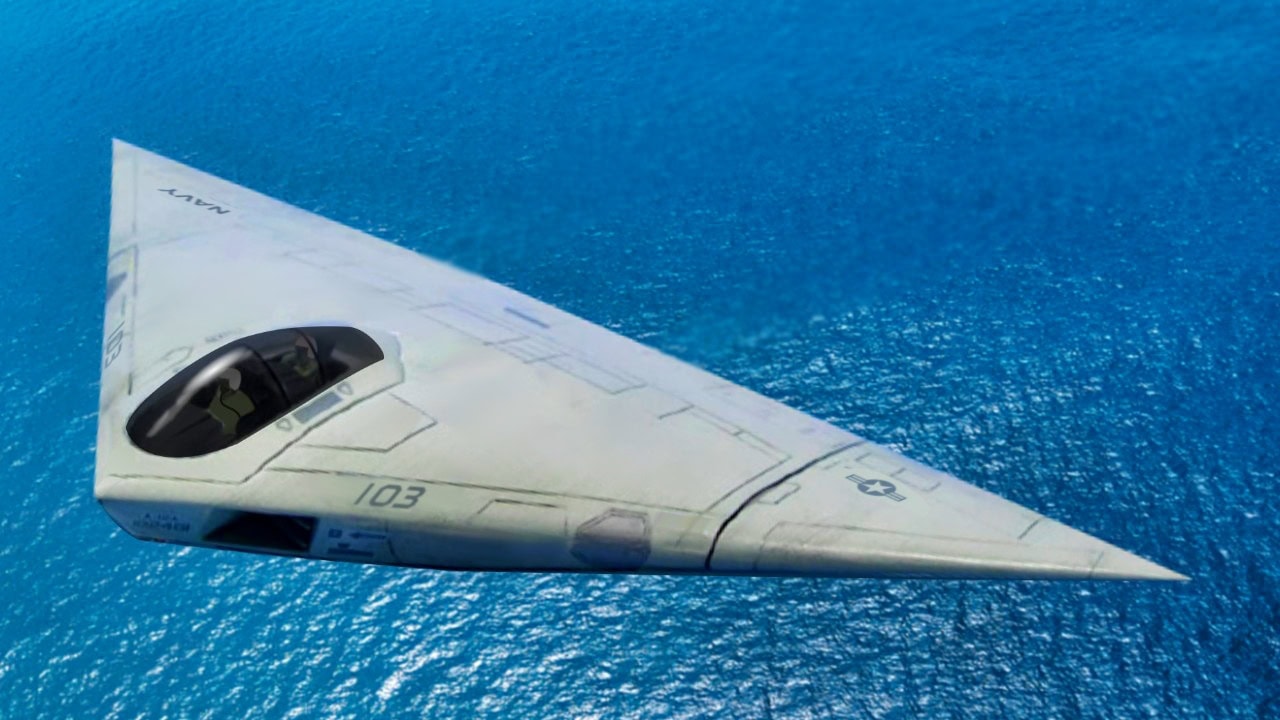
A-12 Avenger II. Image Credit: Creative Commons.
The broader December 1989 requirement had reached 858 aircraft, combining Navy carrier wings and five Marine Corps squadrons.
By April 1990, Marine participation had dropped out, and the 620-aircraft plan was intended to support 12 active carrier air wings and one reserve wing.
The reduced acquisition plan still carried an estimated price of about $57 billion.
The projected program acquisition cost had risen from roughly $87 million per aircraft in December 1989 to more than $100 million by late 1990. Those figures excluded full operating costs and the price of planned improvements.
The aircraft was projected to measure 37 feet 10 inches long, with a 70-foot-3-inch wingspan that folded to 36 feet 3 inches. Empty weight was listed at 39,000 pounds and maximum takeoff weight at 80,000 pounds. Two General Electric F412 turbofans, each rated at 13,000 pounds of thrust, were expected to provide a maximum speed near 580 mph.
An internal bay was rated for 5,160 pounds of weapons, including AMRAAM air-to-air missiles, HARM anti-radar missiles and guided or unguided bombs. The A-12 looked like a miniature B-2, but its real assignment was tactical, all-weather attack from an aircraft carrier.
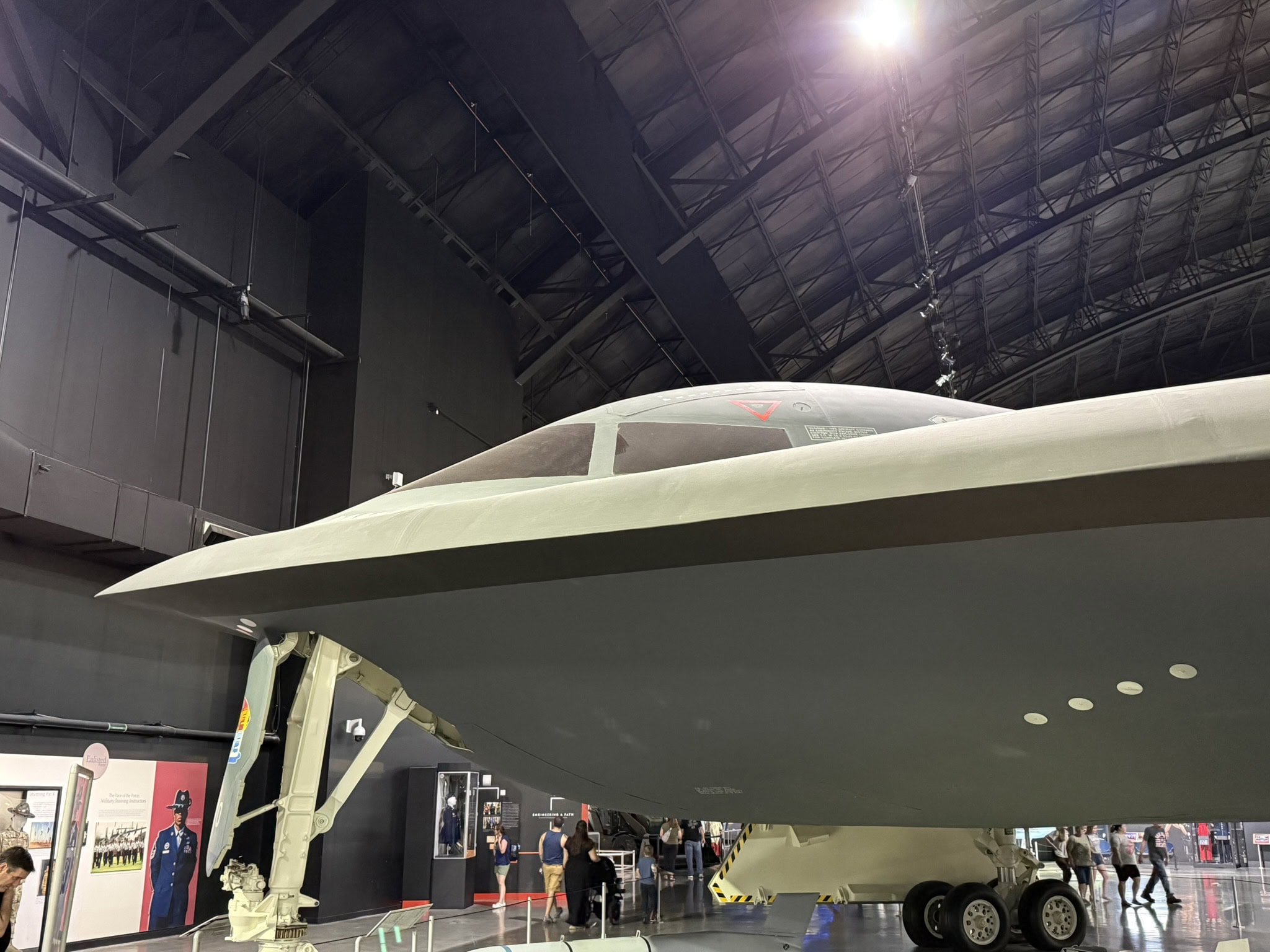
B-2 Spirit at the National Museum of the U.S. Air Force. Image Credit: Harry J. Kazianis.
The Navy Wanted a Stealth Replacement for the A-6 Intruder
The Advanced Tactical Aircraft program began in 1983 to replace the A-6 Intruder’s all-weather medium-attack capability. General Dynamics and McDonnell Douglas received the development contract in January 1988. The Avenger II name honored the TBF and TBM Avenger torpedo bombers of World War II.
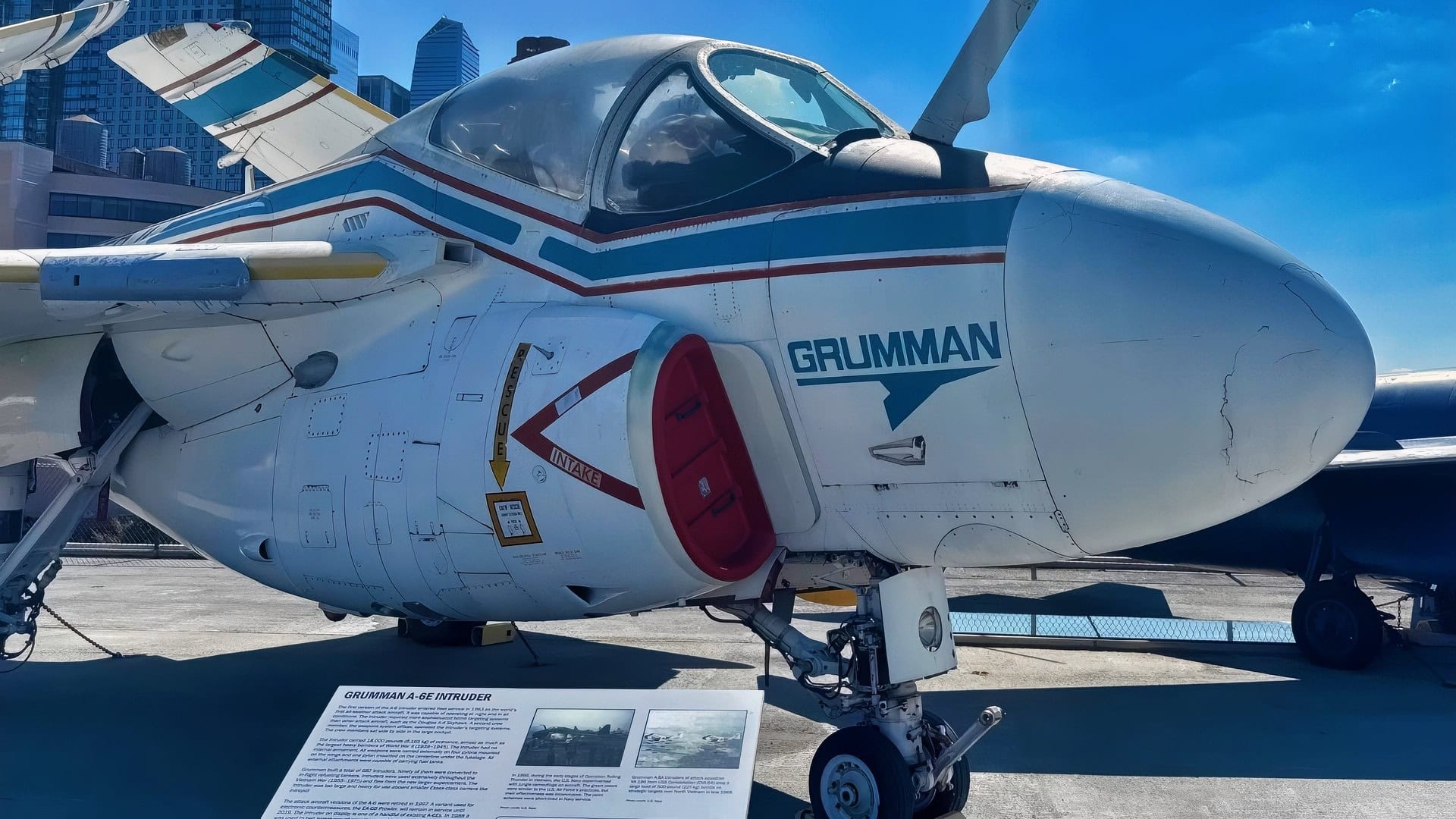
A-6 Intruder Original 19FortyFive.com Image Taken in July 2025.
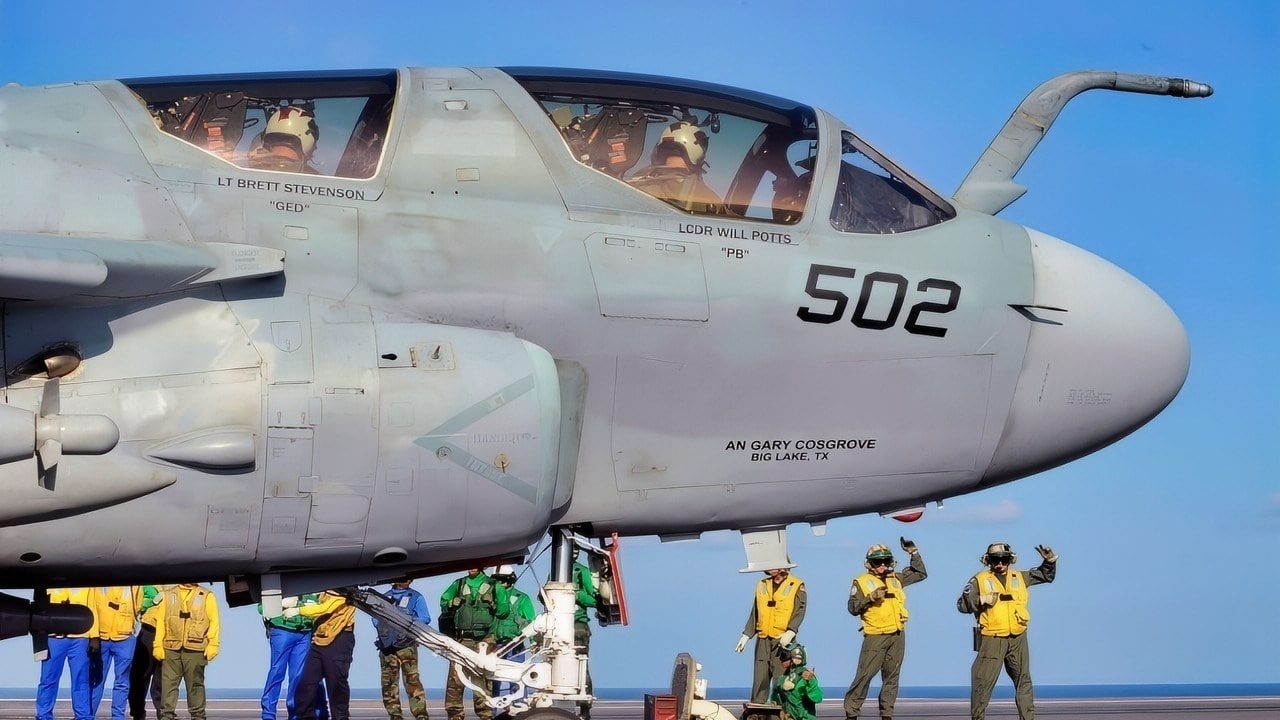
A-6 Intruder U.S. Navy Photo. Image Credit: Creative Commons.
Twenty A-12s were planned for each carrier air wing. Radar and infrared sensors were intended to support air-to-ground and air-to-air work, while planners also studied anti-ship attack, close air support, refueling, and electronic warfare missions.
The design traded a large external bomb load for stealth, internal carriage and better survival against Soviet air defenses.
Carrier Operations Set the 70-Foot Wing and 80,000-Pound Limit
The triangular wing provided internal volume for fuel and weapons, but it still had to fit a carrier.
The Navy required two A-12s to sit on adjacent catapults and two folded aircraft to fit on a deck-edge elevator. The outer panels folded upward, reducing the width by almost 34 feet.
The design also needed strengthened landing gear, a catapult launch bar, an arresting hook and corrosion protection. Published estimates listed a range of 800 to 920 miles and a 40,000-foot ceiling. Every figure remained theoretical because no A-12 reached a catapult launch, arrested landing or flight test.
The 5,160-pound internal load was modest for an attack aircraft. AMRAAMs offered self-defense, HARMs targeted enemy radar sites, and precision bombs were intended for command centers, airfields, bridges and other defended targets.
Internal carriage preserved the aircraft’s low-observable shape and avoided the drag of external stores.
A $4.8 Billion Contract Carried Too Much Technical Risk
The full-scale development contract called for eight test aircraft. It had a target price near $4.4 billion and a ceiling of $4.8 billion. As a fixed-price incentive agreement, it left General Dynamics and McDonnell Douglas responsible for costs above that ceiling.
The decisive procurement error was treating immature stealth materials, composite manufacturing, sensor integration and carrier suitability as though the major risks had already been retired.
Weight growth alone added $8 million to the projected acquisition cost of each aircraft between fiscal years 1988 and 1989. Manufacturing fell behind, and first flight slipped by more than two years from its original June 1990 date.
The shrinking carrier fleet worsened the economics. Cutting the requirement from 858 to 620 reduced the total cost but raised the unit price.
The Air Force delayed a potential 400-aircraft derivative, removing expected cost-sharing and adding an estimated $2.4 billion to the Navy’s burden.
By June 1990, the contractors had told the Navy that the ceiling would be exceeded and some requirements would not be met. A government inquiry found that important information had not reached the Defense Department’s aircraft review.
Three senior Navy officials were removed, and the Under Secretary of Defense for Acquisition resigned. Defense Secretary Dick Cheney terminated the contract for default on January 7, 1991.
$2.7 Billion Bought 126 Drawers of Data but No Flying Aircraft
GAO found that about $2.7 billion had been spent on full-scale development. The government received six accepted design and management reviews plus data from 2,700 reporting requirements, enough material to fill about 126 file-cabinet drawers.
The contractors had completed approximately 99 percent of the engineering drawings and 85 percent of the manufacturing tools. Parts existed for portions of the first 14 aircraft, and assembly of the first structure had started.
The government still has not received a flyable prototype.
The collapse of the carrier-based “Flying Dorito” left the Navy without its planned stealth penetrator. Later accounts of the design’s weight and manufacturing problems show how far the program remained from routine carrier service.
The A-12 Contract Fight Continued Until 2014
The Navy demanded repayment of about $1.35 billion in progress payments. The contractors argued that the government had withheld essential knowledge from earlier classified stealth programs.
In 2011, the Supreme Court ruled that neither side could obtain relief when resolving the dispute threatened disclosure of state secrets.
A 2014 settlement ended the case. Boeing, which had absorbed McDonnell Douglas, and General Dynamics agreed to provide $400 million in aircraft, shipbuilding credits, and services. The legal fight outlived the aircraft program by more than two decades.
Arguments over the carrier fleet the A-12 might have produced remain counterfactual, much like later debates over other carrier aircraft the Navy declined to build.
The only full-size A-12 artifact now stands at the Fort Worth Aviation Museum, wrapped in protective coating as it sits outside. Its landing gear is plastic because the mockup was built for design work and display, not to support a real aircraft.
About the Author: Harry J. Kazianis
Harry J. Kazianis (@Grecianformula) was the former Senior Director of National Security Affairs at the Center for the National Interest (CFTNI), a foreign policy think tank founded by Richard Nixon based in Washington, DC. Harry has over a decade of experience in think tanks and national security publishing. His ideas have been published in the NY Times, The Washington Post, The Wall Street Journal, CNN, and many other outlets worldwide. He has held positions at CSIS, the Heritage Foundation, the University of Nottingham, and several other institutions related to national security research and studies. He is the former Executive Editor of the National Interest and the Diplomat. He holds a Master’s degree focusing on international affairs from Harvard University.

