
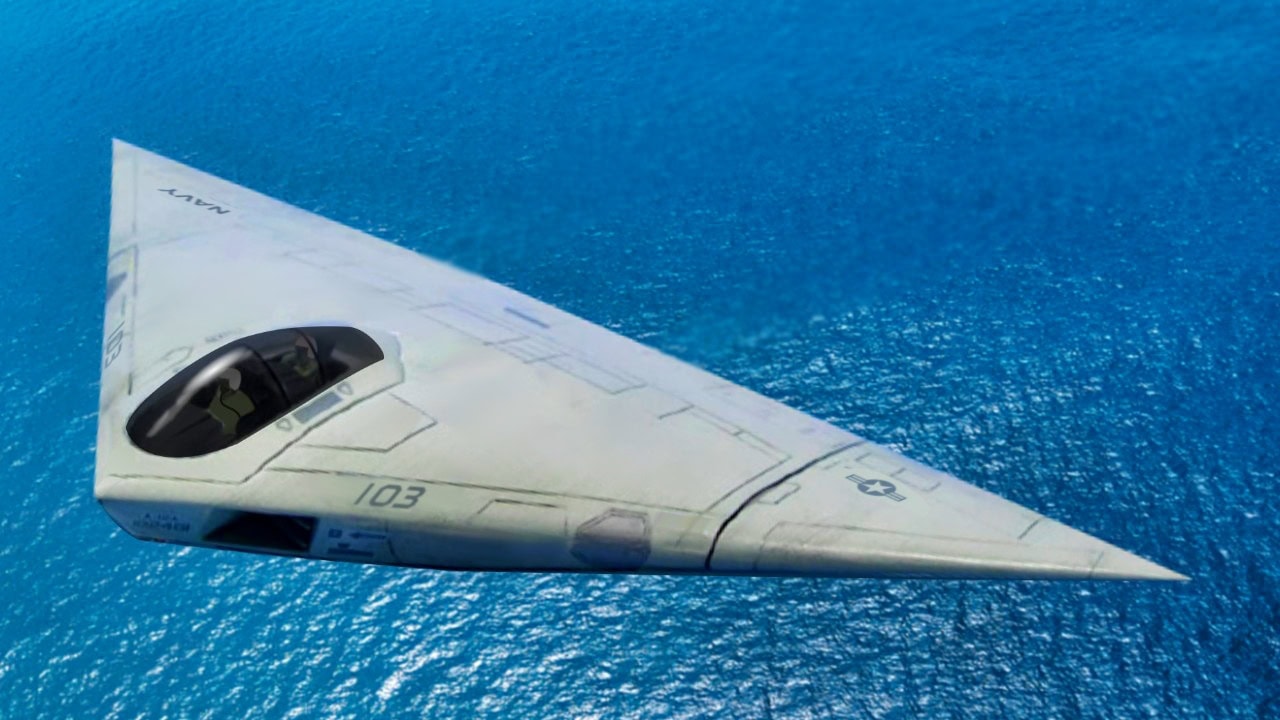
$1.35 Billion On The Line: The A-12 Avenger II Program’s Default Termination And The Pentagon’s Longest Fight
In the late Cold War, the U.S. Navy bet big on a stealthy, carrier-based attack aircraft that was supposed to replace the A-6 Intruder and survive in the kind of heavily defended airspace that had become the Pentagon’s obsession in the 1980s.
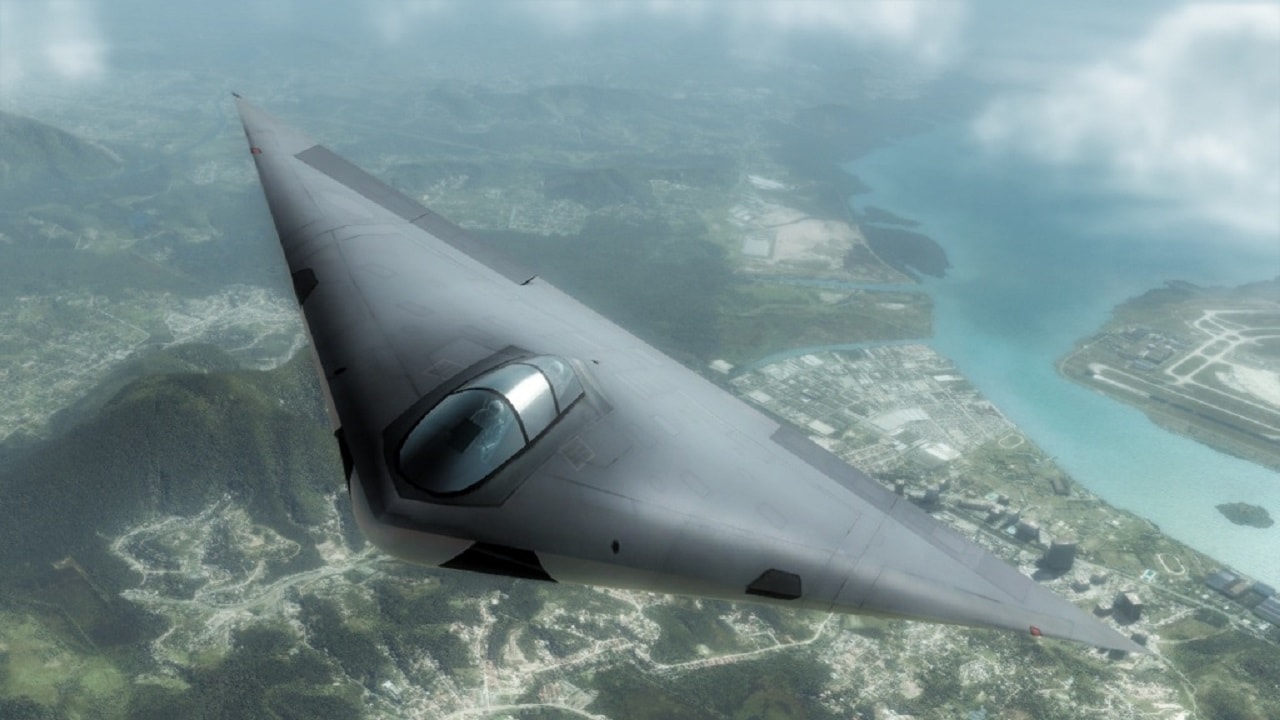
A-12 Avenger II. Image Credit: Creative Commons.
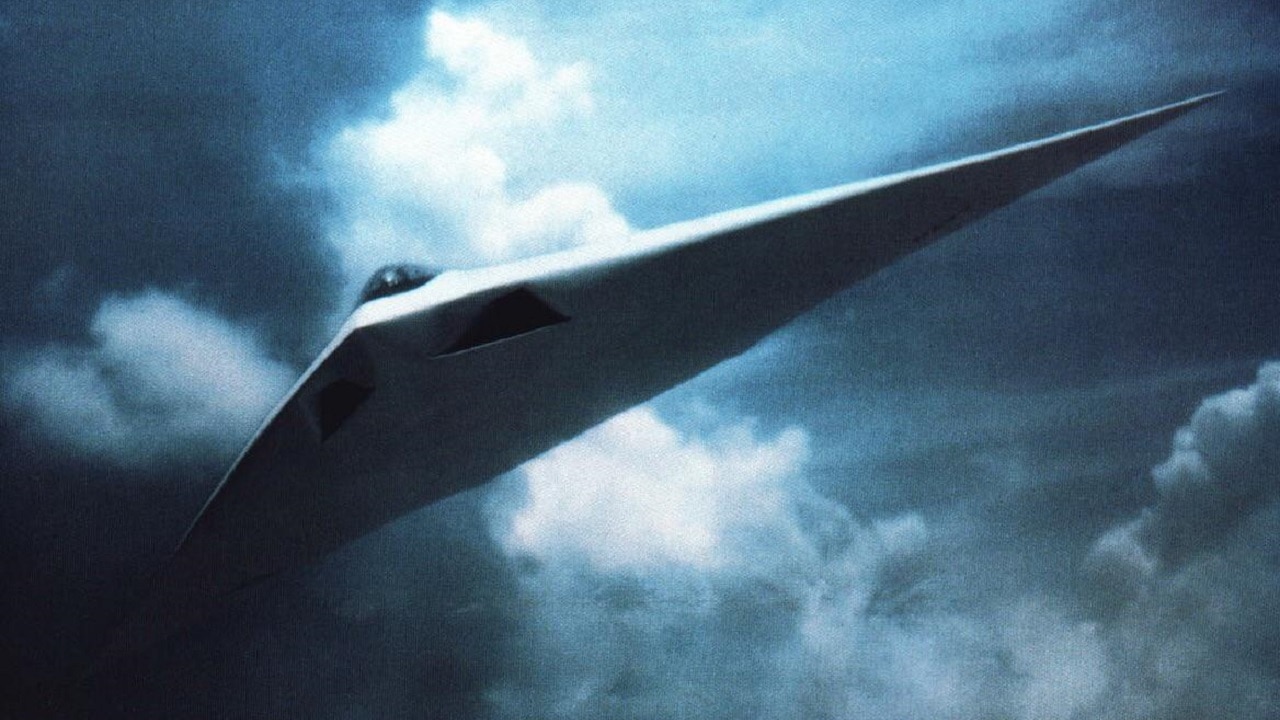
A-12 Avenger. Image Credit: Creative Commons.

A-12 Avenger diagram. Image Credit: Creative Commons.
The aircraft was the A-12 Avenger II, a wedge-shaped, radar-evading design being built by McDonnell Douglas and General Dynamics under a fixed-price development contract valued at about $4.8 billion.
But the A-12 is remembered today less for its stealth concept than for what happened after it collapsed: a procurement and national-security legal battle that dragged on for more than two decades and forced courts – including the U.S. Supreme Court – to make a judgement on a question that still feels relevant today: what happens when the government accuses contractors of failing to perform, demands the money back, and the contractors say they can’t defend themselves without releasing classified information?
That controversy became the real legacy of the A-12.
The History of the A-12 Avenger II Program
The A-12 was born out of the Navy’s Advanced Tactical Aircraft (ATA) effort – an attempt to put a low-observable strike aircraft on carriers at a time when stealth was only just becoming a reality.
By the end of the 1980s, however, the program was struggling with the classic mix of problems that haunt ambitious aircraft development even today: schedule slippage, technical trouble, and rising costs.
In early 1991, Defense Secretary Dick Cheney declined to back an “extraordinary relief” request that might have kept the effort alive, and the Navy moved to end it.
On January 7, 1991, the Navy’s contracting officer formally terminated the A-12 contract for default, meaning the government asserted that the contractors had failed to perform in accordance with the contract’s schedule and terms. That default decision mattered as much as the cancellation itself. If a program is terminated “for convenience” – and not for default, for example – the government typically pays allowable costs and unwinds the deal; a default termination is closer to an accusation of non-performance, with major financial consequences.
Who Owed Whom?
Soon after the termination, the Navy demanded the contractors return approximately $1.35 billion in unliquidated progress payments—money advanced for work the government never accepted because the aircraft never reached completion.
The Government Accountability Office described that figure as the Navy’s claim for progress payments tied to “uncompleted work” at the time of termination.
Not only did the contractors refuse to pay in the end, but they also went to court over it, challenging the default termination and trying to convert it to a termination for convenience – while also seeking additional money they claimed they were owed for reimbursement costs.
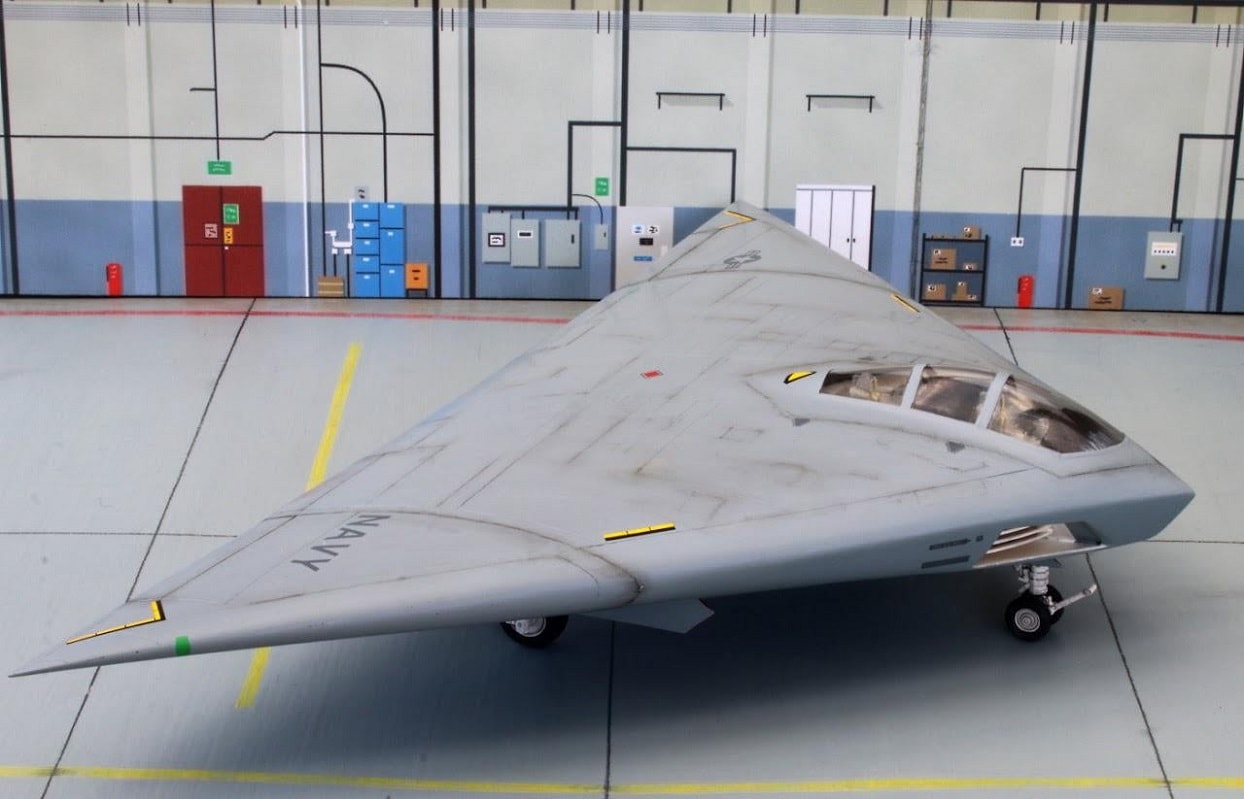
Artist Rendering of A-12 Avenger II. Image: Creative Commons.
According to the Justice Department, the contractors sought to retain $1.33 billion already paid and asserted claims “well over $1 billion” more, plus interest.
At the center of the dispute was the concept of “superior knowledge” – a defense whereby the contractors argued that, in essence, they fell behind because the government possessed critical stealth-related information that was not adequately shared with them, making performance commercially unreasonable. That defense is precisely where the case stopped being a normal contract disagreement and a matter of national secrecy.
Classified Stealth Complicates the Defense
As the case moved through the Court of Federal Claims and the U.S. Court of Appeals for the Federal Circuit, one problem kept surfacing: key parts of the contractors’ “superior knowledge” defense depended on classified stealth technology and information.
The government invoked the state secrets privilege, arguing that certain evidence could not be disclosed in open litigation, thereby putting the courts in a bind: they had to determine how to rule fairly when one side’s central defense couldn’t be fully aired.
The dispute ultimately reached the U.S. Supreme Court, which in 2011 held that when state secrets block a valid defense, the courts cannot simply hand victory to the other side.
The Settlement
The litigation finally ended in 2014, when the government, Boeing (which absorbed McDonnell Douglas), and General Dynamics reached a settlement. Rather than the original multibillion-dollar claims, the deal involved the contractors providing roughly $400 million in aircraft and services to the Navy.
The settlement closed one of the longest-running procurement disputes in Pentagon history, but the A-12’s aftershocks are still being felt today. Debates now largely focus on how to balance fixed-price development contracts, risk sharing, and accountability for a range of cutting-edge programs – all of which are being shaped by lessons learned from the A-12 debacle.
Those discussions are playing out in current Pentagon acquisition reform proposals, where policymakers are trying to accelerate weapons purchases while ensuring cost, performance, and risk are managed — all at a time when the defense industrial base itself is struggling with workforce shortages and production bottlenecks, making the question of who bears technical and schedule risk more consequential than ever.
About the Author:
Jack Buckby is a British researcher and analyst specialising in defence and national security, based in New York. His work focuses on military capability, procurement, and strategic competition, producing and editing analysis for policy and defence audiences. He brings extensive editorial experience, with a career output spanning over 1,000 articles at 19FortyFive and National Security Journal, and has previously authored books and papers on extremism and deradicalisation.

