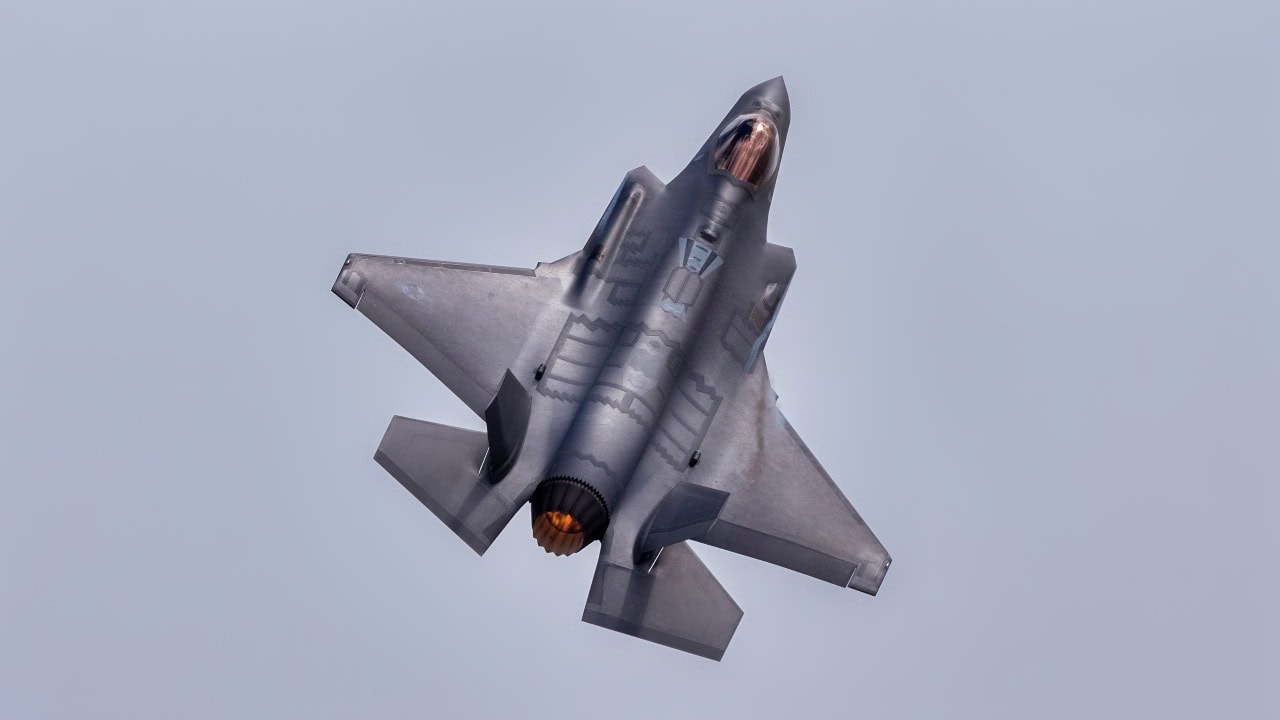
Summary and Key Points: A coalition of European F-35 operators could assemble a 200-plus jet, networked force, with projections of roughly 600 European F-35s by 2030.
-Against Russia’s limited fifth-generation capacity and ongoing Su-57 production hurdles, that imbalance could make air superiority exceptionally hard for Moscow to seize—and easier for NATO to establish.
-The key advantage is information: F-35 Mission Data Files help identify and validate threats rapidly, but national versions differ.
-A single NATO-wide Common Data File would standardize threat libraries, improving cross-border target sharing, collaborative strikes, and real-time intelligence exchange across the alliance.
The Biggest Problem for Russia Isn’t Tanks—It’s Europe’s F-35 Fighter Fifth-Gen Airpower
European nations such as Poland, the Czech Republic, Switzerland, Greece, Norway, Germany, and Denmark could collectively field a multinational force of more than 200 networked F-35s. Such a force could be decisive in the event of a European conflict with Russia.
According to the current delivery schedule, there could be as many as 600 F-35s flying for European countries by 2030. This would give NATO a massive advantage over Russia, which has few fifth-generation fighters.
Production of Su-57 stealth fighters has suffered from budget difficulties and manufacturing complications; indeed, it is not clear that Russia will field any credible force of fifth-generation stealth aircraft in the near future. During any potential Russian land incursion in the Baltics or Eastern Europe, Russia would be sorely challenged to establish air superiority—or to prevent NATO forces from establishing it.
Destruction from Above
That would leave Russia’s ground forces vulnerable to destruction from the air by allied F-35s. A Russian ground invasion would have little chance of success anywhere on the European continent, given the fifth-generation air deficit.
Further, a multinational force of F-35s will increasingly be able to share information and operate jointly against a standard “threat library.”
The F-35 is famous for its Mission Data Files, an advanced computer database that catalogues new incoming sensor data. If a sensor encounters a Chinese J-20 or a Russian Su-57, the aircraft’s onboard computer instantly identifies and verifies the target for pilots.
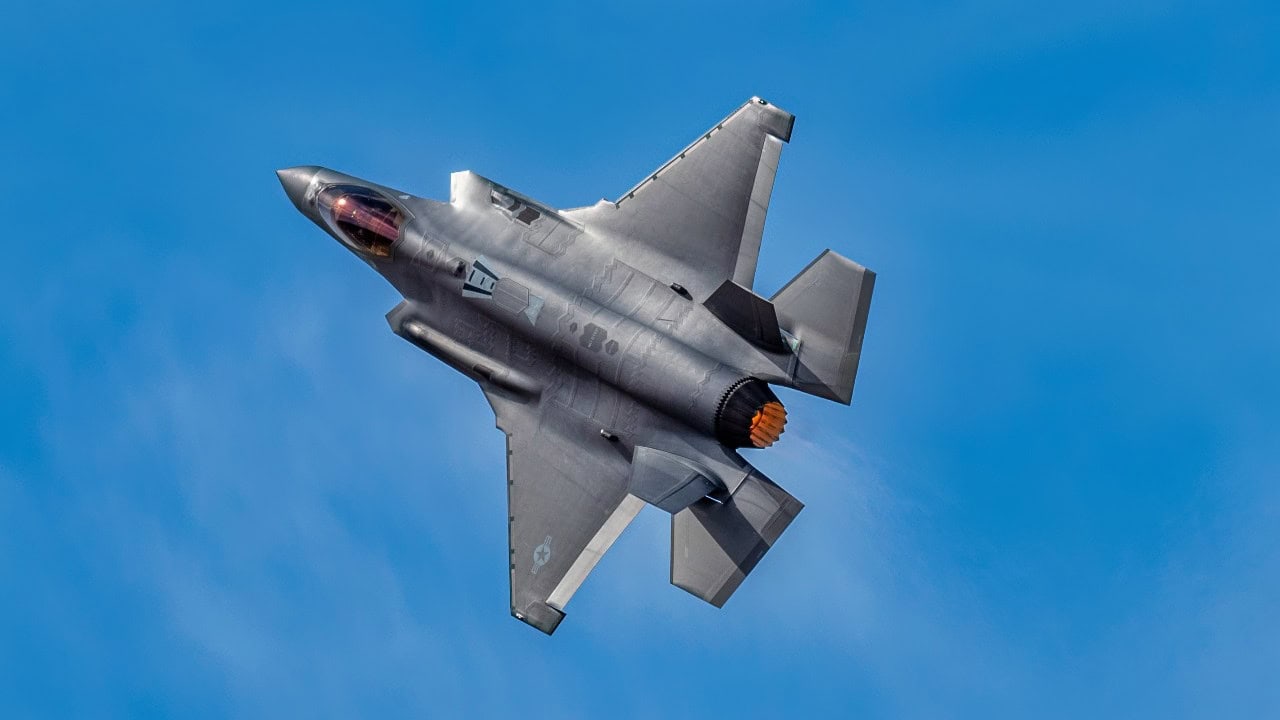
A U.S. Air Force F-35A Lightning II aircraft flies during the Heritage Flight Training Course at Davis-Monthan Air Force Base, Arizona, Feb. 28, 2025. The F-35 is designed to provide the pilot with unsurpassed situational awareness, positive target identification and precision strike in all weather conditions. (U.S. Air Force photo by Senior Airman Jasmyne Bridgers-Matos)
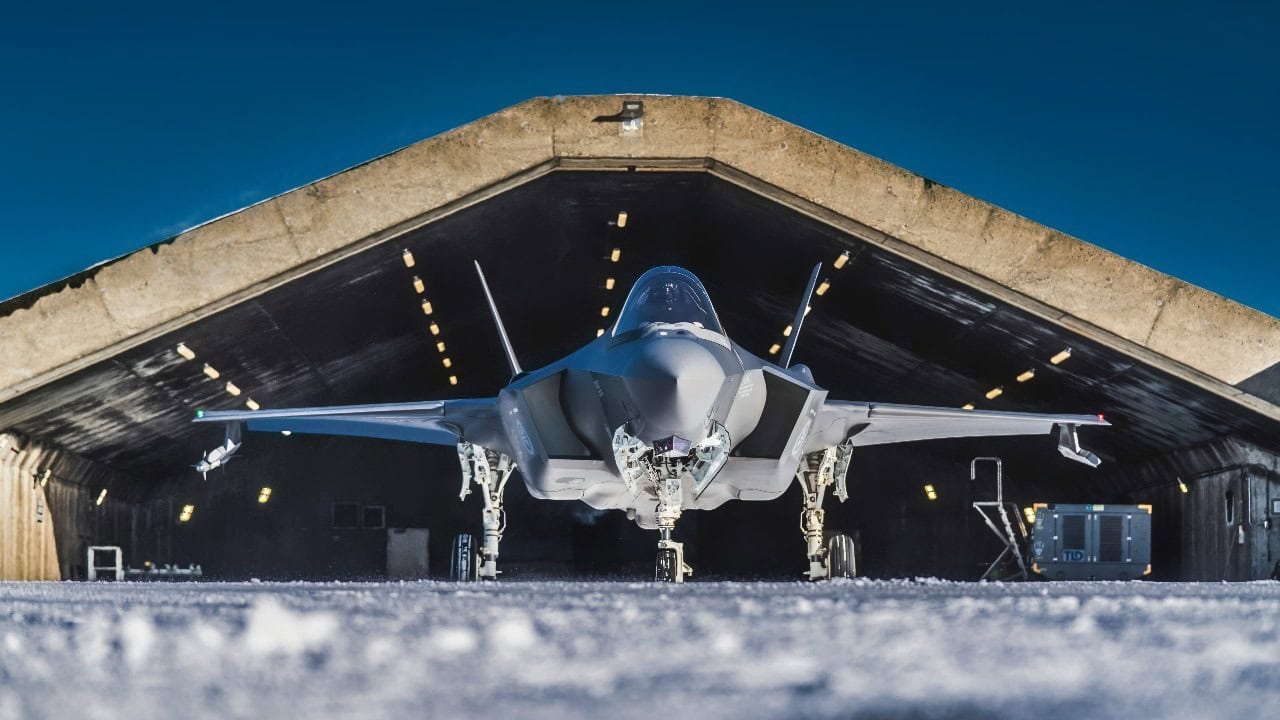
A Royal Norwegian Air Force F-35 Lighting II fighter leaves its shelter at Keflavík Air Base in Iceland. Norway sent the fighters to Iceland, which doesn’t have its own air force, in February 2020.
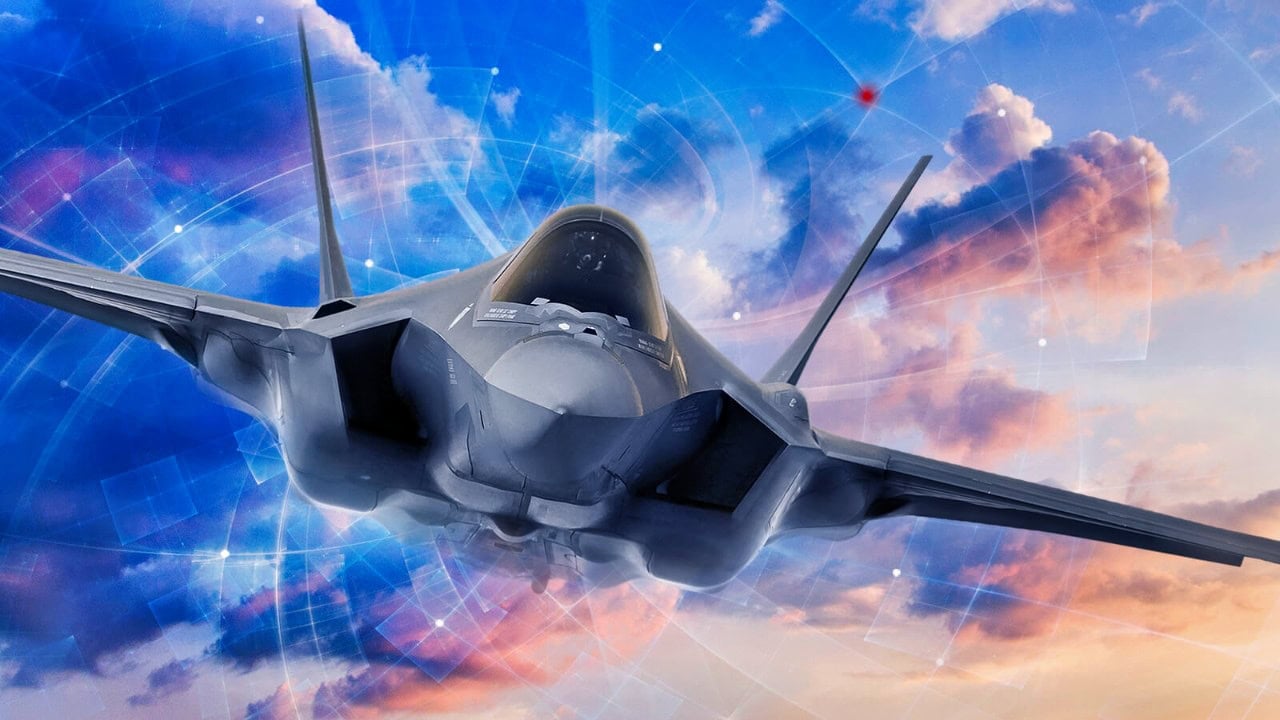
F-35 fighter. Image Credit: BAE systems.
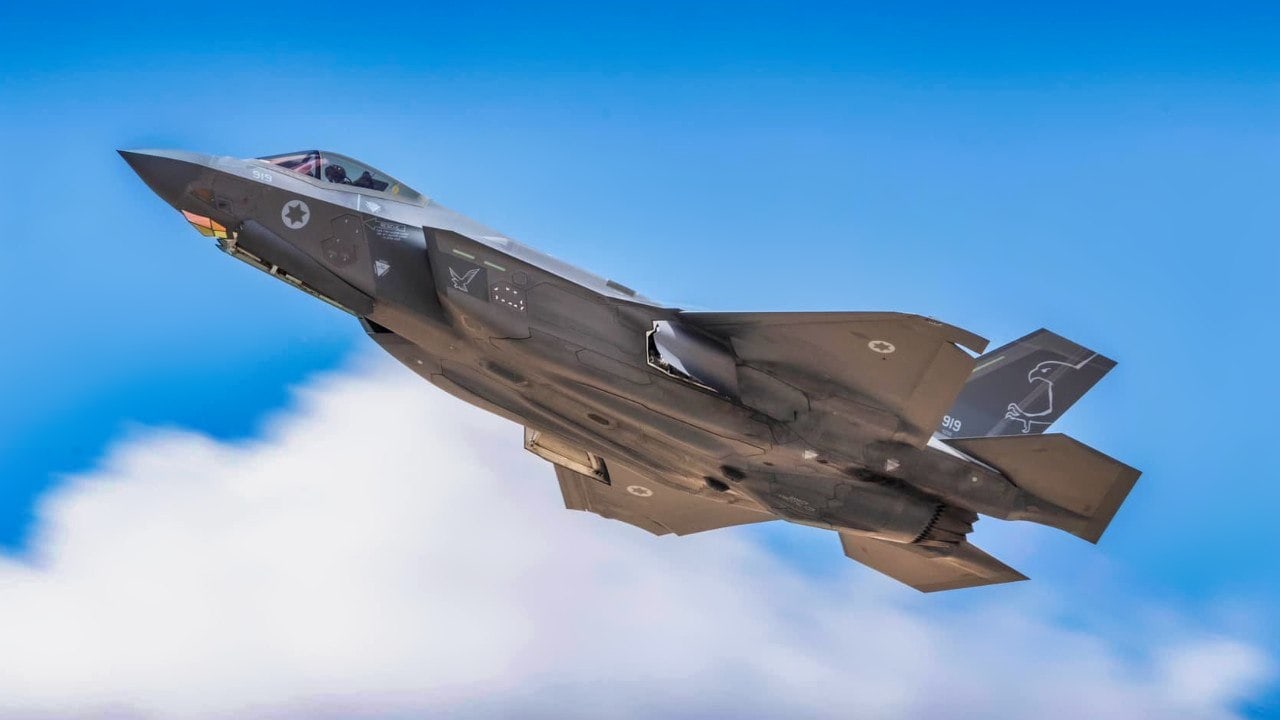
Israeli Air Force (IAF) F-35I Adir
The U.S. Air Force continually updates and upgrades the threat library, tailoring it to different theaters of operation.
Each F-35 member-country operates with a specific version of this compilation.
Considering the databases from F-35 libraries are slightly different, pilots from different countries could struggle to verify targets and pass precise threat information in some cases. For this reason, weapon developers and military leaders are working diligently to craft a single “common database” for all F-35 member nations to use, according to the Pentagon and industry.
Common Data Files F-35
This new common database will incorporate precise, accurate, and commonly shared information for all F-35 fighters, thereby better enabling target-sharing, collaborative attack, and in-flight intelligence gathering.
These efforts are underway, and weapon developers explain that the technology has matured to allow a shared threat library for all F-35s.
The standard system will, of course, incorporate elements from all countries. One single Common Data File will be engineered with advanced computing and distributed across the multinational F-35 force.
NATO – Fighter
The data files will likely require software upgrades and adjustments to computer systems. With the large number of countries now joining the F-35 family in recent years, there would appear to be a significant tactical advantage associated with having NATO-wide data.
However, despite the technological possibilities, existing policy determinations among F-35 member nations need to keep pace with progress to enable the rapid implementation of a standard system.
About the Author: Kris Osborn
Kris Osborn is the President of Warrior Maven – Center for Military Modernization. Osborn previously served at the Pentagon as a highly qualified expert in the Office of the Assistant Secretary of the Army—Acquisition, Logistics & Technology. Osborn has also worked as an anchor and on-air military specialist at national TV networks. He has appeared as a guest military expert on Fox News, MSNBC, The Military Channel, and The History Channel. He also has a Master’s Degree in Comparative Literature from Columbia University