
Iran Is Making Demands & Getting What It Wants – Despite enduring months of devastating strikes against its military infrastructure, Tehran continues to make demands over the Strait of Hormuz – and those demands are so far being met by regional powers. In recent days, Iran has floated the possibility of a new, temporary agreement with Oman to oversee the Strait of Hormuz, but insists that the United States must keep its distance and that it will not open the waterway unless Washington concedes in the same way Oman has.
On Saturday, August 8, the Islamic Revolutionary Guard Corps and Tehran said that the Strait of Hormuz would not reopen unless the United States complies with a sweeping list of demands.
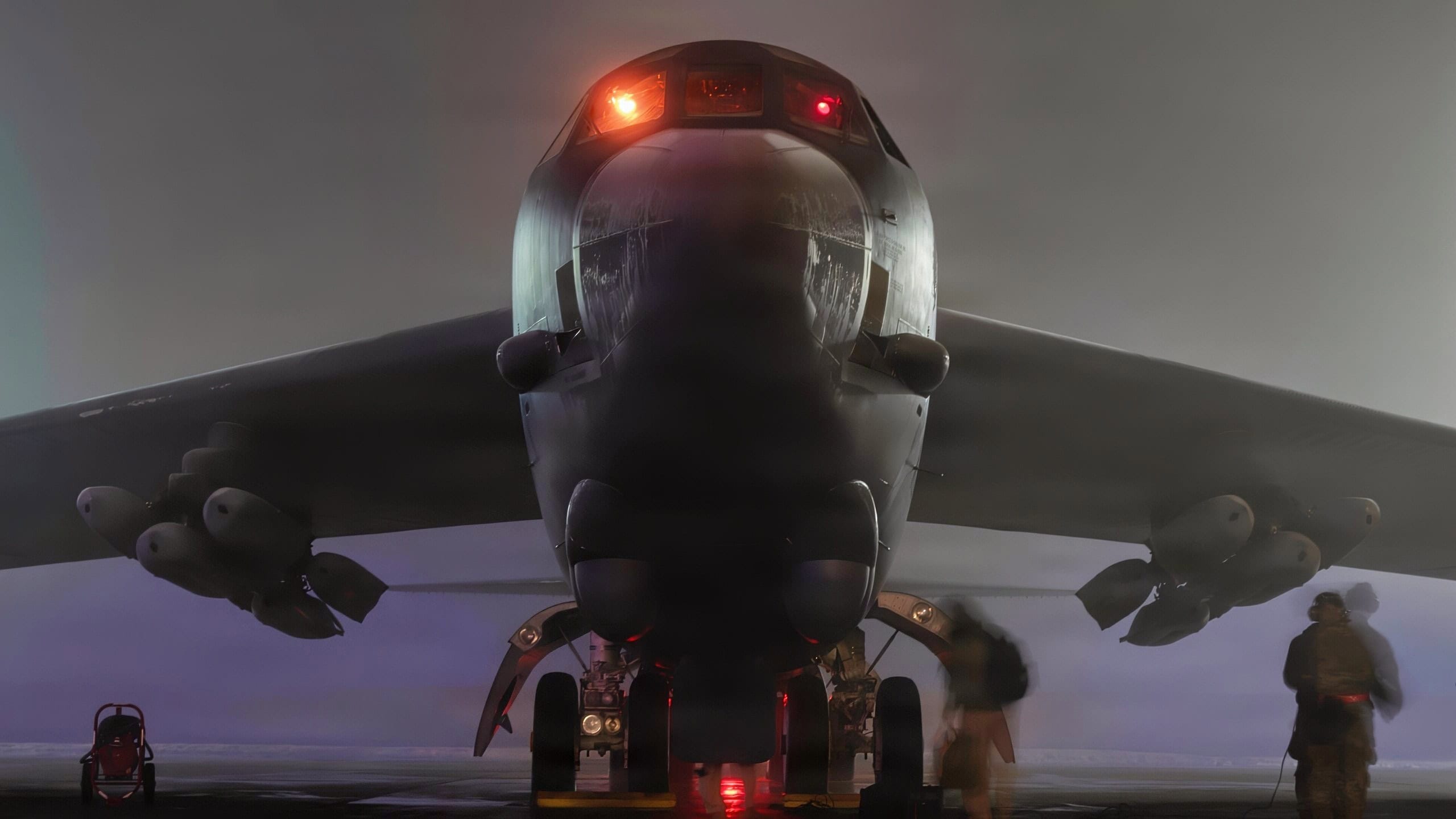
Aircrew members board a B-52H Stratofortress prior to taking off in support of Operation Epic Fury, March 4, 2026. (U.S. Air Force photo)
Tehran now insists that Washington must end all military operations in the region, withdraw its forces involved in the blockade of Iranian-linked ships, lift sanctions, release frozen Iranian assets, and provide compensation for wartime damage. Iran also insists that the United States stop issuing threats to Iran. Once those demands have been met, Iranian officials say, the waterway will open again.
The IRGC also made it clear that the ongoing negotiations with Oman are separate from any discussions with the United States.
Iran Lays Out Its Terms
“The reopening of the Strait of Hormuz is subject to the specific mechanisms and conditions of the Islamic Republic of Iran and is not related to the negotiations between Iran and Oman,” IRGC spokesman Hossein Mohebbi said, per Iranian news agency Tasnim.
Iran’s Supreme National Security Council then provided more detail about what those conditions mean.
Council Secretary Mohammad Bagher Zolghadr said Washington must end threats against Iran, permanently halt military action against Iran and its regional allies, withdraw U.S. naval and air forces involved in the blockade, compensate Iran for damage from the war, lift sanctions, and release frozen Iranian assets. Zolghadr said that the council “will not retreat” from the demands “whether in war or in negotiations” – again suggesting that Iran will not change its position, even if the U.S. resumes military strikes.
Notably, the demands go beyond resolving the technical question of how commercial vessels navigate the strait. Iran is effectively attempting to use control over one of the world’s most important energy corridors as leverage to extract major concessions from the United States that mitigate the damage caused by President Trump’s controversial and costly strikes. And so far, the strategy appears to be working.
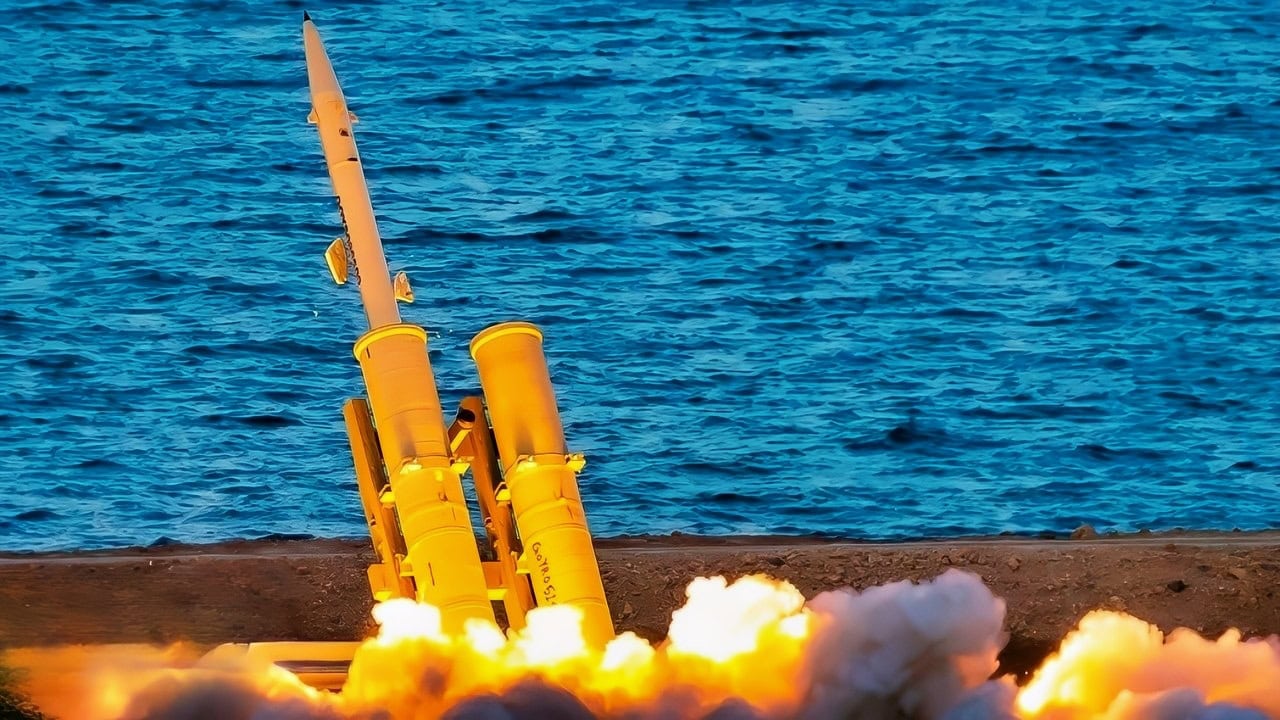
Iran Missiles. Image Credit: Creative Commons.
The Oman Deal Is Moving Ahead
The comments do not mean that the negotiations with Oman have failed.
Iranian Foreign Minister Abbas Araghchi said Saturday that Tehran and Muscat are “very close” to reaching an agreement establishing a temporary shipping route while technical and legal questions surrounding a permanent arrangement are resolved.
The new system, if it arrives as anticipated by analysts, would replace the pre-war system with entirely new geographic coordinates that would give Tehran greater control over vessels entering the Persian Gulf, while Oman would play a greater role in outbound traffic.
On Saturday, Oman’s Foreign Ministry said that the discussions are moving forward in a “positive and constructive atmosphere,” although Muscat did warn that repeated attacks on commercial vessels by Iran – as we have seen in recent days – could still undermine the talks.
Iran Is Testing Trump’s Threats
Not only is Iran getting what it wants from discussions with its neighbors, but the regime is also demonstrating that it is prepared to use force against commercial shipping while the negotiations continue – even after President Trump warned continued strikes on commercial vessels would carry great consequences.
On Friday, August 7, Abu Dhabi National Oil Company said its vessels had been targeted three times during the previous week, bringing the number of missile and drone attacks against its ships since the war began to 15. Those attacks have killed one crew member and wounded 20 others. And then Iran did it again. On Saturday, August 8, the United Arab Emirates said Iran launched a missile at an ADNOC tanker as it traveled through the Strait of Hormuz.
The attacks are particularly significant because Tehran appears unconcerned about previous threats from the U.S. president. On July 22, Trump wrote on Truth Social that “any time the Islamic Republic of Iran shoots at a ship in the Strait of Hormuz, whether it be by Missile, Rocket, Drone, or any other device or weapon, the United States will bomb and destroy ONE BRIDGE OR POWER PLANT.”
The U.S. has not bombed any bridge or power plant in response to the most recent strikes, nor are there any indications that it is preparing to.
Iran is testing Washington’s limits, and it is doing so successfully. The regime is demanding concessions, reshaping the rules governing Hormuz in its favor, and continuing attacks that Trump explicitly warned would trigger an immediate U.S. retaliation. All signs, it seems, point to an Iranian victory.
MORE – The US Navy Wanted 620 A-12 Avenger II Stealth ‘Bombers’ – It Got None
About the Author: Jack Buckby
Jack Buckby is a British researcher and analyst specializing in defense and national security, based in New York. His work focuses on military capability, procurement, and strategic competition, producing and editing analysis for policy and defense audiences. He brings extensive editorial experience, with a career output spanning over 1,000 articles at 19FortyFive and National Security Journal, and has previously authored books and papers on extremism and deradicalization.