
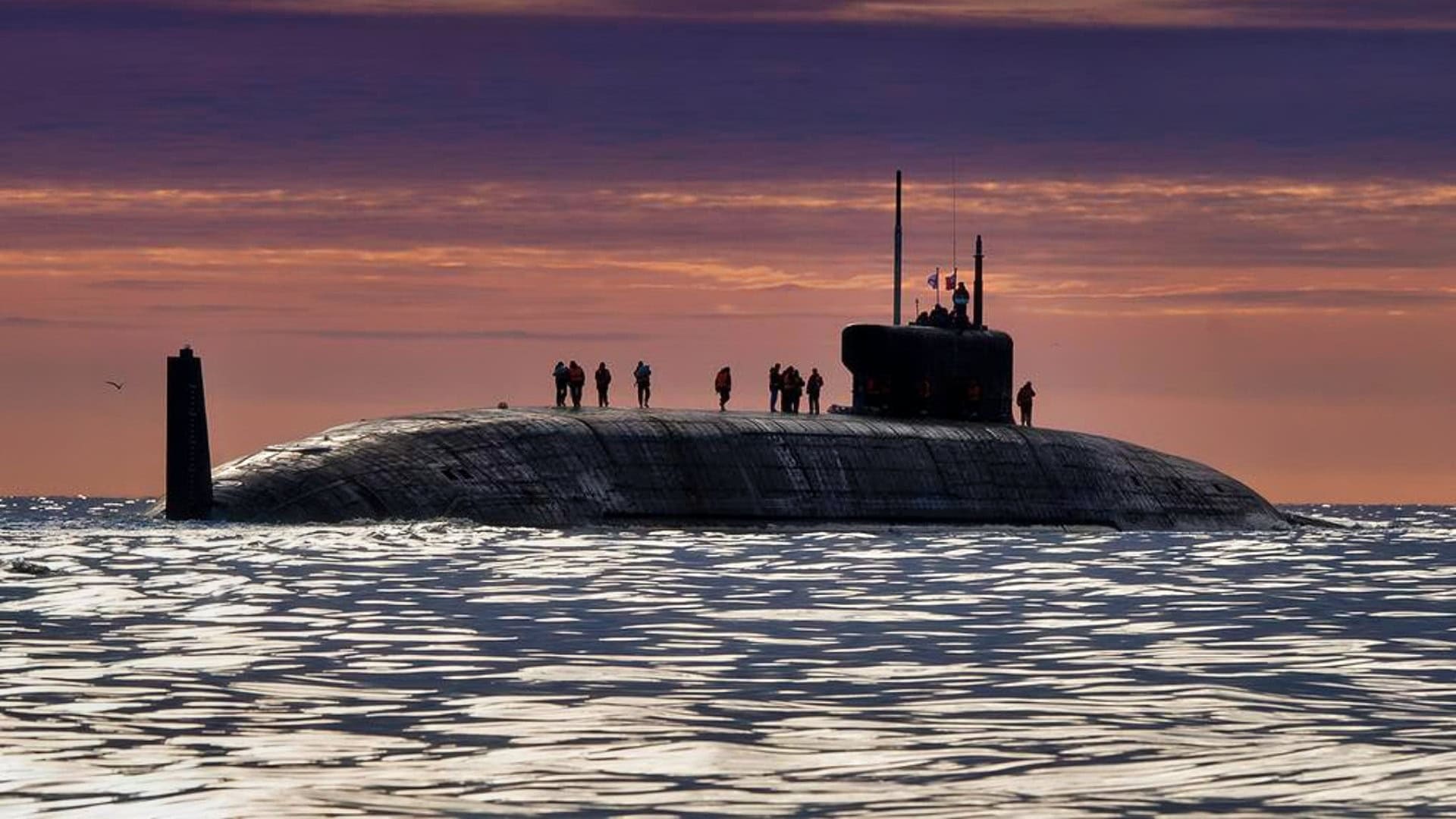
The Ukrainian drone and Neptune missile attacks have had a profound effect on the Russian Navy.
Satellite imagery reveals that the Russian Navy is placing large overhead anti-drone nets over nuclear-powered ballistic missile and attack submarines.
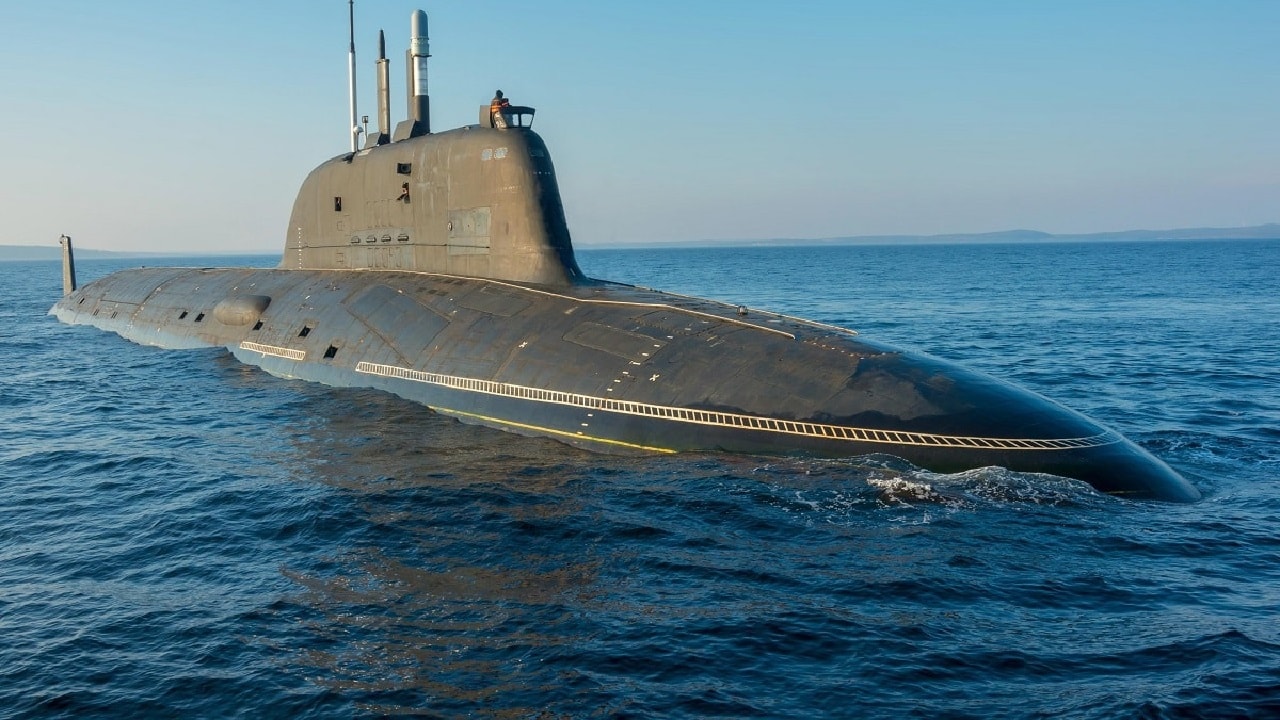
Russian Yasen-class Submarine.
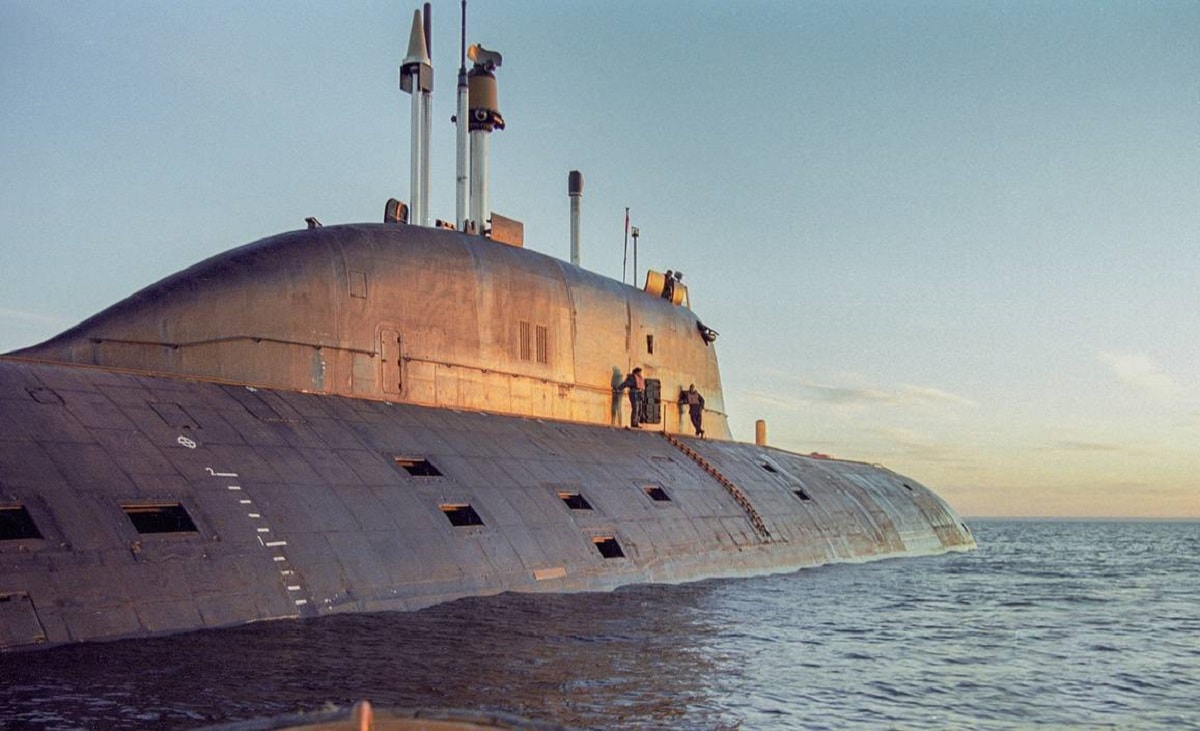
Yasen-Class Submarine from Russia Image: Creative Commons.
These defensive structures have been installed at the Rybachiy Nuclear Submarine Base on the distant Kamchatka Peninsula in the Pacific, expanding from just two protected vessels in May to over half a dozen.
The Russian base on the Kamchatka Peninsula is over 4,500 miles east of Ukraine, highlighting Moscow’s concerns that vulnerabilities extend to its entire Pacific Fleet.
Russian Navy Base Locations with Netting
Business Insider was the first to publish photos from the US spatial intelligence firm Vantor and report the Russians installing anti-drone netting at their naval bases.
Rybachiy Base (Kamchatka): Multiple strategic nuclear submarines now sit covered by and beneath large overhead nets, with protection extending across several submarine berths.
Rybachiy is significant because it serves as the principal Pacific Fleet base for Russia’s Borei-class nuclear-powered ballistic missile submarines, which are among the most heavily armed submarines in the world.
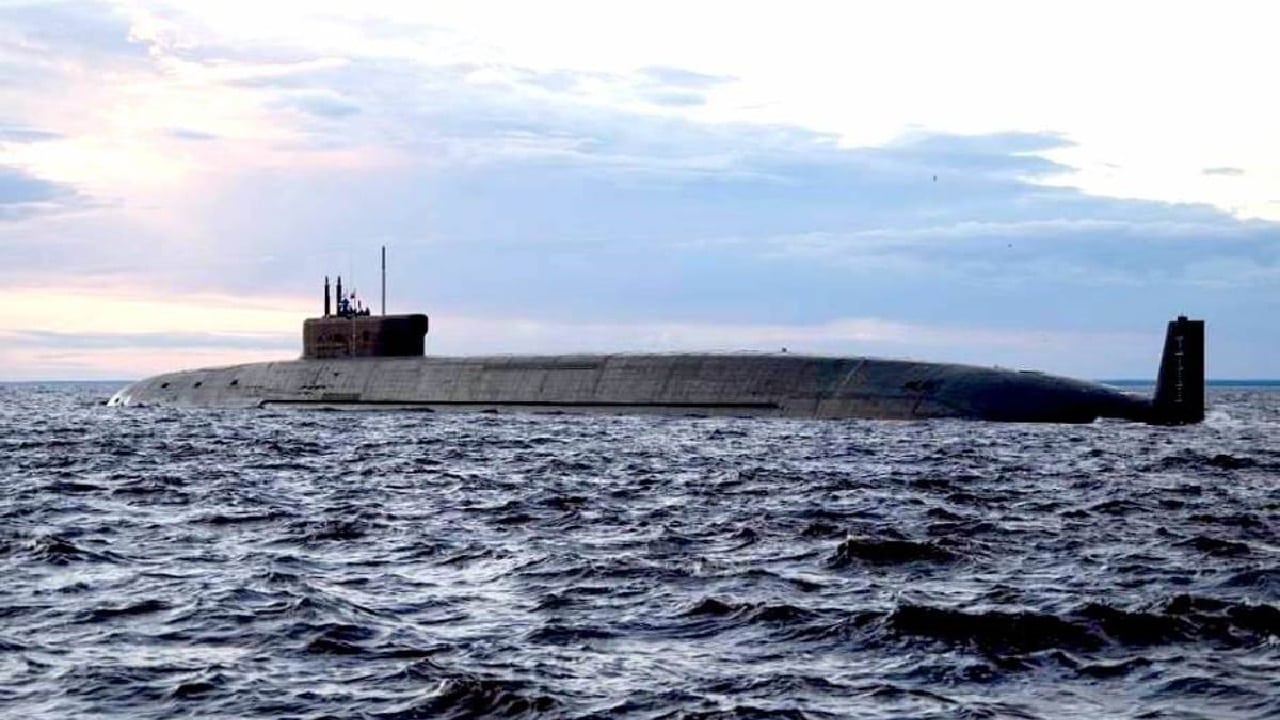
Russian Borei-class ballistic missile submarine.
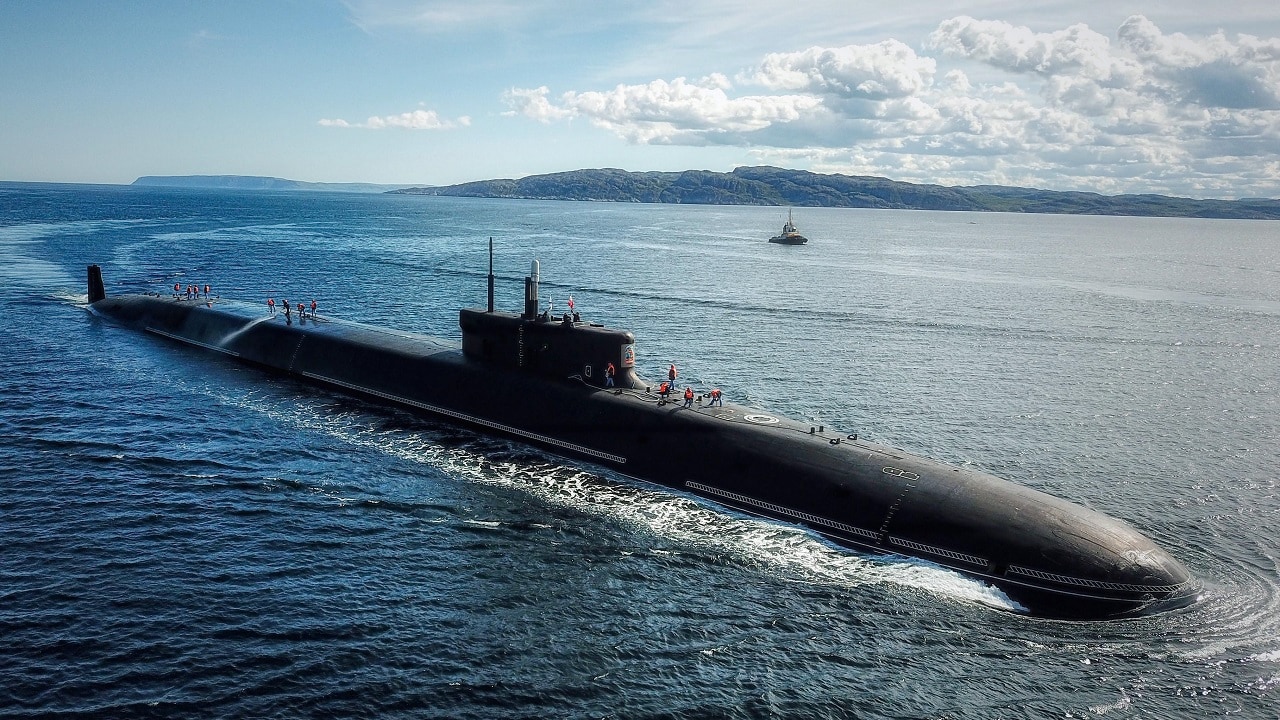
Russia’s Borei-class ballistic missile submarine.
But when in port, even at such a far-flung base so far from Ukraine, they offer an inviting target.
Novorossiysk (Black Sea Fleet): Images taken by Vantor in June show that Russia has also installed anti-drone protection over the conning towers of at least three submarines at a naval base in Novorossiysk, in the southwest of Krasnodar Krai.
These submarines were Project 877 Paltus and Project 636 Varshavyanka submarines, known under the NATO classification as the Kilo-class.
This facility serves as a base for Russia’s Black Sea Fleet and has already been targeted by Ukrainian sea drones on multiple occasions.
Russia has deployed large barriers in Novorossiysk to protect its submarines from sea drones.
Northern Fleet: Similar port protection measures have been spotted near strategic bomber areas.
UK MOD Intelligence Report Highlights Netting
UK Defense Intelligence reports that Russia has fitted counter-UAS (unmanned aerial systems) cages and protective netting over the conning towers of its submarines to shield them from Ukrainian drone attacks while in port.
“The Russian Black Sea Fleet has equipped three of its four Kilo-class submarines with counter-UAS cages covering the vessels’ conning towers.
This was applied as a preventive measure in response to Ukraine’s increased ability to strike targets further from the front line,” according to the assessment by the UK MOD.
“Analysis of commercial satellite imagery dated 13 June 2026 identified that three of the submarines had loosened their moorings and had submerged within the basin.
Whilst the majority of the hull was below the surface, their conning towers remained above the waterline, explaining the need for the counter-UAS cage.”
Applied to Kilo-class diesel-electric submarines in the Black Sea Fleet (at Novorossiysk) and observed expanding to strategic bases for the Pacific Fleet (at Rybachiy, Kamchatka), covering nuclear ballistic missile submarines.
UK MOD analysts assess this as a preventive measure, indicating that Ukraine’s long-range strike capabilities have forced Moscow to heavily fortify rear naval bases thousands of kilometers from the active front lines.
Ukrainian Long-Range Attacks Have Taken A Huge Toll On Russia
Ukraine’s unmanned (drone) forces have demonstrated an ability to conduct long-range attacks deep inside Russian territory and have increasingly employed unmanned surface vessels (sea drones) and UAV drones against the Russian navy’s ships and infrastructure to great effect.
Ukraine used one of its naval drones to sink a Russian patrol ship called the Emerald docked in the Black Sea resort town of Gelendzhik back in mid-
In June 2025, Operation Spider’s Web targeted four strategic air bases and delivered a major blow to Moscow’s long-range bomber fleet.
Codenamed “Spider’s Web”—the operation was named for its wide geographic coverage across remote Russian locations previously thought to be beyond the reach of Ukraine’s long-range drone capabilities.
Using small, striking drones covertly smuggled inside Russia and launched from hidden compartments inside cargo trucks, the operation struck more than 40 high-value aircraft—including strategic bombers Tu-95MS, Tu-22M3, and A-50 aircraft used for launching and coordinating missile attacks on Ukrainian cities.
The very detailed planned operation not only marked Ukraine’s evolving asymmetric warfare capabilities but also was a major embarrassment for Moscow and showed just how vulnerable Russia’s rear defenses have become.
The US Has Produced Guidance, But Done Little Actual Protection
The United States, facing drone and ballistic missile attacks against its bases in the Middle East, has taken notice. Back in February, the Joint Inter-Agency Task Force 401 (JIATF-401) released a document on “Physical Protection of Critical Infrastructure”.
The Pentagon established JIATF-401 to coordinate the efforts for both military and civilian infrastructure in the US. But to date, there hasn’t outwardly seemed to be any effort to start active protection.
MORE – Trump Won the Iran War – Tehran Needs to Figure Out How to End It
MORE – Iran Can’t Stop the US Air Force
About the Author: Steve Balestrieri
Steve Balestrieri is a National Security Columnist. He served as a US Army Special Forces NCO and Warrant Officer. In addition to writing on defense, he covers the NFL for PatsFans.com and is a member of the Pro Football Writers of America (PFWA). His work was regularly featured in many military publications