
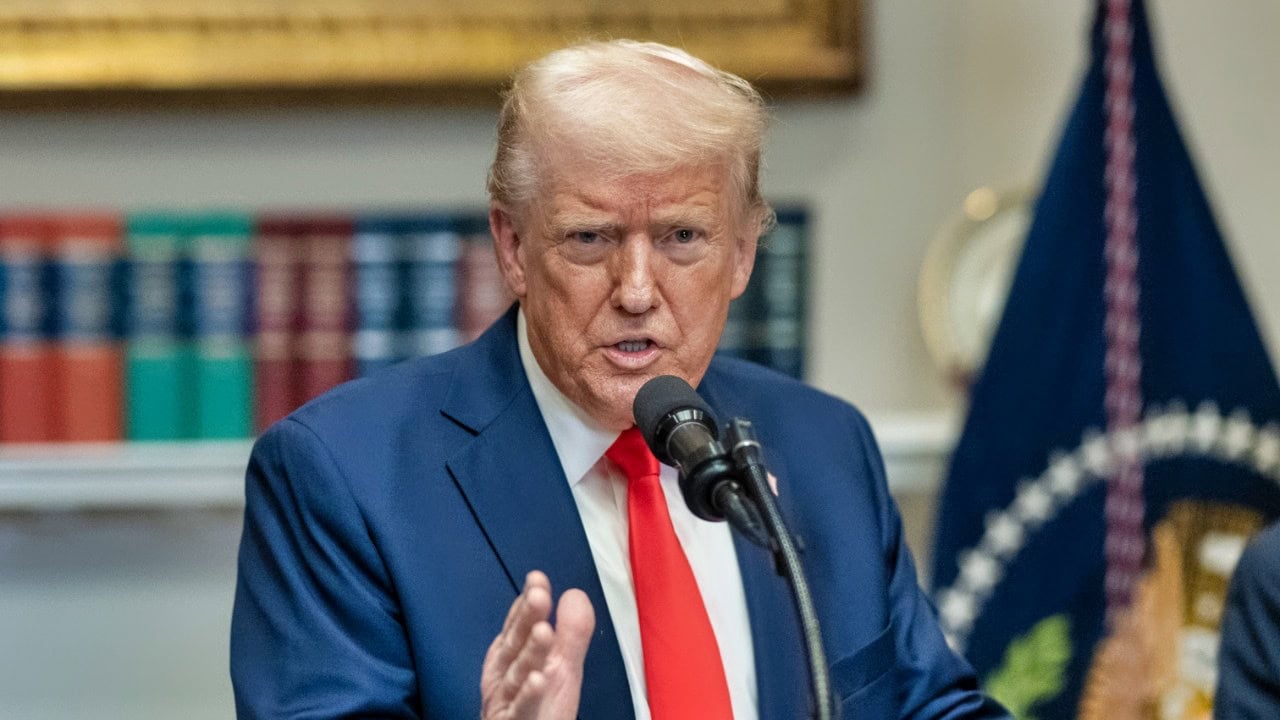
Trump Can’t Lose Gambling With Iran’s Economy – Since the surety of when the war with Iran ends appears as unsure as ever, I have received no end of eye-rolling, shoulder-shrugging, and forehead-slapping for arguing Trump has already won.
They don’t get it.
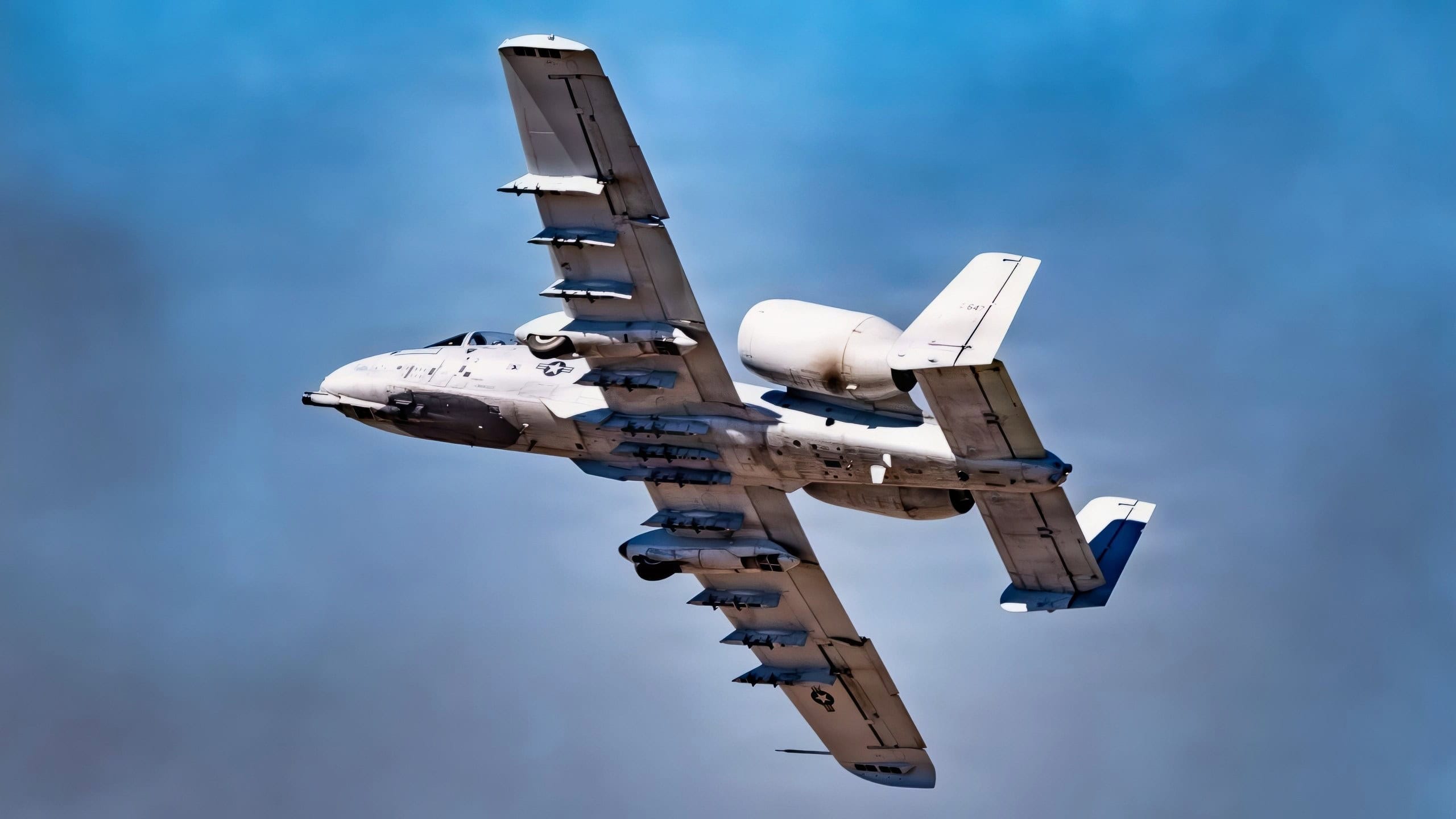
A U.S. Air Force A-10 Thunderbolt II assigned to Davis-Monthan Air Force Base, flies over the 56th Fighter Wing, March 20, 2026, at Luke Air Force Base, Arizona. Demonstrations and displays provide insight into the discipline and expertise required of those who operate military aircraft. Opportunities for the public to see military aviation up close help build appreciation for the readiness of the joint force. (U.S. Air Force photo by Senior Airman Belinda Guachun-Chichay)
Winning and ending wars are not the same. There is substantial evidence that the president is already victorious, having accomplished all of America’s vital strategic objectives. Witness, Trump is already taking the key steps necessary to secure U.S. long-term interests in the region. That’s only possible because he has removed Iran as the chief obstacle to our ends.
Still, the worriers wonder—how does this movie wrap?
Much to their chagrin, the chief remaining criticism of critics, that there is no end in sight, may wind up being, even more than winning the war (which, to be fair, was never a fair fight), the best example yet of Trump’s genius for war.
How Wars End
No one really knows who first said, “the enemy gets a vote.” Maybe it was Abel’s last words to Cain. Nevertheless, the maxim stands as one of the truest truisms of war. For sure, when it comes to ending this conflict, the IRGC, or whoever thinks they are running the country, is voting as vigorously as a ballot-stuffer in Maricopa County. Their latest wish list, a mind-boggling, delusional inventory of a half dozen demands, reads like Hitler in the bunker insisting the U.S. surrender everything east of New Jersey. In turn, Trump’s response shows how really skillful Trump is at being Trump.
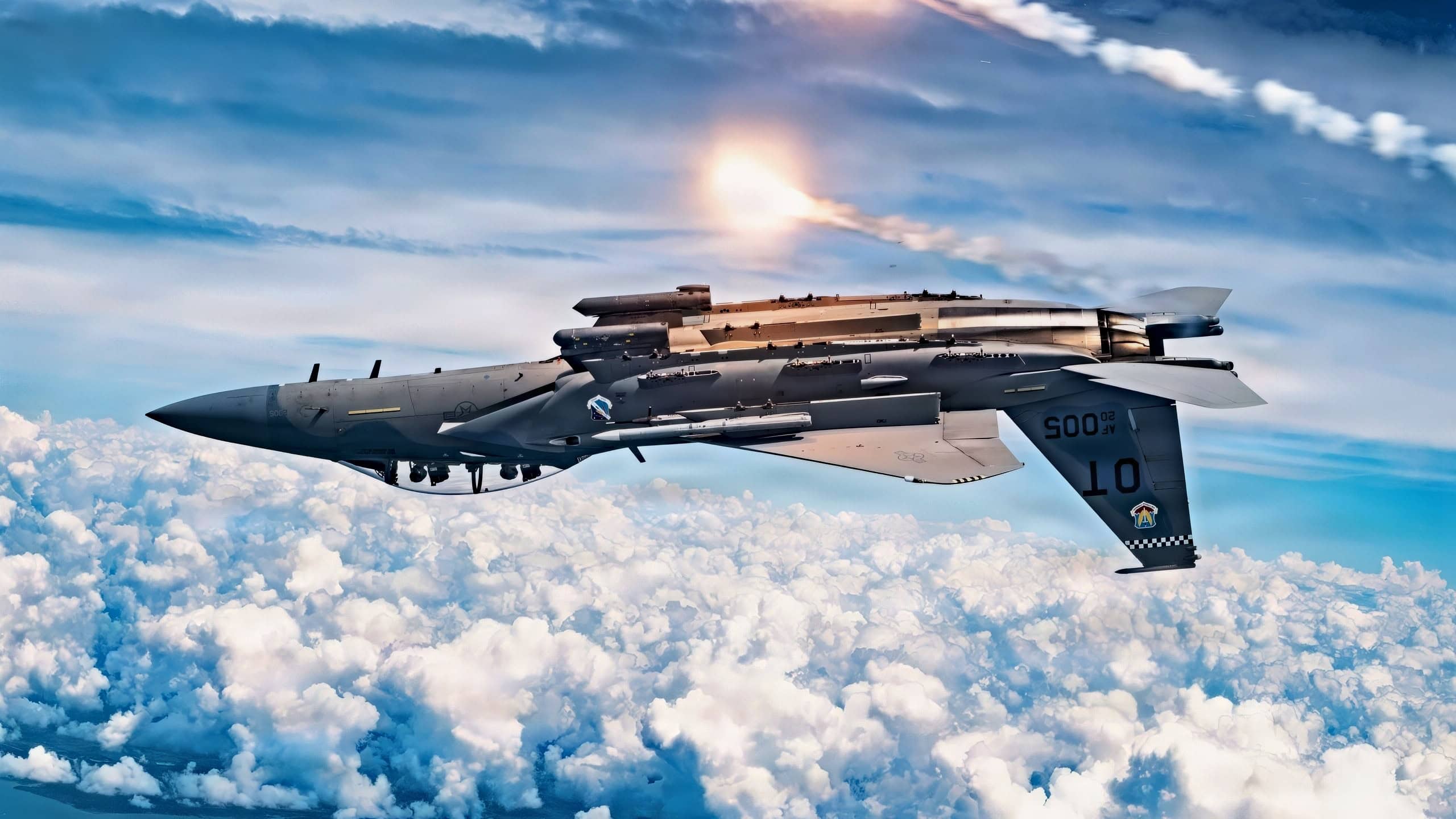
A U.S. Air Force F-15EX Eagle II assigned to Eglin Air Force Base, Florida, releases flares over the Gulf Coast, April 3, 2026. The 96th Test Wing and 53rd Wing perform developmental and operational test series on the platform including next-generation survivability, radars, sensors and networking capabilities. (U.S. Air Force photo by Tech Sgt Thomas Barley)
The U.S. president has basically said, “okay.” Not, of course, “okay” to Tehran’s demands—that would be as nutty as giving Custer a do-over at the Little Bighorn. Instead, Trump has basically said, “Okay, you get to decide when the war ends. When you are serious about just accepting defeat, call me.” In the meanwhile, the Iranian regime can continue to suffer all the uncomfortable results of a protracted struggle with America and its allies, debilitating punishment that has demolished Iran’s threat as the bully-in-chief of the region.
Further, Trump has switched it up, declaring that for now he is just going to sit back and tighten the anaconda-noose of economic pressure, tightening sanctions and the maritime blockade crippling Iran’s oil exports.
Careful What You Ask For
Iran wanted the prospects of a protracted conflict. Trump just handed it to them. Now what?
The IRGC wants to play the “string this out” card. The problem is that it is their only card.
They have one.
Trump has like 52.
Here are the consequences of Iran’s choice.
Economic Destruction. They might think making outrageous demands and declaring their willingness to do battle with the Americans makes the regime look tough and threatening to Iranians, allowing Tehran to tighten the regime’s stranglehold on a restive population. That narrative, however, is undermined by the suffocating pressure that the U.S. can exert with Operation Economic Fury which Tehran is virtually powerless to combat. U.S. Ambassador Mike Waltz declared Iran is more afraid of U.S. Treasury Secretary Scott Bessent than Defense Secretary Pete Hegseth. He could be right.
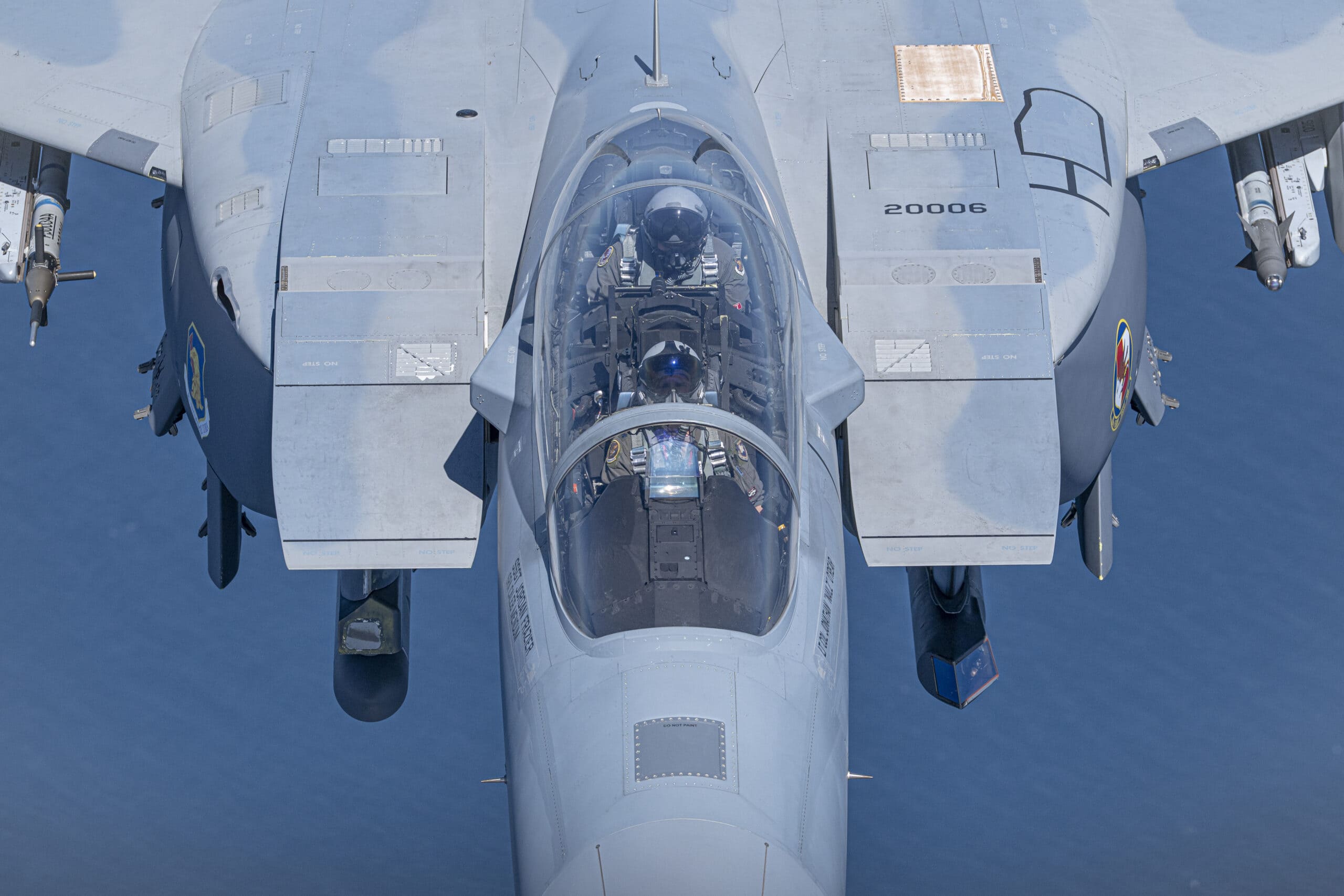
A U.S. Air Force F-15EX Eagle II flies over the Gulf of America, September 16, 2025. The F-15EX, from the 40th Flight Test Squadron at Eglin Air Force Base, Florida, is one of the first F-15EXs in the Air Force, and is going through developmental and operational test series at Eglin to confirm its operational capabilities before it is delivered to the combat Air Force. (U.S. Air Force photo by Tech Sgt. Jacob Stephens)
The regime might well survive extreme economic hardship. It has before. Still, that’s not the point. Destroying Iran’s economy, with inflation at an 80-year high in a country where a meal of “red meat is a dream,” is not going to weaken American resolve.
Strategic Irrelevance. In addition to the crippling of all its strategic threats from a nuclear program to a jihad full of proxies, Iran is seeing both its control of the Strait of Hormuz and its capacity to restrict oil and gas exports from the region slip away. The global spot price of oil may be bobbing up and down, but the IRGC goal of “get ready $200-a-barrel oil” seems as laughable as a Tim Walz run for the presidency.
Discarded by Friends. Sure, both Russia and China have helped the Iranian war effort, but it’s also clear neither has the means or the interests to help defeat Washington and its warfighting partners. In fact, the longer the war drags on, the more useless Iran is as an ally for either, and the more acute their embarrassment over their inability to act as a counterweight to American power in the region.
Likewise, BRICS isn’t worth sticks. The annual meeting collapsed without a consensus position on the war, strengthening the assessment that the organization has no geopolitical heft at all. No one is coming to bail out Tehran, and the longer the war drags on, the less likely anyone would even try.
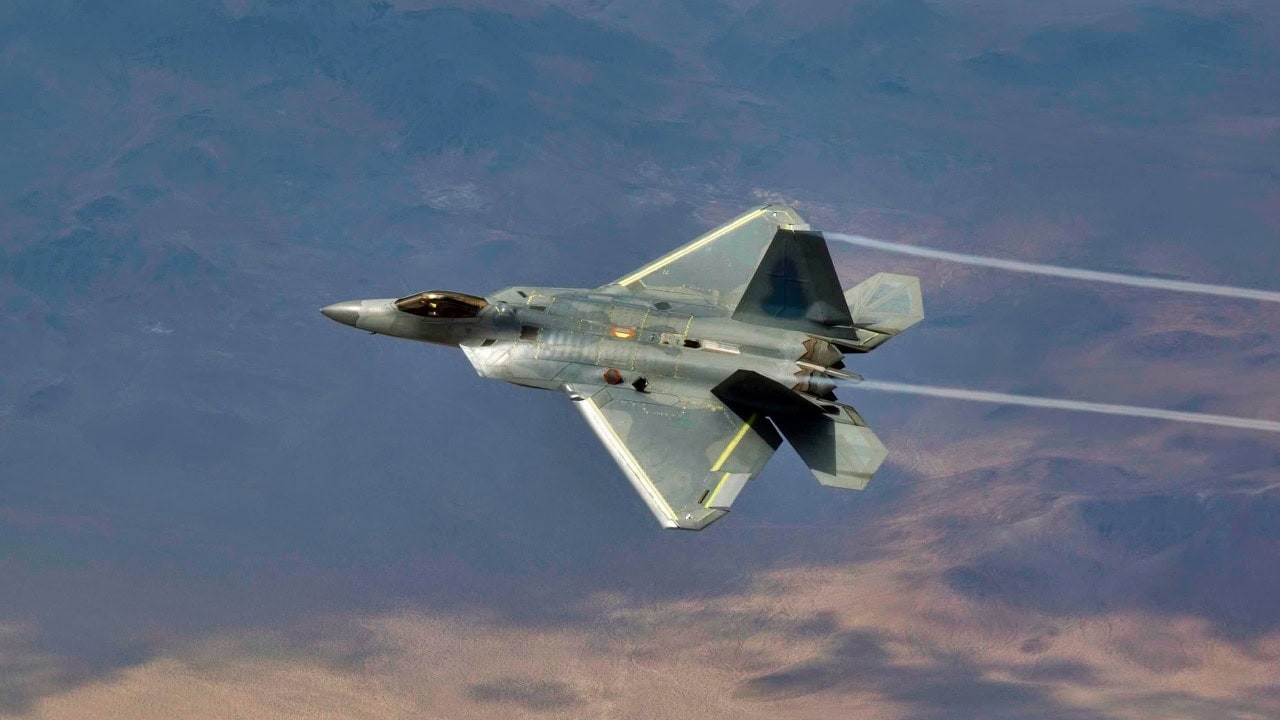
F-22 Raptor 4006 makes its second flight July 18 following an extensive refurbishment to get it back in the air. (Courtesy photo by Christopher Higgins/Lockheed Martin)
Outmatched by Enemies. Iran doesn’t really have sufficient combat power to take the war to their enemies in any major way. The U.S. won’t oblige by trying to fight a land war in Iran. What’s worse, Trump had promised “the biggest attack since World War II.” If the regime survived, they could have maybe claimed that as a kind of a win. For now, Trump has decided he won’t give them the chance. What’s more, the operational pause gives the U.S. forces a breather, time to rearm and refit, and take advantage of a slower operational tempo. For the Iranians, that means the longer the U.S. sits out there, the stronger they could become. If Trump does decide to go all out next time—that could be really bad for the IRGC.
Abandoned by Hope. The IRGC must have thought for sure by now Americans would have tired of this war like a Netflix series that just went on a season too long. They hope dragging the war into the midterms will be a nightmare for the White House. But there are no signs of that. Trump has already discounted the midterms, signaling he won’t change his strategy in hopes of turning a few seats in the next election. In Trump Time, Trump has two and a half years to watch Iranians play stupid games.
On the other hand, four more months of fighting are going to really hurt the regime in Tehran. Trump’s strategy is “derisking.” Every time the Iranians undertake an aggressive act, they take more capabilities off the table, extending the timeline it would take to rebuild their capacity to be the threat they were a year ago. By some measures, one additional day of allied offensive actions adds months, and in some cases years, of rebuilding for Iran. Someone should remind the IRGC—hope is not a strategy.
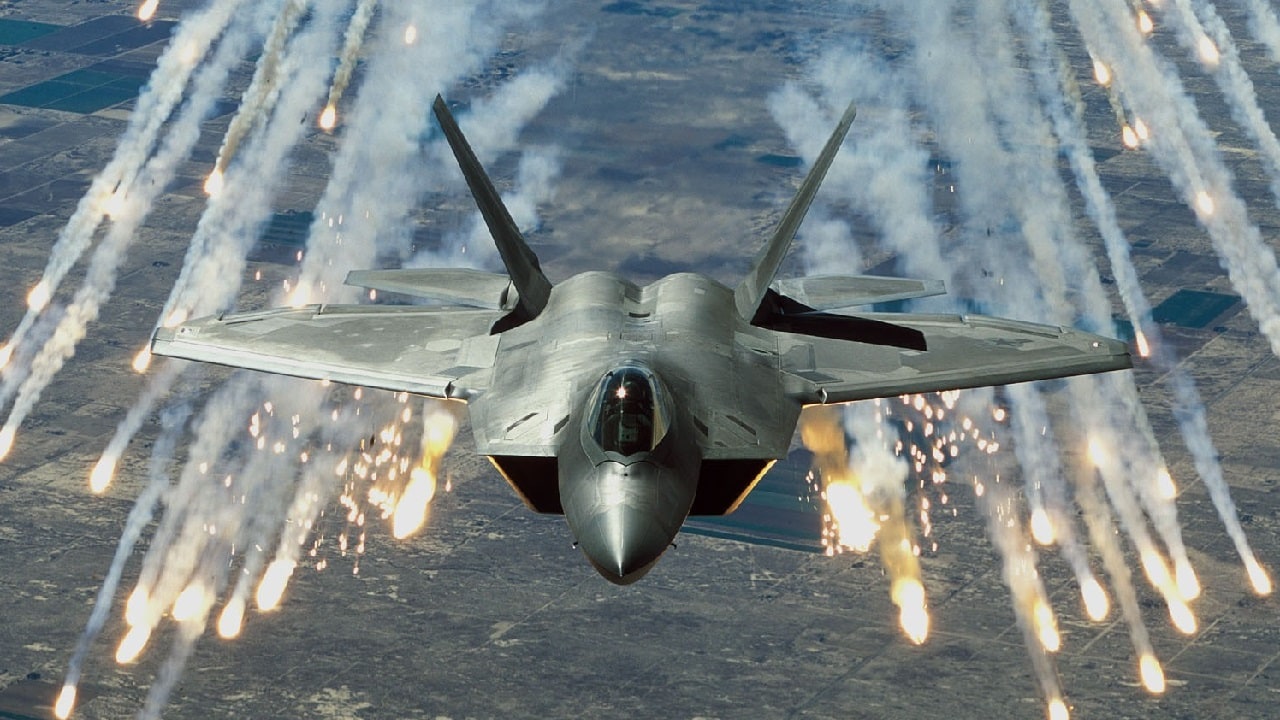
F-22 Raptor. Image Credit: Creative Commons.
Iran War: Between Strategy and Stupid
There are claims Trump’s strategy is “swirling in uncertainty.” Tom Friedman declared the president has “no idea how end this war.” Their perplexing complaint is that they don’t understand what he is doing. Well, you know what? The Iranians don’t seem to understand his strategy either. If they did, they would not keep making such stupid decisions. That enemies and critics are confused is not a measure of Trump’s weakness but of how clueless they both are.
That confusion may well continue. Trump has lots of options. He might well change tactics again, keeping both his enemies and his detractors off balance.
Meanwhile, undeterred, the president is adapting, improvising—yet resolutely moving toward his final objective, which appears to be letting the Iranians defeat themselves.
MORE – Russia Sold to Iran Black Hole Submarines
MORE – Iran Was Making 10,000 Drones a Month
About the Author: Dr. James Jay Carafano
James Jay Carafano is a national security expert and a 25-year Army veteran. His most recent books are Cold Combat: Mountain Warfare in Italy and the Battle of San Pietro, 1943, and Digital Dominance: Winning in a Socially Networked World. He is a 19FortyFive Contributing Editor. Carafano is also a Senior Counselor to the President and E.W. Richardson Fellow at The Heritage Foundation.