
Last week’s midterm elections were a rout for US President Donald Trump. Democrats took both houses of Congress, winning at least 54 Senate seats and, by one estimate, more than 250 House seats. As I argued here last week, foreign policy mattered this time. Even Vice President JD Vance admitted ‘the reason we lost is the war.’
The new Congress is seated in January. Change will probably be less than Democrats hope, but Congress’s power of the purse can rein in Trump’s building projects. Harder will be defunding the war against Iran.
Four changes loom:
Trump’s Vanity Projects are Dead
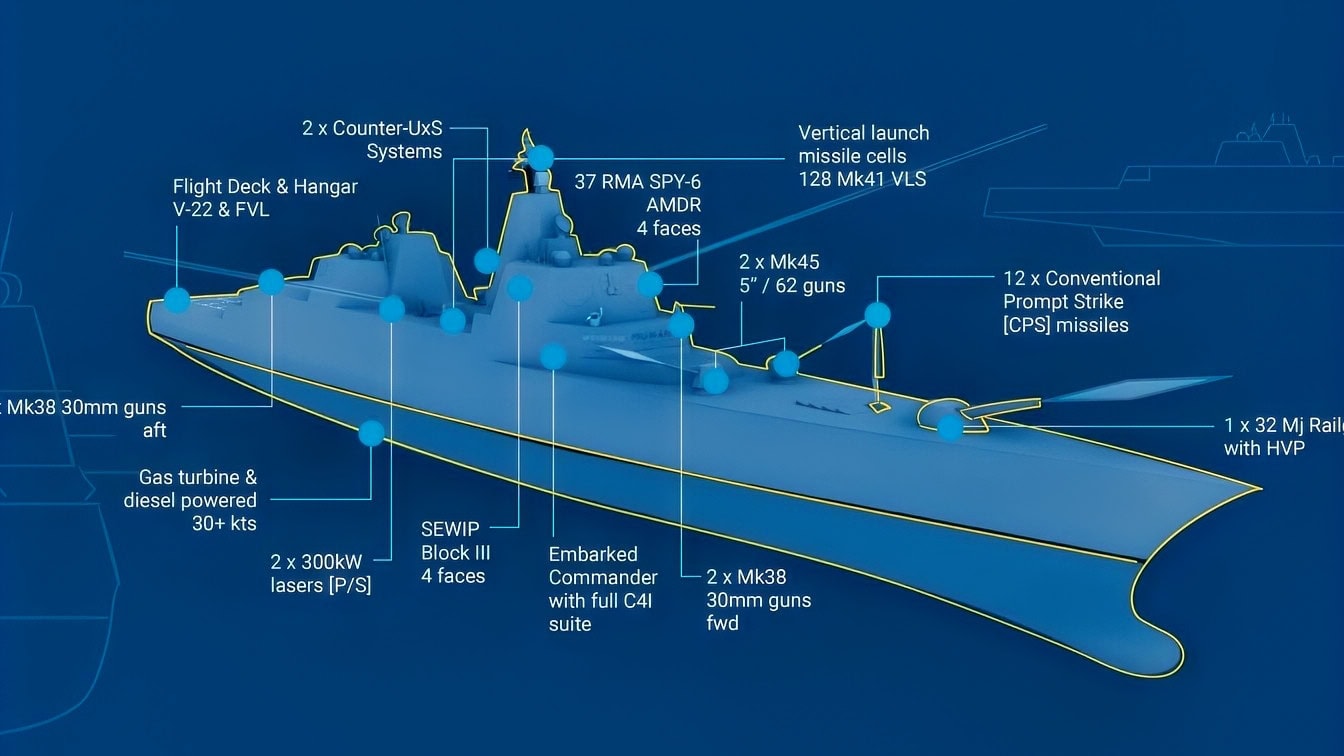
The Golden Dome missile shield and the Trump-class battleship will not survive.
Congress won’t fund new programs; both are expensive, unproven, and tied to him personally.
Golden Dome received roughly $25 billion last year and nearly all of its 2027 request. Democrats will not pass another Republican financing bill. The general running the program warned in August that without that money, ‘there’s no Golden Dome.’
Ground-based missile defense will survive. It is more promising. The space shield Trump promised almost certainly will not.
The battleship is certainly dead. The Congressional Budget Office thinks the first fifteen ships could cost $275 billion. Adam Smith, likely the next House Armed Services chairman, has called it ‘an ill-conceived vanity project.’
He is almost certainly right. Iran just showed that cheap drones and missiles can hold big American warships off a hostile coast. Bigger, pricier surface ships are exactly the wrong lesson to learn from the current war.
A Big Fight over Ukraine
Ukraine aid will be a brawl. Congress has passed no significant Ukraine aid since Trump returned to office, and Democratic aides call new money a top priority. Trump, who lifted sanctions on Russian diesel last month, will resist. That means veto threats.
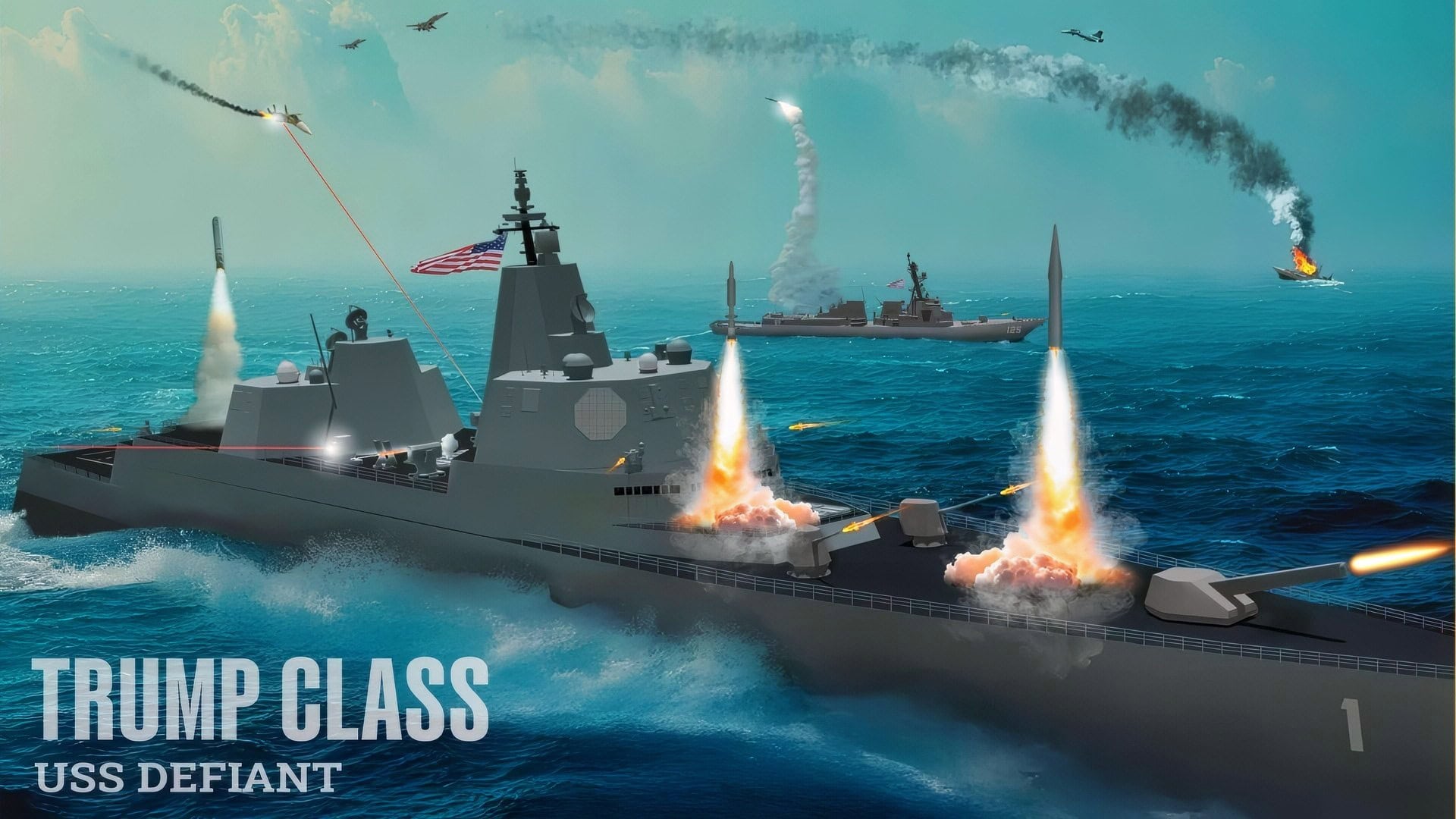
Trump-Class Battleship USS Defiant. Image Credit: Creative Commons.

Trump-Class Battleship. Image Credit: Creative Commons/White House.
Overriding a veto takes 67 senators and 290 representatives, so Democrats need roughly a dozen Republican senators and a few dozen House Republicans. In 2024, 101 House Republicans voted for Ukraine aid.
But the Democratic wave swept out pro-Ukraine Republicans like Susan Collins and Mike Lawler, while others, like Michael McCaul and Don Bacon, are retiring. The surviving Republican caucus is more MAGA, not less. Ukraine may get its money, but late and after an ugly fight.
Allies Will Go Around Trump
Allies will increasingly bypass the White House. European diplomats are planning a major push on Capitol Hill for Ukraine. Japan is expected to seek congressional statements of support against Chinese pressure. One European diplomat said they want something basic: ‘greater access to lawmakers with influence.’
Allies normally work through the president. When Benjamin Netanyahu went around Barack Obama to address Congress in 2015, it caused an uproar. Now it will be routine – a measure of how badly Trump has alienated America’s friends. But Congress cannot negotiate or command troops. Allies will win hearings, resolutions, and perhaps money – not a new American foreign policy.
An Inconclusive Fight over Iran War Funding
Funding the much-hated Iran war is the biggest test of Democrats’ new power. Congress will probably fall short. Smith says cutting war funding will be ‘one of the first things we do.’ Refusing Trump’s pending supplemental request of nearly $70 billion is easy. Convincing the American public that one is not ‘abandoning the troops’ is not.
Congress passed a war powers resolution this summer; Trump ignored it. In September, the Senate rejected another, 49-50. Two of the four Republicans who voted yes, Collins and Thom Tillis, will not be in the next Senate. Any funding ban must survive a veto and would ride on defense bills that also pay the troops.
Democrats have been here before. In 2007, fresh off a midterm victory driven by Iraq, they sent George W. Bush a war-funding bill with a withdrawal timetable. He vetoed it. They folded rather than be blamed for abandoning troops in the field. Expect hearings, subpoenas, and squeezed budgets – and a war that ends, or does not, on Trump’s schedule.
The imperial presidency survives but, thankfully, is reduced. Congress can kill Trump’s battleship. It cannot end his war.
Author: Dr. Robert Kelly, Pusan National University
Dr. Robert E. Kelly is a professor of international relations in the Department of Political Science and Diplomacy at Pusan National University in South Korea. His research interests include Northeast Asian security, U.S. foreign policy, and international financial institutions. He has written for outlets including Foreign Affairs, the European Journal of International Relations, and The Economist, and has appeared on television news services such as the BBC and CCTV. His personal website/blog is here; his Twitter page is here.