
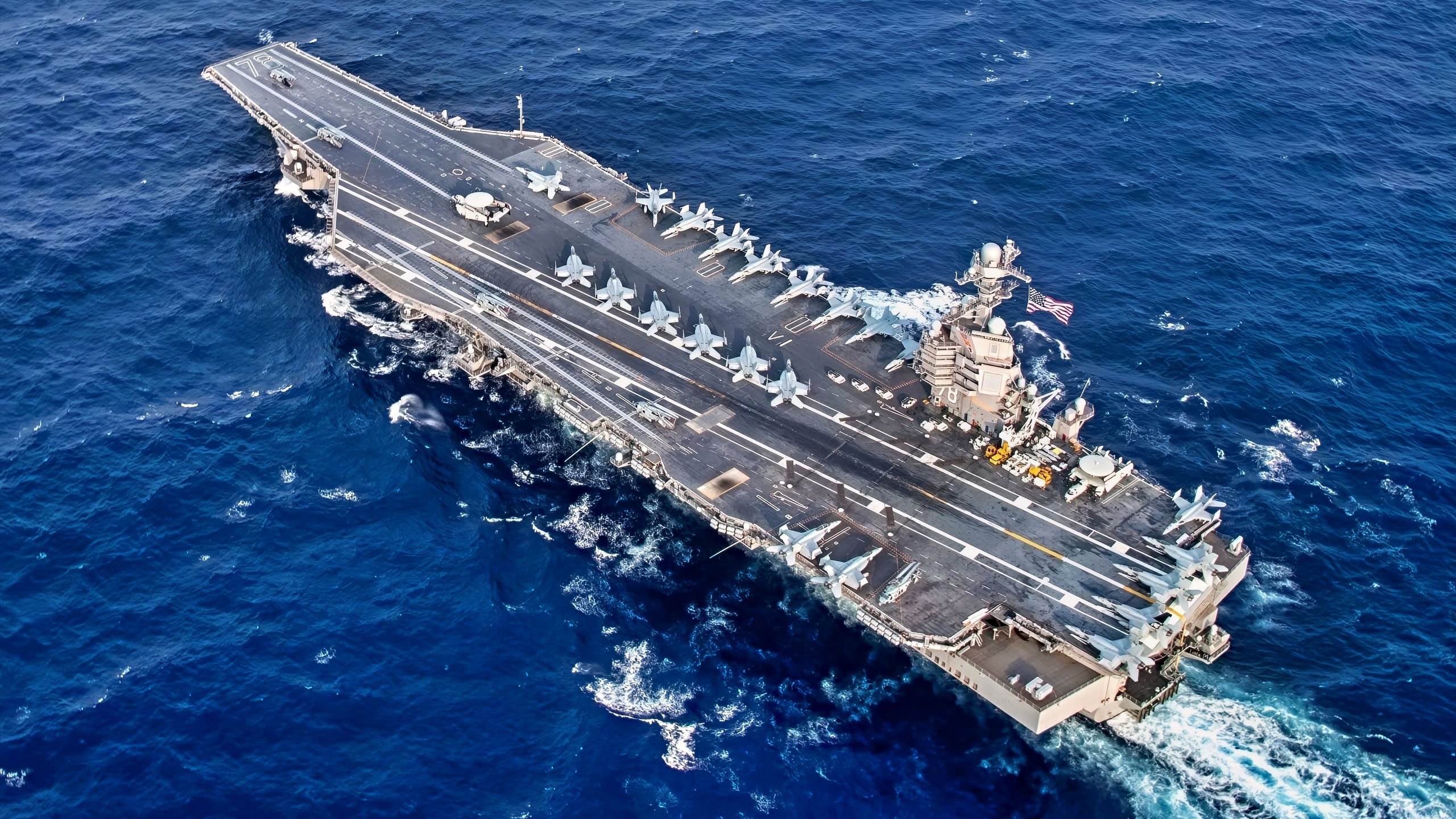
The curious, on-again-off-again US-Iran war of 2026 is a remarkable geopolitical outcome. For all its hard power, the US has been unable to force a decisive outcome on Iran, and it increasingly appears that US President Donald Trump will accept a war-ending deal including almost none of his stated war goals.
The proximate cause of this is Trump’s unwillingness to invade Iran on the ground to compel a decisive surrender, and the limits on US air assets – both missiles and missile interceptors – which have reduced US air options after months of indecisive strikes. This is a critical lesson for the US and its allies, because the US plans to fight China in East Asia in a similar way.
Just as Iran used anti-access/area-denial technologies to limit the maneuvering room of the US Navy in the region, we can expect China to do the same. Specifically, cheap Iranian air and sea power (drones, mines, missiles) made it too risky for the US Navy to open the Strait of Hormuz and operate near the Iranian coast. China, with its vastly greater resources and sophistication, can almost certainly do the same far better.
Iran Is Not Worth It
It should go without saying at this point that the US is squandering valuable weapons stocks in an unwinnable and unnecessary conflict with Iran. Air power has coercive limits, which have been researched again and again. Trump will not force a victory on Iran solely from the air.
If that were possible, it probably would have happened already. Nor will Trump invade Iran. Taking territory and destroying government capacity would bring Iran to its knees, but Trump will not do that. The possibility that such an invasion could devolve into an Iraq-style ‘forever war’ is high. That would destroy Trump’s presidency and legacy – as the Vietnam quagmire destroyed Lyndon Johnson’s.
The reason for Trump’s hesitation is obvious: Iran is not worth it. The stakes for the US are low. An Iranian victory in the war is not a serious loss for the US. Some consumer prices, particularly for gasoline, will rise because of Iran’s control of the strait, but that is it.
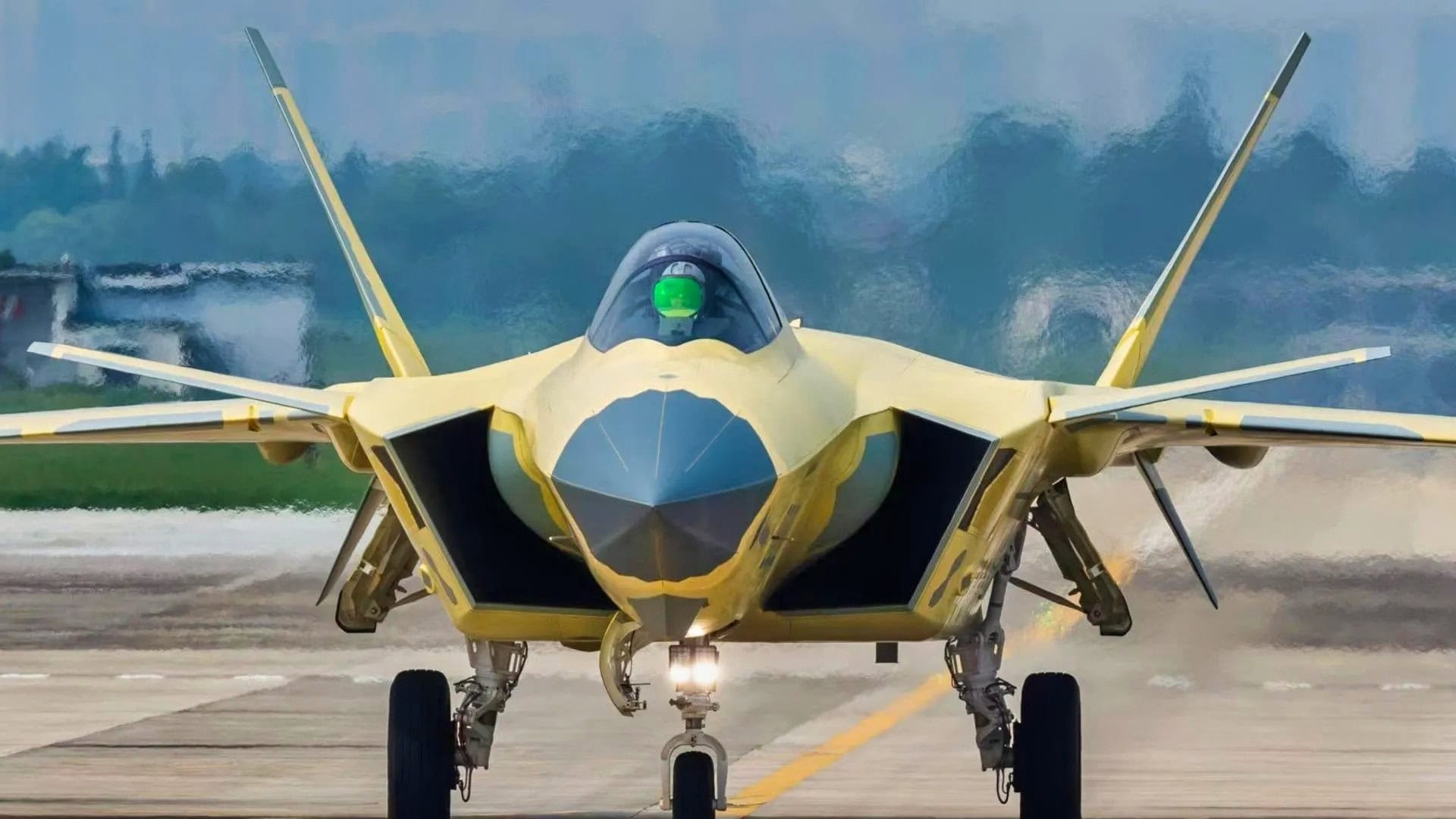
China J-20 Fighter. Image Credit: Creative Commons.
To be sure, the stakes are high for US local partners. Israel, the Saudis, Kuwait, and so on are deeply vested in the outcome and surely want an American victory. But they are not Americans, and Trump, an American president, is not going to take a huge risk (invasion) for foreigners.
China is Worth It
Competing with China, however, is worth it. Chinese regional domination in East Asia would be vastly more threatening to the US than Iranian hegemony in the Persian Gulf. Since Nicholas Spykman, US grand strategy has sought to prevent the emergence of a hegemon on either end of Eurasia.
Domination of either of these two industrialized, wealthy zones could create a large peer competitor—one large enough, perhaps, to even cross the ocean and threaten the US mainland. Accordingly, keeping fascist and communist states from dominating Eurasia was a central US goal in World War II and the Cold War.
Today, Russia is not a hegemonic threat in the West. The European Union has the resources to contest it.
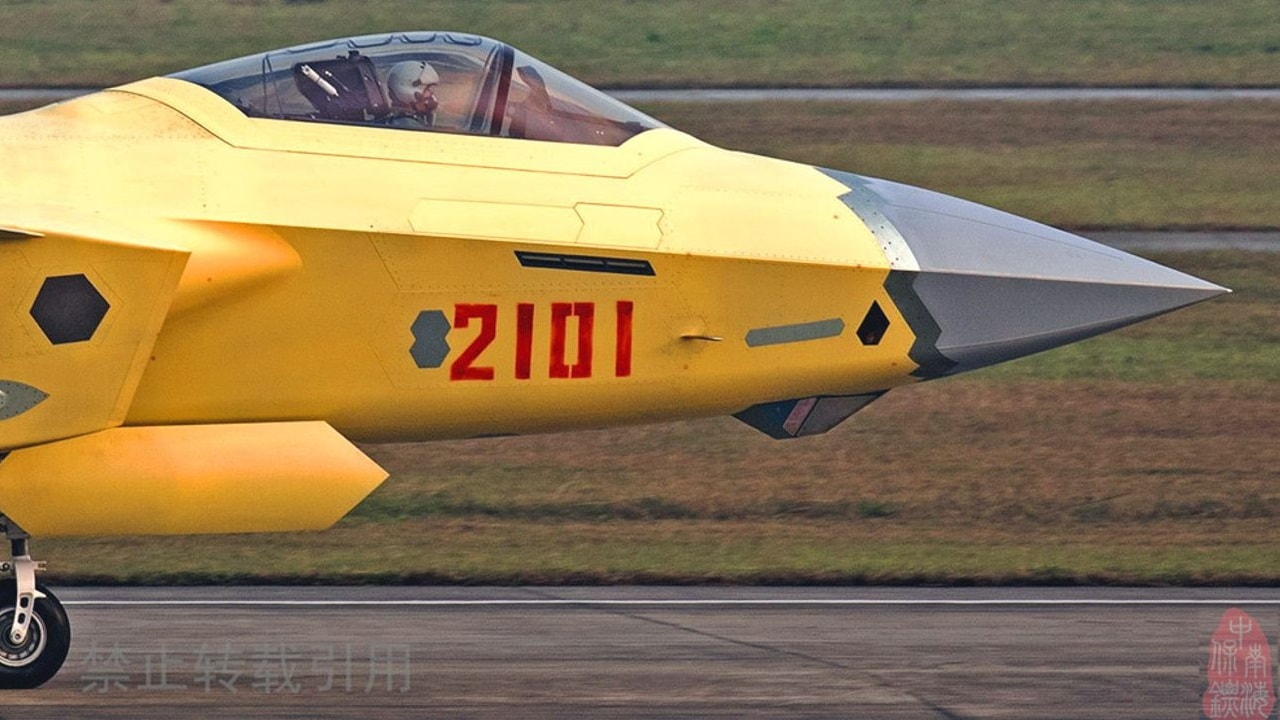
J-20 Stealth Fighter. Image Credit: Chinese Military.
But in the East, US allies are fewer, smaller, and more fractious. US power helps stiffen local resolve and tighten coordination.
But under Trump, those allies are less sure of US capabilities and resolve. Trump’s relentless attacks on US allies, including his tariff violations of ratified trade treaties, signal to US allies that he is unreliable, even hostile. And the US strategic defeat in the Iran war signals that the US may not have the capability to act even if it finds the resolve.
China will almost copy the Iranian playbook, using cheap, automated, and voluminous air and sea assets to drive back or sink America’s large, slow surface fleet. China’s ability to do this will be orders of magnitude better than Iran’s.
The egregious overuse of American exquisite assets in the Persian Gulf demonstrates just how unprepared the US is to fight this new kind of cheap drone warfare.
MORE – The A-10 Warthog Made Iran Pay at 3,900 Rounds Per Minute
MORE – The Ohio-Class SSGN Can’t Be Replaced
Author: Dr. Robert Kelly, Pusan National University
Dr. Robert E. Kelly is a professor of international relations in the Department of Political Science and Diplomacy at Pusan National University in South Korea. His research interests focus on Security in Northeast Asia, U.S. foreign policy, and international financial institutions. He has written for outlets including Foreign Affairs, the European Journal of International Relations, and The Economist, and has appeared on television news services such as the BBC and CCTV. His personal website/blog is here; his Twitter page is here.