
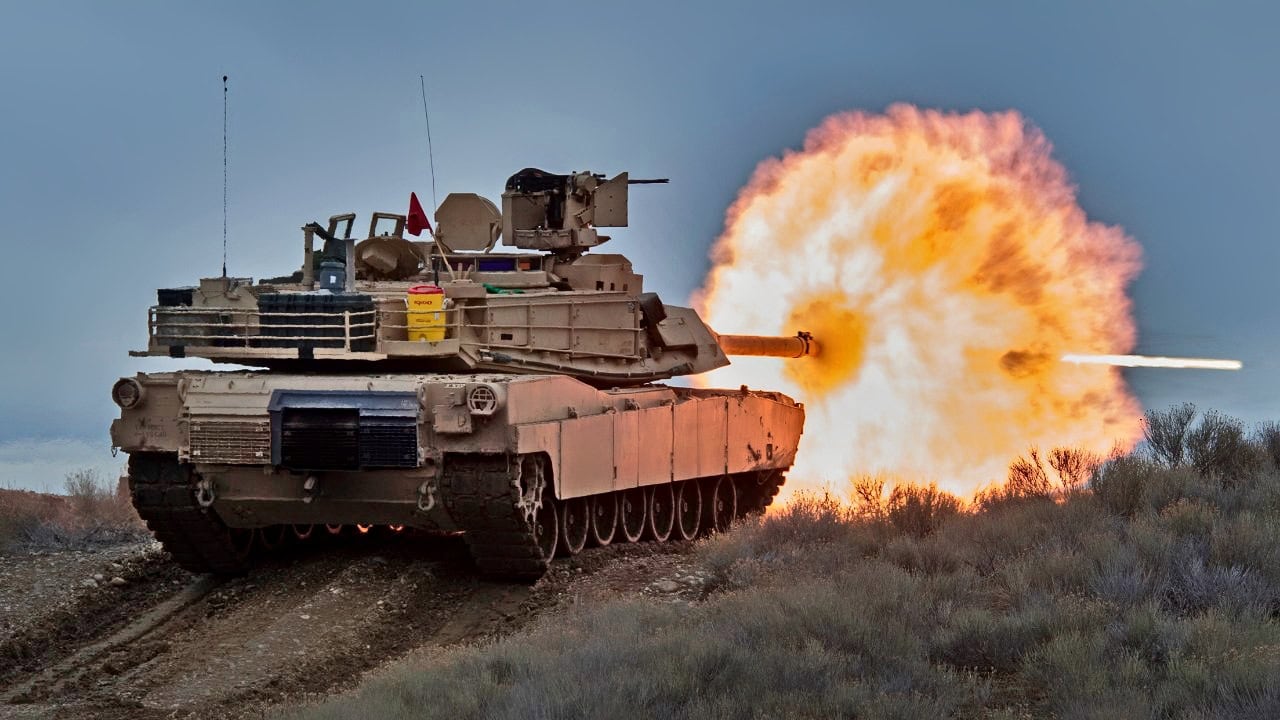
The Army’s decision to cancel the M1A2 SEPv4 Abrams wasn’t an abandonment of the Abrams program, but rather an admission that the existing tank could no longer be modernized indefinitely by simply adding more equipment, armor, and weight.
Granted, for the last four decades, that approach worked pretty well.
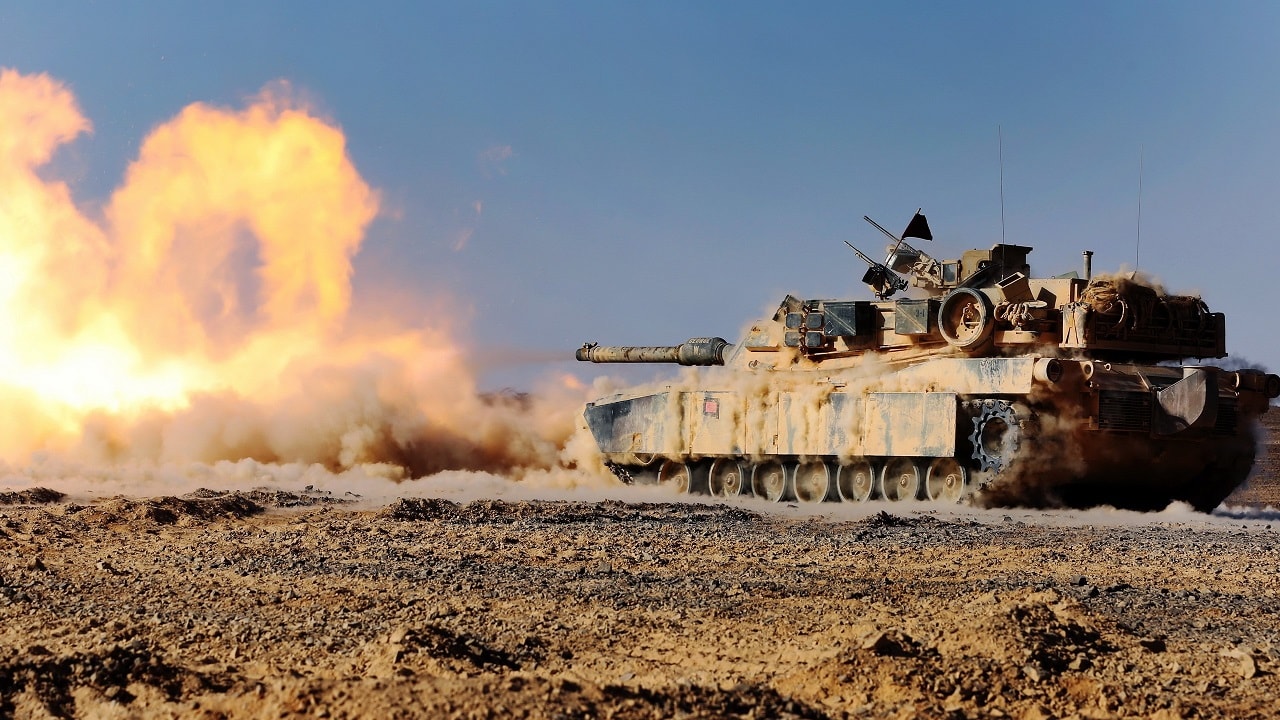
M1 Abrams Tank
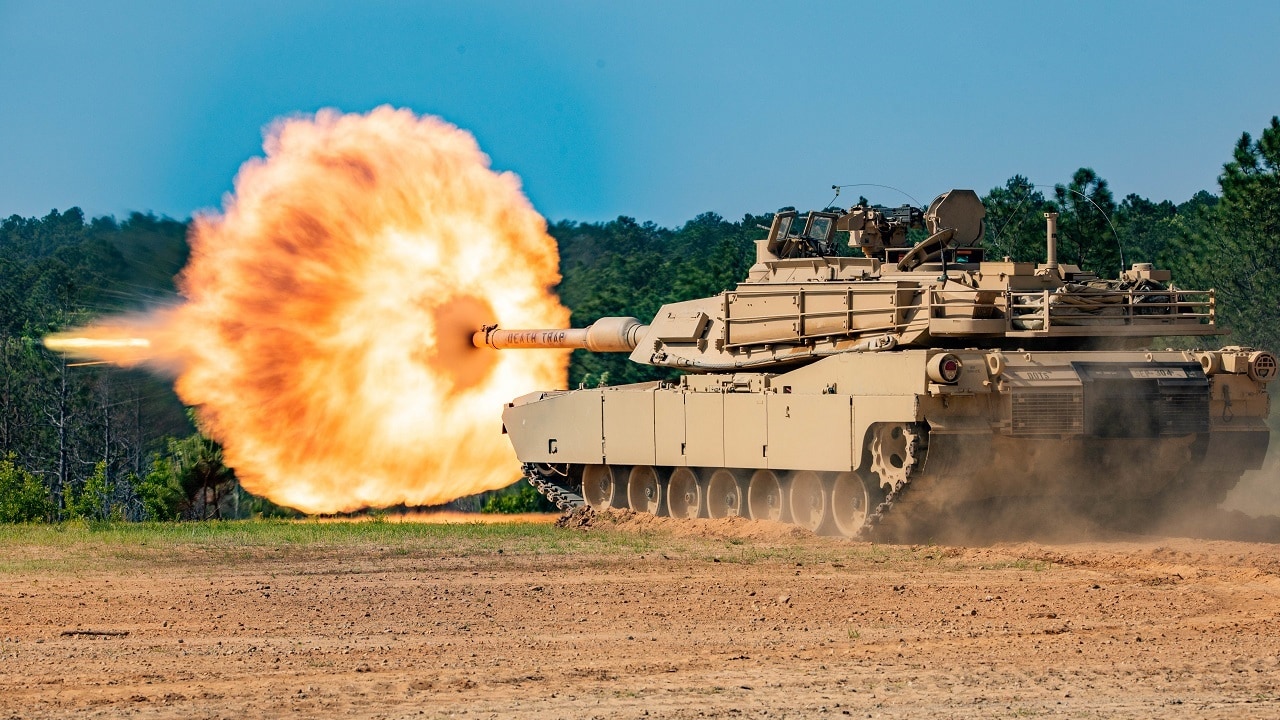
M1 Abrams. Image Credit: Creative Commons.
The Army got away with adding new armor, sensors, electronics, and defensive systems to keep an early 1980s tank relevant against continually evolving threats into the 21st century.
But by the SEPv3 generation, the Abrams had become remarkably heavy at a time when Ukraine demonstrated that even heavily armored tanks face threats from FPV drones, top-attack weapons, and ubiquitous, persistent battlefield surveillance.
So in September 2023, the Army halted SEPv4 development in favor of a more fundamental M1E3 Abrams redesign.
The Army’s basic calculation here was that rather than spend billions perfecting another incremental version of the existing tank, it made more sense to take the SEPv4 technologies worth keeping and plant them inside a lighter, more survivable tank designed around future threats from the beginning.
A Little Bit of a Weight Problem
Perhaps the most notable manifestation of the problem that the Abrams’ incremental upgrades faced was weight. The updated versions were just too heavy.
The original Abrams entered service at roughly 60 tons, but that figure increased and increased over time as equipment was added.
The current M1A2 SEPv3 approaches the low-to-mid-70-ton range depending on configuration, especially once protection systems are installed. SEPv4 threatened to continue that trend as more electronics, sensors, and protection were incorporated.
That creates problems extending well beyond whether the engine can physically move the tank.
More weight means greater fuel consumption, increased wear on track and suspension, more difficult recovery when a vehicle becomes disabled, greater demands on transport, fewer bridges capable of supporting the vehicle, and more complicated strategic deployments.
So even though an Abrams might possess superb tactical mobility once it reaches the battlefield, getting a 70+ ton vehicle to and around the battlefield becomes increasingly difficult—ultimately limiting the platform’s deployability.
Ukraine Changed the Math
The ongoing war in Ukraine reinforced another problem: adding conventional armor doesn’t necessarily address the threats tanks face on the battlefield today.
Historically, tank protection concentrated heavily on the frontal arc, where enemy tanks and anti-tank weapons were expected to attack.
But today, with the emergence of FPV drones and loitering munitions, which can instead approach from above or behind from unusual angles, tanks are being attacked in their most vulnerable areas.
These cheap drones, in addition to attacking the tanks’ weak spots, provide persistent reconnaissance, making armored formations increasingly difficult to conceal.
The result is an environment in which surviving in armor requires a different skill set.
Future tanks will need protection against 360° and top-attack threats, as well as electronic warfare, active protection, and reduced signatures.
The Abrams reached a point where it can no longer grow its capabilities without adding weight. Future tanks will need to integrate their protection and equipment from the start, not bolt it on after the fact.
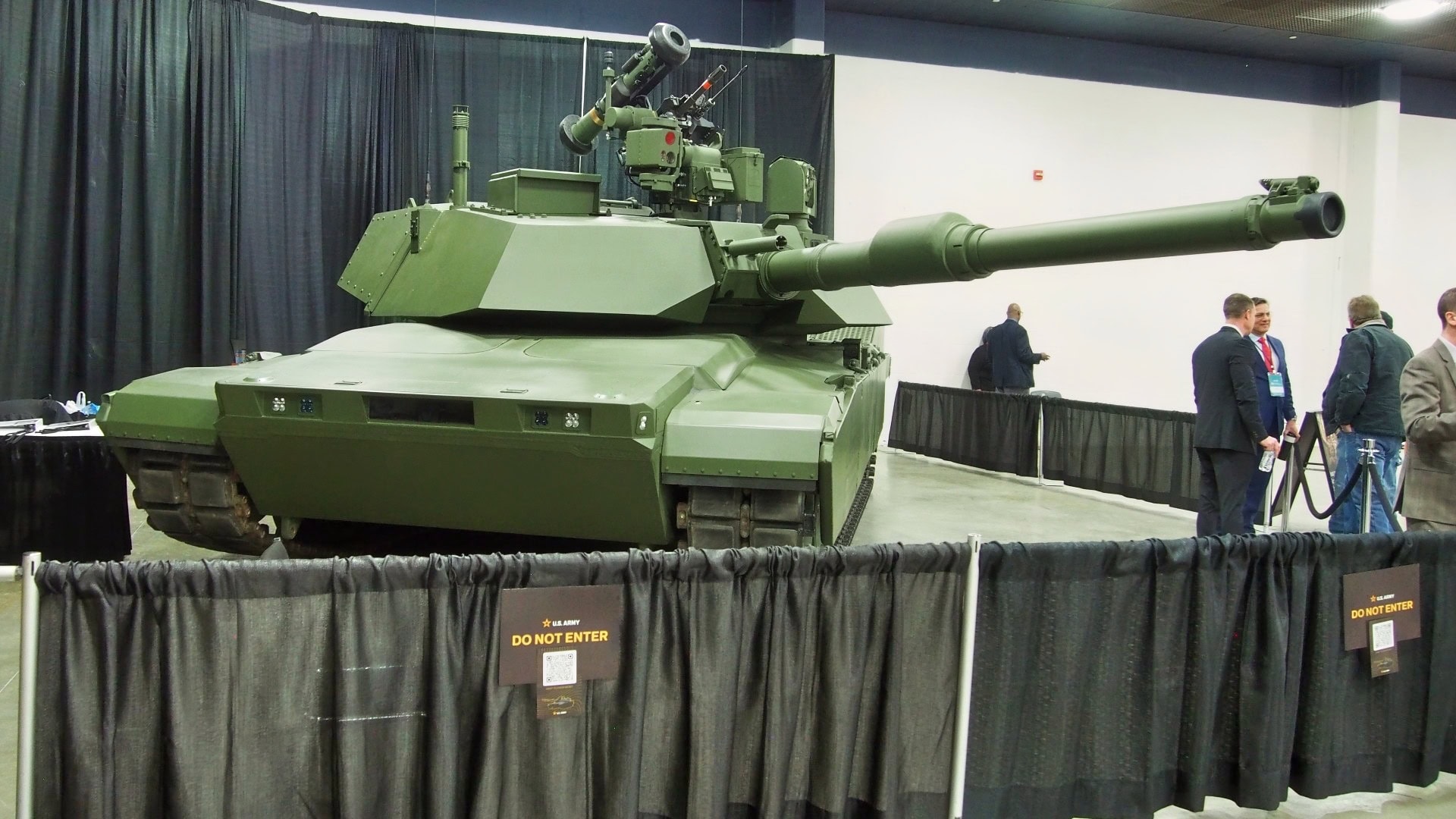
M1E3 Abrams Tank. Taken by 19FortyFive.com
Diminished Returns
The Abrams modernization philosophy increasingly involved adding systems to an architecture that was designed during the Cold War.
Active protection systems such as Trophy can dramatically improve survivability, but they also require radar, launchers, power, wiring, and support structure.
Counter-drone equipment and electronic warfare create additional demands for electricity and cooling, and better sensors and networking equipment do the same.
Each individual improvement may make sense, but collectively, this series of improvements creates a tank that becomes heavier, more complicated, and harder to sustain.
SEPv4 therefore risked solving individual tactical problems while making the overall vehicle increasingly difficult to operate.
The Army recognized that while they could produce an excellent SEPv4 today, the platform would have limited upside against further -evolved threats. Basically, the tank would have been fine for 2030, but not 2040. Future armor will likely require increasingly powerful active protection systems, electronic warfare, counter-drone capabilities, networked sensors, onboard computers, and power generation.
These new systems could not be squeezed into the existing Abrams architecture without creating additional weight and power-generation problems.
MORE – The M10 Booker Light Tank Has No Future
About the Author: Harrison Kass
Harrison Kass is a writer and attorney focused on national security, technology, and political culture. His work has appeared in Tablet, City Journal, The Hill, The Spectator, and The Cipher Brief. He holds a JD from the University of Oregon and a master’s in Global & Joint Program Studies from NYU. More at harrisonkass.com.