
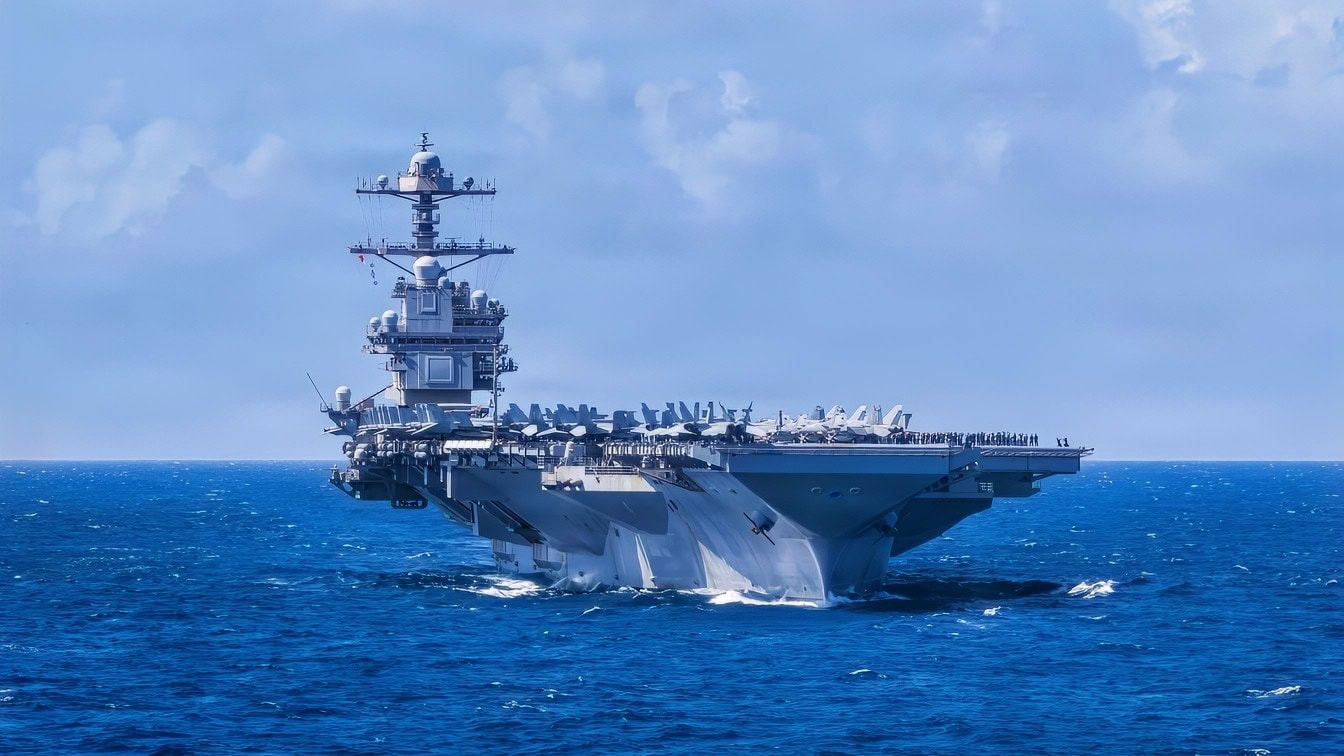
Trump Wants To Replace EMALS With Older Steam Catapults for New Ford-class Aircraft Carrier: Mistake? The Gerald R. Ford-class aircraft carriers are the US Navy’s replacement for the Nimitz-class supercarriers. The US relies on its carrier strike groups for power projection worldwide, and the Ford class is considered the most advanced aircraft carrier ever, but it has been beset with issues.
However, President Trump ordered the U.S. Navy last week to scrap the modern electromagnetic catapult system on aircraft carriers used to launch fighter planes and revert to steam catapults. Many military analysts believe that this will set back Ford-class carriers under construction by several years and add billions to the cost of the ships.
The president directed Pentagon chief Pete Hegseth to submit a plan within 60 days to re-equip Ford-class aircraft carriers, such as the USS Doris Miller (CVN-81) currently under construction and slated to be delivered in 2034, with the older steam-powered catapult and hydraulic systems instead of the newer Electromagnetic Aircraft Launch System (EMALS) and Advanced Weapons Elevators.
“The Department of War shall restore both capacity and competition to the maritime industrial base as it expands our naval force structure,” Trump said in the released memo.
”It will use proven, reliable and affordable technologies and ship designs, as well as award contracts that enable purchases from foreign suppliers in the near term while simultaneously incentivizing investment in America’s shipbuilding industrial base, consistent with other major equipment purchases such as icebreakers,” the president added.
The Ford Is State of the Art But Beset With Problems
Problems with Ford-class reactors have included significant integration issues and cost overruns due to the integration of new, complex systems.
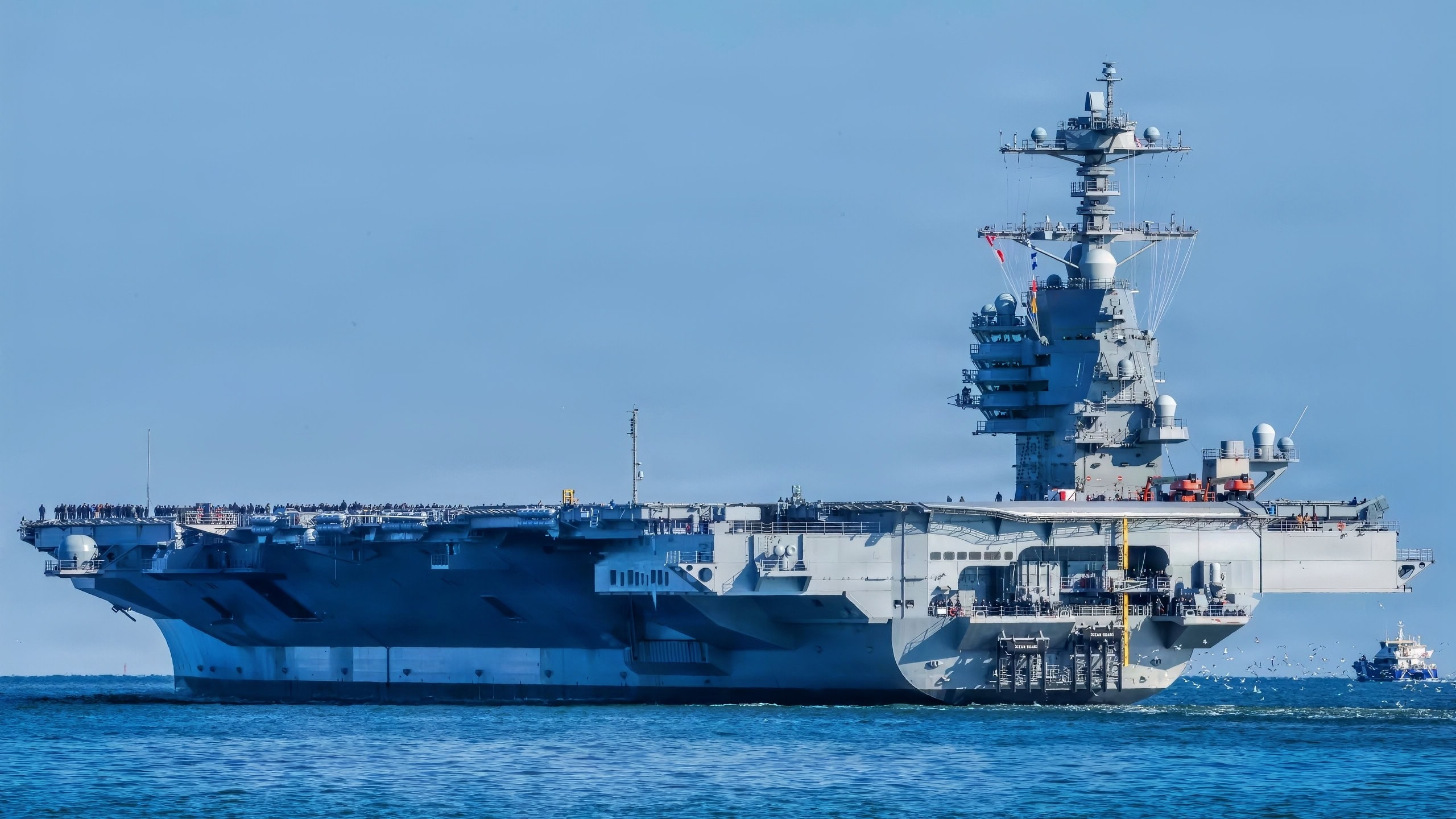
Pre-Commissioning Unit John F. Kennedy (CVN 79) transits the James River as the ship departs for Builder’s Trials, Jan. 28, 2026. Builder’s Trials provide an opportunity to test ship systems and components at sea for the first time, and make required adjustments prior to additional underway testing. (U.S. Navy photo by Mass Communication Specialist Seaman Jayden Howard)
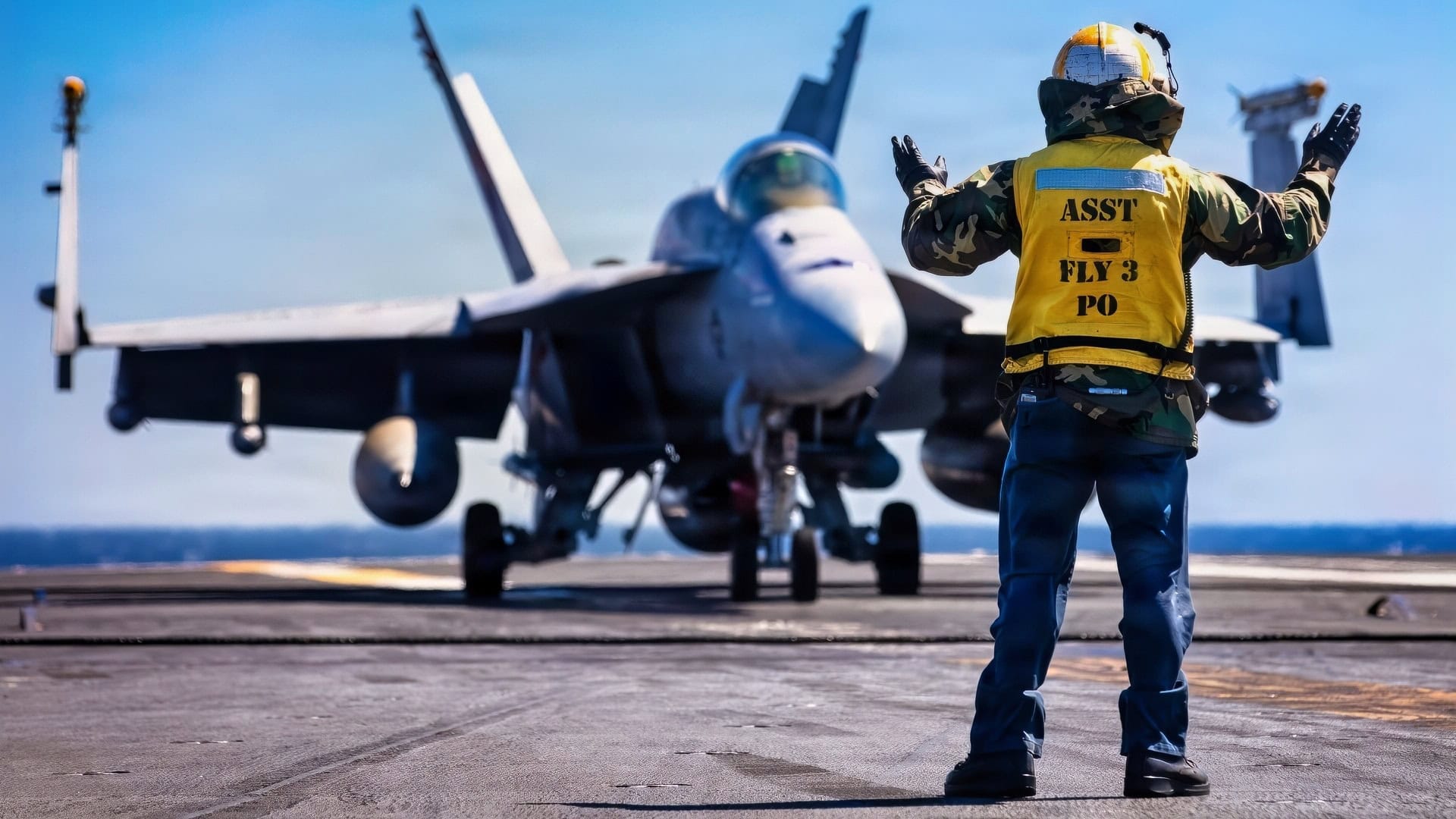
A U.S. Sailor signals to an F/A-18E Super Hornet aircraft, attached to Strike Fighter Squadron 31, on the flight deck of the world’s largest aircraft carrier, USS Gerald R. Ford (CVN 78), while underway during Operation Epic Fury, March 9, 2026. (U.S. Navy photo)
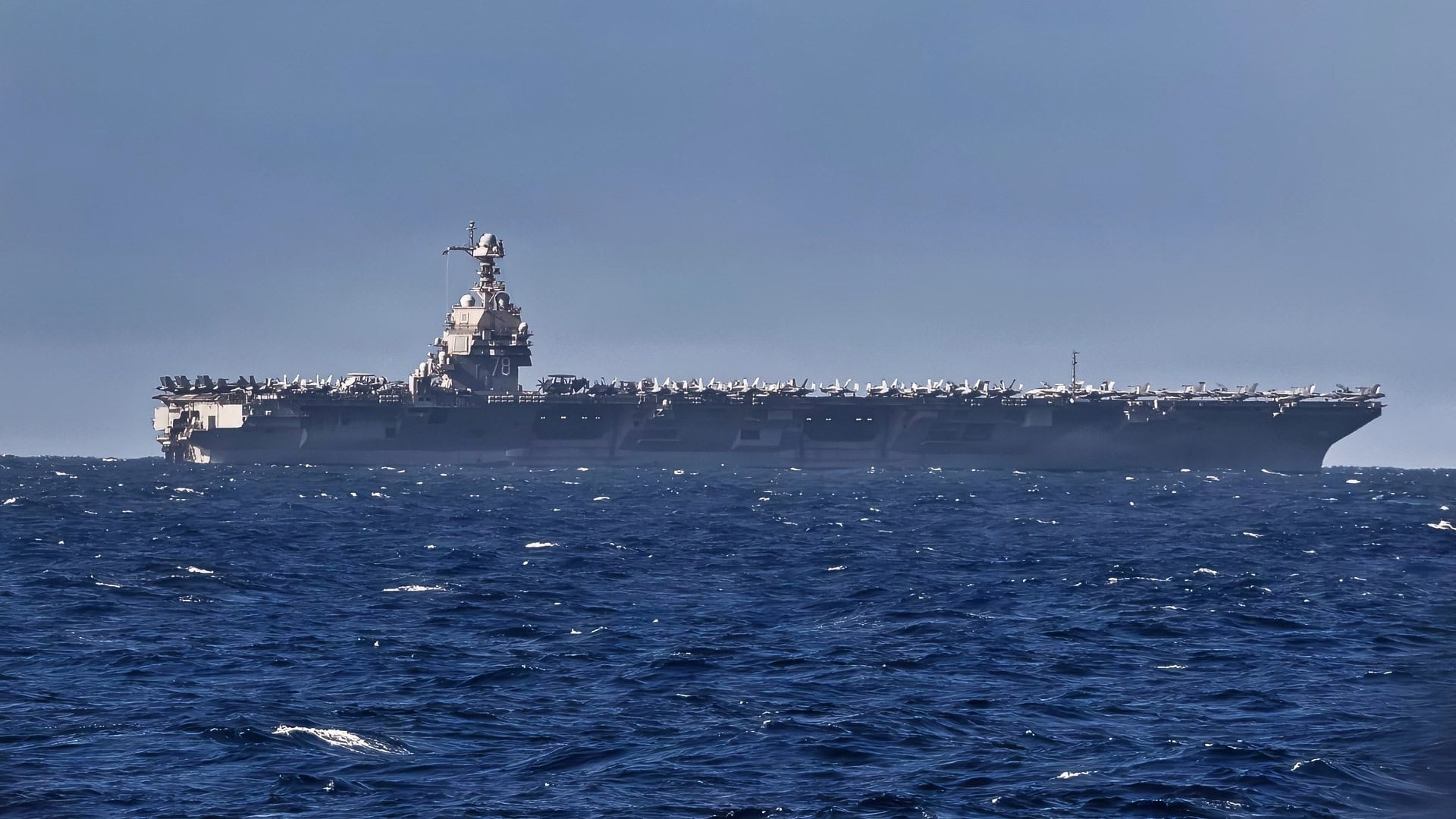
The world’s largest aircraft carrier, USS Gerald R. Ford, as seen from Arleigh Burke-class guided missile destroyer USS Bainbridge (DDG 96) before a replenishment-at-sea with Henry J. Kaiser-class fleet replenishment oiler USNS Kanawha (T-AO 196) while underway during Operation Epic Fury, Mar. 8, 2026. (U.S. Navy Photo)
Specific technical challenges with the Ford-class carrier aircraft include reliability and maintenance issues with its new electromagnetic systems, specifically the Electromagnetic Aircraft Launch System (EMALS) and Advanced Arresting Gear (AAG), which have delayed operational readiness and sortie generation rates.
Other significant challenges include complex, often-failing Advanced Weapons Elevators (AWEs), production delays due to technology integration and a shortage of skilled labor, and the complexity of integrating numerous new technologies simultaneously.
The Electromagnetic Systems (EMALS and AAG) Have Issues
Ford-class carriers offer significant advancements over Nimitz-class carriers, including an all-electric power system and electromagnetic aircraft launch systems (EMALS) for more efficient flight operations, a more automated design that reduces crew size and maintenance needs, and advanced defensive systems such as radar and the ability to integrate future technologies.
The Electromagnetic Aircraft Launch System (EMALS) is more efficient, smaller, lighter, more powerful, and easier to control.
Increased control means EMALS can launch both heavier and lighter aircraft than those launched by a steam catapult. Additionally, using a controlled force will reduce stress on the airframe, resulting in less maintenance and a longer lifespan. The Nimitz-class’s power limitations make installing the recently developed EMALS impossible. The EMALS can generate 25 percent more sorties than the old catapults.
The Ford-class carrier carries up to 90 aircraft, including the F-35 Joint Strike Fighter, F/A-18E/F Super Hornet, E-2D Advanced Hawkeye, EA-18G Growler electronic attack aircraft, MH-60R/S helicopters, as well as unmanned air and combat vehicles.
The requirement for a higher sortie rate of 160 per day, with surges up to 220 during crises and periods of intense air warfare, led to design changes to the flight deck.
However, reliability issues have hampered both EMALS and AAG. These have been less reliable than expected, with frequent breakdowns and software integration issues.
The AAG, or Advanced Arresting Gear, is a key technology on the US Navy’s Ford-class aircraft carriers, replacing the older hydraulic systems of the Nimitz-class carriers.
It uses an electromagnetic, water-turbine-based system to recover aircraft, offering more precise control and allowing a wider range of aircraft, including drones, to land on the carriers.
The AAG, along with the new EMALS catapults, is part of a larger effort to increase the carrier’s sortie rate and reduce manning and maintenance requirements.
“The reliability and maintainability of CVN 78’s EMALS and AAG continue to adversely affect sortie generation and flight operations, which remain the greatest risk to demonstrating operational effectiveness and suitability in IOT&E,” one report reads. The advanced systems require specialized knowledge and tools that are not yet widely available to carrier crews.
Limited operational flexibility issues persist. Early testing revealed that the AAG struggled to safely recover lighter aircraft, such as drones, limiting its flexibility.
Advanced Weapons Elevators (AWE)
The complex new elevators have experienced significant delays and integration issues, which are major factors driving up costs for subsequent carriers.
“We have a full court press on the advanced weapons elevators,” said the Honorable James Geurts, assistant secretary of the Navy for research, development, and acquisition.
“We’ve gathered a team of experts on the carrier right now, which will work with the shipbuilder to get Ford’s weapons elevators completed in the most efficient timeline possible — they will also recommend new design changes that can improve elevator activities for the rest of the Ford class.
“This team of experts in electromagnetic systems, fabrication and production control, software, systems integration, and electrical engineering will focus on completing the production of the remaining elevators on CVN 78 and recommending design changes for future ships in the class.
“In doing so, they will execute corrective actions and adapt best practices to ensure the completion of the Advanced Weapons Elevators in support of the USS Gerald R. Ford’s operations.”
The Cost of Changing Back Would Be Prohibitive
A potential move to revert to older technologies, such as steam catapults, would be extremely costly and further delay the project. Steam catapults are no longer in production, and restarting them after 20 years would be expensive.
President Trump’s announcement and subsequent design changes could set the USS Doris Miller back until the end of the next decade, Bryan Clark, a senior fellow at the Hudson Institute, said to CNN. The cost, he added,“will probably be into the billions.”
“The electromagnetic ones have proven themselves to be easier to operate and less expensive in terms of personnel and maintenance. So the Navy has saved $100 million a year on the Ford-class carrier,” Clark added.
General Atomics, the California-based company that has a $1.2 billion contract to build the EMALS and Advanced Arresting Gear (AAG) for the USS Doris Miller, warned that the decision not to proceed with EMALS on the ship “warrants careful reconsideration.”
“With nearly 50 percent of production complete, changing course now would introduce significant cost, schedule, and integration risks,” the company said in a release shortly after the president’s memo was released.
The Ford-class of supercarriers is expected to take the US Navy into the next 50 years of sea power dominance.
About the Author: Steve Balestrieri
Steve Balestrieri is a National Security Columnist. He served as a US Army Special Forces NCO and Warrant Officer. In addition to writing on defense, he covers the NFL for PatsFans.com and is a member of the Pro Football Writers of America (PFWA). His work was regularly featured in many military publications.