
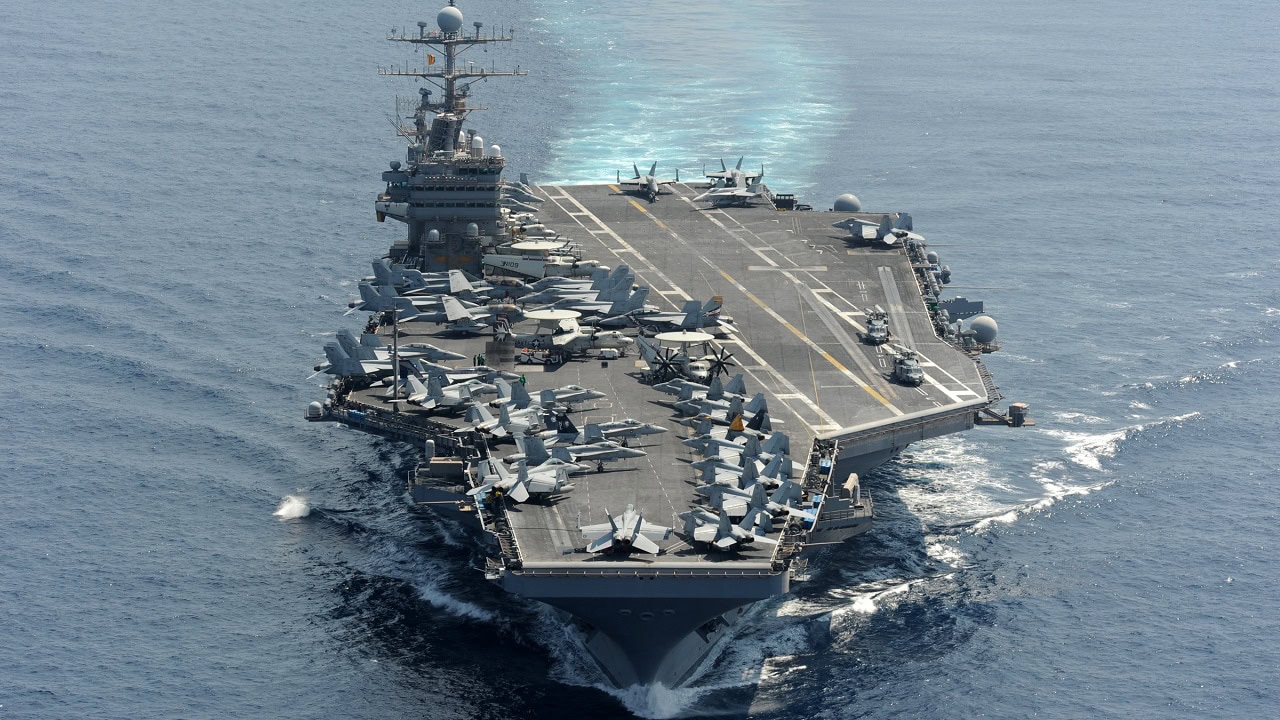
USS Abraham Lincoln Is Showing the Strain of the Iran War – The U.S. Navy is finally preparing to bring the nuclear Nimitz-class aircraft carrier USS Abraham Lincoln home after its deployment to the Middle East stretched to more than 260 days. The news comes amid reports of major supply problems and deteriorating living conditions, and public criticisms from family members of sailors aboard the nuclear-powered aircraft carrier suffering from mental health problems.
U.S. President Donald Trump confirmed on Friday, August 14, that another carrier would be sent to replace the Lincoln, which has been supporting U.S. operations against Iran and the naval blockade of Iranian ports for months. Acting Navy Secretary Hung Cao said that the ship would “return home soon” as part of a planned rotation.
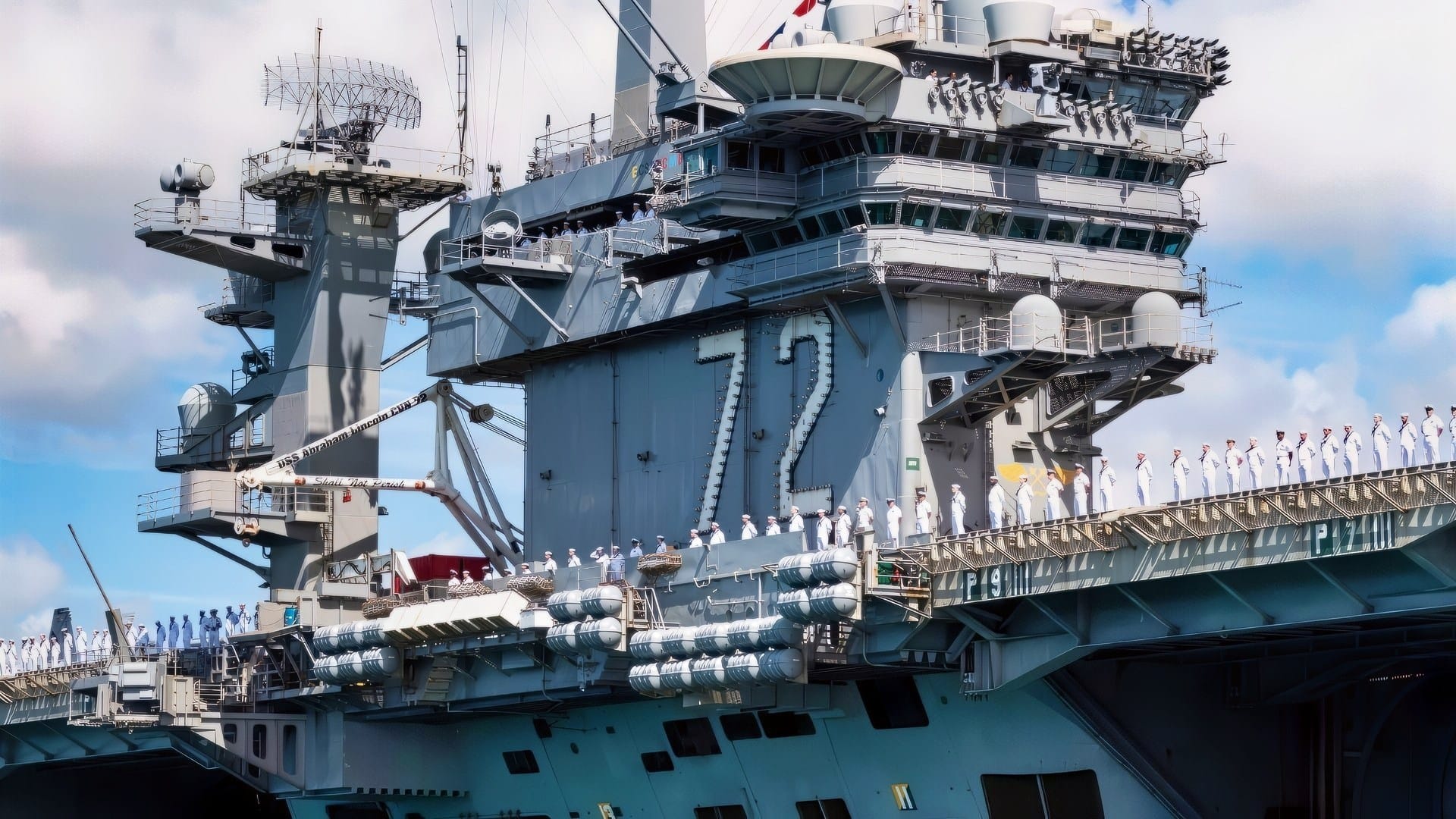
(June 28, 2022) – Nimitz-class aircraft carrier USS Abraham Lincoln (CVN 72) arrives at Joint Base Pearl Harbor-Hickam to participate in Rim of the Pacific (RIMPAC) 2022, June 28. Twenty-six nations, 38 ships, four submarines, more than 170 aircraft and 25,000 personnel are participating in RIMPAC from June 29 to Aug. 4 in and around the Hawaiian Islands and Southern California. The world’s largest international maritime exercise, RIMPAC provides a unique training opportunity while fostering and sustaining cooperative relationships among participants critical to ensuring the safety of sea lanes and security on the world’s oceans. RIMPAC 2022 is the 28th exercise in the series that began in 1971. (U.S. Navy photo by Mass Communication Specialist 1st Class Devin M. Langer)
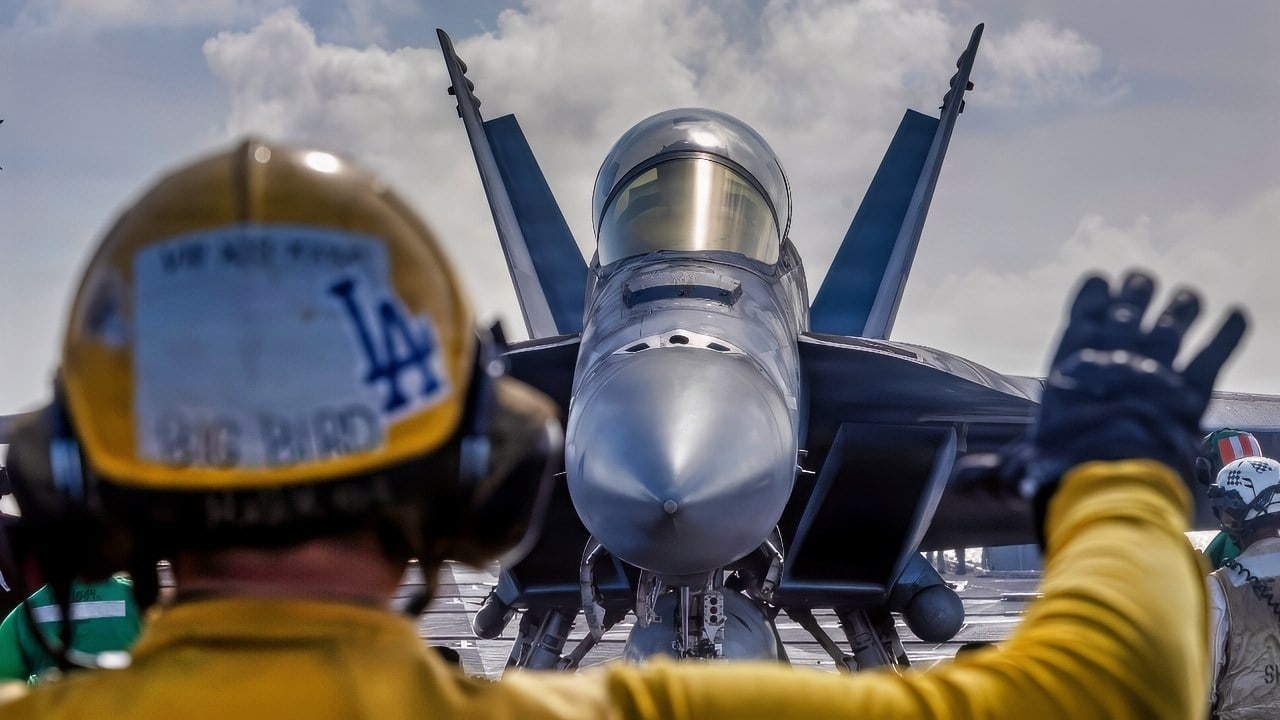
U.S. Navy Aviation Boatswain’s Mate (Handling) 2nd Class Michael Cordova directs an F/A-18E Super Hornet, attached to Strike Fighter Squadron (VFA) 14, on the flight deck of Nimitz-class aircraft carrier USS Abraham Lincoln (CVN 72) on Jan. 10, 2026. The Abraham Lincoln Carrier Strike Group is underway conducting routine operations in the U.S. 7th Fleet area of operations. Units assigned to 7th Fleet conduct regular Indo-Pacific patrols to deter aggression, strengthen alliances and partnerships, and advance peace through strength. (U.S. Navy photo by Mass Communication Specialist Seaman Daniel Kimmelman)
But when the president was asked whether the Lincoln had been deployed for too long, he dismissed the suggestion and denied reports of deteriorating conditions aboard the carrier.
“No, no, no,” Trump told reporters when asked if the deployment had gone on too long. “Not nearly long enough.”
The unusually long deployment of the Lincoln has become a source of controversy in Washington, not just because the war itself is having catastrophic consequences for the global economy, but because sailors’ families and lawmakers are raising questions about conditions on the ship and morale among sailors.
USS Lincoln At Sea for months
The USS Abraham Lincoln left its home port of San Diego in November and has now been deployed for more than 260 days. Even more unusually, the carrier has spent more than 200 consecutive days without a port call, setting a modern Navy record.
Roughly 5,000 sailors and Marines are aboard the carrier, which was redirected to the Middle East and has participated in airstrikes against Iran, operations around the Strait of Hormuz, and the blockade of Iranian ports.
The deployment was originally expected to last around seven months, but the war with Iran changed those plans and forced sailors to spend far longer on board, fighting a war they didn’t expect.
In the last week, family members have described difficult situations aboard the ship, including shortages of basic supplies and uncertainty about when the sailors will finally be able to return home.
Reports have even described families complaining of water contamination.
Sailors Report Deteriorating Conditions
Earlier this week, detailed accounts of conditions aboard the Lincoln were offered to NBC News by sailors’ relatives.
In a report published on August 11, family members described shortages of food and basic supplies, problems with drinking water, and sailors struggling psychologically after months without a port call.
One mother told NBC News that her son had been unable to buy basic hygiene products aboard the carrier, while another family member described sailors having “dark thoughts” as the deployment continued. NBC also reported that family members had raised concerns about suicide attempts aboard the ship. The Navy, however, disputes some of those claims. A U.S. official told the Financial Times on August 15 that there had been no increase in suicide attempts or mental health problems aboard the Lincoln and said sailors had access to five Navy chaplains, a clinical psychologist, a clinical social worker, and an “expeditionary facility dog.”
War Makes Resupply More Difficult
The Navy has acknowledged, however, that keeping the Lincoln supplied has become more complicated because of the war.
Speaking to The Financial Times, a U.S. official said that the carrier is operating in a highly contested environment where combat has disrupted traditional U.S. supply hubs in the Middle East. As a result, the Navy has prioritized deliveries to the Lincoln in a specific order: food first, hygiene products second, and mail third.
Defense Secretary Pete Hegseth rejected suggestions that conditions aboard the carrier were deteriorating when speaking during a visit to Panama on Thursday, August 13, saying that the reports had “completely misrepresented” the reality.
The Lincoln Is Finally Coming Home
The Pentagon is now preparing to bring those sailors home and rotate another carrier into the region. The USS George Washington, which is normally based in Japan, is expected to replace the Lincoln in the Middle East, allowing the San Diego-based carrier and its crew to finally return home after months of conflict.
That rotation solves many problems, but it also comes with a strategic cost.
The George Washington is the Navy’s only forward-deployed aircraft carrier, meaning its movement away from Japan temporarily reduces U.S. carrier presence in the western Pacific at a time when Washington remains focused on China.
The Lincoln controversy also raises questions about how long the current operational tempo can continue, with military leaders growing concerned about the scale of this conflict.
Former Navy Undersecretary Erik Raven told the Financial Times that military leaders are concerned about deployment schedules and the pace of operations across the Navy, Army, and Air Force.
About the Author: Jack Buckby
Jack Buckby is a British researcher and analyst specializing in defense and national security, based in New York. His work focuses on military capability, procurement, and strategic competition, producing and editing analysis for policy and defense audiences. He brings extensive editorial experience, with a career output spanning over 1,000 articles at 19FortyFive and National Security Journal, and has previously authored books and papers on extremism and deradicalization.