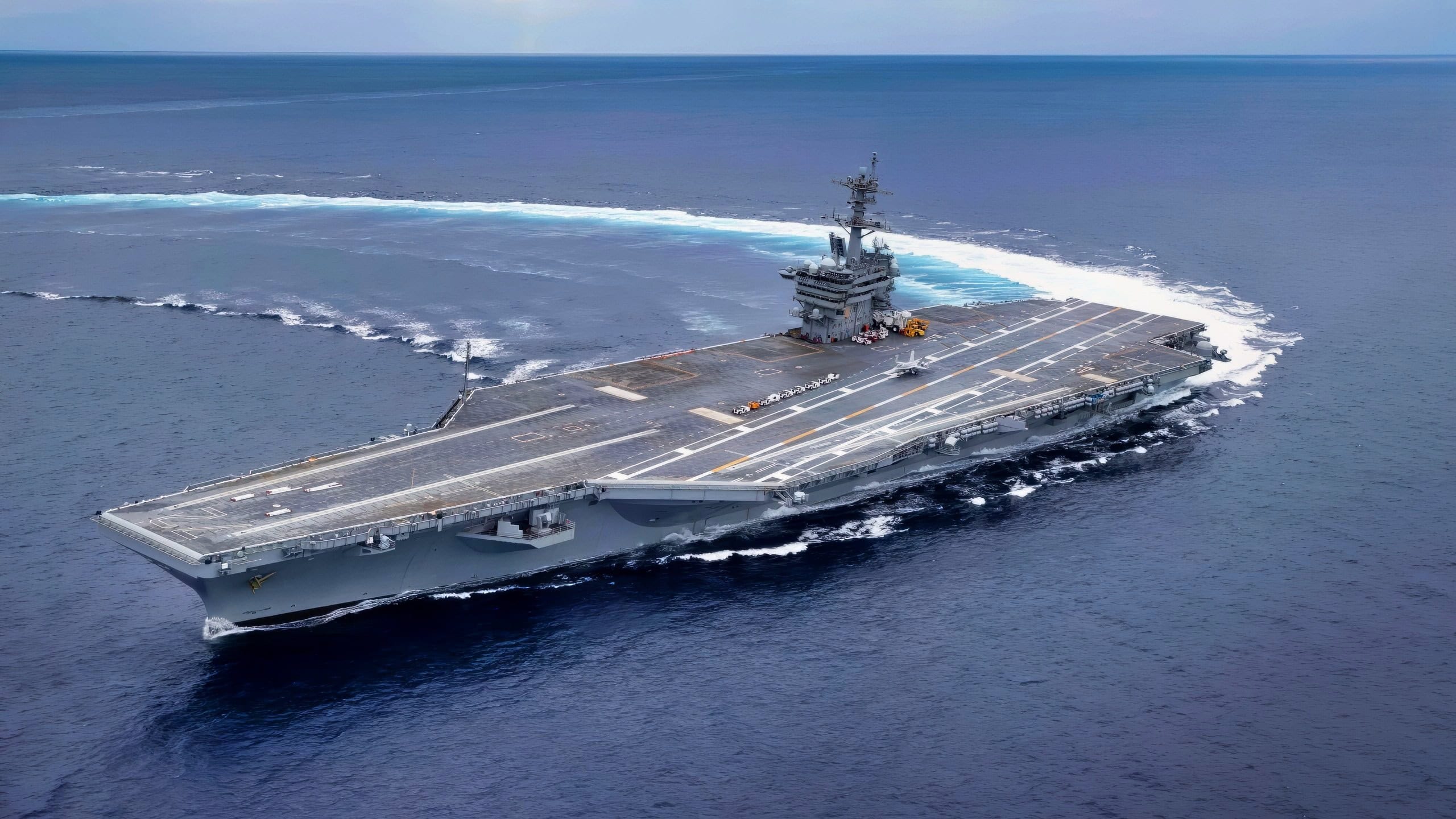
The United States finds itself in a protracted conflict in the Middle East. Unlike previous conflicts there, this campaign has been heavily dependent on the United States Navy — notably its aircraft carriers — to serve as the tip of the proverbial spear against the Islamic Republic.
At the start of the war, we heard sad tales of the immiseration of American sailors aboard the USS Gerald R. Ford, which has since returned to port after an historic deployment.
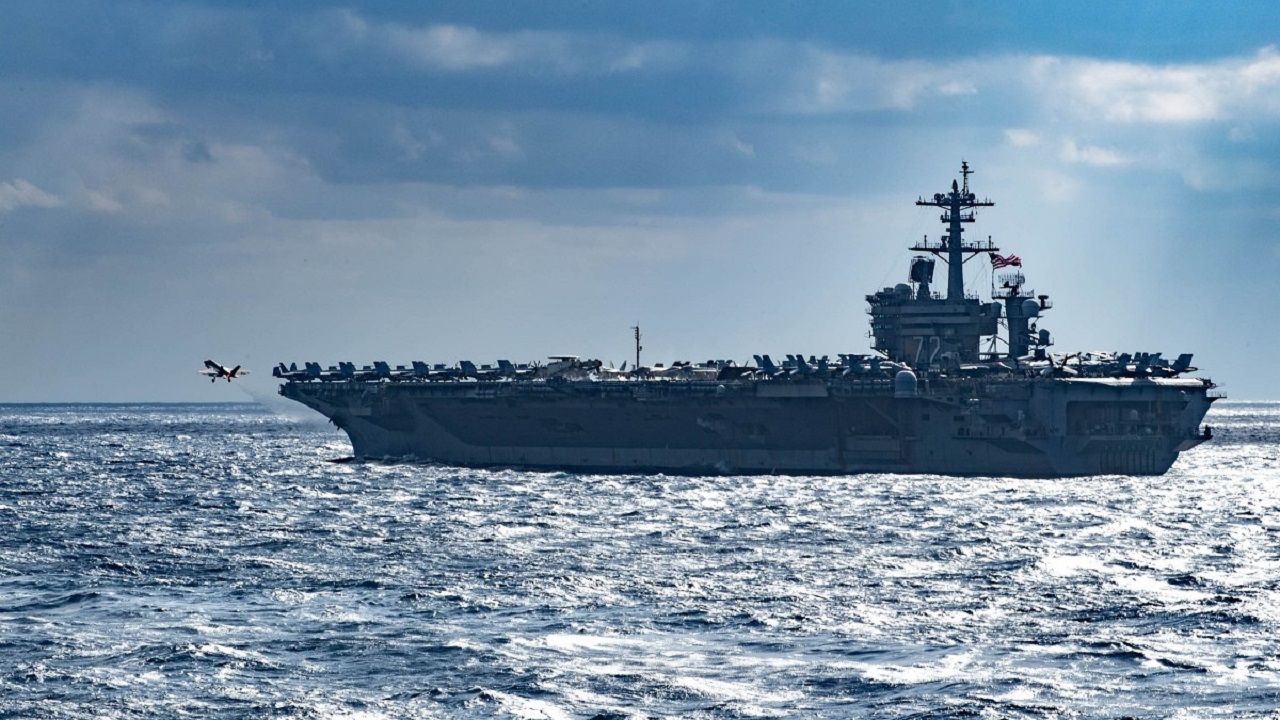
USS Abraham Lincoln. Image Credit: Creative Commons.
Now, the USS Abraham Lincoln is experiencing problems.
These issues, unlike what dominated the Ford, are not entirely mechanical. They are mostly mental health concerns of the crew.
Multiple sailors aboard the leviathan have reportedly attempted to go overboard as the ship approaches nine months on deployment, prompting families to raise concerns about exhaustion, mental health, and deteriorating morale aboard the carrier.
The Lincoln left port on Nov. 21, 2025, and has been deployed continuously since.
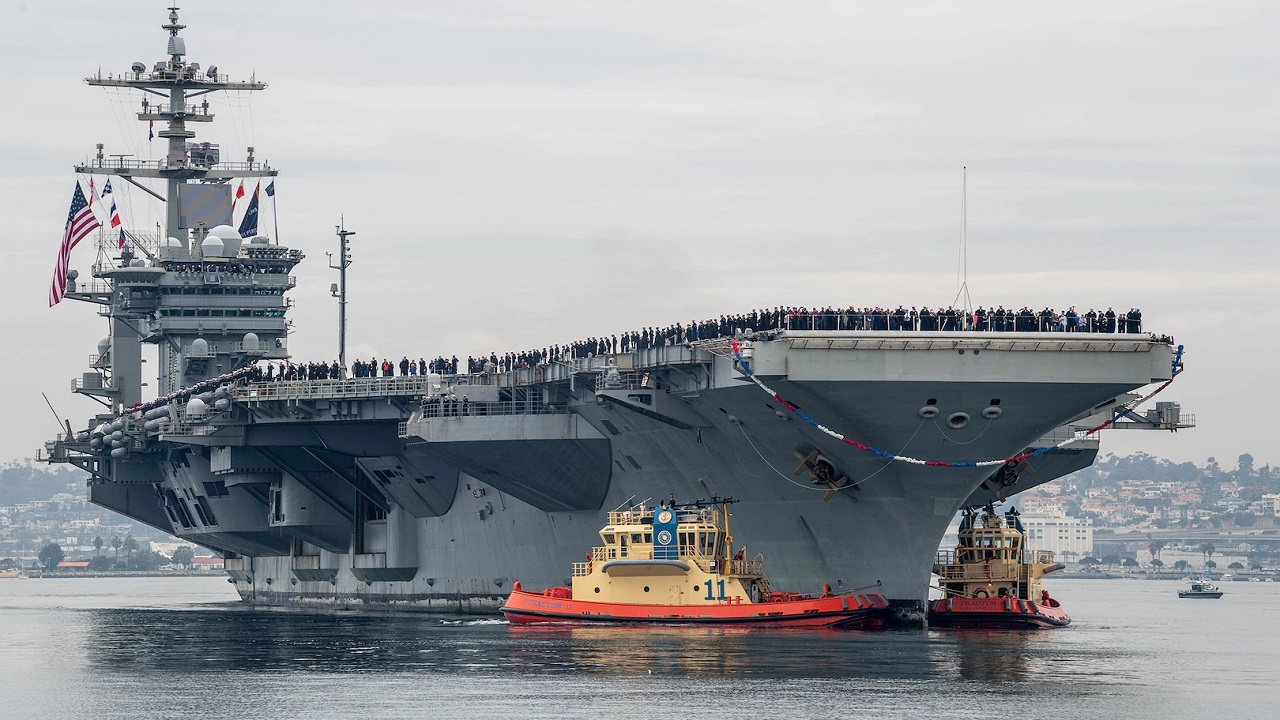
USS Abraham Lincoln back in 2015.
A deployment originally expected to conclude in May has been extended, with no publicly announced return date.
Military Times is reporting that Annabelle Loma said her husband had attempted to jump from the carrier after being repeatedly overextended.
Loma’s husband wasn’t some green recruit.
He was a 13-year Navy veteran with many deployments under his belt.
He has survived his ordeal and is now on medical hold. Loma said communication with him has been limited since the incident.
Another incident has been described by the wife of another sailor onboard the ship. Maria Rodriguez said her husband was standing watch aboard the carrier when he noticed another sailor preparing to go overboard.
Rodriguez said her husband called the sailor, reached the individual, and grabbed the sailor’s arms before the person went overboard.
Three additional sailors subsequently arrived to assist.
The Navy has not disclosed how many sailors aboard the Lincoln have attempted to go overboard or engaged in other acts of self-harm during the deployment.
More accounts have appeared in other media outlets, including the respected military publication Stars & Stripes.
Articles there documented the accounts of sailors harboring self-harm thoughts and confirmed reports from crewmembers that watchstanders had prevented at least one sailor from jumping overboard.
Months At Sea
The incidents come after an unusually long deployment.
Lincoln sailors have completed 40 days of continuous combat operations and spent around 250 days at sea.
Families and sailors have shared further reports about problems with food, water, laundry, and mail delivery on the ship.
They also stress that the sailors are working extraordinarily long hours.
Earlier in the deployment, sailors endured food rationing and water shortages.
The Navy claims most of those problems have been fixed.
The Navy then experienced serious logistical difficulties in keeping the carrier supplied with things like vegetables (critical for maintaining sailors’ health) in July.
In fact, the Lincoln was forced to remain in Oman for an extended period while awaiting replenishment.
Sailors had time to disembark, although they weren’t allowed to leave a secured area near the ship.
Pentagon officials attributed those logistical complications to operating in a contested wartime environment and said that these issues, too, had been overcome.
Families Upset With Navy Leaders
More than 200 family members attended a town hall-style meeting in San Diego, the carrier’s home port, last week, with Acting Navy Secretary Hung Cao and other senior Navy officials.
Families raised concerns about the safety and well-being of their family members.
Stories about self-harm, in particular, had family members concerned that the mental health woes of the crew might be shared by more sailors than their commanding officers realized.
After all, this deployment is different from past deployments. Indeed, the current deployment is different from the previous Middle East wars that carriers, like the Abraham Lincoln, participated in.
Back then, those carriers rarely had to endure anti-ship ballistic missile and drone threats.
They knew they would be relieved by other ships after a reasonable time.
Those comforts are gone in the Iran War, as the Iranian military is a more serious threat than al Qaeda, ISIS, the Taliban, or Saddam’s Iraq ever were.
What’s more, the Navy is more strained and stretched from a logistical standpoint than ever before.
Vice Adm. Joseph Cahill, who serves as the commander of Naval Surface Forces, acknowledged the strain on sailors (and their families). Navy officials pointed to deployment-resilience counselors, chaplains, medical personnel, and other mental-health professionals available to the crew.
The Navy has stated that the carrier’s leadership is constantly assessing the crew for readiness and any mental health concerns.
Cao told the families in San Diego not to worry. Relief was being put together for Abraham Lincoln. The USS Theodore Roosevelt carrier strike group is being tasked to replace the Lincoln.
No deployment date has been announced for the Theodore Roosevelt. In other words, the mental health crisis afflicting the sailors on the Abraham Lincoln, which is likely best mitigated by a return to America, is not in the offing since the carrier’s relief has not been announced.
About the Author: Brandon J. Weichert
Brandon J. Weichert is the Senior National Security Editor at 19FortyFive.com. He also manages The Weichert Brief on Substack. Weichert also hosts “National Security Talk” on Rumble. He is the author of four bestselling national security books, the most recent of which is A Disaster of Our Own Making: How the West Lost Ukraine (Encounter Books). Follow him via Twitter/X @WeTheBrandon.