
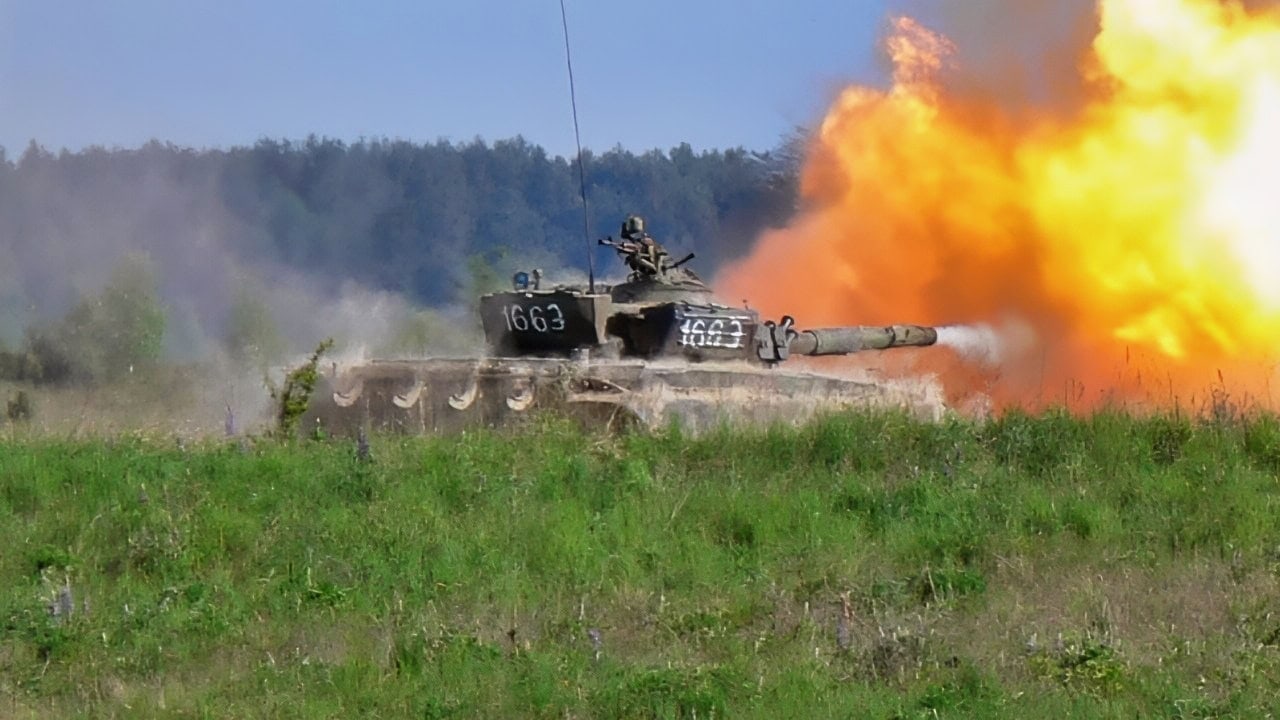
Germany Positions Itself as Ukraine’s Principal Partner in Europe, while Polish-Ukrainian Relations Sour – On August 22, 2026, just two days before Ukraine’s Independence Day, German Foreign Minister Johan Wadephul visited Kyiv. This was Wadephul’s fourth visit to Ukraine since he assumed office about 16 months ago. The agenda included Germany’s support for Ukraine during the coming winter and a framework for a new drone deal between the two countries, under which Ukraine would share both the technology and lessons learned from the battlefield.
As he met with President Zelensky, Russian attacks on Ukraine continued unabated, killing more Ukrainian civilians. The attacks prompted Wadephul’s unusually strong condemnation, including accusations that Russia was deliberately targeting civilian infrastructure and Ukraine’s power grid, and a declaration that Germany was “working to support Ukraine in its winter preparations.”
The visit was rich in symbolism, but it also underscored the practical aspects of German-Ukrainian cooperation, which has accelerated significantly in recent months. Germany is increasingly assuming the role of Ukraine’s principal partner and supporter in Europe, both in funding current defense needs and, likely, in providing reconstruction aid, capacity, and capital after the war.
Berlin Joins the “Core” — and Poland Is Left Out
This growing cooperation between Berlin and Kyiv is reshaping the regional power dynamic in Central Europe. Simply put, by cooperating closely with Ukraine, Germany becomes the principal advocate for Ukraine’s interests in the European Union and increases its influence in Washington, where it is likely to be seen as the principal future peace broker in the Russia-Ukraine war, thereby superseding countries on NATO’s eastern flank, especially Poland.
Although Poland belongs to the European Coalition of the Willing assisting Ukraine, initially chaired by Paris and London in 2025, it is not included in the political leadership group; instead, Berlin joined later that year to form its “core leadership trio.” France, the United Kingdom, and Germany co-chaired the group’s meeting in Kyiv on August 24, 2026, Ukraine’s Independence Day.
In geopolitical terms, excluding Poland from the “core” raised eyebrows, as virtually all major land-based reinforcement and logistical support for Ukraine must pass through Polish territory. In short, Poland is strategically indispensable to the effort to support Ukraine against Russia, yet the group has sidelined it in leadership.
This change has been further underscored by deteriorating relations between Poland and Ukraine, triggered by Kyiv’s decision to name one of its military units in honor of the Ukrainian Insurgent Army (UPA), which, during the Second World War, was responsible for killing up to one hundred thousand Poles in the eastern borderlands, then occupied by Germany.
The Drone Technology Dispute
Another bone of contention reshaping relations in Central Europe is who will receive priority access to Ukrainian drone technology. Poland was expected to be among the first, as it prepared to transfer its legacy MiG-29 aircraft to Ukraine to support the country’s air and missile defense. In July 2026, Polish Defense Minister Władysław Kosiniak-Kamysz said Ukraine had failed to provide the battlefield-tested drone technology that Warsaw believed Kyiv had earlier promised.
Reportedly, the technology was part of a proposed exchange agreement under which Warsaw would transfer its remaining MiGs to Ukraine, and Kyiv would share its UAV technology and operational knowledge with Poland. Kosiniak-Kamysz suggested that Kyiv’s withdrawal was linked to worsening bilateral relations over historical disputes, particularly the Volhynia and Eastern Galicia killings, and to ongoing disagreements over how to treat Ukrainian nationalist figures from the Second World War.
Germany’s Defense-Industrial Play
Germany’s defense industrial cooperation with Ukraine has been accelerating. Last spring, German Defense Minister Boris Pistorius praised Ukraine as a country that “out of necessity, has developed an unbelievable capacity for innovation and speed,” and noted that it developed its weapons “not in a laboratory, but under battlefield conditions.”
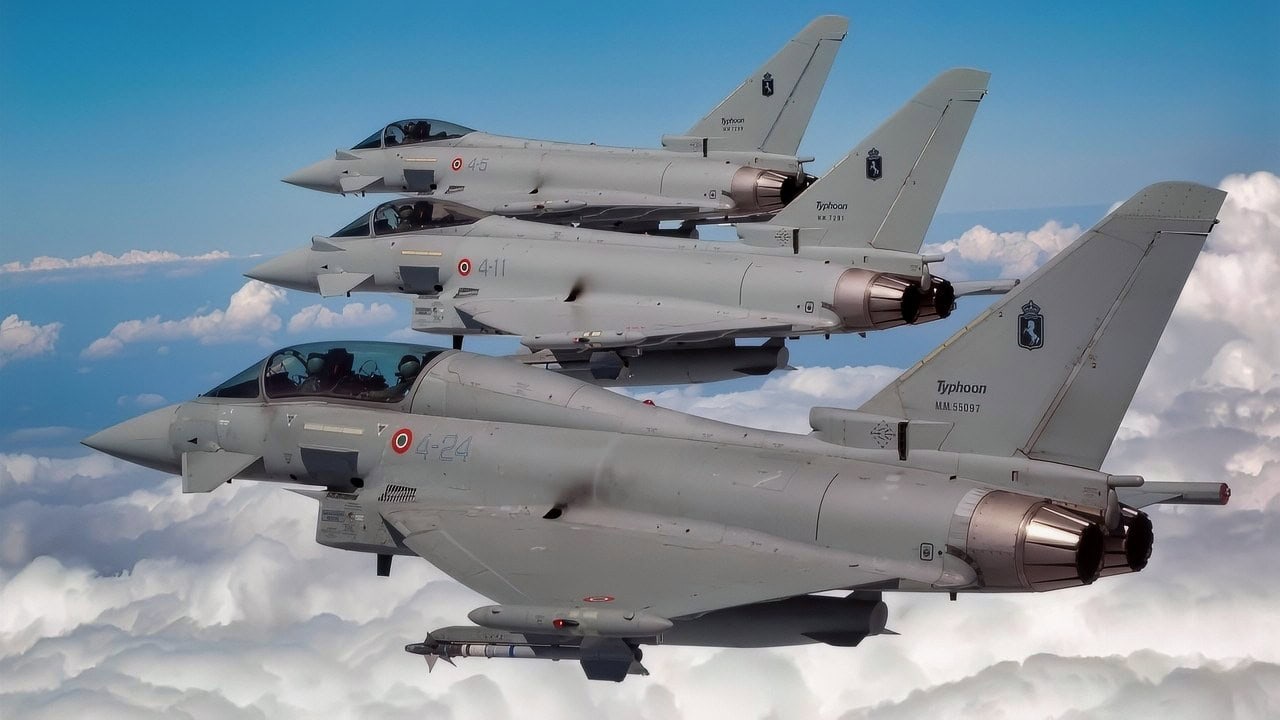
Eurofighter Typhoon Aircraft NATO. Image Credit: Creative Commons.
Pistorius announced that Berlin would send more military attachés to the German embassy in Kyiv to facilitate closer defense cooperation between the two countries. In addition, German Economy Minister Katherina Reiche said Berlin would establish a dedicated liaison office for German companies seeking to collaborate with Ukraine. Those declarations have been followed by financial commitments, with Germany promising to provide Ukraine with €11.6 billion ($13.6 billion) in 2027, and thereafter €8.5 billion annually from 2028 to 2030.
Toward a German-Ukrainian Coalition?
Berlin’s close partnership with Kyiv has laid the groundwork for ever-closer cooperation and policy alignment, and possibly for the formation of a German-Ukrainian coalition down the line, especially if the United States’ force posture review yields significant reductions in US deployments in Europe and cuts to American military assistance to Ukraine. Ukraine’s Foreign Minister Andrii Sybiha acknowledged this shift, insisting during a joint press conference with Wadephul that peace in the Russia-Ukraine war would be possible only through European participation – an unequivocal nod to Berlin.
What It Means for Central Europe
The broader significance of deepening German-Ukrainian cooperation is that it will help position Berlin as Europe’s premier power in relations with both countries along NATO’s eastern frontier and with the United States.
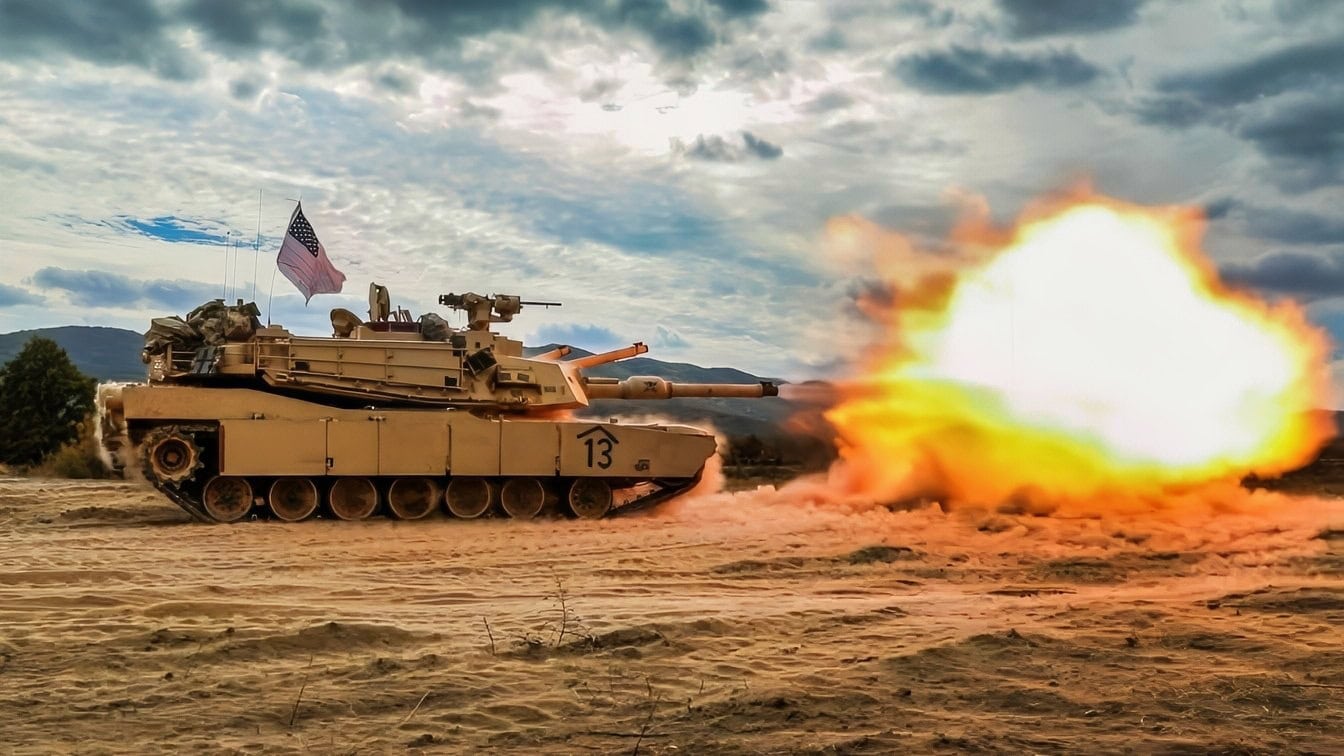
An M1A2 Abrams main battle tank with 1-16th Infantry, 1st Armored Brigade Combat Team, 1st Infantry Division, conducts a Live Fire Accuracy Screening Test Sept. 28, 2025, on Novo Selo Training Area, Bulgaria. The LFAST is used to assess and confirm the accuracy of its firing system before live fire gunnery, ensuring the tank is ready for combat and its firing control systems are functioning correctly. Abrams live fire exercises increase the lethality of crews on collective tables while generating warfighting readiness and combat credible forces along NATO’s Eastern Flank. (U.S. Army photo by Sgt. 1st Class Richard Perez)
Germany increasingly views Ukraine not merely as an aid recipient but as a long-term European security partner that can offer tangible benefits to its defense industry and enhance its political leverage on the continent.
Although it will likely further strain Berlin’s relations with Moscow, it also gives Germany additional leverage in dealing with Russia. The question now is whether Germany can deliver to Ukraine not just political support and money, but, most importantly, the air and missile defense systems it urgently needs. If it does, this deeper realignment in Central Europe will accelerate.
About the Author: Dr. Andrew A. Michta
Andrew A. Michta is Professor of Strategic Studies at the Hamilton School at the University of Florida, a Nonresident Senior Fellow at the Atlantic Council in Washington, D.C., and a Visiting Fellow at the Hoover Institution at Stanford University. The views expressed here are his own.