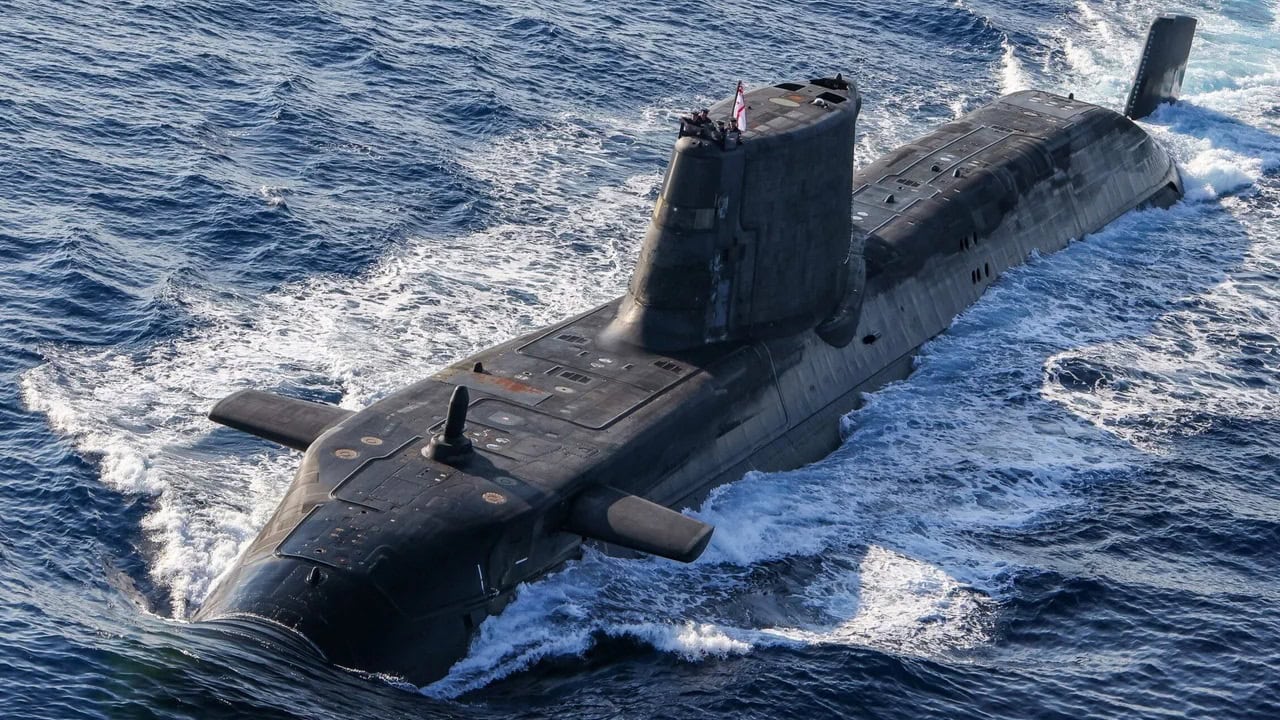
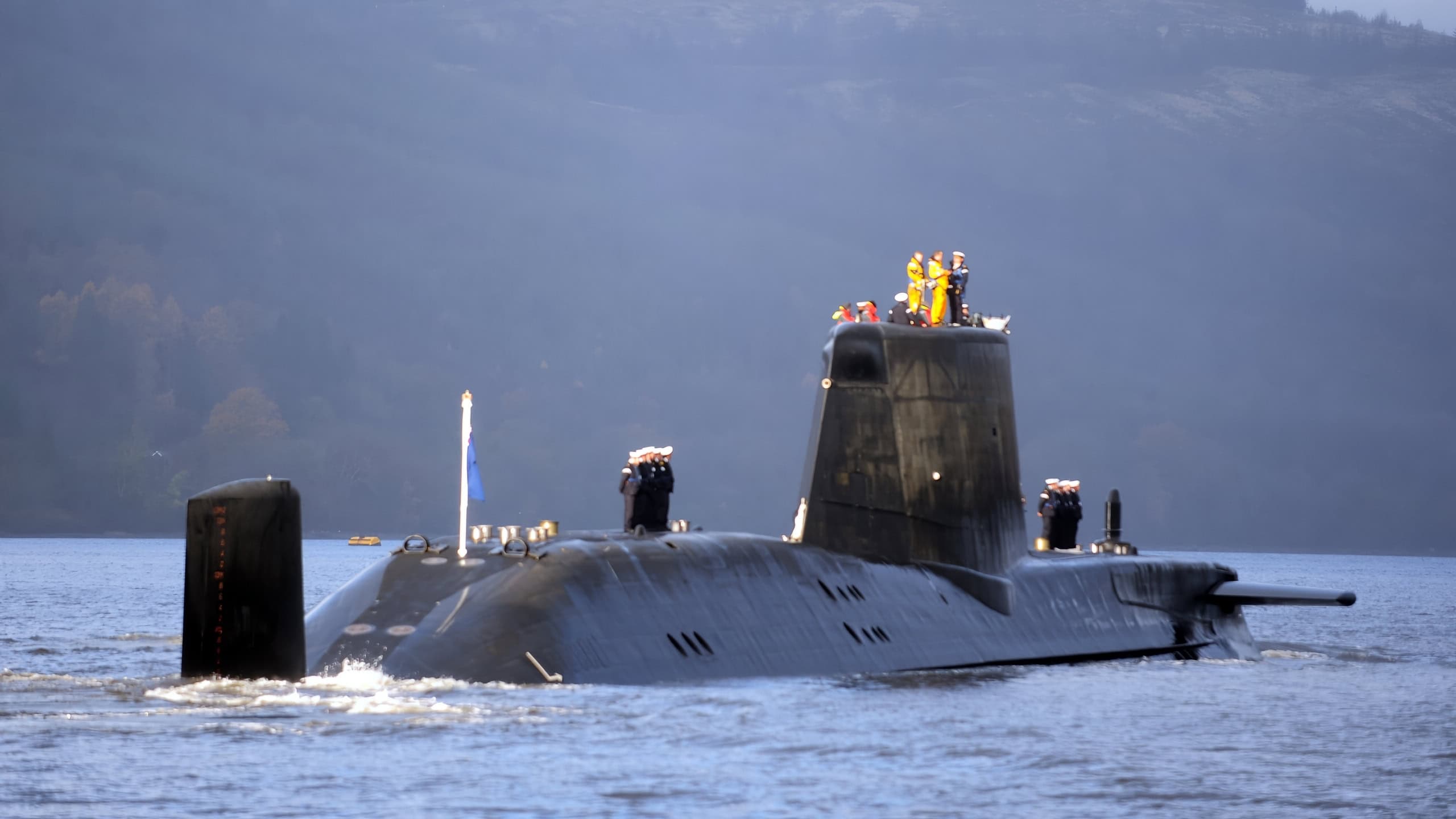
As the British Royal Navy faces a real shipyard crisis and a shrinking submarine fleet, it is decommissioning its first retired nuclear-powered attack submarine, HMS Swiftsure, at the Rosyth Dockyard in Scotland.
London intends to complete this process by the end of the year.
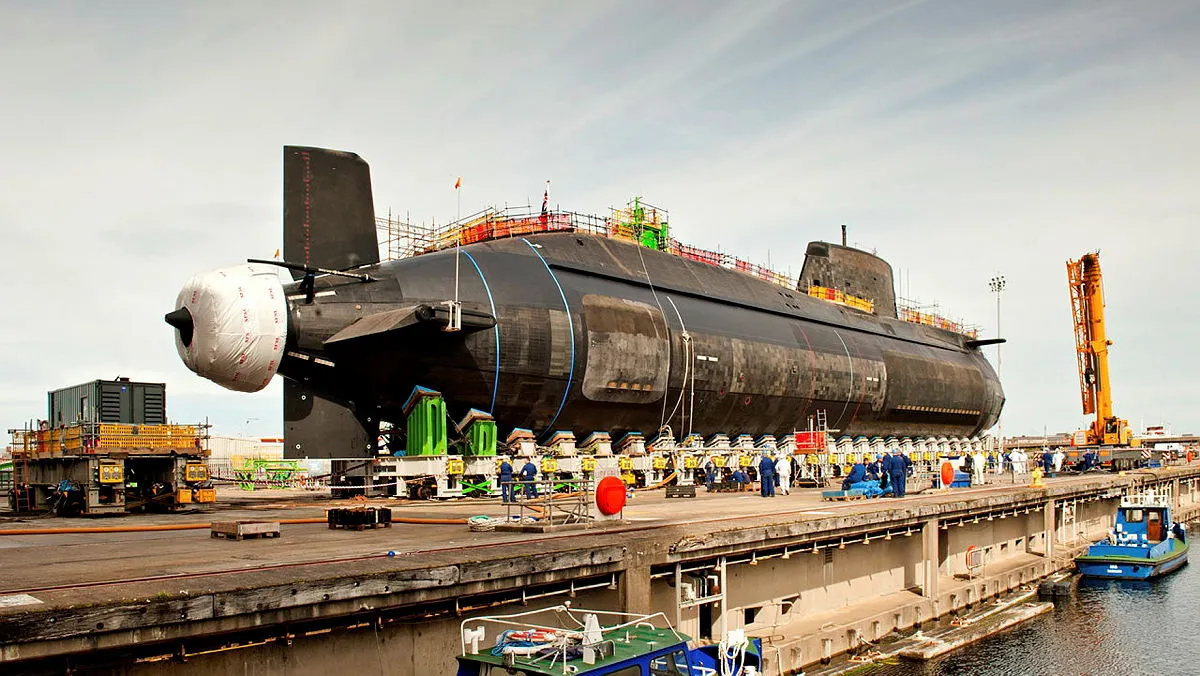
Royal Navy’s Astute-Class Submarines. BAE Systems.
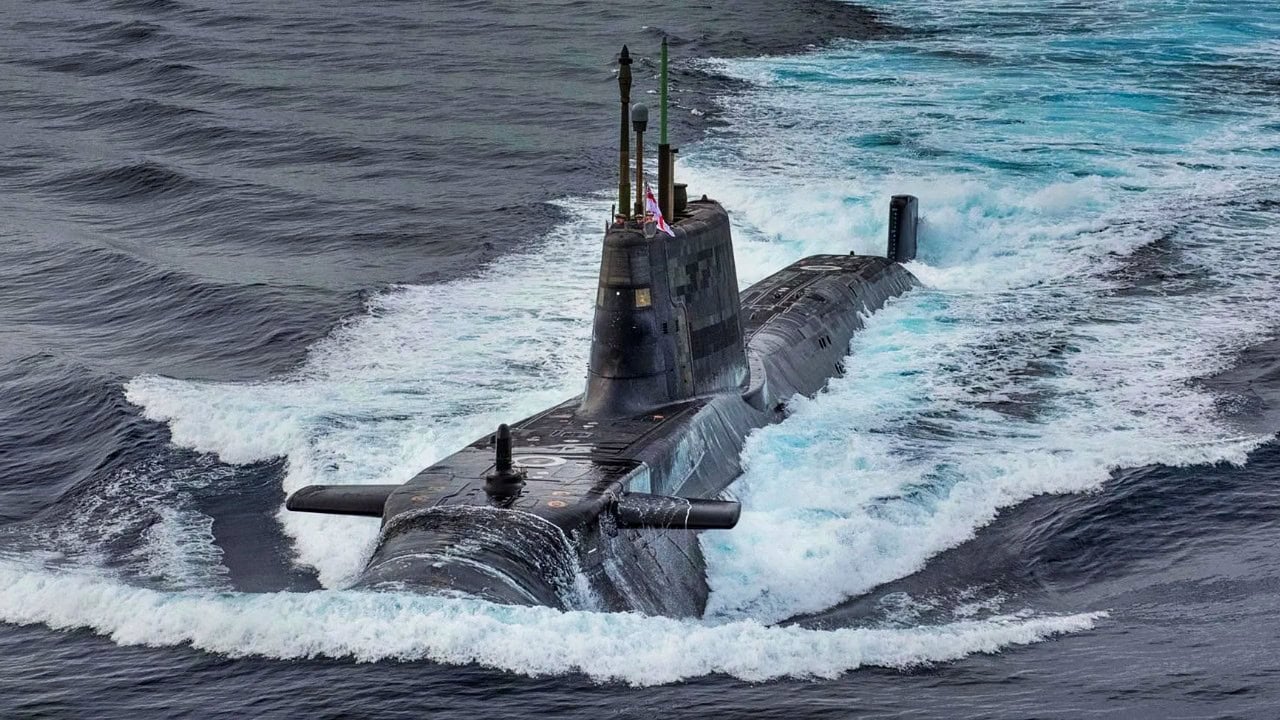
Astute-Class Submarine. Image Credit: Creative Commons.
The Swiftsure was decommissioned way back in 1992 and has sat in storage for nearly 30 years because the United Kingdom had no real way to dispose of a nuclear-powered submarine safely.
A Broken Process
In fact, the United Kingdom’s submarine disposal process was so bad that it effectively created a fleet of decommissioned nuclear submarines (around 20) that were waiting for dismantlement–with no real hope of that ever occurring…until now.
To store the hulls for more than 30 years in Rosyth and Davenport, England, the UK government spent more than 500 million pounds since the first submarine, Swiftsure, was decommissioned in 1992.
The backlog has proven painful for the United Kingdom, which has been burdened with the cost of 20 nuclear-powered submarines it cannot use or dispose of.
Safely dismantling a nuclear-powered submarine is a three-step process.
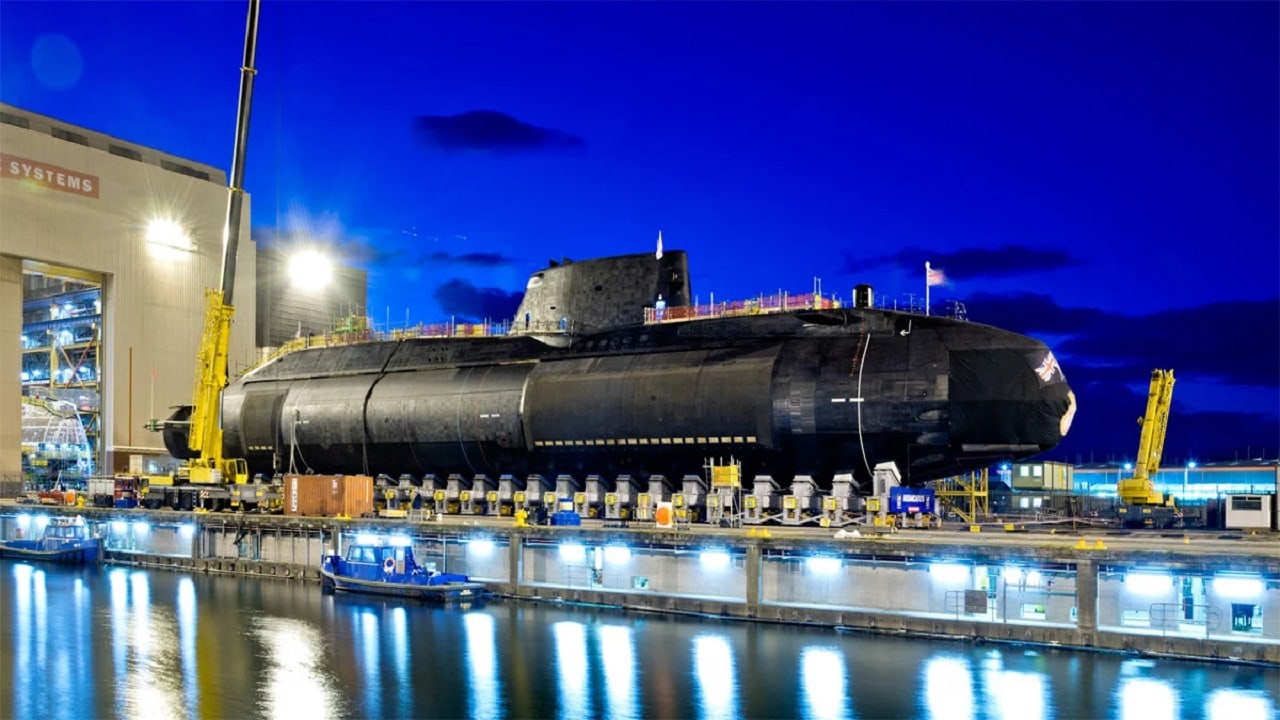
Astute-class Submarine. Image Credit: BAE Systems.
Under the rubric of the Submarine Dismantling Project, British and Scottish engineers will first strip the submarine of its low-level radioactive waste.
The second stage involves physically cutting out the nuclear reactor pressure vessel, which contains intermediate-level radioactive waste.
Lastly, the Royal Navy’s engineers will scrap the remaining materials and recycle them as needed by the Royal Navy’s shipbuilders.
Recycling the Nuclear Waste
Once the radioactive waste is removed from the submarine, it is classified and sent to separate facilities based on its level of danger.
The nuclear fuel itself is considered high-level waste.
Therefore, the nuclear fuel must be removed long before the submarine is physically dismantled.
This highly radioactive waste is transported in highly shielded rail cars to Sellafield, the primary node for high-level military and civilian nuclear waste.
Next up is the reactor vessel, which is deemed intermediate-level waste. It is sent to Urenco’s Capenhurst Nuclear Services facility in Cheshire, England.
During the second stage of dismantling a British nuclear-powered submarine, workers remove the Reactor Pressure Vessel (RPV).
That RPV once housed the nuclear core and is heavily irradiated. The RPVs from Britain’s decommissioned attack submarines are stored in specialized above-ground tactical buildings.
Astute-Class SSN Royal Navy
Contaminated pipes and insulation from the dismantled submarines are considered low-level waste and are placed in the Low Level Waste Repository (LLWR) in Cambria.
Engineers pack the low-level waste into metal ISO containers, grout them with concrete, and bury them in specialized shallow vaults.
Yet the British government does not consider any of these facilities permanent.
Eventually, London will need to move this waste from its storage site to a final resting place at a Geological Disposal Facility (GDF). The high-level and intermediate-level waste will be buried underground (as deep as 1,000 meters) within a solid rock formation.
British leaders want the GDF fully stocked by 2040.
No British town is willing to become home to this radioactive waste pit. In all probability, waste from these ancient, Cold War-era nuclear-powered submarines will likely sit in the temporary facilities until 2040 (or longer).
As for the recycling aspect of the Swiftsure’s dismantlement, the Royal Navy intends to recycle as much as 90 percent of the submarine’s total weight once all radioactive elements are safely removed.
A Costly Affair
The UK’s Submarine Dismantlement Project was originally supposed to cost 489.56 million pounds. That figure ballooned to 541.73 million pounds, however.
This was due to the unintended costs of storing these aging nuclear-powered submarines for more than 30 years, as well as the enduring failure of the industrial system that has come to define Britain’s naval shipyards.
The British must do more than slice and dice the remnants of this old Cold War-era nuclear-powered submarine, the HMS Swiftsure.
Instead, the Swiftsure is being viewed as a pilot program for the remaining 19 nuclear-powered submarines that must now be disposed of.
So, the Swiftsure’s dismantlement cost will likely be higher than that of the other submarines (at least that’s the likeliest case).
Because the UK lacked an appropriate indigenous nuclear submarine dismantlement procedure and industrial capacity, the Swiftsure will be the proverbial guinea pig.
There will be mistakes.
There will be cost overruns.
And there will be serious delays–especially as the Royal Navy works out the proper safety protocols for dismantlement of nuclear submarines and builds the supply chains needed to support such complex industrial operations from scratch.
No End In Sight
The UK Ministry of Defense awarded a 114 million contract to Babcock International to prepare for–and restart–the defueling process on four of the 20 submarines.
In fact, these nuclear submarine dismantlement initiatives faced so many complications and delays that the project received a “Red” delivery confidence rating last fiscal year, meaning the dismantlement program will not be completed on time or on budget without further government intervention.
The Royal Navy was once the most powerful in the world. Today, it lacks sufficient fleet size to be competitive with the rest of the world’s great naval powers. It even struggles to retire its aging ships.
About the Author: Brandon J. Weichert
Brandon J. Weichert is the Senior National Security Editor at 19FortyFive.com. He also manages The Weichert Brief on Substack. Weichert also hosts “National Security Talk” on Rumble. He is the author of four bestselling national security books, the most recent of which is A Disaster of Our Own Making: How the West Lost Ukraine (Encounter Books). Follow him via Twitter/X @WeTheBrandon.