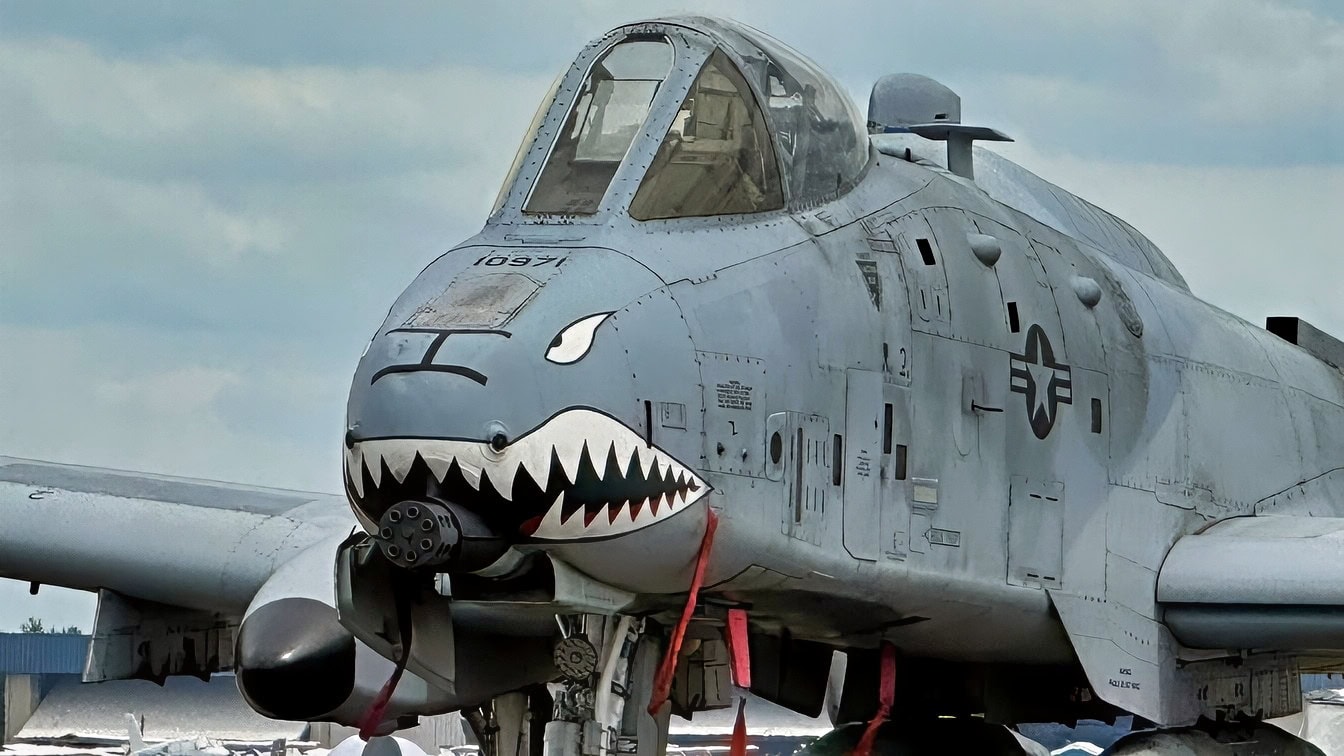
Summary and Key Points: Congress has written a law named after the sound an aircraft’s gun makes. The Bolstering Recognition, Resurgence, Retention, and Remembrance of the Thunderbolt Act spells BRRRRT, which is what the A-10 Warthog’s GAU-8/A 30mm cannon sounds like, and it would require the US Air Force to keep at least 126 A-10s in service through FY2033 unless it can certify that a fully capable replacement has reached full operational capability. The Air Force had wanted to divest all 162 remaining Warthogs in the FY2026 budget cycle, two years earlier than its own previous plan. What stopped it was not sentiment. It was that A-10s had just been sent up over the Middle East to shoot down drones and cruise missiles, because American interceptor stocks had been drawn down far enough that something had to fill the gap.
NOTE: All photos are from our recent visit to see an actual A-10 Warthog up close at an airshow in Lakeland, Florida.
The Air Force Can’t Dump the A-10 Warthog
The United States Air Force has been trying to murder one of its most iconic and successful warplanes of the modern age, the A-10 Thunderbolt II, or simply the Warthog. Each time the Air Force thinks it has killed this bird, the United States Congress steps in at the eleventh hour and says “no way!”
The BRRRT Act
The Air Force is apoplectic, as they would rather cut funding for these planes, which are essential for missions like close air support (CAS), to spend that money on the fifth-generation warplanes and the still-developing sixth-generation F-47 stealth warplanes.
In fact, Congress loves the A-10 so much they’ve now introduced the Bolstering Recognition, Resurgence, Retention, and Remembrance of the Thunderbolt Act of 2026 (or the BRRRRT Act, a reference to the plane’s mighty GAU-8/A 30mm cannon that makes a “BRRRRT” sound when it spits molten lead at enemy formations on the battlefield below).
This new legislation would prevent the Pentagon from reducing the A-10 fleet below 126 aircraft through Fiscal Year 2033, unless the War Department can certify that a fully capable replacement has reached full operational capability.
The Air Force has toyed with employing the F-35A Lightning II for CAS-type missions. Yet using the F-35 for other missions the A-10 has become accustomed to, such as counter-drone and anti-missile mission sets, is costly.
On July 20, Rep. Abe Hamadeh (R-Ariz) joined forces with Democratic Rep. Don Davis of North Carolina to craft the BRRRRT bill. The bill requires the reluctant Air Force to keep 126 A-10s in active service.
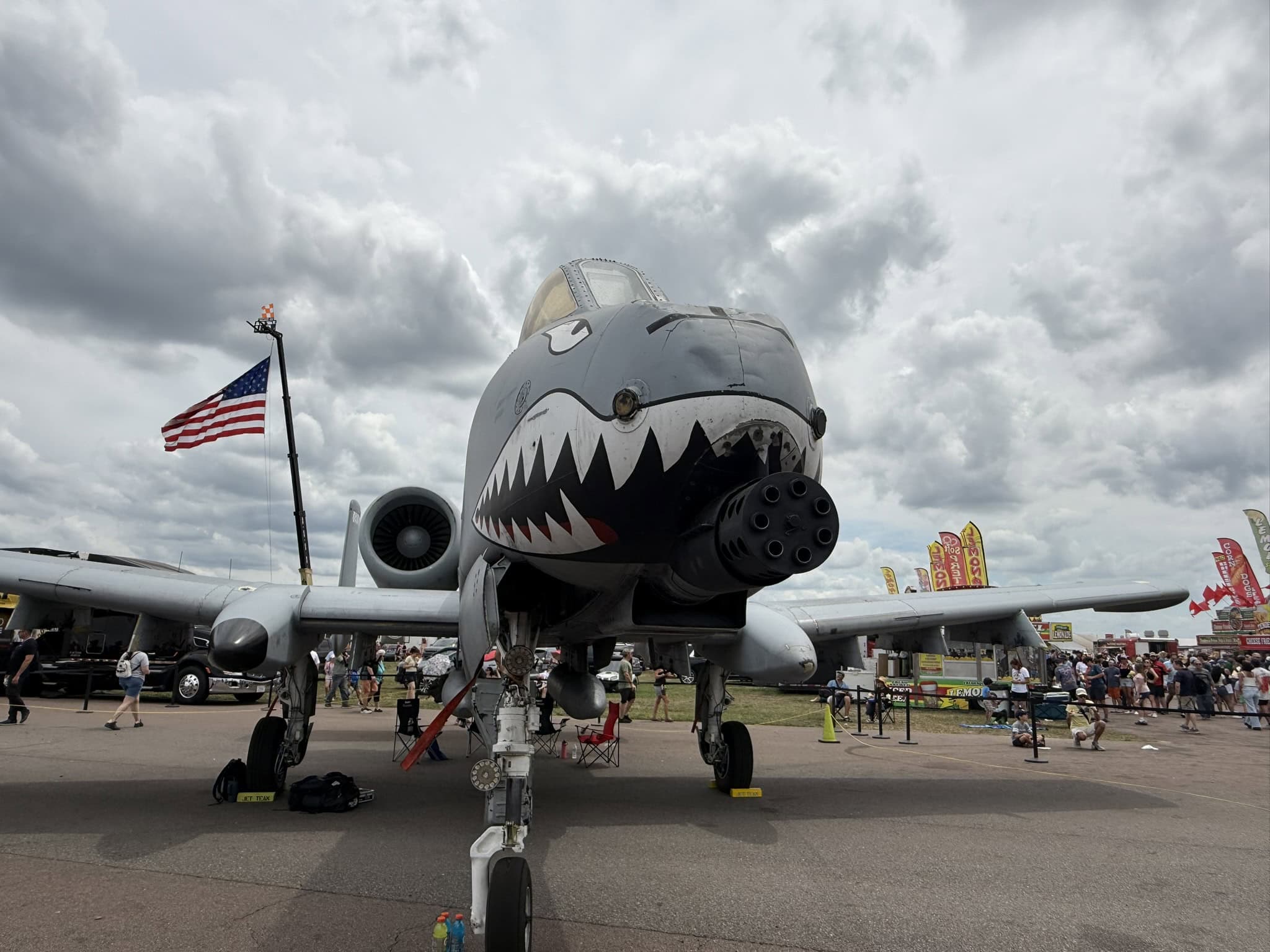
A-10 Warthog Sun’ and Fun Airshow 19FortyFive. Taken 4/19/2026.
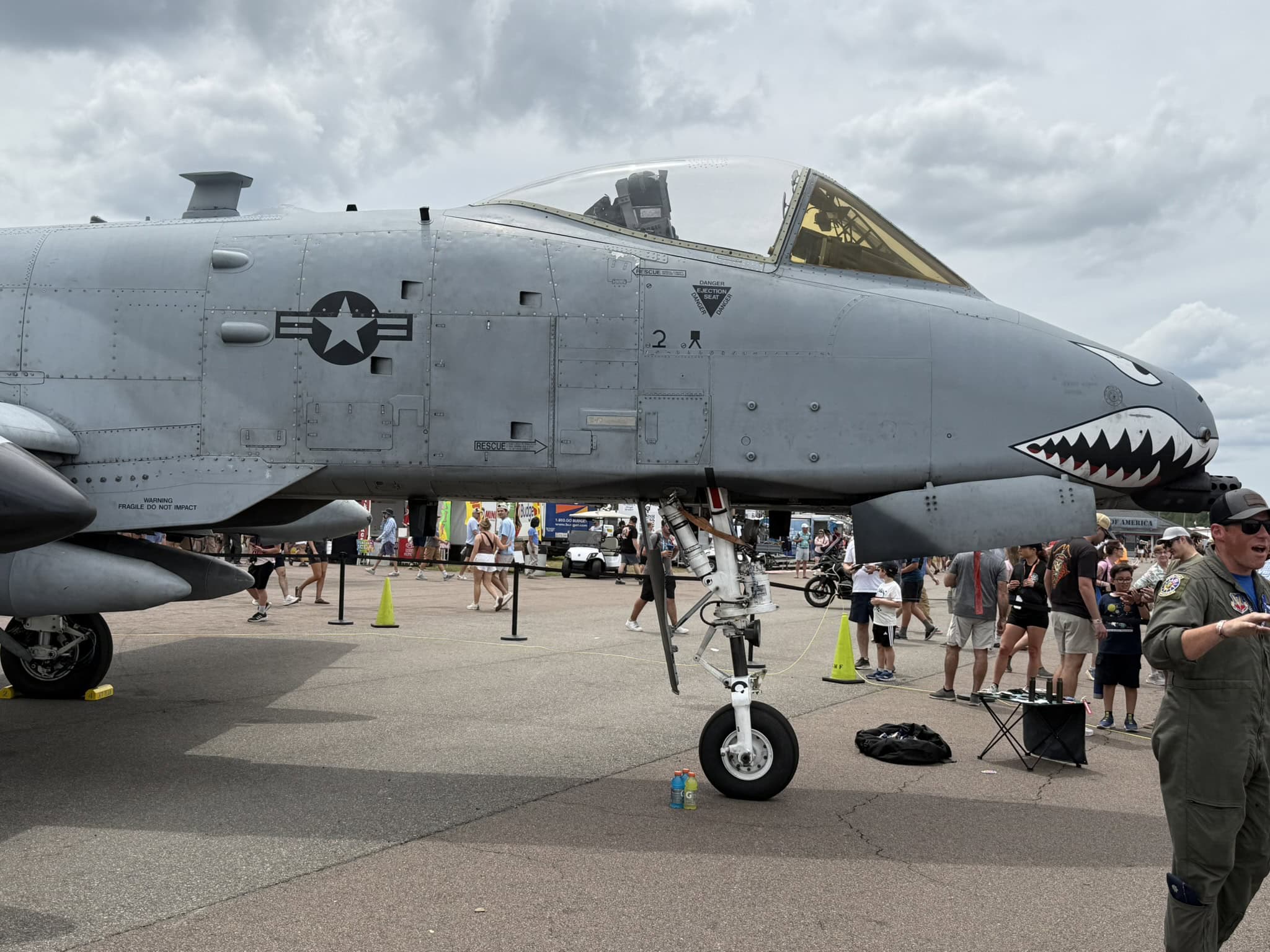
A-10 Warthog Sun’ and Fun Airshow 19FortyFive. Taken 4/19/2026.
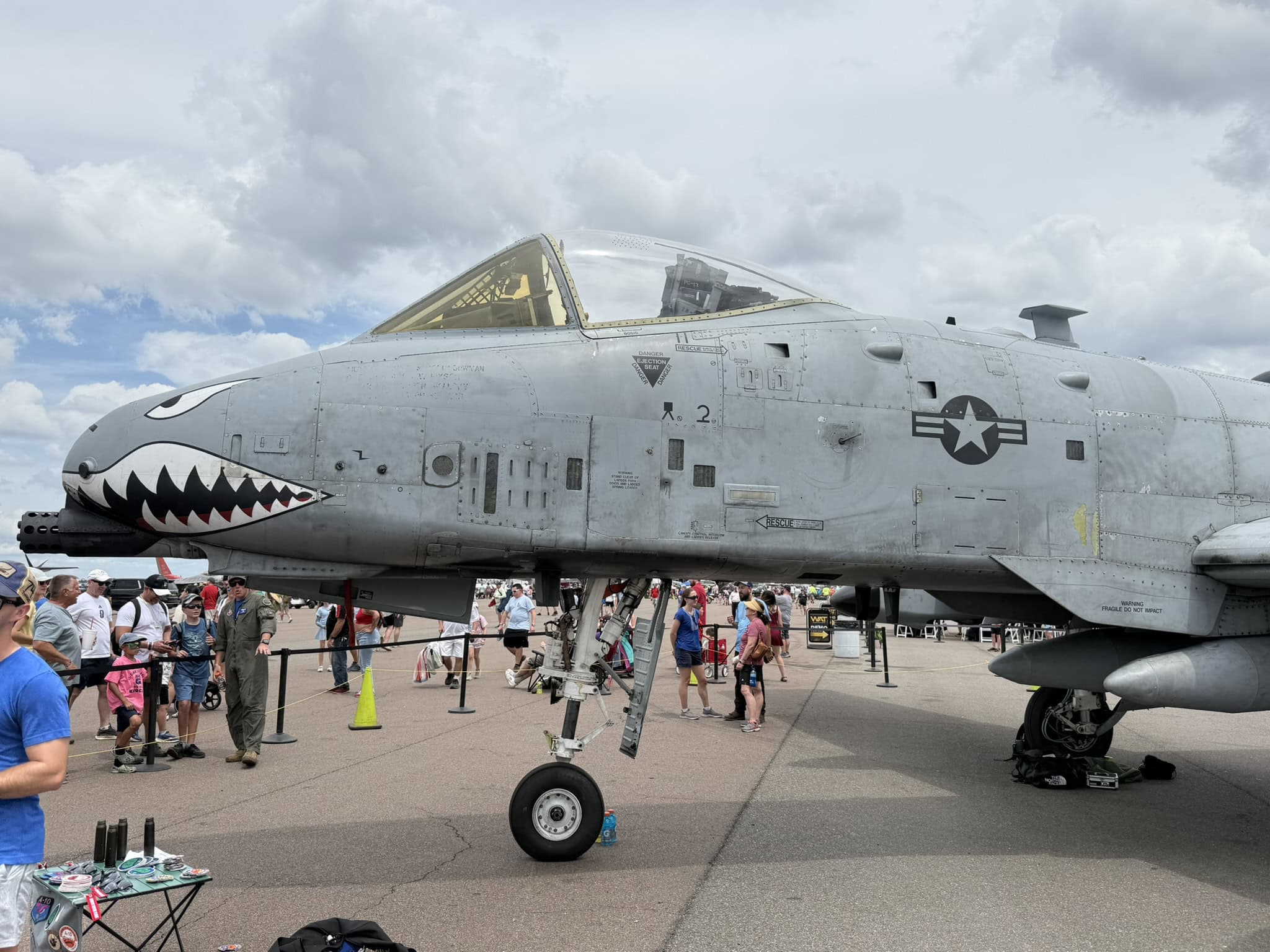
A-10 Warthog Sun’ and Fun Airshow 19FortyFive. Taken 4/19/2026.
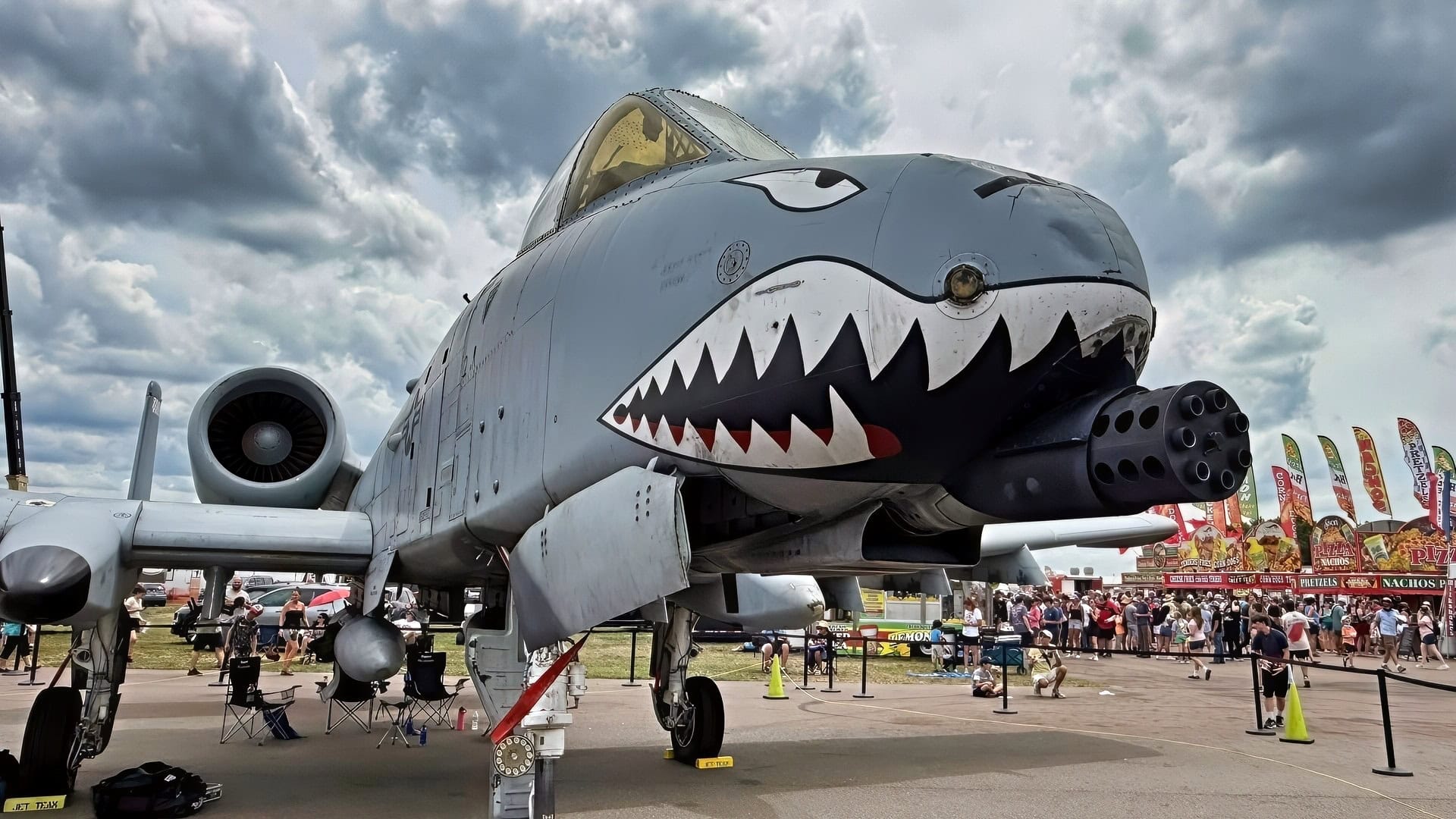
A-10 Warthog Sun’ and Fun Airshow 19FortyFive. Taken 4/19/2026.
Alternatively, it calls for the Air Force to maintain either four active A-10 units or five units drawn from the active force.
What’s more, the proposed legislation makes the Air Force keep the vital infrastructure to operate the birds–the very infrastructure that the Air Force is desperate to disband.
As if there wasn’t more for the Air Force to be disappointed with, the new BRRRRT Act calls for the A-10 support capabilities that have already been disbanded since last October to be reconstituted so that the program remains effective until FY2033.
Why the US Air Force Doesn’t Want It
On the other side of this debate is the Air Force position that the Warthog is antiquated.
According to the Air Force, which so badly wants to be rid of the iconic plane, it was designed to fight Soviet armored formations battling for control of the Fulda Gap in Germany if the Cold War ever turned hot.
The A-10 is optimized for that aforementioned mission of CAS, because it combines armor protection, has an incredible loiter time, can maneuver well at low speed, and its weapons payload — especially its mighty GAU-8/A Gatling cannon — can pack a wallop the likes of which few other Air Force birds can do at such close ranges.
Because of these capabilities, which the Air Force once saw as strengths of the A-10, Air Force planners now argue that slow, non-stealthy warplanes operating at altitudes as low as the A-10 would be vulnerable to modern integrated air defenses.
Therefore, the Air Force argues that the personnel and maintenance resources devoted to the A-10 program could instead support what the air branch views as more relevant weapons — particularly when factoring in potential conflicts with great powers, like China or Russia.
Indeed, the Air Force proposed drastically expediting the process of dismantling the A-10 fleet under its control.
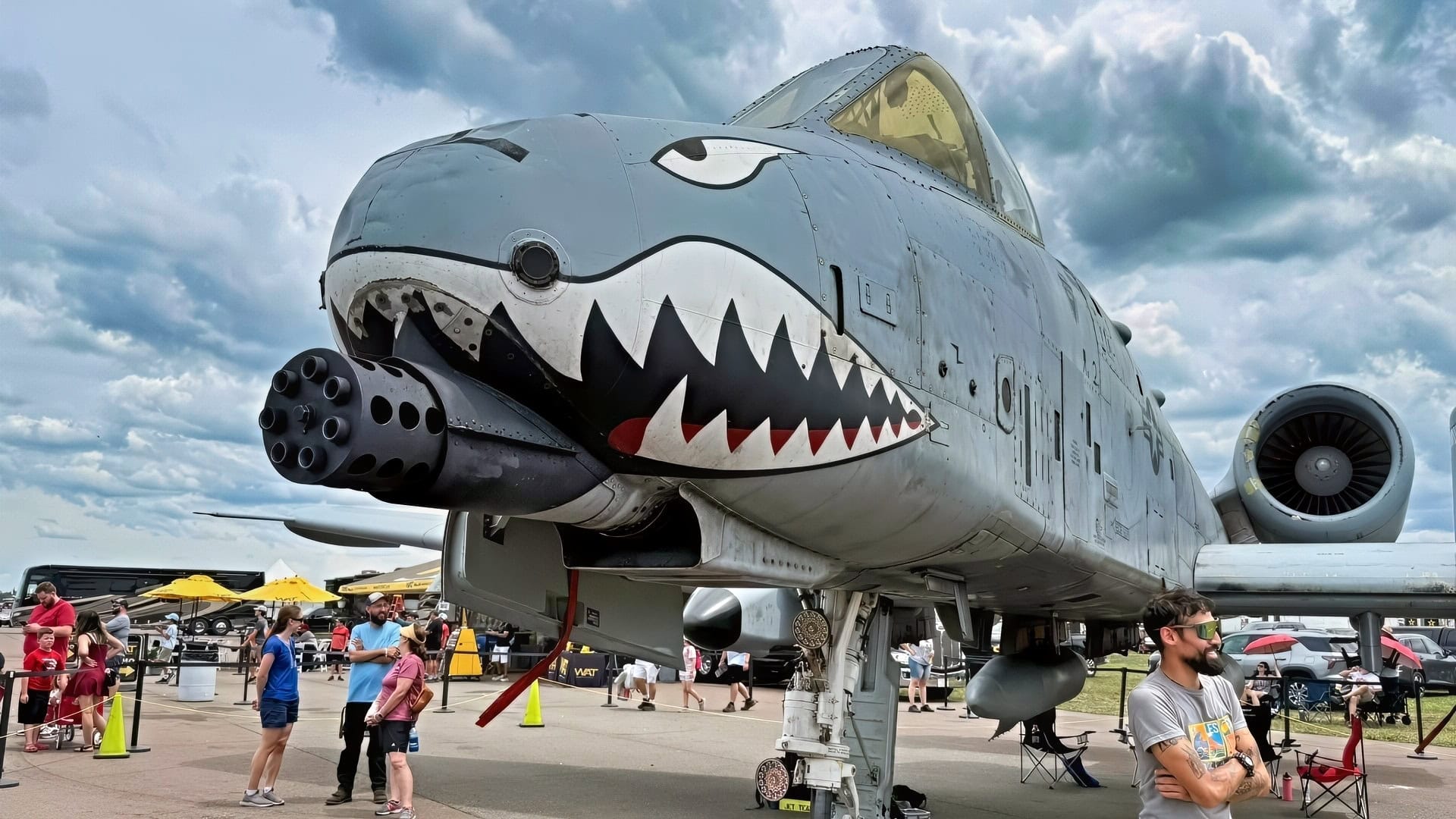
A-10 Warthog Lakeland Air Show 19FortyFive Photo
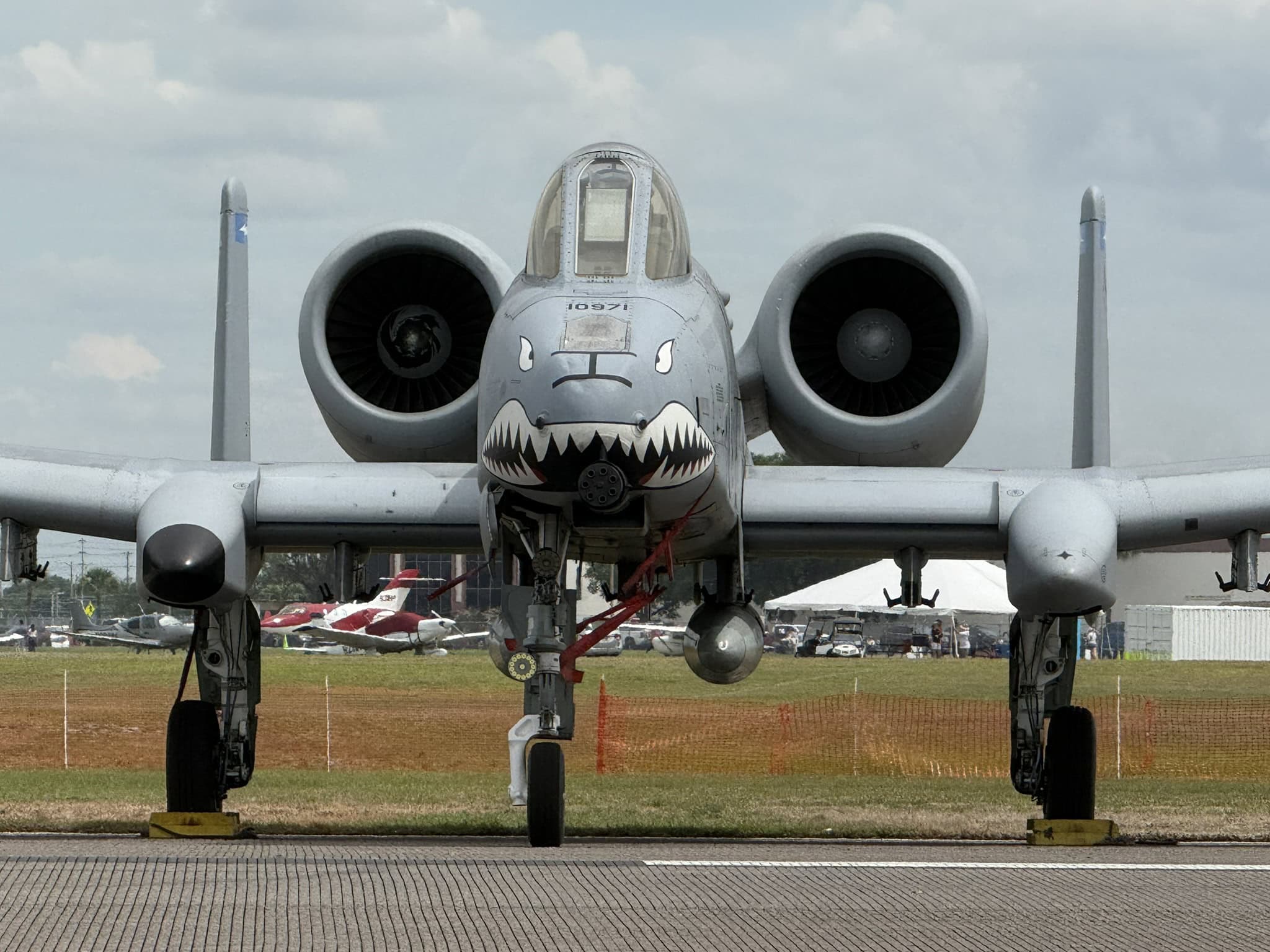
A-10 Warthog. Image Credit: 19FortyFive.com Taken on 4/19/2026.
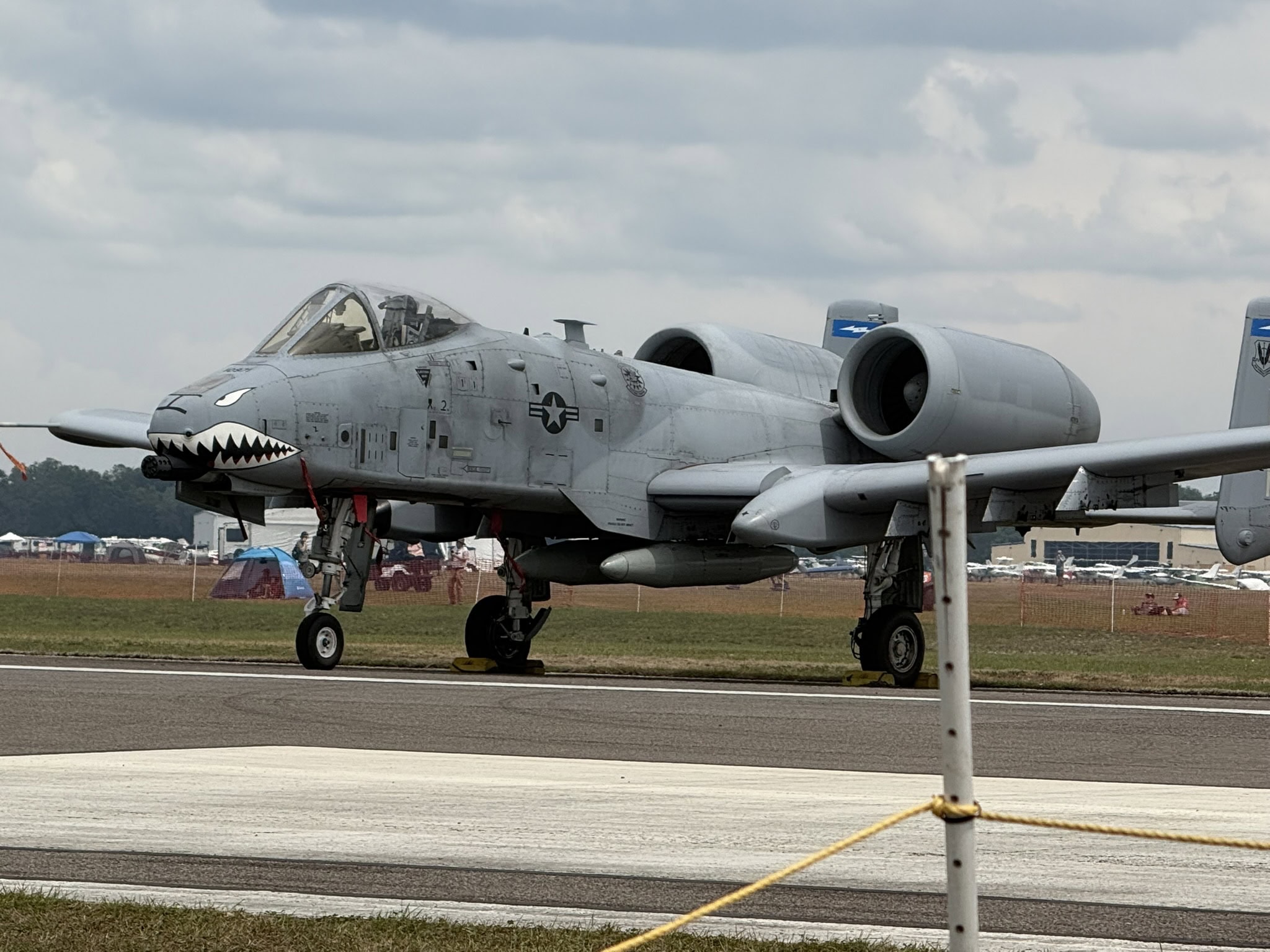
A-10 Warthog. 19FortyFive.com image taken in Lakeland, Florida on 4/19/2026.
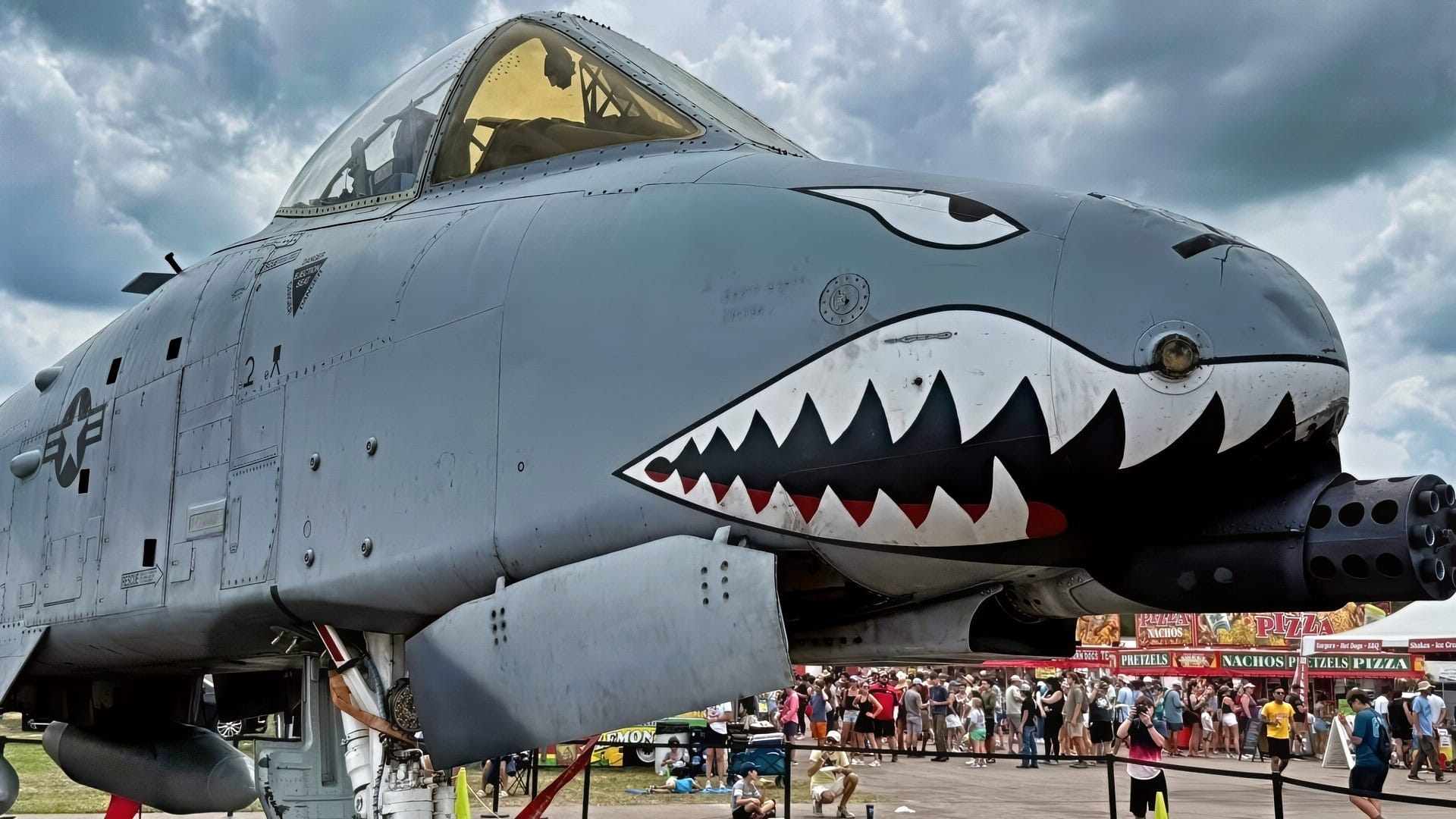
A-10 Warthog Lakeland Florida Airshow 19FortyFive.com. Taken on 4/19/2026.
Big Blue wanted to divest all 162 remaining A-10s during the FY2026 budget cycle rather than wait until FY2028, as originally planned. But the Air Force was overcome by events—notably, the Iran War.
While the Air Force might be technically correct about the inapplicability of the Warthog against China in a potential war over the Indo-Pacific, the fact is that the A-10 once more proved itself useful in a tactical pinch.
This time it was during the Iran War. The Air Force was tasked with deploying these heavily armored, slow-moving, GAU-8/A cannon-armed planes for counter-drone and anti-missile missions over the Middle East.
A-10s Find New Life as Counter-Drone and Missile Defense Systems
Since the Iran War began, America’s arsenals of critical air defenses have been so badly depleted that the United States was forced to plug gaps that had formed in the air defense networks of its bases ringing the Middle East.
Plus, the A-10s can assist in critical search-and-rescue missions by flying low, orbiting a crash site, and providing air support for any forces stranded on the ground.
So, there is a serious argument for keeping at least a limited number of A-10s temporarily, especially after the A-10s once more proved their utility in affordably (relatively speaking) defending against incoming enemy missile and drone swarms when the conventional arsenal of missile-defense interceptors had been critically drained.
The BRRRRT Act is less a mandate to maintain an aging plane indefinitely and more a recognition that the US Armed Forces must get much savvier at adapting to the current threat environment.
For those adaptations to work, the US military must be quicker in fielding effective countermeasures against drone and missile swarms.
That’s where the A-10 can help.
No, it won’t remain forever. But extending its service life to FY2033 makes sense — especially considering that the Air Force lacks a viable, reliable, and affordable alternative.
About the Author: Brandon J. Weichert
Brandon J. Weichert is the Senior National Security Editor at 19FortyFive.com. He also manages The Weichert Brief on Substack. Weichert also hosts “National Security Talk” on Rumble. He is the author of four bestselling national security books, the most recent of which is A Disaster of Our Own Making: How the West Lost Ukraine (Encounter Books). Follow him via Twitter/X @WeTheBrandon.