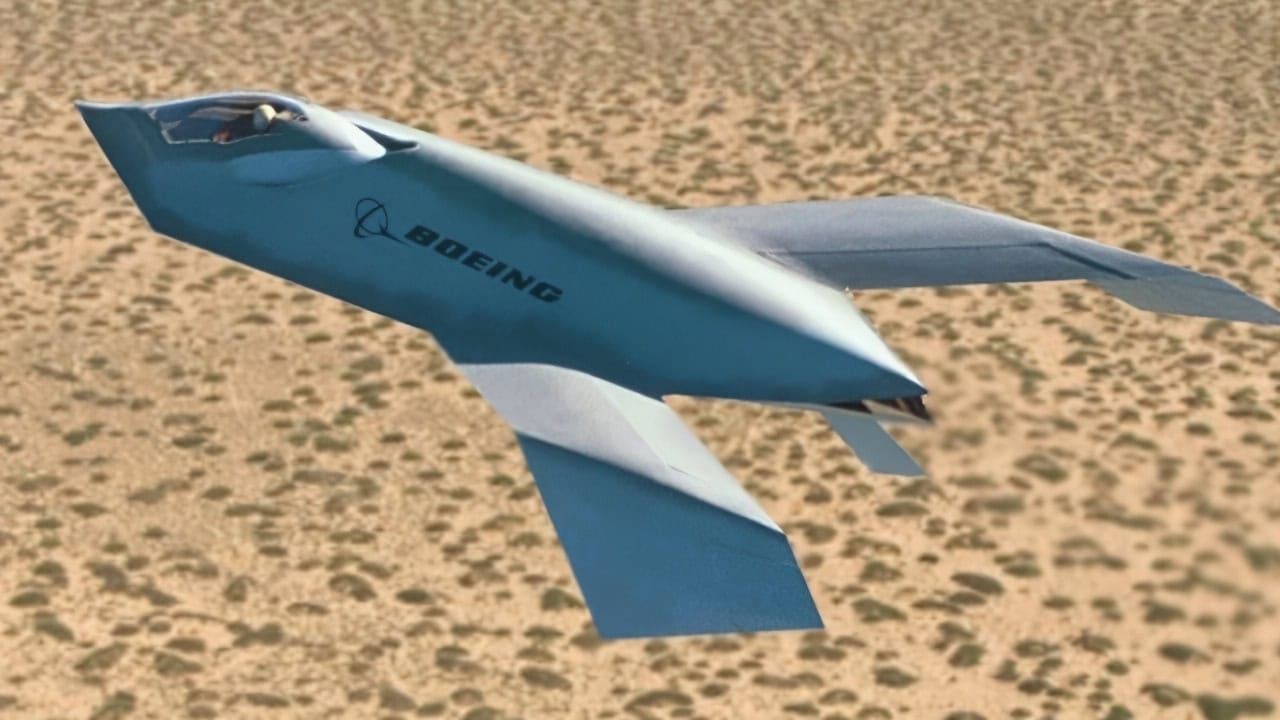
Summary and Key Points: The Boeing YF-118G Bird of Prey cost $67 million, flew 38 times between late 1996 and 1999, and was never meant to fight anything. It had no radar, no weapons bay, and no combat mission systems of any kind. Its single Pratt & Whitney JT15D-5C turbofan produced about 3,190 pounds of thrust, enough for roughly 300 miles per hour and a ceiling near 20,000 feet — slower than a business jet, in an airframe 47 feet long with a wingspan of just 23 feet. The plane is now on display at the National Museum of the US Air Force, right above an F-22 Raptor stealth fighter built by Lockheed Martin.
The Boeing YF-118G Was Never Built for Combat
Developed secretly in the 1990s, the Boeing YF-118G “Bird of Prey” was a single-seat technology demonstrator designed to showcase how low-observable aircraft could work.
The Bird of Prey also aimed to show that low-observable planes could be built more cheaply than earlier designs.
Although the Bird of Prey was never mass-produced or even widely accepted by the United States Armed Forces, the methods and technologies behind this unique and legendary project were ultimately used by the designers of fifth-generation warplanes.
Indeed, some indications suggest that the design of some F-47 sixth-generation warplanes may have been inspired by the Bird of Prey in the 1990s.
The “Bird of Prey”
Running from 1992 through 1999, the YF-118G “Bird of Prey” cost just $67 million. Boeing did not publicly reveal this alien-looking warplane design until October 2002.
Boeing funded the program through its Phantom Works advanced-development organization.
Thus, the Bird of Prey project avoided the high costs of experimental aircraft often associated with Pentagon projects. Boeing deliberately kept the Bird of Prey simple.
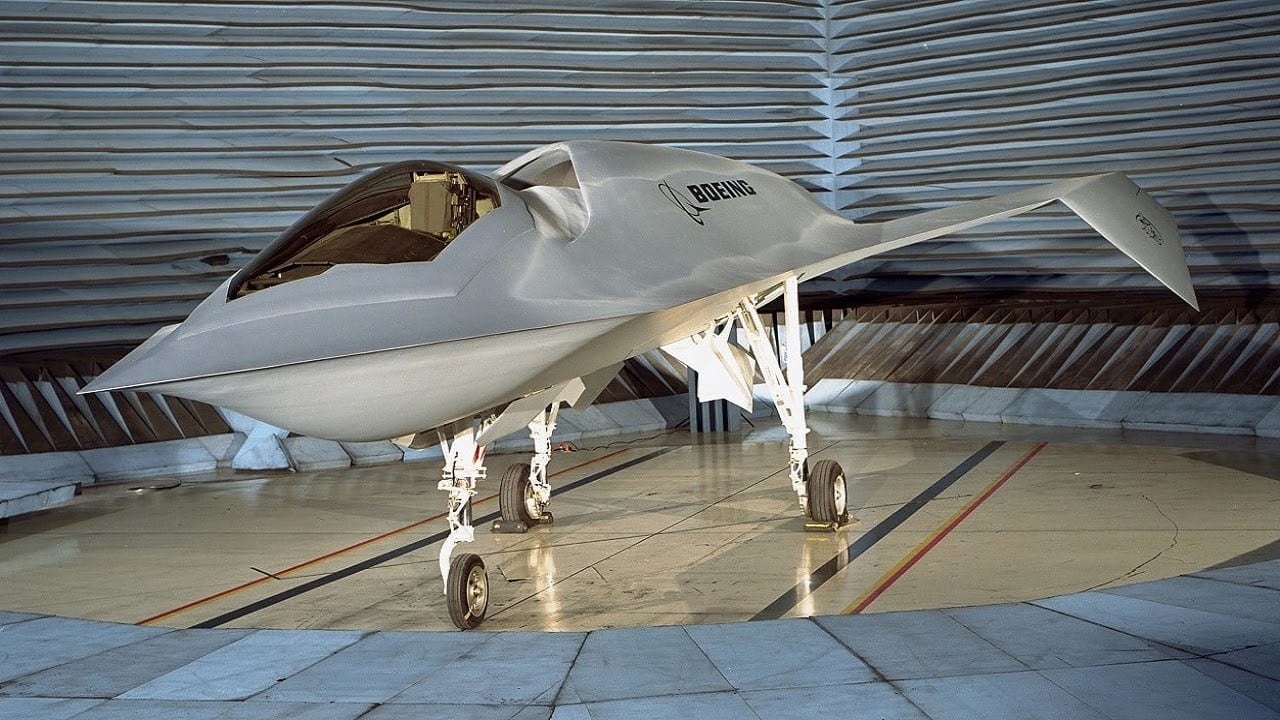
YF-118G. Image Credit: Creative Commons.
Rather than a warplane-in-waiting, the Bird of Prey was really a flying lab.
The YF-118G employed a single Pratt & Whitney JT15D-5C turbofan engine that produced around 3,190 pounds of thrust. This plane could achieve a maximum speed of 300 miles per hour.
It had a ceiling of about 20,000 feet.
This innovative demonstrator was about 47 feet long and had a very narrow 23-foot wingspan (adding to its UFO-like appearance).
To show how bare-bones the YF-118G was from a design perspective, Boeing never placed an operational radar, weapons bay, or any combat mission systems on the plane.
The plane was meant only to test new stealth shaping and manufacturing methods that would later be applied to systems intended for frontline service.
One of the more interesting design choices of the YF-118G was the positioning of the plane’s engine intake.
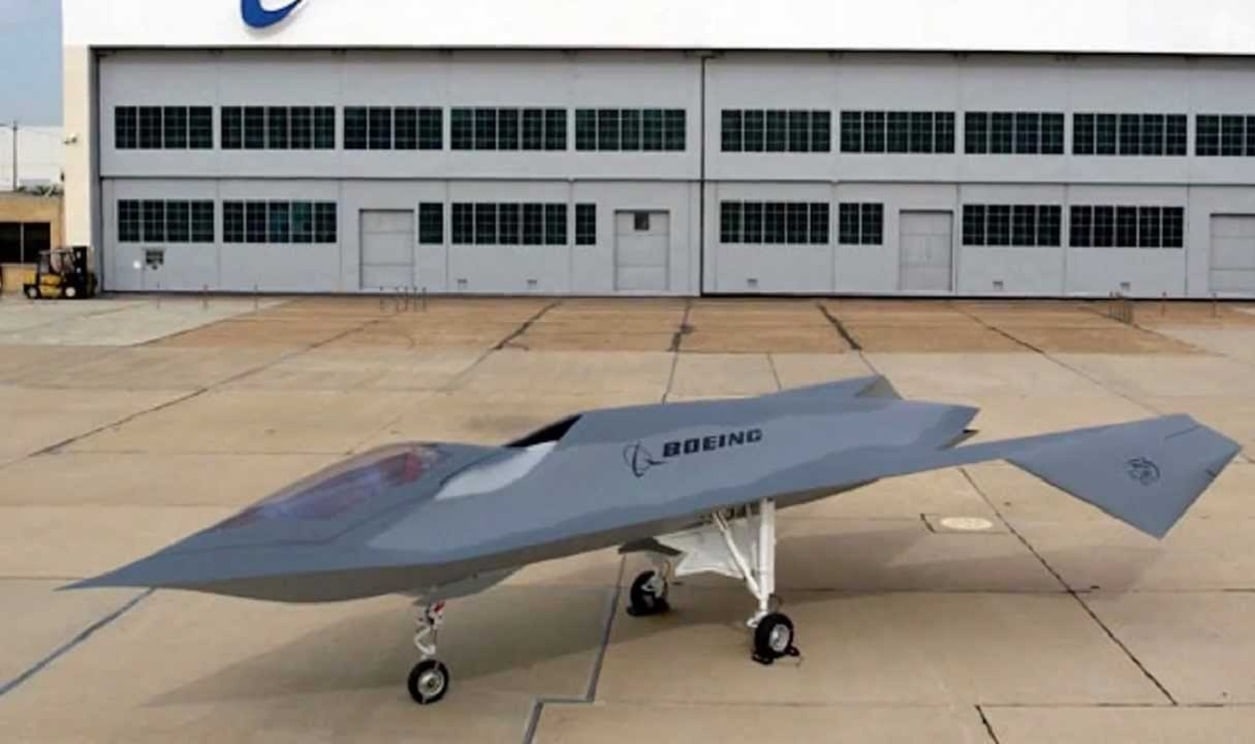
Boeing YF-118G. Image: Creative Commons.

DAYTON, Ohio — Boeing Bird of Prey at the National Museum of the United States Air Force. (U.S. Air Force photo)
Engineers placed the engine in a shielded position so that enemy radar looking directly at the Bird of Prey would not have a direct view of the engine compressor face, meaning that enemy radars would be unlikely to easily identify the plane as a fighter without seeing the reflection of that engine compressor.
This was a smart design. And the Bird of Prey was essential for testing its utility.
Gapless Control Surfaces
Engineers incorporated what was known as “gapless” control surfaces, which smoothly integrated into the wings, further reducing the radar-reflected seams and other obstructions, however minute, that might have generated returns on enemy radar screens.
The Bird of Prey possessed a unique tailless configuration that effectively eliminated a major possible radar return–and is likely one of the inspirations for the still-developing Boeing F-47 sixth-generation warplane.
The Bird of Prey conducted 38 flights, starting in late 1996 and continuing through 1999.
Those test flights let enterprising engineers figure out how to make the unusual plane work outside computer simulations.
Early real-world testing of the platform included overcoming unanticipated high landing-gear drag and other stability issues (likely resulting from the bizarre control surfaces and tailless configuration).
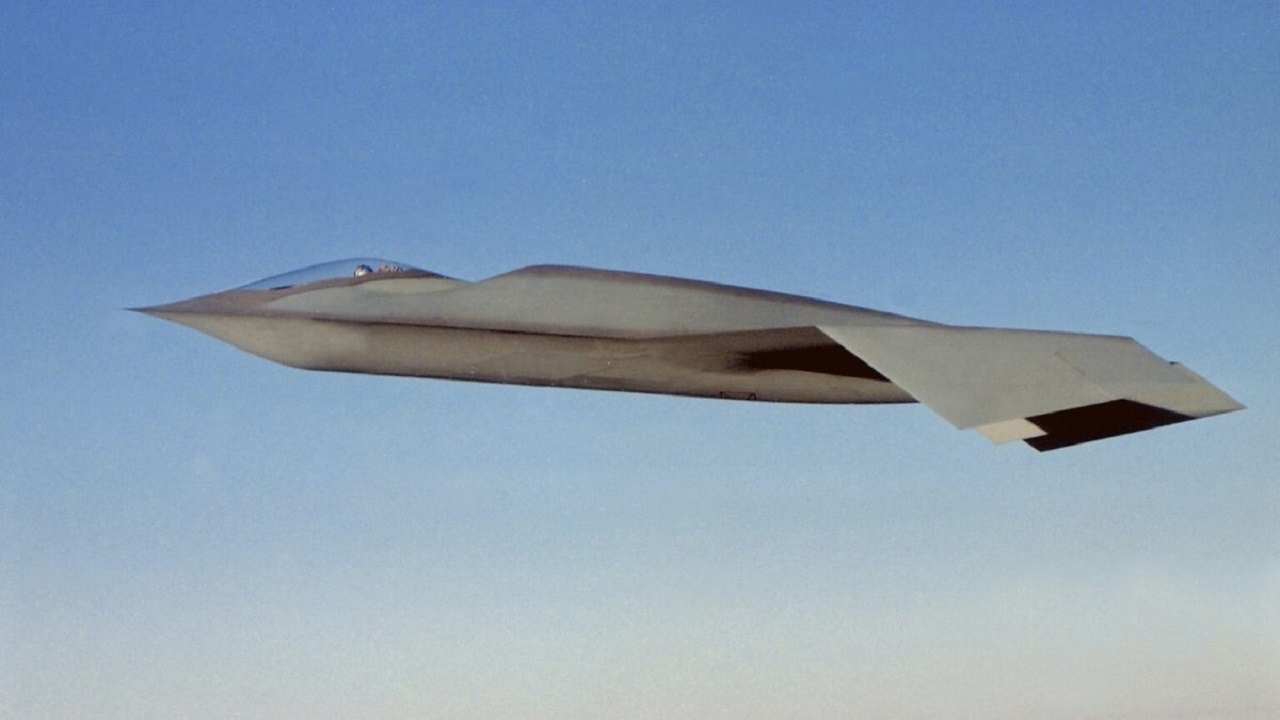
YF-118G. Image Credit: Boeing.
One of the more interesting tidbits about the Bird of Prey’s design is that Boeing included parts of its landing gear from the civilian Beech King Air and Queen Air families of planes.
So, money went toward testing new concepts for the design rather than, well, reinventing the wheel–saving that money and ensuring that it could be reinvested in true innovation.
That data was then incorporated into other stealth configurations that saved the taxpayer billions because, rather than having to learn these hard lessons during, say, the F-22 Raptor or F-35 Lightning II testing, the military already knew these complications would arise and how best to overcome them.
An Incredible Machine
And because of the unique nature of the YF-118G Bird of Prey, the fact that the plane was the first major system to employ large, single-piece composite structures for greater stealth capabilities, the methods developed for the Bird of Prey demonstrator helped determine how they would fit together in future stealth warplane designs — and the military was able to streamline the manufacturing processes involved.
For $67 million, one demonstrator flew 38 test flights from 1996 to 1999.
Thanks to that one weird-looking aircraft, the US military could jump into the twenty-first century with an entirely new class of warplanes.
That Bird of Prey may never have hit the unfriendly skies of a major combat zone.
That wasn’t its purpose. Its raison d’etre was to teach US military engineers how to build next-generation stealth warplanes. In that way, the Bird of Prey was a resounding success.
We Visited the YF-118G at the National Museum of the US Air Force: See the Photos Below

YF-118G. Image taken by Harry J. Kazianis for 19FortyFive.
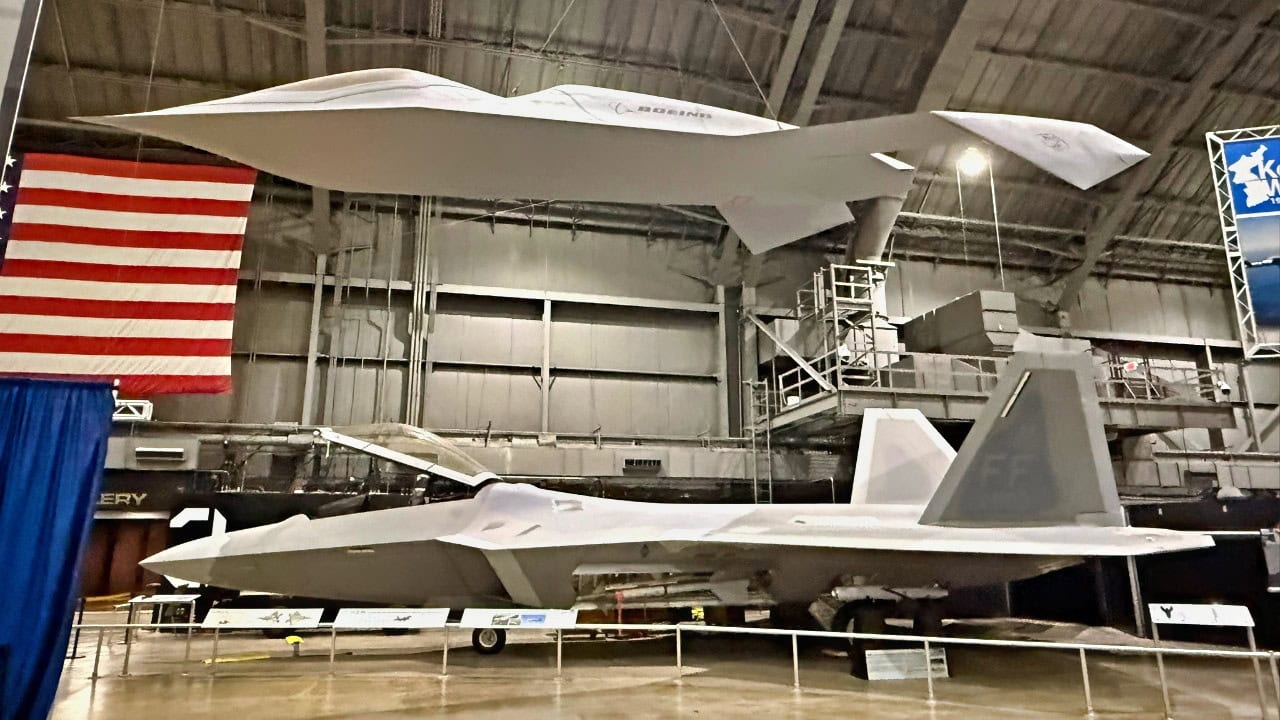
YF-118G. Image taken by Harry J. Kazianis for 19FortyFive.
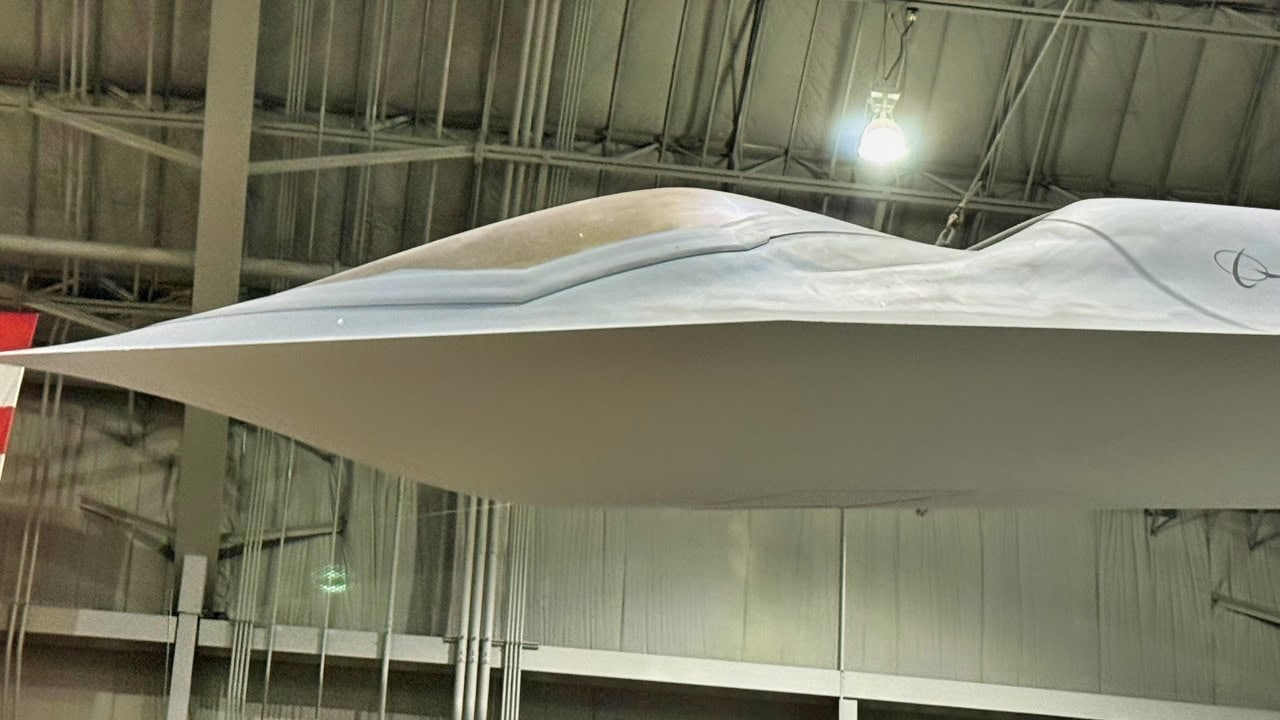
YF-118G. Image taken by Harry J. Kazianis for 19FortyFive.
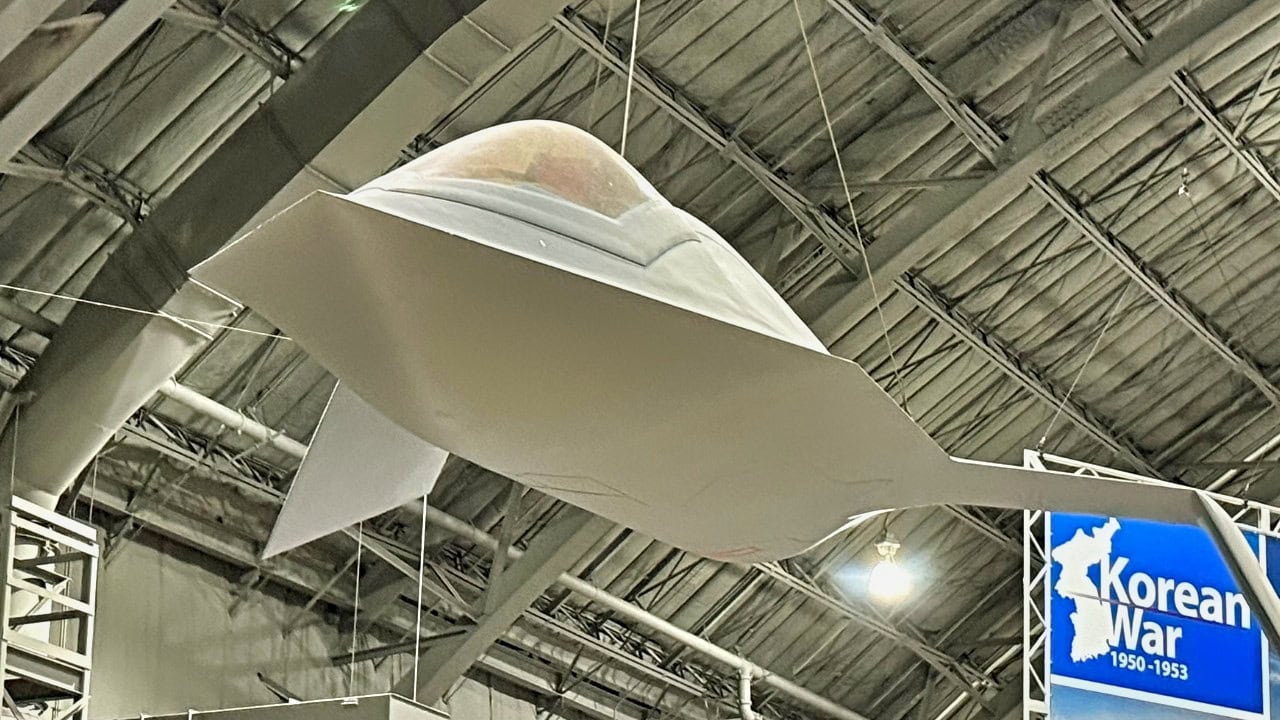
YF-118G. Image taken by Harry J. Kazianis for 19FortyFive.
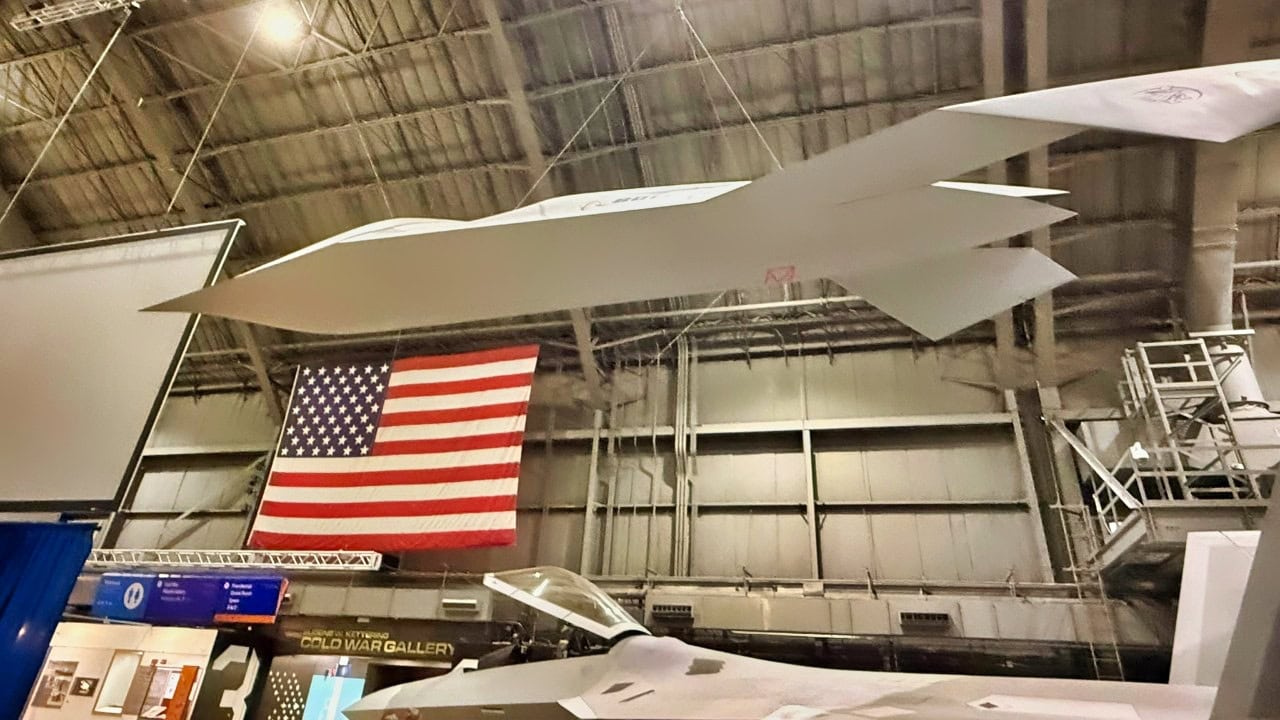
YF-118G. Image taken by Harry J. Kazianis for 19FortyFive.
About the Author: Brandon J. Weichert
Brandon J. Weichert is the Senior National Security Editor at 19FortyFive.com. He also manages The Weichert Brief on Substack. Weichert also hosts “National Security Talk” on Rumble. He is the author of four bestselling national security books, the most recent of which is A Disaster of Our Own Making: How the West Lost Ukraine (Encounter Books). Follow him via Twitter/X @WeTheBrandon.