Summary and Key Points: Expert Isaac Seitz recounts the July 29, 1967, fire aboard the aircraft carrier USS Forrestal (CVA-59) in the Gulf of Tonkin: an electrical anomaly fired a Zuni rocket from an F-4B Phantom into an A-4 Skyhawk’s fuel tank, with Lt. Cmdr. John McCain on deck, and cooking-off bombs killed 134 sailors, injured 161 and destroyed 21 aircraft, causing $72 million in damage. Destroyers George K. MacKenzie and Rupertus helped; the Navy founded the Farrier Firefighting School.
The USS Forrestal Aircraft Carrier Fire
The 1967 fire on the USS Forrestal aircraft carrier was one of the most devastating naval disasters in U.S. history. It occurred on July 29, 1967, while the aircraft carrier was stationed in the Gulf of Tonkin during the Vietnam War. The incident resulted in significant loss of life, extensive damage to the ship, and led to major changes in naval safety protocols.
On the morning of July 29, 1967, the USS Forrestal (CVA-59) was preparing for a series of airstrikes against North Vietnamese targets. At approximately 10:52 a.m., an electrical anomaly accidentally caused a Zuni rocket on an F-4B Phantom to fire.
The rocket struck an external fuel tank on an A-4 Skyhawk piloted by Lieutenant Commander John McCain, who would later become a U.S. Senator. The rocket impact ruptured the fuel tank, spilling jet fuel across the flight deck.
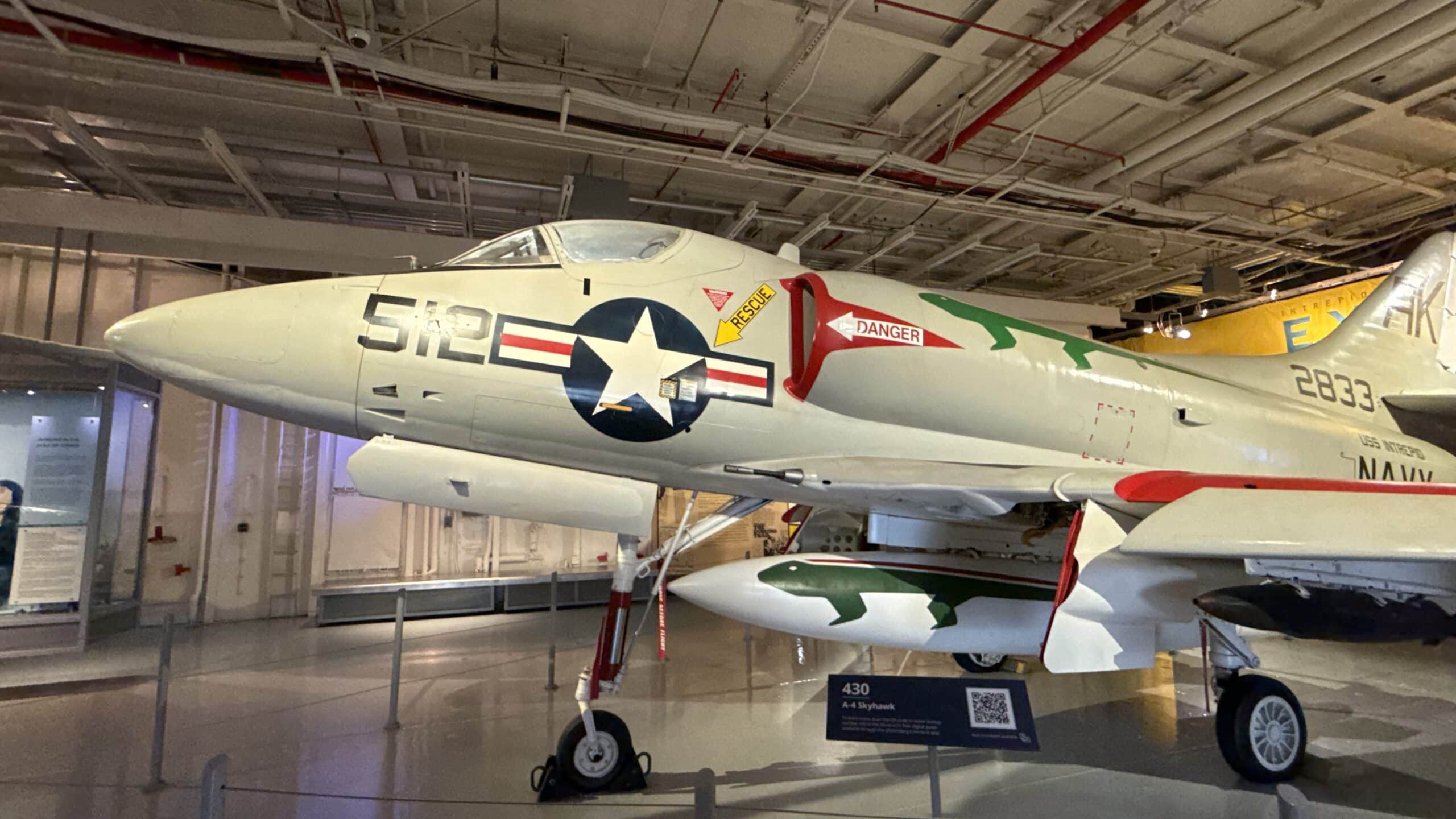
A-4 Skyhawk 19FortyFive Photo from USS Intrepid.
The fuel ignited, creating a massive fire that quickly spread across the deck. The initial explosion was followed by a series of secondary explosions as bombs and other ordnance on the aircraft began to detonate. The fire raged for hours, despite the crew’s efforts to contain it.
Response and Containment
As soon as the fire broke out, the Forrestal crew immediately took action to contain it.
The first line of defense was damage control teams of sailors with basic firefighting training.
However, because jet fuel fueled the fire, containing it proved more difficult and dangerous than first thought.
The firefighters’ goal was to keep the flames from spreading to other flammable ordnance and damaging aircraft on the deck.
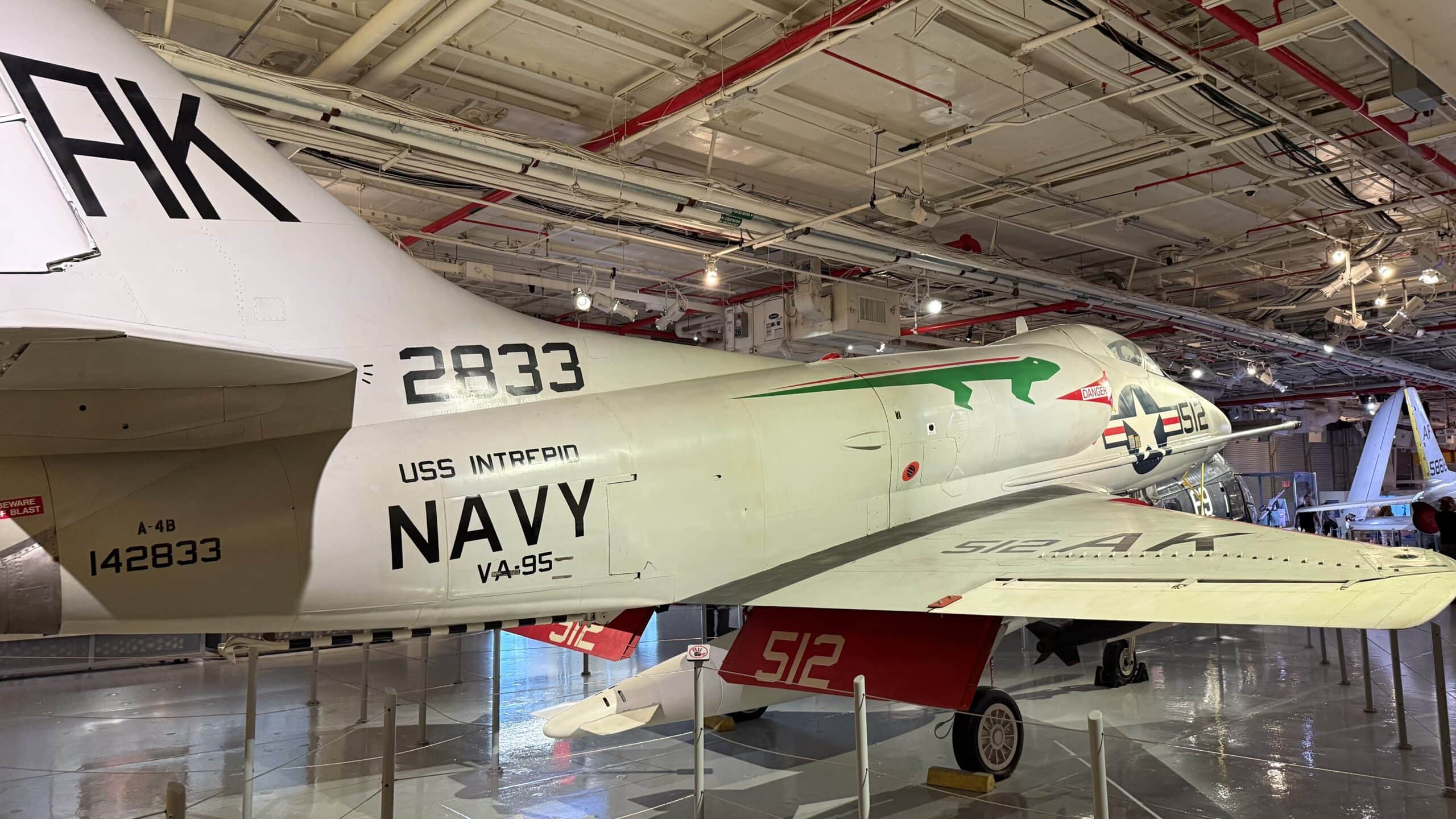
A-4 Skyhawk 19FortyFive Photo from USS Intrepid.
Despite the challenges, the fire was eventually contained largely because of the heroic efforts of the firefighters and other sailors, some of whom gave their lives to rescue others.
The fire burned for many hours before firefighters, aided by two assisting destroyers, the USS George K Mackenzie and the USS Rupertus, finally extinguished it.
Aftermath of the Disaster
The fire on the USS Forrestal had far-reaching consequences for the U.S. Navy and its operations. The fire resulted in the deaths of 134 sailors and injured 161 others. It was one of the deadliest incidents in the history of the U.S. Navy.
The USS Forrestal sustained extensive damage. The fire destroyed 21 aircraft and caused significant structural damage to the flight deck and other parts of the ship. Repair costs were estimated at $72 million.
The disaster prompted the Navy to investigate and reevaluate its safety procedures and implement significant changes. These included improved ordnance handling, new firefighting equipment and techniques, and the establishment of the Farrier Firefighting School in Norfolk, Virginia, named for Chief Gerald W. Farrier, who was among the first to die in the fire.
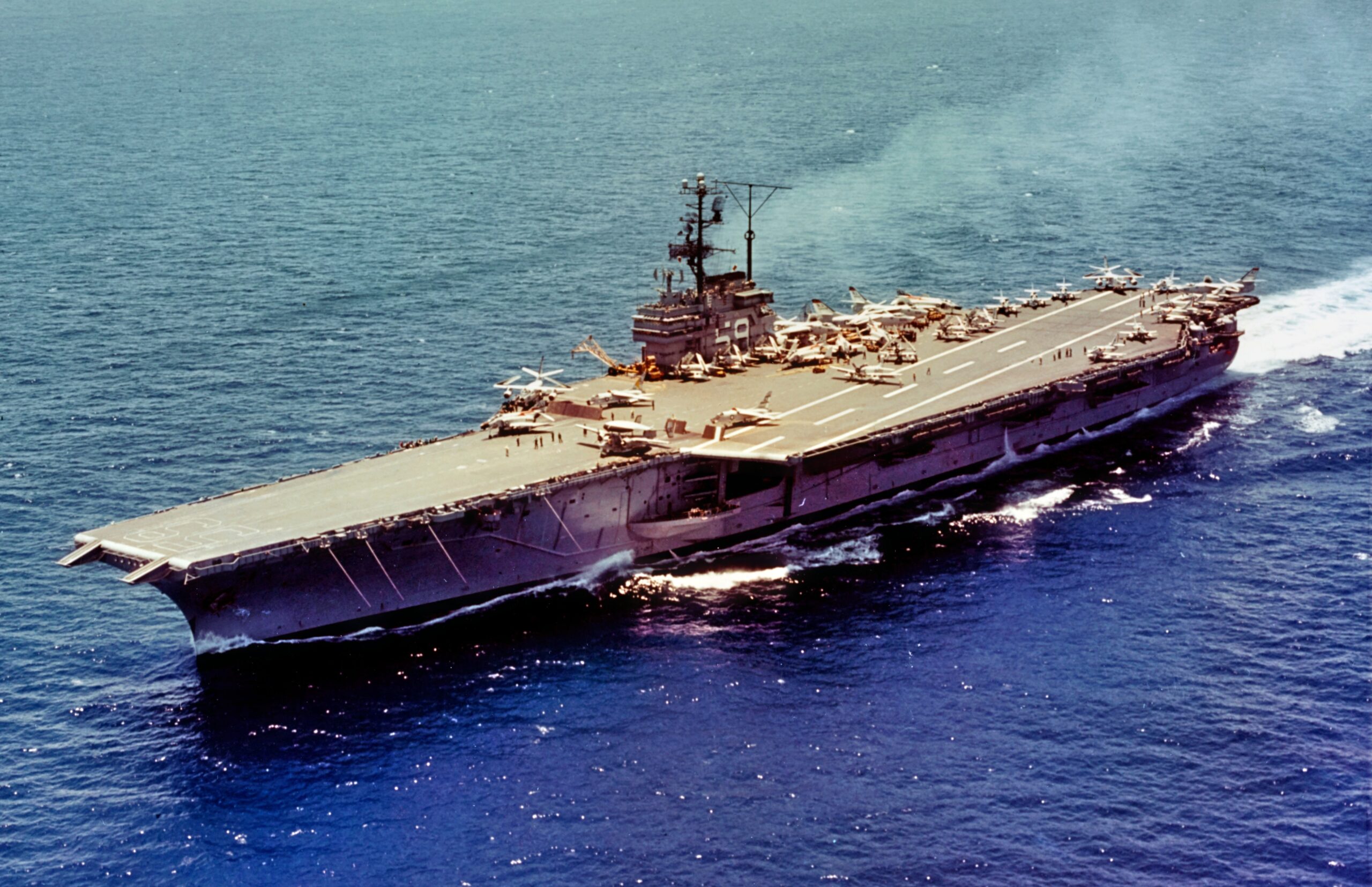
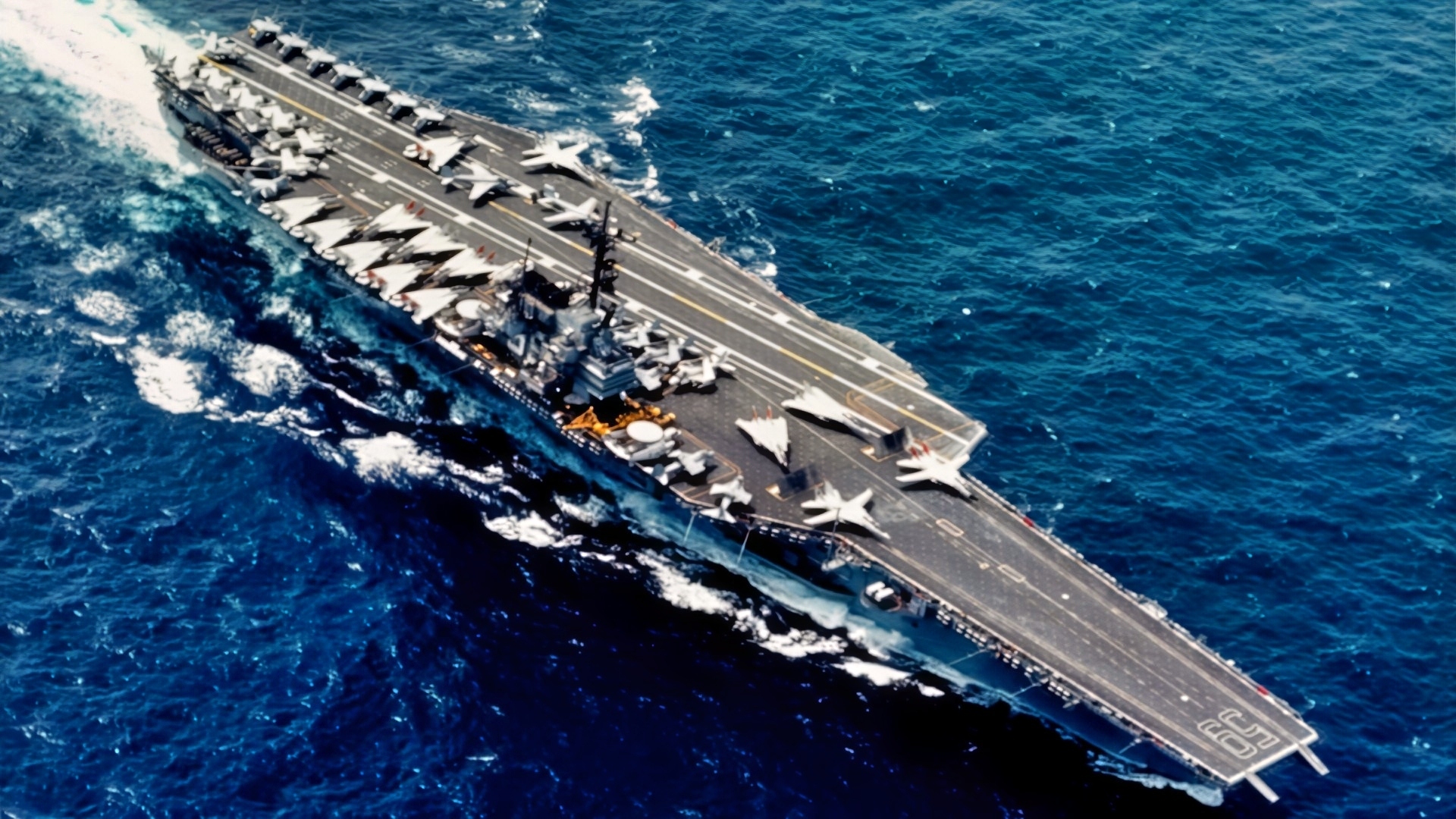
USS Forrestal Aircraft Carrier. Image Credit: Creative Commons.
The incident highlighted aircraft carriers’ vulnerabilities and the need for better safety measures. It led to new protocols for handling munitions and fuel, along with improvements in damage control and firefighting training.
What Caused the Fire?
The primary cause of the fire was the accidental discharge of the Zuni rocket. The Zuni rocket, widely used during the Vietnam campaign, was notorious for technical failures and a tendency to fire accidentally.
In addition, the carrier had recently received deliveries of unstable, thin-skinned, highly flammable ordnance. Because of the bombing campaigns and their strategic necessity, the USS Forrestal had to place these unstable munitions on the flight deck, as the ammo storage compartments were already at full capacity.
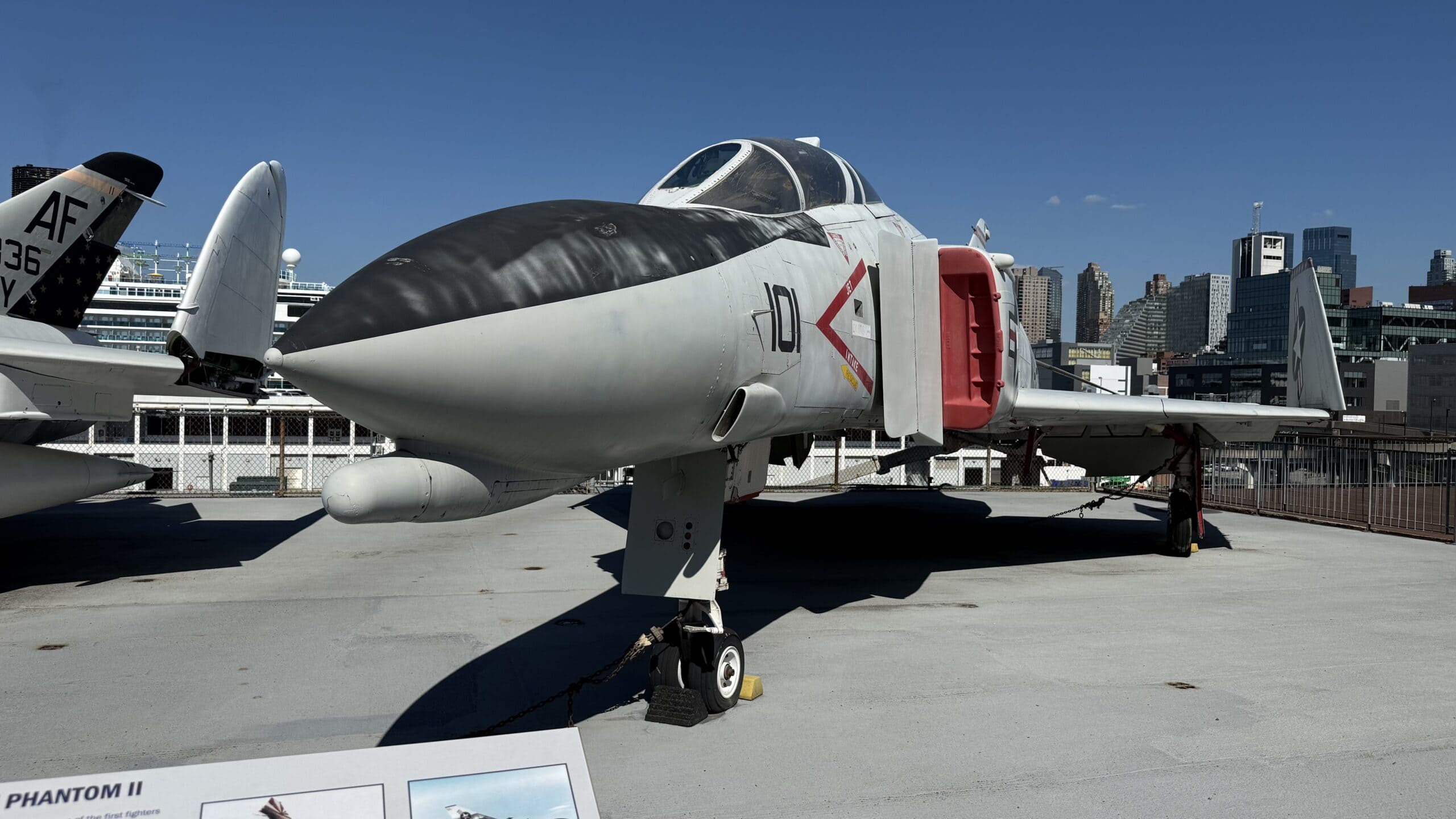
F-4 Phantom. 19FortyFive.com Photo.
However, several factors contributed to the disaster’s severity.
The intense heat from the fire caused these munitions to explode, exacerbating the situation. Ruptured fuel tanks spilled large quantities of jet fuel, providing ample fuel for the fire.
The fuel spread quickly across the deck, igniting other aircraft and causing further explosions.
The crew also faced major challenges fighting the fire; many sailors were untrained in firefighting and sometimes hindered efforts.
Intense heat and thick smoke made it difficult to approach the flames, and explosions created additional hazards. The blaze overwhelmed many of the ship’s firefighting systems.
The USS Forrestal Fire and its Ripple Effects
Overall, the fire on the USS Forestall is one of the biggest naval disasters in U.S. History.
It reminds us of the dangers those who serve at sea face and the importance of rigorous safety standards.
In the aftermath, the Navy launched a thorough investigation and identified many of the key problems that caused it.
The investigation also recommended several safety reforms for aircraft carriers.
These recommendations included remote-controlled firefighting systems, more stable ordnance, increased training, and other safety measures that are now common practice.
About the Author: Isaac Seitz
Isaac Seitz, a 19FortyFive Defense Columnist, graduated from Patrick Henry College’s Strategic Intelligence and National Security program. He has also studied Russian at Middlebury Language Schools and has worked as an intelligence Analyst in the private sector.