
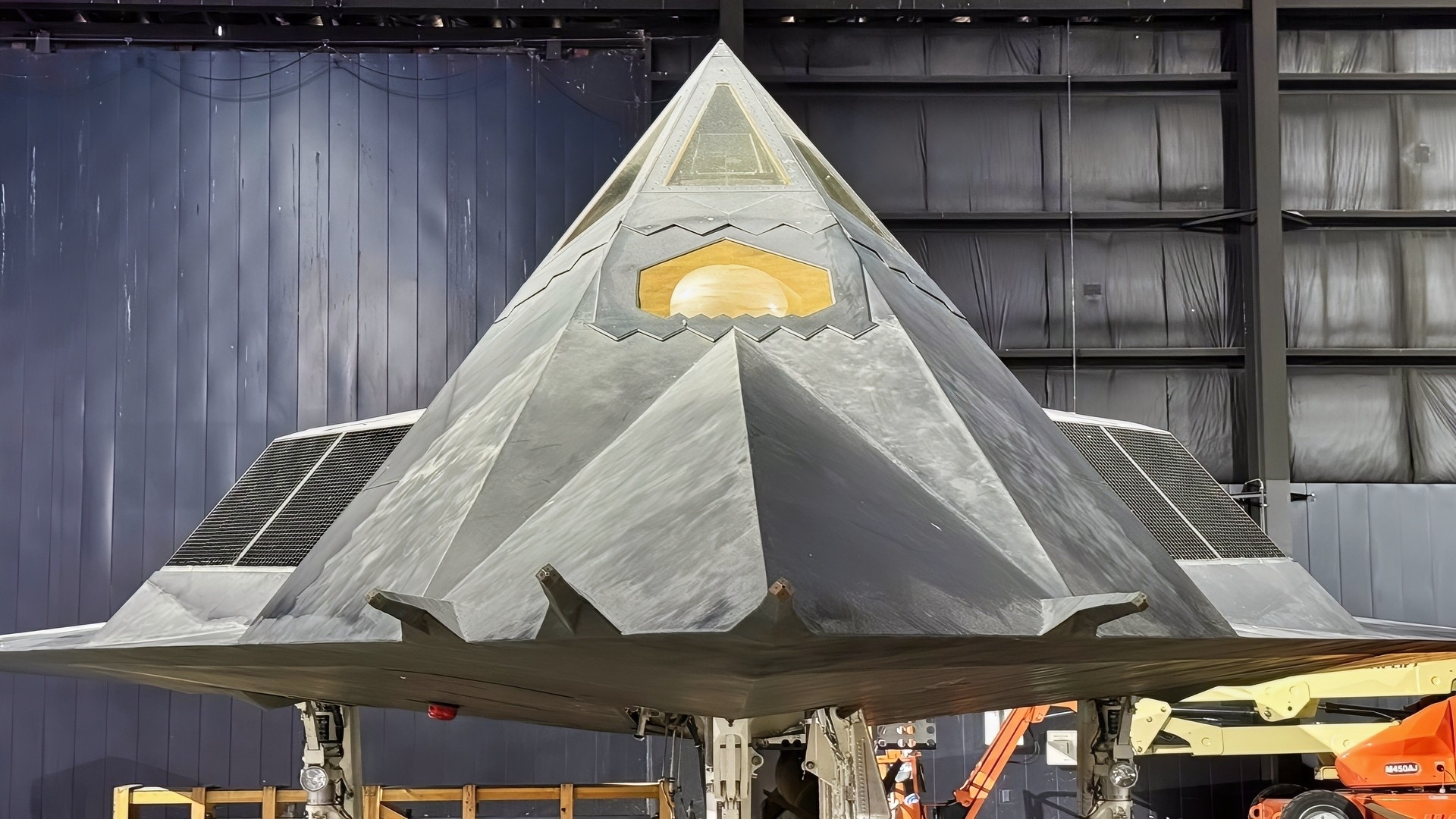
Summary and Key Points: The F-117 Nighthawk spent most of the 1980s as a jet that officially didn’t exist: pilots commuting to Tonopah on minimally marked 727s, A-7 Corsairs as a cover story, and about 10,000 people keeping the secret until a single grainy photo on November 10, 1988.
The F-117 Nighthawk Was Amazing Aviation History and Still Flies Despite ‘Retirement’
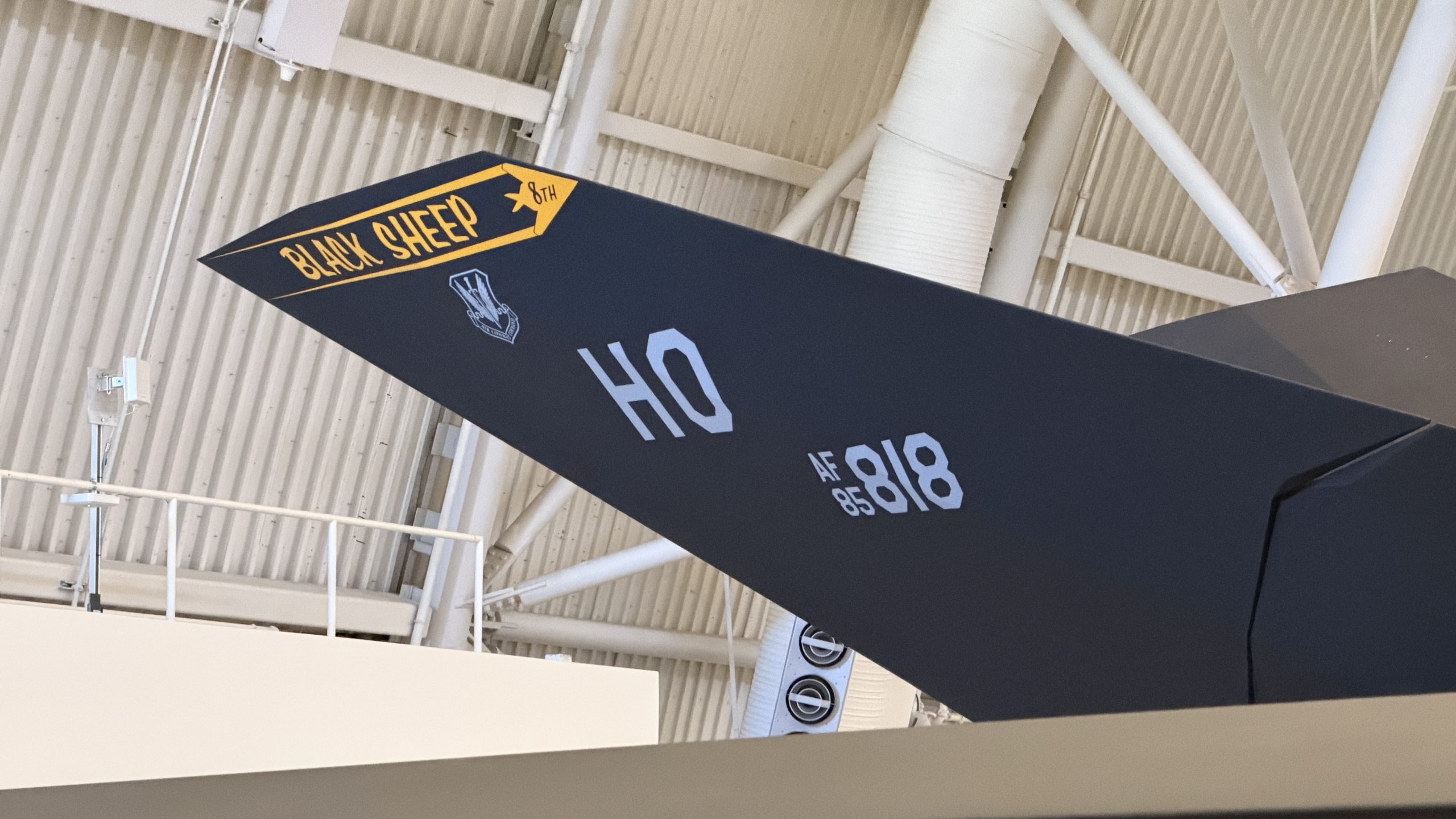
F-117 Nighthawk at the Smithsonian. 19FortyFive Original Image by Christian D. Orr.
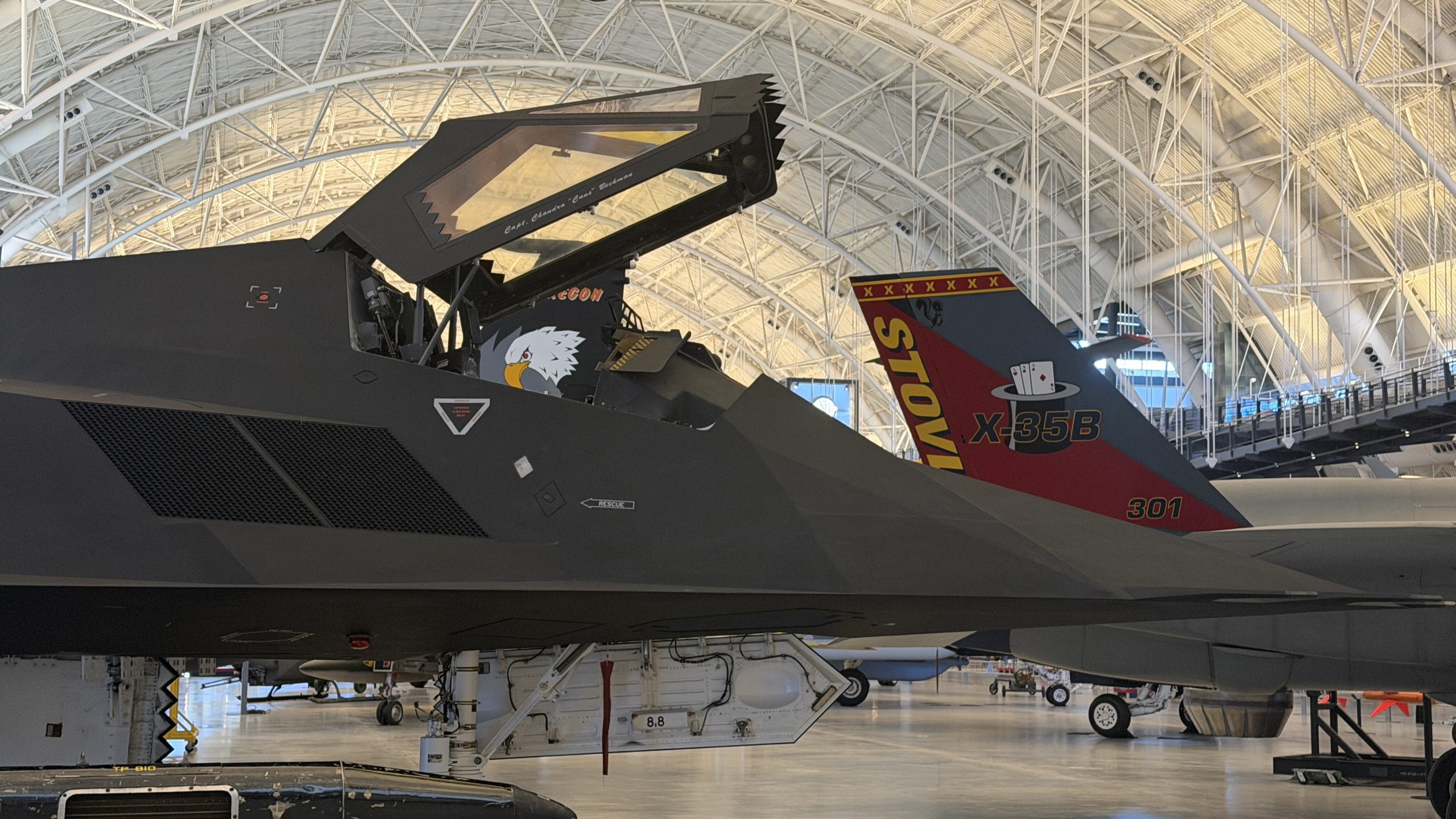
F-117 Nighthawk at the Smithsonian. 19FortyFive Original Image by Christian D. Orr.
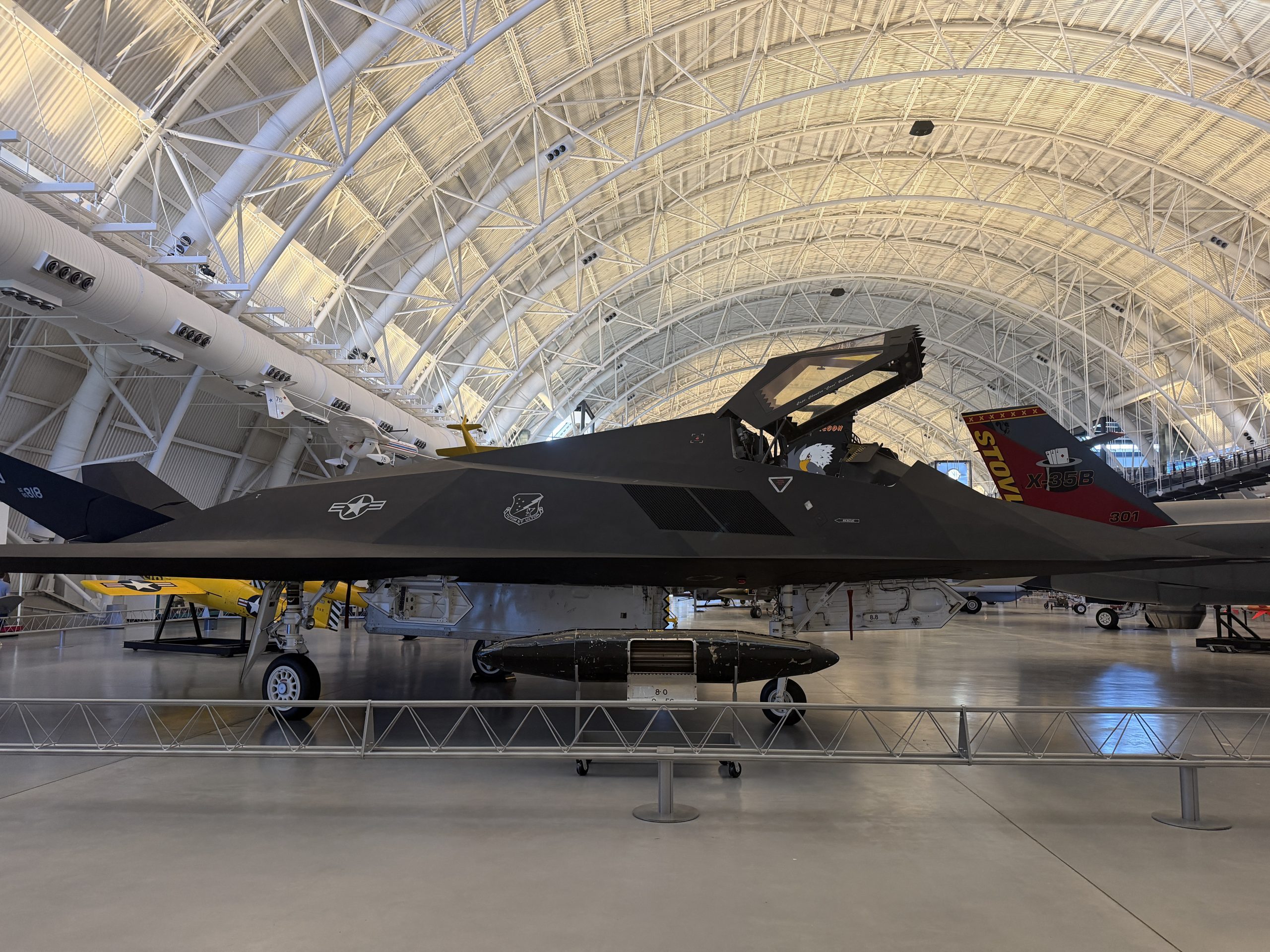
F-117 Nighthawk at the Smithsonian. 19FortyFive Original Image by Christian D. Orr.
For most of the 1980s, the US Air Force’s most important aircraft officially didn’t exist.
The F-117 Nighthawk flew only at night, out of a remote strip in the Nevada desert, flown by pilots who couldn’t tell their own wives what they did for a living.
When the Pentagon finally admitted it was real, the public got one blurry photo.
Two years later, it was flying over Baghdad on the first night of Desert Storm.
The Lockheed F-117 Nighthawk was the world’s first operational stealth aircraft. The U.S. developed it to attack high-value targets without being detected by radar.
It utilized a faceted design and radar-absorbent materials to minimize its radar cross-section.
It looked like nothing else in the sky.
It flew like a brick with a computer bolted to it.
And it changed air warfare permanently.
However, to understand why the Air Force spent billions on a jet nobody was allowed to see, you have to start with what was killing American and allied pilots in the 1960s and 1970s.
The SAM Problem Forced The Air Force’s Hand
The answer was surface-to-air missiles. Over North Vietnam, Soviet-built SAMs and radar-directed flak took a huge toll on American aircraft, and planners did the math on what a war with the Warsaw Pact would look like. The numbers were not encouraging.
Then came 1973.
In the Yom Kippur War, Egypt’s SA-6 batteries chewed up Israeli F-4 Phantoms.
The Israelis had good pilots and good jets.
None of that saved them. If NATO took those kinds of losses over Central Europe, it would run out of airplanes in a matter of weeks.
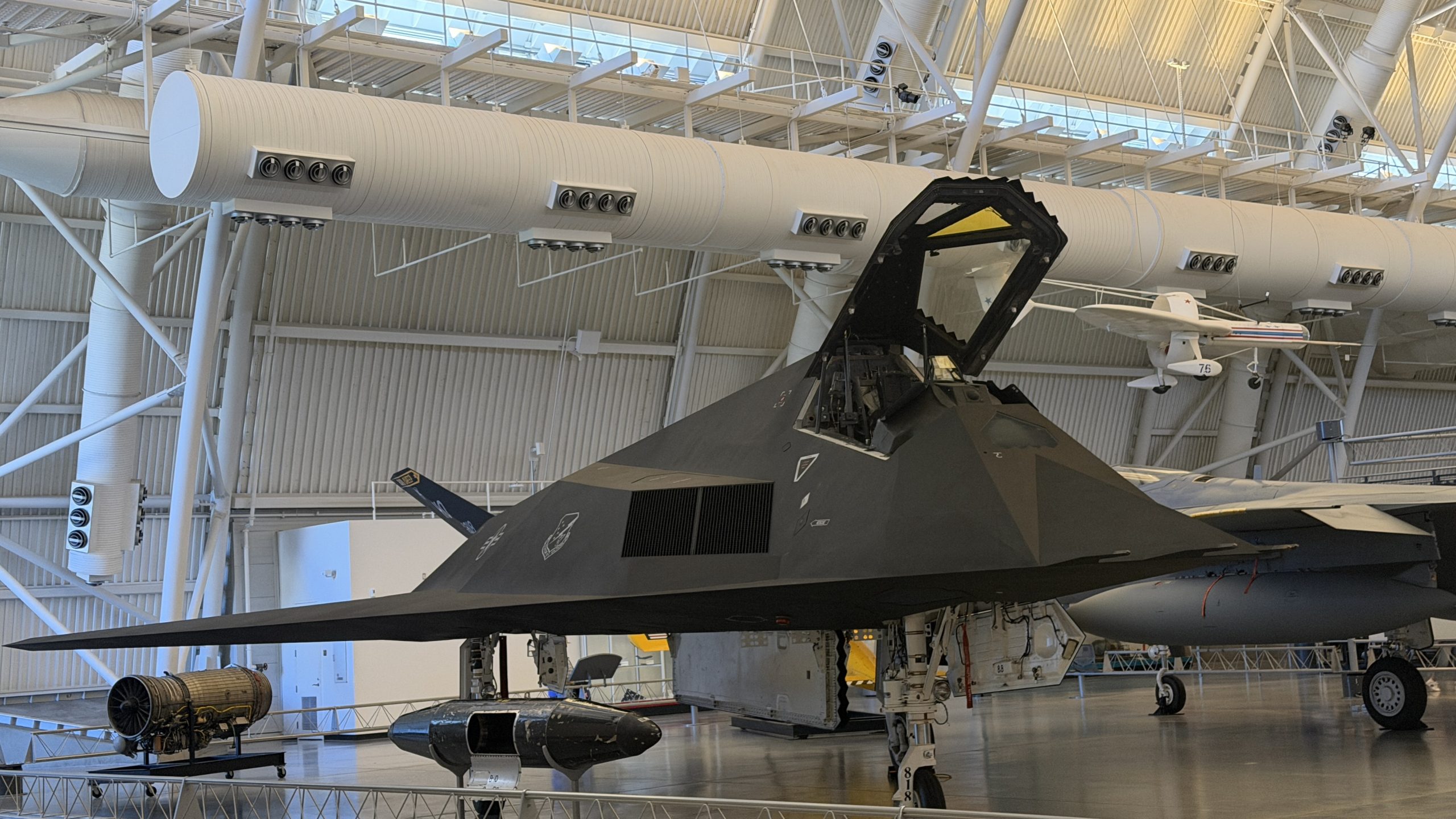
F-117 Nighthawk at the Smithsonian. 19FortyFive Original Image by Christian D. Orr.
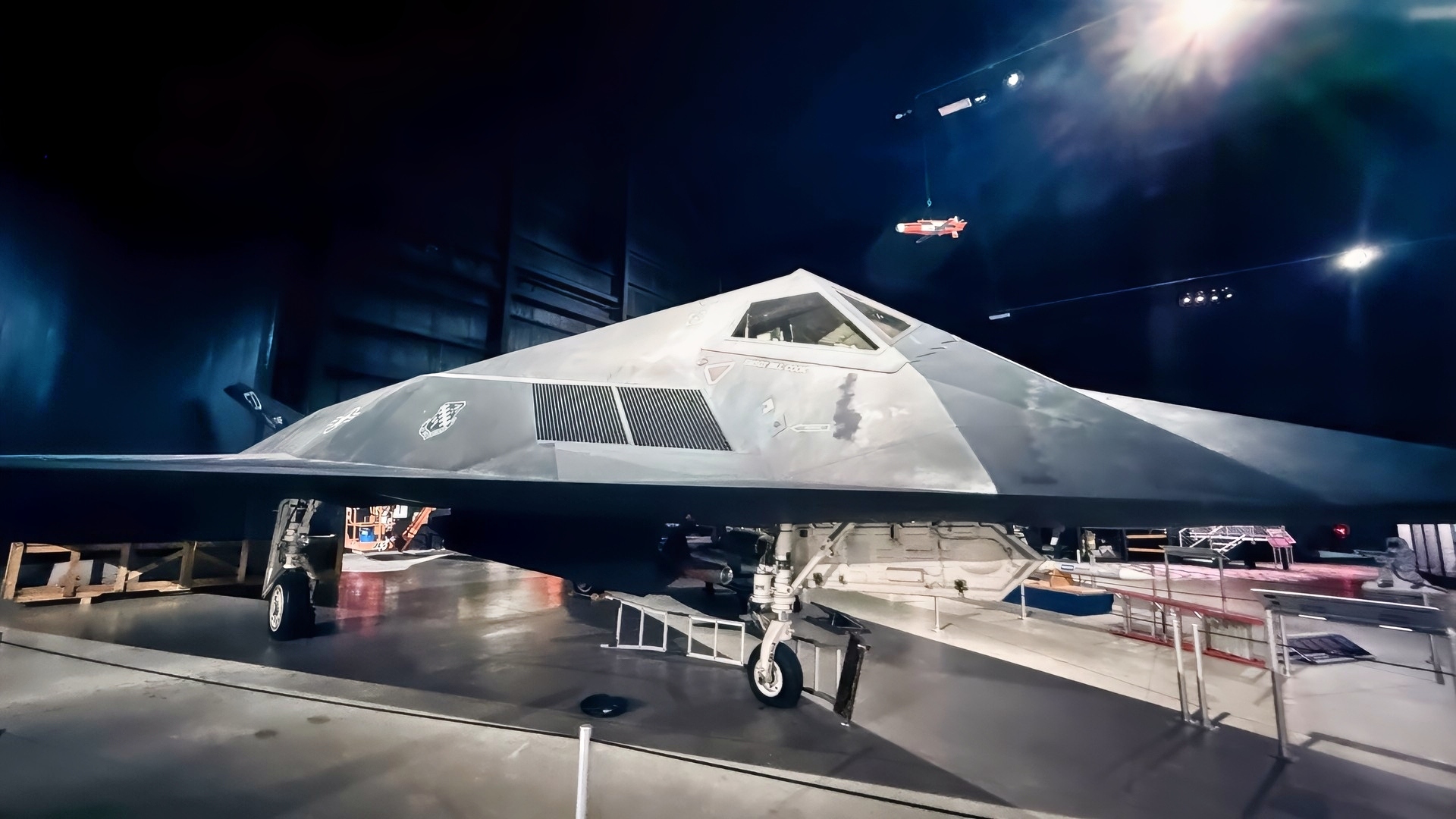
F-117 Nighthawk Stealth Fighter. 19FortyFive Photo from National Museum of the US Air Force Photo Shoot.
The old answer was jamming, chaff, escort packages, and dedicated SAM hunters.
That works, but it takes dozens of aircraft to get a handful of bombs on target.
The Pentagon wanted something simpler. A jet the radar couldn’t see in the first place.
In 1975, DARPA invited Lockheed, Northrop, and McDonnell Douglas to compete on an experimental stealth testbed. Lockheed’s Skunk Works, then led by Ben Rich, won the contract with a faceted design built from flat panels that bounced radar energy away from the receiver.
The result was Have Blue, two small demonstrators that flew 88 test missions.
Both eventually crashed.
The concept still worked, and the Air Force ordered a full-size version under the program name Senior Trend.
The Skunk Works went from contract to fielded jets in about seven years. Test pilot Hal Farley made the first flight on June 18, 1981, and the first squadron was operational in 1983. For a brand-new technology, that’s blistering.
What The Black Jet Actually Cost
Lockheed built 64 Nighthawks in total. Five were development aircraft, and 59 were production F-117As.
The classified program cost about $6.56 billion, with roughly $2 billion for development and about $4.27 billion for procurement.
The Air Force put the average flyaway cost at $42.6 million per aircraft.
That sounds like a bargain, and in 1980s dollars it was.
However, flyaway cost doesn’t include the secret research, the new base, or the infrastructure.
Spread all of that across 64 airframes, and the program unit cost climbs to roughly $111 million each.
Then there’s the maintenance.
The F-117 was coated almost entirely in radar-absorbent material that was laborious and expensive to maintain, and crews inspected it after every sortie.
Late in its career, the fleet ate up about $350 million a year while making up just 4% of the Air Force’s precision-strike force.
A 1991 order for 24 more aircraft was scrubbed.
That’s the trade-off with first-generation stealth.
You pay for the capability up front, and you keep paying for it every time the jet comes back from a mission.
Hiding A Squadron In Plain Sight
Secrecy around the F-117 was intense.
The operational jets lived at Tonopah Test Range, a largely abandoned World War II training field in central Nevada.
They began construction of the support facility there in October 1979.
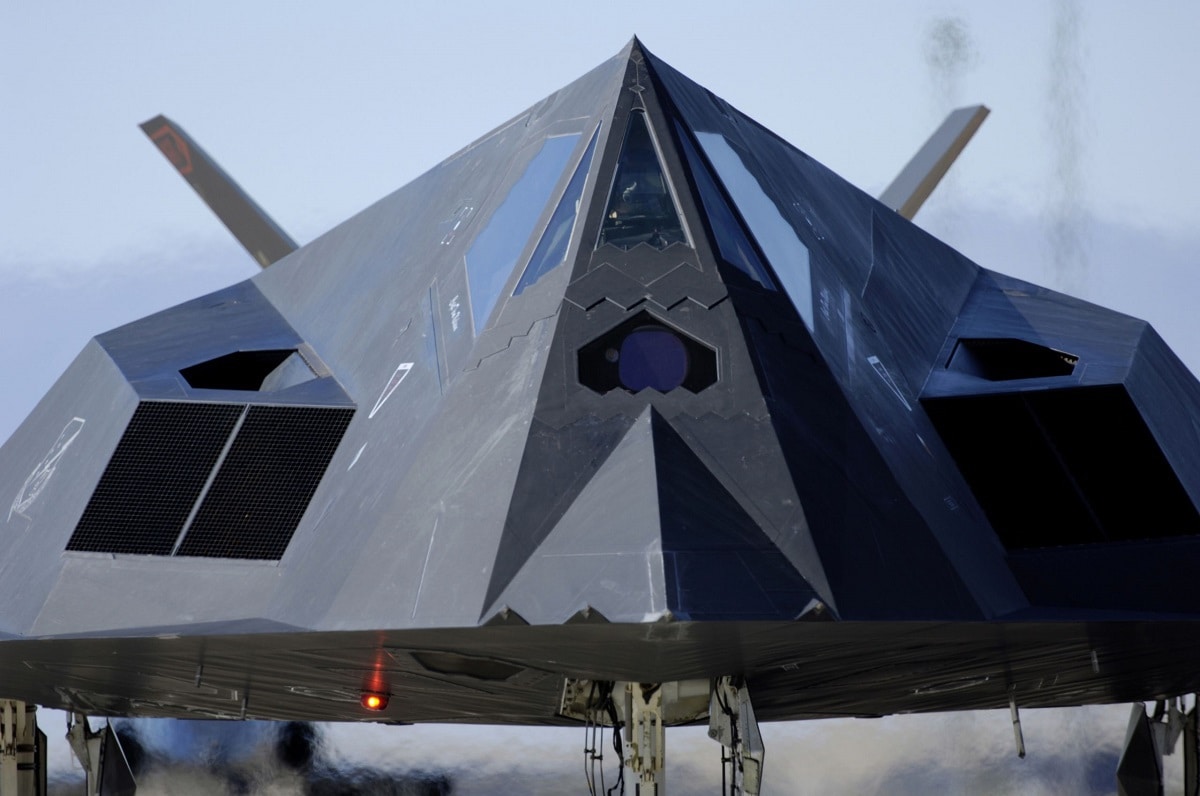
F-117 Stealth Fighter. Creative Commons Photo
The unit carried the bland name 4450th Tactical Group. Its people commuted on minimally marked 727s, leaving Nellis AFB in Las Vegas on Monday, flipping their body clocks to the night shift, and flying home on Friday.
The aircraft came out only after dark so nobody could photograph or track them.
To explain all the flight hours and personnel, the Air Force flew A-7 Corsairs out of Tonopah as a cover story.
The pilots called themselves Night Hawks, and they lived double lives.
They couldn’t tell their families or closest friends what they actually flew.
An estimated ten thousand people kept the program under wraps for years.
Anyone who has worked around compartmented programs knows that’s a remarkable number of people keeping their mouths shut.
The secrecy had a price beyond dollars. During its black years, the program lost two pilots in crashes, including Maj. Michael Stewart in October 1987, and the wrecks had to be handled quietly.
Pilots also doubted a full wing could keep operating in the dark, since a secret jet couldn’t join major training exercises.
On November 10, 1988, the Pentagon finally released a single grainy photograph. The jet’s first public daylight appearance didn’t come until 1990, nearly a decade after its first flight.
The Secrecy Paid Off In Desert Storm
The payoff came fast. On the first day of Desert Storm in January 1991, F-117s hit more than 31 percent of the targets while flying against the most heavily defended airspace in Baghdad.
No Nighthawk was lost in that war.
However, stealth was never invisibility.
In March 1999, a Serbian SAM crew shot down an F-117 over Yugoslavia.
Predictable routes and an adversary who did his homework turned the black jet into a target. That loss taught the Air Force more about stealth tactics than any test range ever did.
The F-117 Nighthawk is still flying, even though the Air Force officially retired it from combat service in 2008.
A portion of the fleet remains airworthy and is used by the U.S. Air Force for testing new technologies and training, including acting as an adversary to simulate enemy stealth aircraft.
The Air Force plans to continue these operations through at least 2034.
Aircraft kept flying out of Nevada as test and adversary aircraft long after the official send-off. Without the Nighthawk, there’s no B-2, no F-22, no F-35, and no B-21 as we know them.
The jet that didn’t exist built everything that came after it. It still flies at night.
About the Author: Steve Balestrieri
Steve Balestrieri is a National Security Columnist. He served as a US Army Special Forces NCO and Warrant Officer. In addition to writing on defense, he covers the NFL for PatsFans.com and is a member of the Pro Football Writers of America (PFWA). His work was regularly featured in many military publications.