
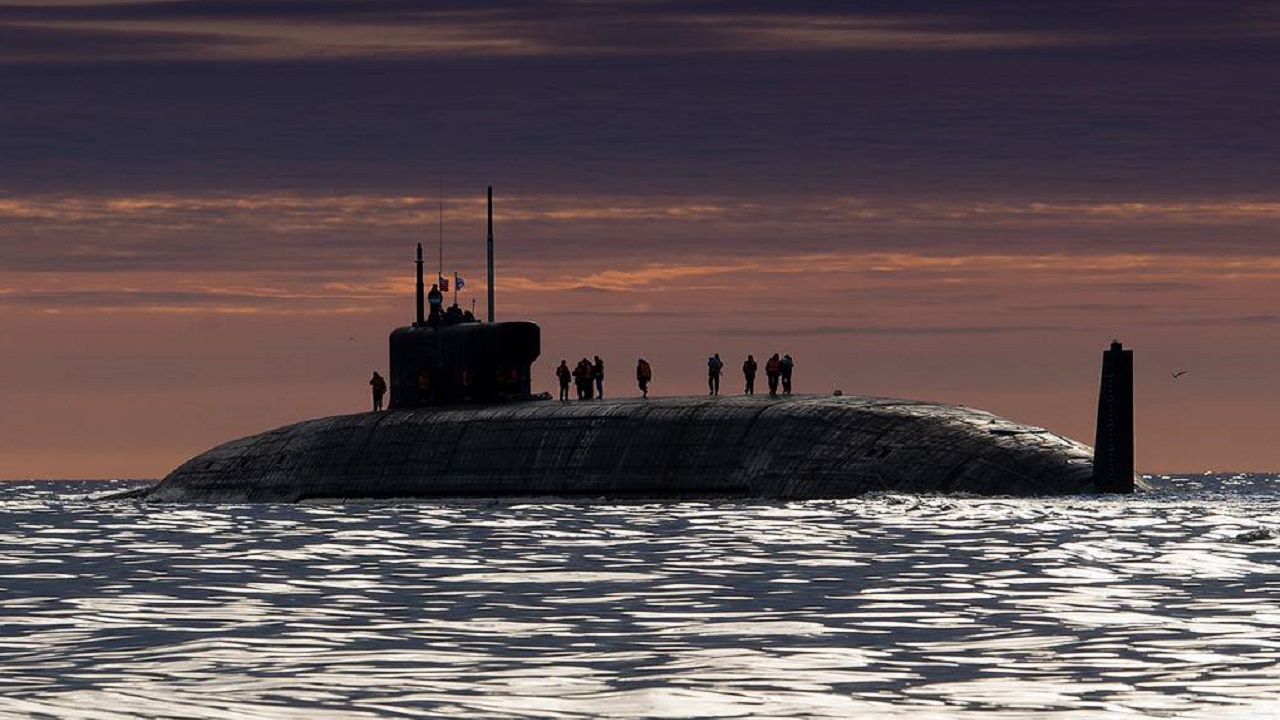
Summary and Key Points: A Russian Borei-class ballistic missile submarine, the Generalissimus Suvorov, fired a Bulava ICBM from under the Sea of Okhotsk on October 28 to a range about 4,000 kilometers away in Arkhangelsk Oblast, in what Moscow called a scheduled exercise.
Russia’s Borei-Class Nuclear Submarine Is Firing Missiles in Test
On October 28, a Russian Project 995A Borei-class nuclear ballistic missile submarine (SSBN) fired a Bulava intercontinental ballistic missile (ICBM) in the Okhotsk Sea. The missile flew to a designated test range in Russia’s Arkhangelsk Oblast. According to the Russian Ministry of Defense, the launch was part of a scheduled training exercise, meaning that the West was likely alerted before the launch.
The MoD said the tests were successful and that the missile reached its target.
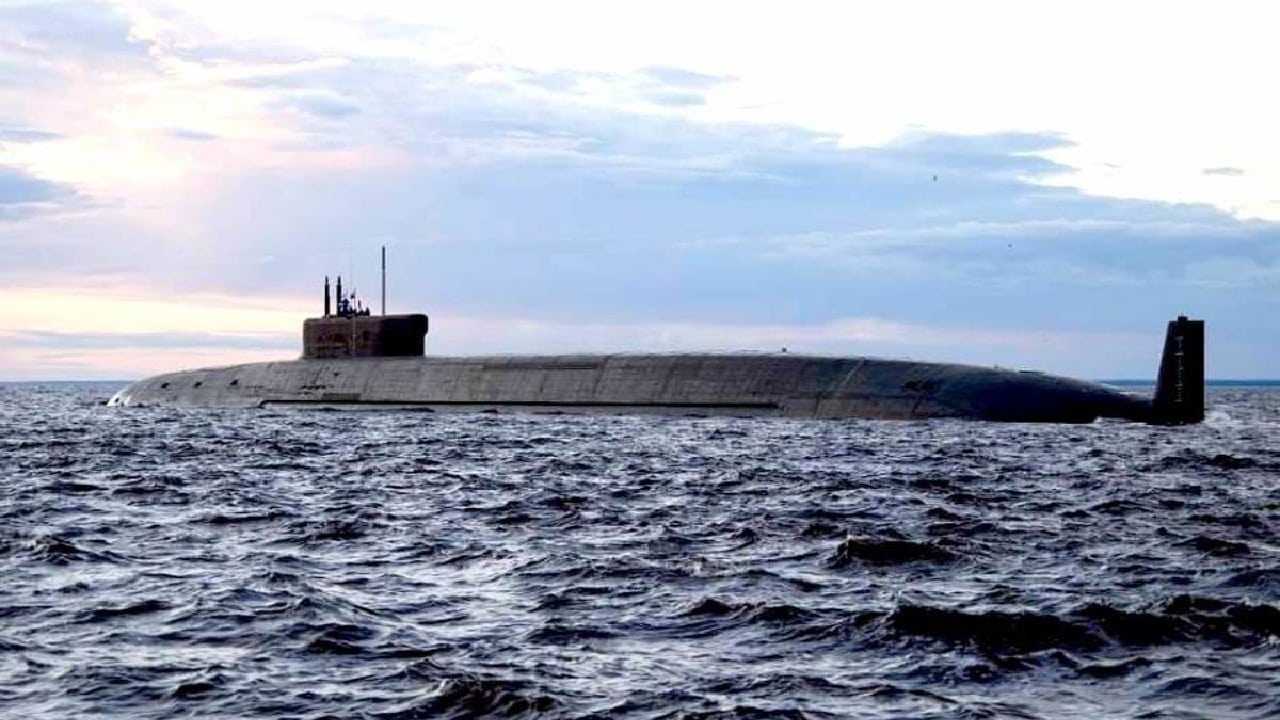
Russian Borei-class ballistic missile submarine.
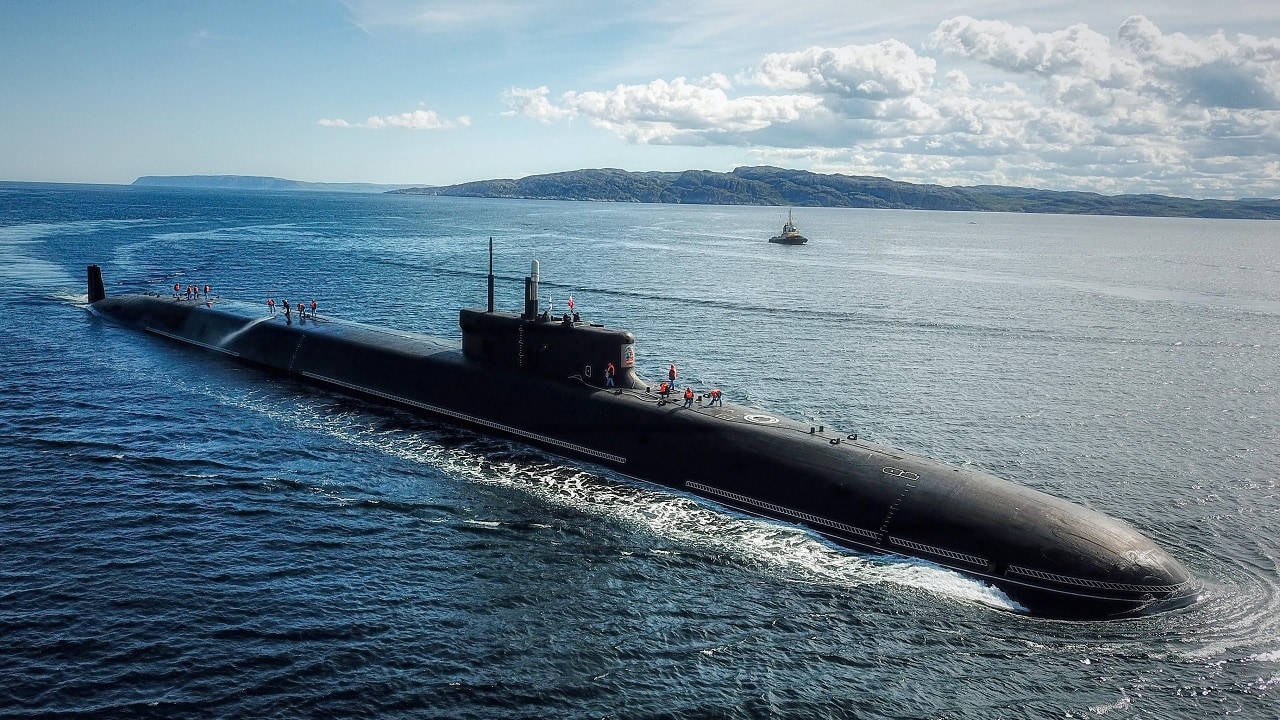
Russia’s Borei-class ballistic missile submarine.
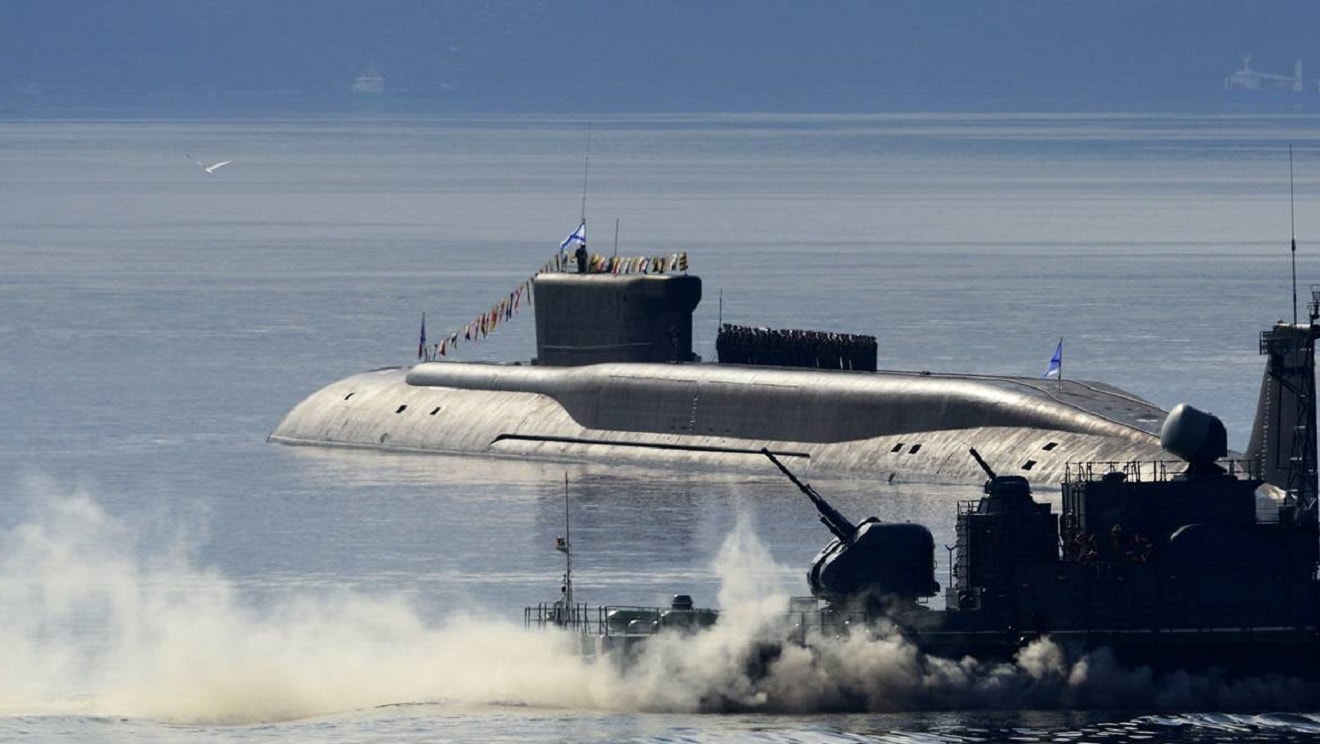
Russia’s Borei-class Ballistic Missile Submarine. Image Credit: Creative Commons.
The Borei-class submarine is the backbone of Russia’s SSBN fleet and is a vital component of Moscow’s undersea nuclear deterrence strategy.
A Russian Sub Conducts a Ballistic Missile Launch
The tests were carried out aboard the submarine Generalissimus Suvorov (K-553).
The vessel launched the missile while submerged in Russia’s far-eastern Okhostk Sea. “The crew…, in accordance with the combat training plan, fired a Bulava intercontinental ballistic missile at the Chizha training ground in the Arkhangelsk Oblast,” the Russian MoD stated.
Arkhangelsk Oblast, in Russia’s northwest, lies about 4,000 kilometers from the Okhostk Sea, where the missile was fired.
During the same exercise, the Project 885M Yasen-M-class Submarine Novosibirsk launched multiple Kalibr and P-800 Onyx cruise missiles at simulated enemy targets while submerged on October 15.
The MoD confirmed the tests were successful and that the missiles traveled about 170 km before hitting their targets.
The RSM-56 Bulava (NATO designation: SS-N-32) is the Russian Navy’s newest undersea ballistic nuclear missile.
Development began in the 1990s, and production started in the early 2000s.
During its initial trials, the missile experienced several launch failures reportedly due to poor manufacturing.
Between 2004 and its commissioning in 2013, the Bulava experienced eight failures in 20 launches due to technical malfunctions.
After an investigation into the root cause, the missile’s technical issues were resolved.
The missile has an estimated range of 8,300km, though some sources suggest up to 10,000km.
Each missile is suspected to carry around six or more MIRVs, each equipped with a 150 kt nuclear warhead.
Each Borei-class submarine carries 16 Bulava missiles, for a total of 96 to 160 nuclear warheads.
Introduction to the Borei-class SSBN
The Borei-class SSBNs were designed to replace the Soviet-era Typhoon-class submarines.
With a submerged displacement of 24,000 tons, the ships are smaller and lighter than their titanic Typhoon predecessors.
Development on the class began in the 1980s.
However, because of the collapse of the USSR and the resulting economic chaos, the lead ship of the class, Yuri Dolgorukiy, was not laid down until November 1996, and her commissioning was delayed until 2012.
Russian news sources claim that the Borei-class is five times quieter than previous Soviet-era submarines, and twice as quiet as the American Virginia-class submarine.
The ships use shock-absorbing technology to reduce noise from their internal machinery.
The hull is coated with rubber anti-hydroacoustic material to reduce noise while the submarine moves.
An ОK-650V nuclear reactor powers the Borei-class.
This gives them virtually unlimited range, constrained only by food supplies and crew endurance.
When submerged, the ships can travel at around 15 knots (17 mph) and have a stated test depth of 400 meters.
The ships carry eight 533mm torpedo tubes, though their main armament is the Bulava ICBM.
They also carry a sophisticated suite of sensors and battle management systems, including active, passive, and towed sonar arrays.
Unfortunately, because of their high secrecy, virtually no reliable information is available on any of these systems.
Russia’s Deadliest Nuclear Submarine
The Borei-class primarily serves as the undersea component of Russia’s nuclear triad.
On patrol, the ship takes its position in remote corners of the world’s oceans and waits in case it receives the order to launch its nuclear missiles.
While deployed, SSBNs are typically cut off from other surface or allied vessels and communicate only with supporting attack submarines to maintain stealth and security.
Tracking these submarines is a top priority for the U.S. Navy and its allies.
With around 160 nuclear warheads aboard, each Borei-class submarine possesses enough firepower to devastate a small country.
Some reports say the Russians have considered a modified version of the class, designated “Borei-K.” These modified ships would carry cruise missiles instead of ICBMs, similarly to the U.S. Navy’s Ohio-class SSGNs.
The Russian Navy has signaled no intention of procuring any Borei-K submarines.
Russia currently operates eight Borei-class submarines, with two more under construction and two more planned, for a total of 12 SSBNs.
The latest ship, Knyaz Pozharskiy (K-555), was commissioned in 2025.
Dimitry Donskoy was originally scheduled to be commissioned in 2026, though it is unclear whether the ship will be delivered on time.
Of all the ships in Russia’s undersea arsenal, the Borei-class poses the largest threat to NATO.
Not only are they remarkably stealthy, but their nuclear payload makes them an existential threat to the U.S. and its European allies.
The Los Angeles- or Virginia-class attack submarines typically find and track these ships.
About the Author: Isaac Seitz
Isaac Seitz, a Defense Columnist, graduated from Patrick Henry College’s Strategic Intelligence and National Security program. He has also studied Russian at Middlebury Language Schools and has worked as an intelligence Analyst in the private sector.