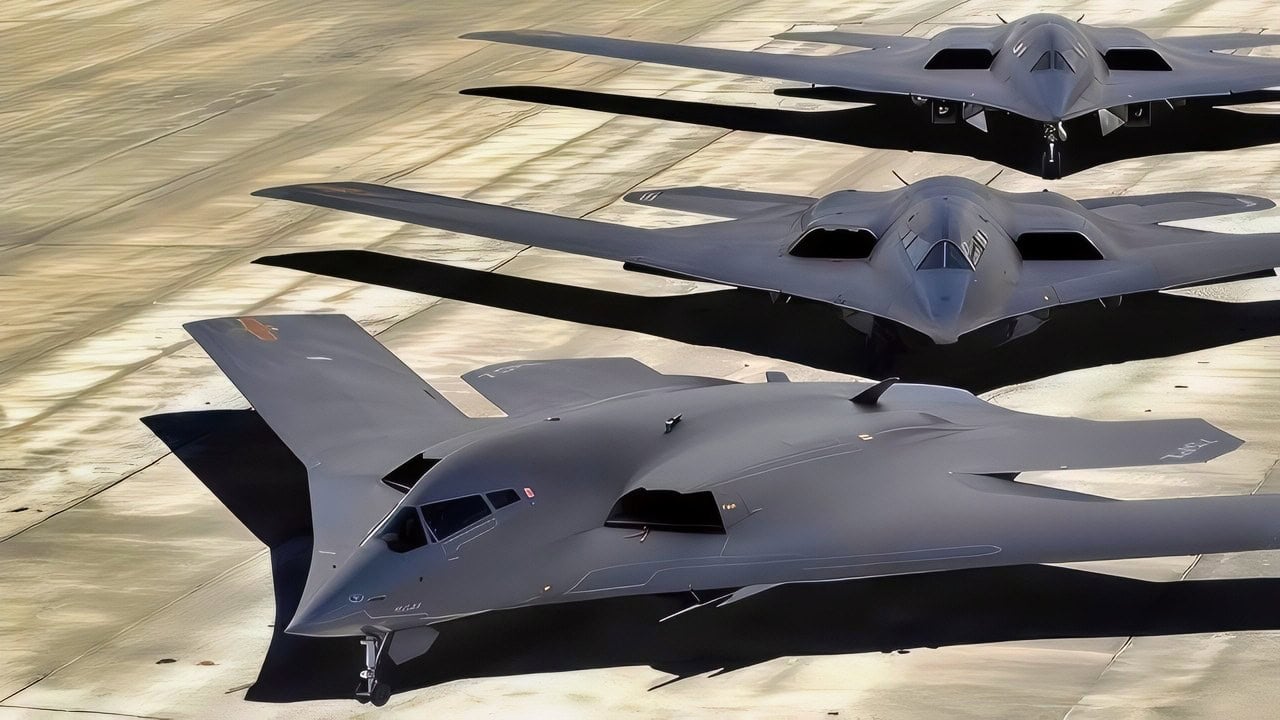
Summary and Key Points: China’s bomber force still relies on the H-6, a derivative of the Soviet Tu-16, which leaves the air leg of its nuclear triad waiting on the H-20.
The H-20 Stealth Bomber: It Might Never Fly?
In 2016, the head of China’s People’s Liberation Army Air Force announced that China’s Xi’an Aircraft Industrial Corporation was building an intercontinental, nuclear-capable stealth bomber with a range of 8,500 to 13,000 km. Their new H-20 would rival the US B-2 Spirit and B-21 Raider.
And, in the ten years since, the H-20 stealth bomber has never been seen. So what is happening?
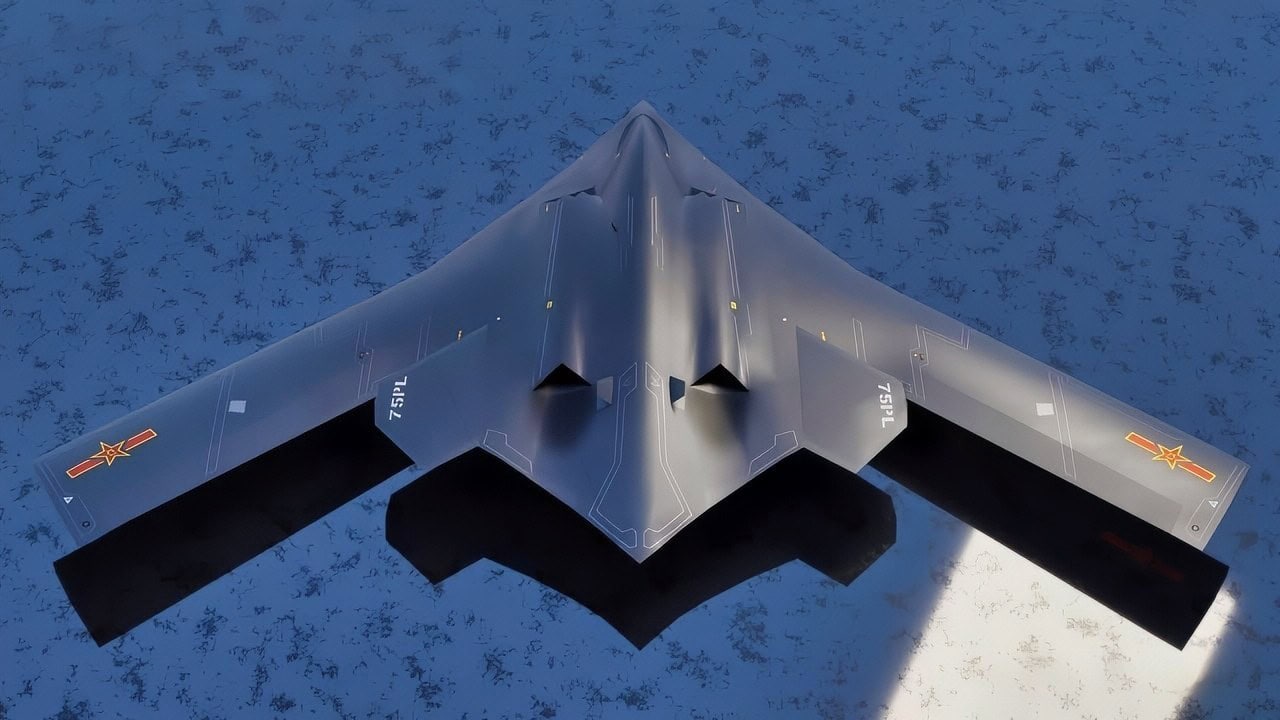
H-20 Bomber YouTube Screenshot Artist Rendering
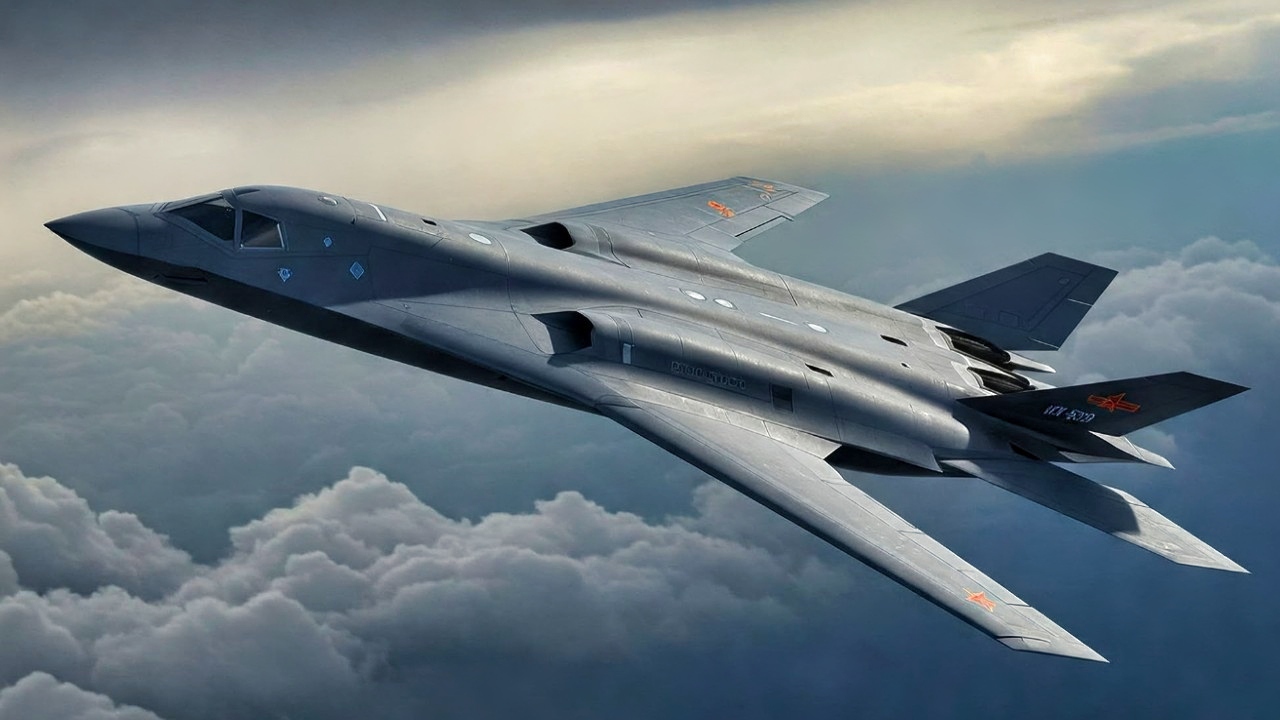
Computer Generated Image of H-20 Bomber from China. Image Created with AI help.
The Invisible H-20: Vanished After a High-Profile Announcement
Since then, the H-20 has missed several unveiling dates, no production line has been found, and no maiden flight has been announced.
The H-20 is so stealthy it appears to have vanished into thin air. The explanation may not be money, but serious gaps in China’s technological capabilities.
The Tech-Tree Dilemma: Why Capital Can’t Buy Capability
Imagine a country’s technological ability as a tree.
From its trunk, limbs representing various core technologies grow into 1st-, 2nd-, and 3rd-order branches; each produces small twigs representing the newest and emergent technologies.
The limbs and branches of the Tech-Tree are interconnected internally within the trunk.
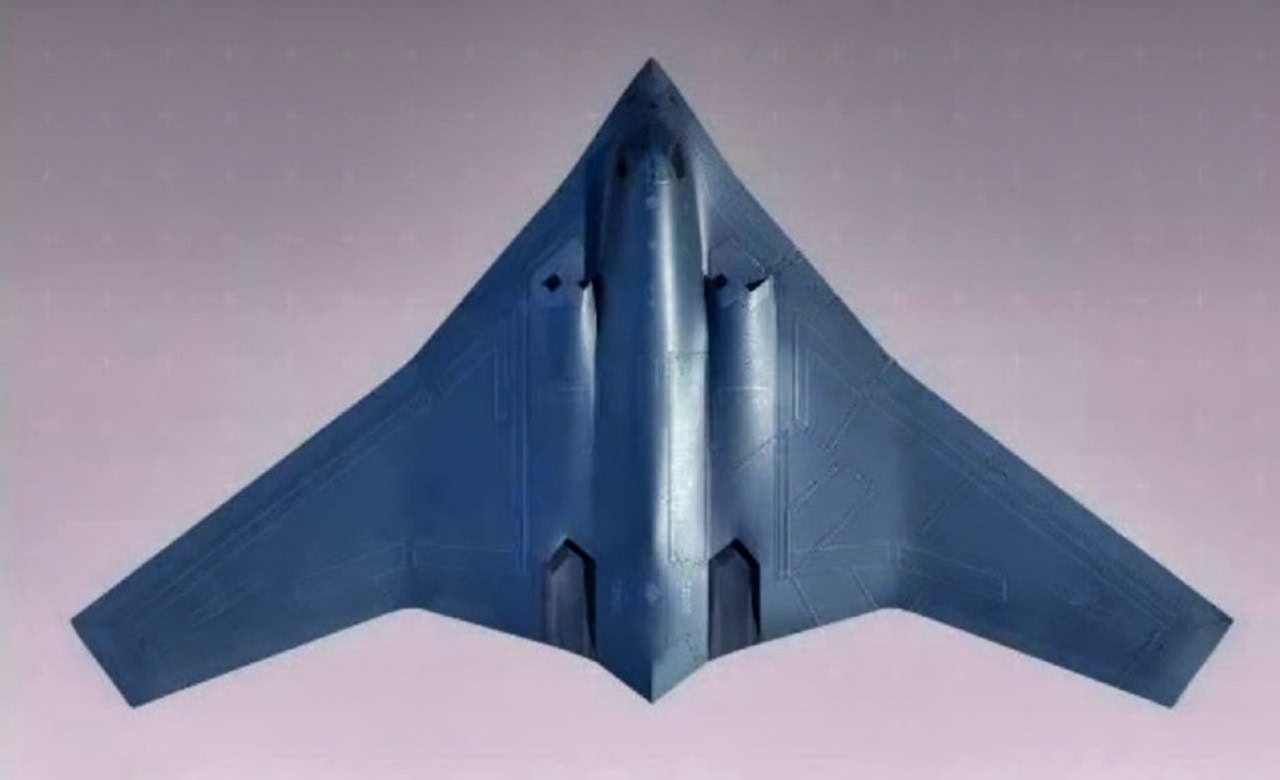
H-20 Bomber from China Artist Rendition.
Advances in the metallurgy branch can lead to twigs growing on the branches of industrial machinery, electronics, defense, and mining.
If your Tech-Tree is missing branches, it stunts the growth of the others, leaving big gaps in your technological capabilities. China’s Tech-Tree is missing several important branches.
The Pen and the Steel: Lessons from a Stunted Industrial Base
For example, while China manufactures billions of ballpoint pens every year, it had to import stainless steel nibs from Japan, Germany, and Switzerland to complete them.
Its own steel lacked the required machinability.
It took China 5 years to solve this metallurgical mystery and finally make its own in 2017. By contrast, the US had the industrial and technological ability to put the ballpoint into mass production in 1945.
China may be trying to produce its H-20 stealth bomber before it has fully grown the tech tree branches it needs to complete one.
Manufacturing large composite airframes, advanced radar-absorbent coatings, and precision structural components for a bomber assembly line requires metallurgical and industrial capabilities in its aerospace sector that it has not yet developed.
A single H-20 might be hand-built at incredible effort and expense, but that does not translate to a full semi-automated production line.
The Propulsion Bottleneck: Escaping the Constriction Of Soviet Jet Engines
For decades, China has relied on jet engines produced or designed by the Soviet Union and now Russia. While it has made progress in designing and producing homegrown engines, they appear derivative of Russian designs.
Reliable, high-efficiency, low-infrared-signature turbofan engines for a stealth bomber represent state-of-the-art manufacturing abilities.
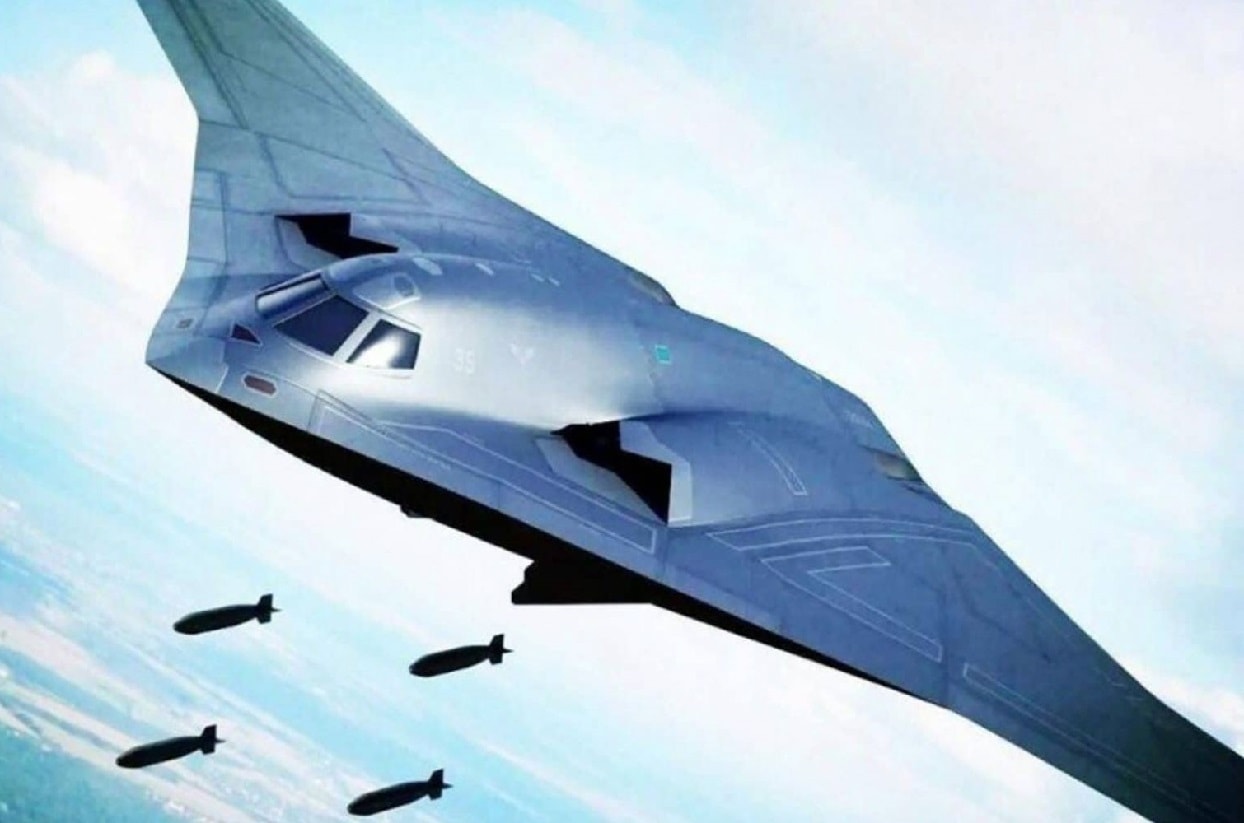
H-20 Artist Render. Image: Chinese Weibo.
In the past, Chinese engines have not met these efficiency benchmarks, as they run hotter with lower thrust-to-weight ratios than US designs.
The H-20 has no hope of being an effective bomber until China can produce an engine with a much lower thermal signature.
Unstable Flight: Growing An Organic Fly-by-Wire System For The H-20
A flying wing heavy bomber design is tailless, heavy, and aerodynamically unstable.
They require the latest fly-by-wire systems, software, and computers to operate.
China’s experience with such systems was limited to unmanned drones like the GJ-11 type.
Recently released satellite imagery shows a massive unmanned drone with intercontinental range in flight testing, called the GJ-X.
This is the presumed future fly-by-wire system being developed for the H-20.
As if it knows the H-20 is beyond its technological reach, China seems to have shifted focus and money to mass-producing fighters like the Chengdu and Shenyang, hypersonic missiles, and unmanned drones.
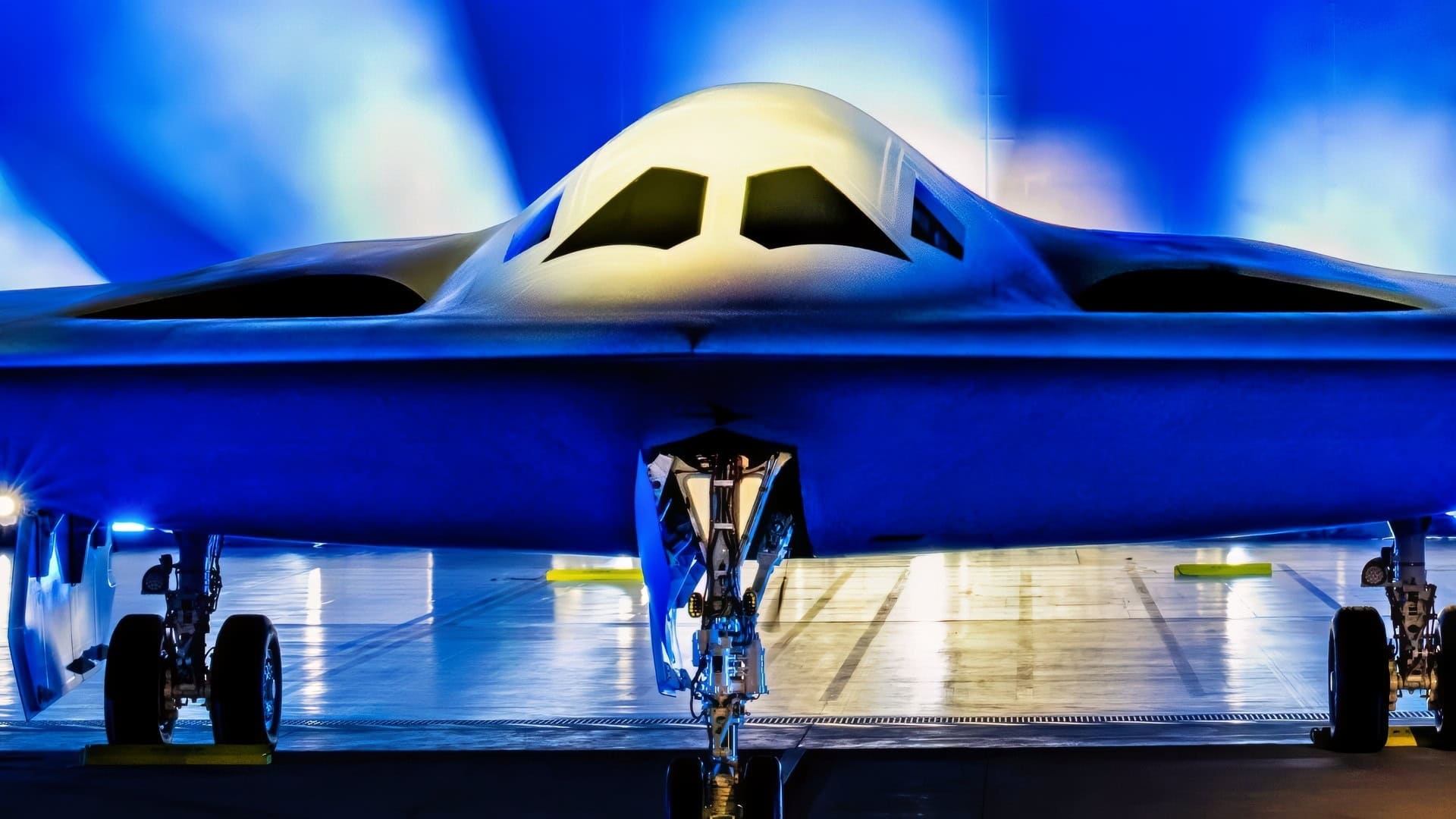
A B-21 Raider is unveiled at Northrop Grumman’s manufacturing facility on Air Force Plant 42 in Palmdale, California, Dec. 2, 2022. The B-21 will be a long-range, highly survivable, penetrating strike stealth bomber capable of delivering both conventional and nuclear munitions. (U.S. Air Force photo by Airman 1st Class Joshua M. Carroll)
This leaves the H-20 sidelined in stalled development, waiting for its tech to catch up to the dreams it put on paper.
The H-20 Is Sidelined By Missing Tech And Bombers Dating Back To 1954 Legacy
It’s not like the H-20 shouldn’t be a priority.
For a nuclear power like China with both land-based and submarine-based intercontinental ballistic missiles, the strategic bomber represents the third leg of the Triad of nuclear deterrence.
Currently, China’s strategic bomber force relies entirely on the Xi’an H-6, a licensed and relatively modernized derivative of the Soviet-era Tupolev Tu-16 jet bomber first flown in 1954.
By that time, the US had manufactured tens of millions of ballpoint pens and launched its first nuclear-powered submarine, the USS Nautilus (SSN-571).
The H-20 has so far failed to provide the missing leg in China’s nuclear triad not for a lack of money, but because of critical gaps in its foundational technological capabilities.
For a country that has only been able to make a ballpoint pen from start to finish in the last ten years, the semi-automated assembly lines needed to bring advanced airframes, materials, flight systems, and engines together into a working design seem well beyond its reach.
About the Author: Sean Spoonts
Sean Spoonts is the former Editor-In-Chief of SOFREP.com. He is a military analyst, writer, and commentator whose work has appeared in Newsweek, CS News, Ukrinform, and various military/veteran media networks and professional publications, including the Military Intelligence Professional Bulletin. He is a U.S. Navy veteran, having served as an Aviation Anti-Submarine Warfare Operator and Search and Rescue Helicopter Aircrewman.